https://arab.news/begs2
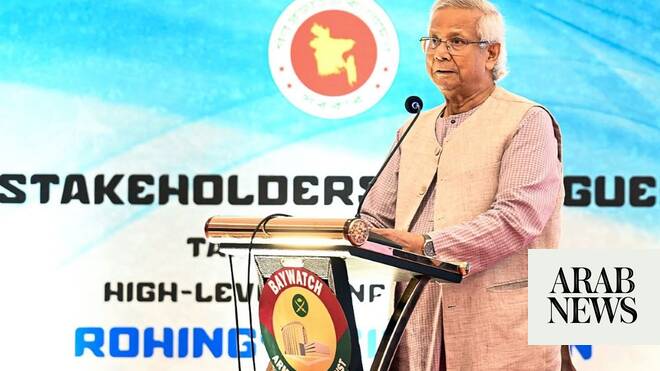
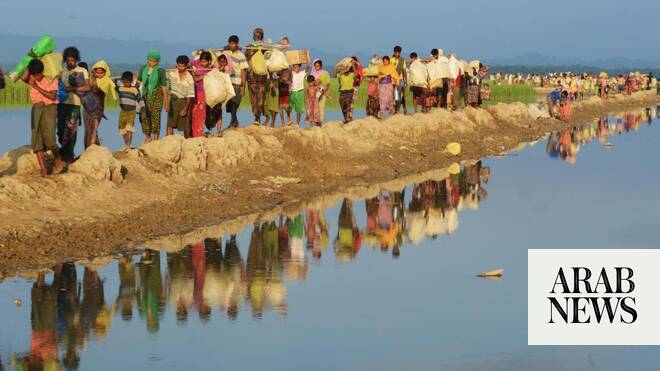
Bangladesh stands at a crossroads. For years, it has carried the weight of one of the world’s largest refugee crises with little international support. Nearly a million Rohingya remain trapped in sprawling camps along its southeastern border, with no realistic hope of a return to their homeland in Myanmar. But under Mohammed Yunus, who leads Bangladesh’s interim government, Dhaka has the chance to redefine its role — not as a victim of geography but as a regional stabilizer capable of influencing the future of both Myanmar and the Rohingya.
This comes at a moment of deep upheaval across the region. Myanmar is collapsing into a patchwork of local fiefdoms. The once-dominant military government has lost control of much of the country, especially in Rakhine State, where the Arakan Army now holds power over most townships. This new reality changes everything. The question of Rohingya repatriation can no longer be resolved through negotiations with Naypyitaw alone. It must involve new actors that hold real authority on the ground.
For Bangladesh, this presents both danger and opportunity. The danger is obvious: instability along the border could spill over into Cox’s Bazar, where desperation is already growing as international funding dwindles. The World Food Program has cut rations to as little as 27 cents per person per day. Malnutrition, trafficking and violence are on the rise. Unless a credible plan for repatriation and economic relief emerges soon, the camps could descend into chaos.