https://arab.news/g4w3e
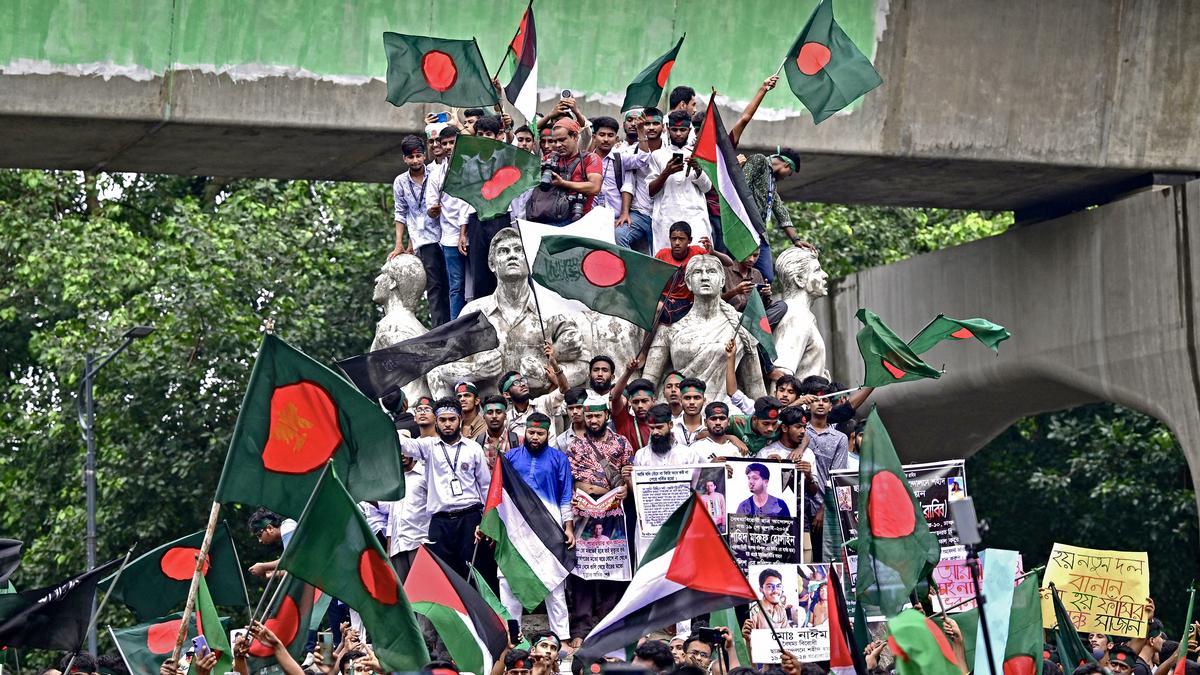
Bangladesh’s 2026 election has been widely described as a democratic reset after years of political turbulence. For more than 1.1 million Rohingya refugees confined to camps around Cox’s Bazar, it could also represent something else: an opportunity. Whether that opportunity is realized will depend on whether the new government treats the Rohingya as a liability to be managed or as a strategic and moral issue requiring long-term leadership.
The Rohingya have long been, as journalist Shafiur Rahman put it, “perennial pawns in Bangladesh’s politics.” Across party lines, the promise of repatriation has often functioned less as a concrete plan and more as a political instrument — useful for rallying domestic audiences, appealing to donors or signaling diplomatic resolve. But elections can alter incentives. A government with a fresh mandate has more political space to innovate than one clinging on for survival.
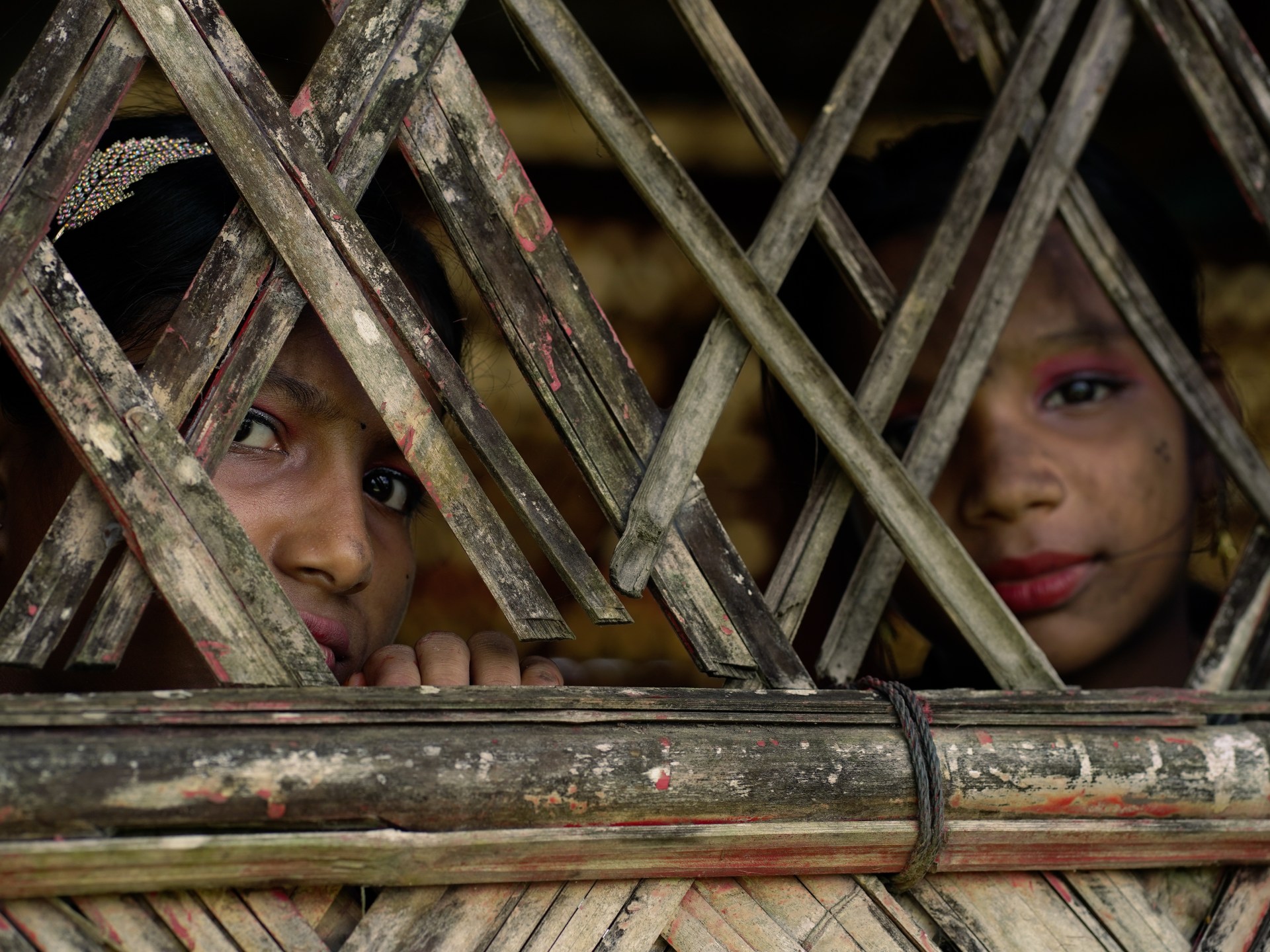
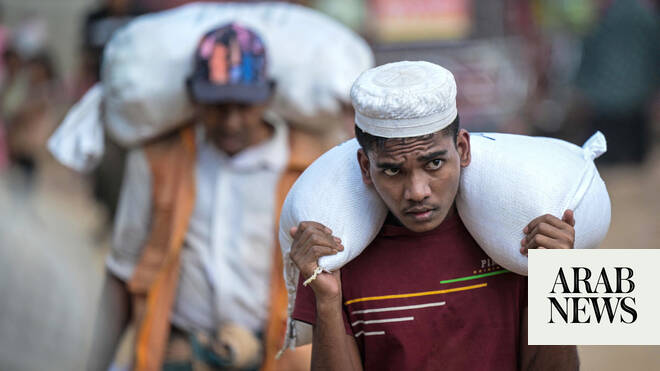
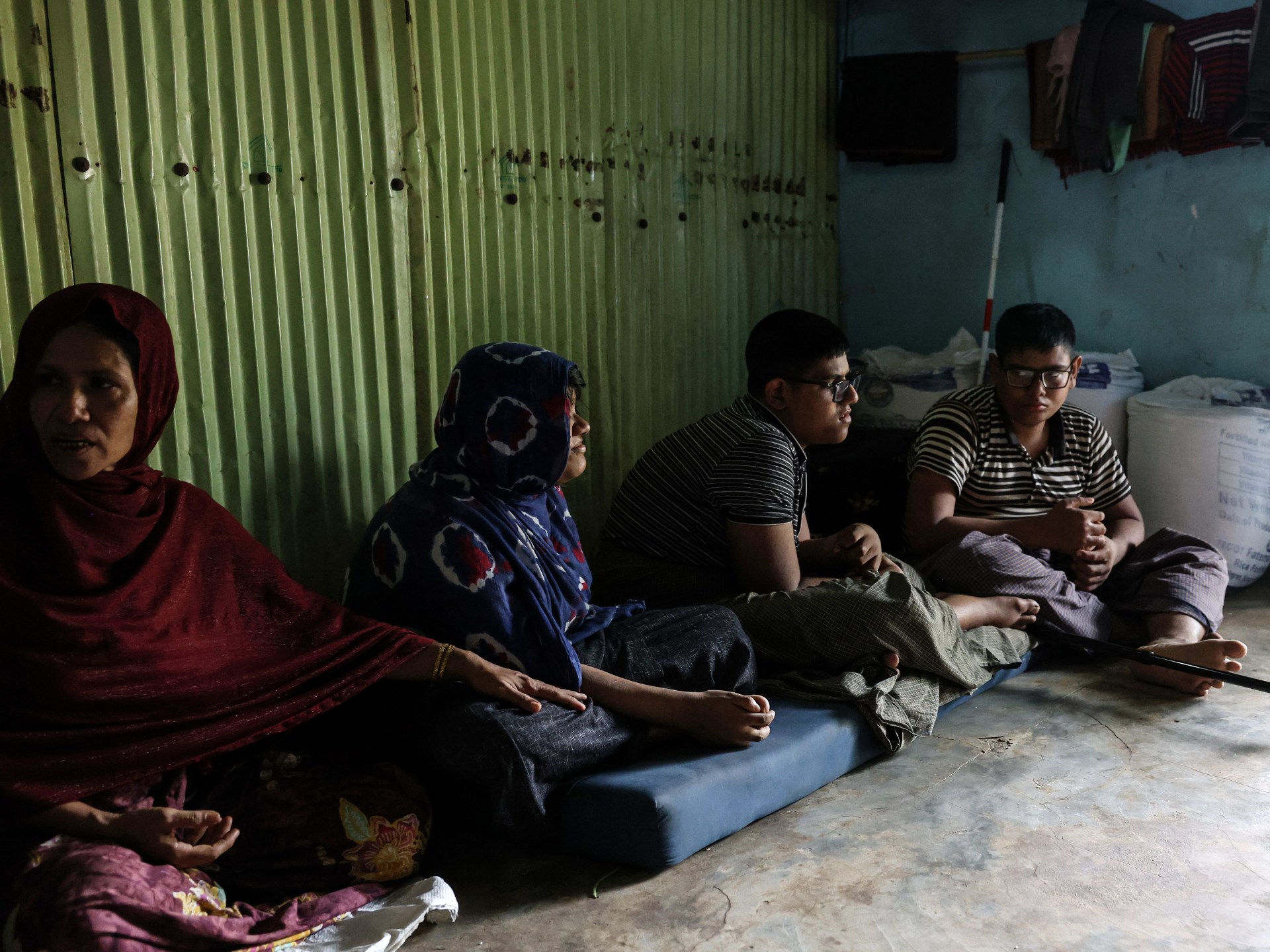
The scale of the challenge is undeniable. More than 1.1 million Rohingya remain in Bangladesh, most having fled Myanmar’s 2017 campaign of mass violence, which has been recognized by the US as genocide. International funding has declined significantly in recent years, forcing cuts to food rations and basic services. The camps are heavily securitized, movement is restricted and formal employment remains prohibited. A generation of Rohingya children is growing up without accredited education or legal status.