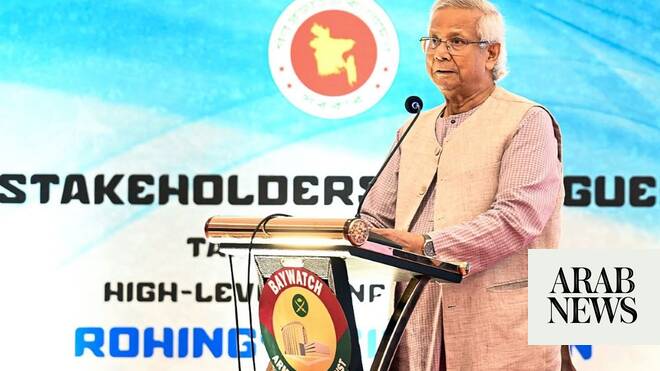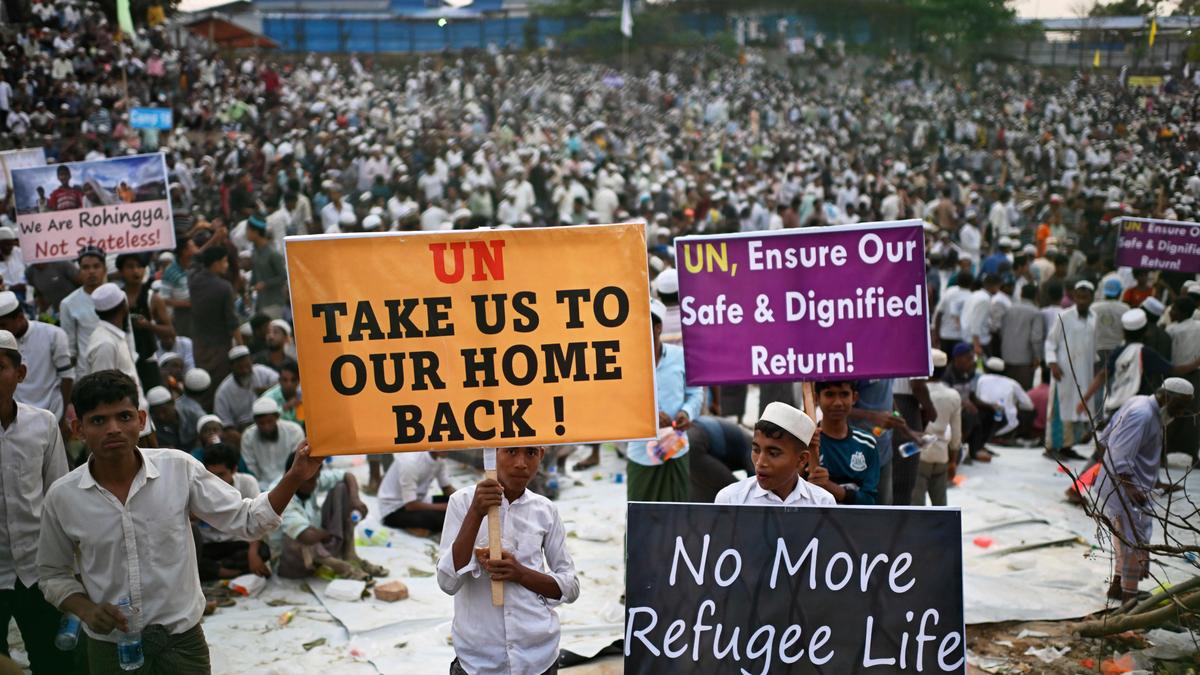
The story so far: The first-ever high-level conference addressing the Rohingya ethnic cleansing and refugee crisis was held at the U.N. General Assembly on September 30 at the proposal of Bangladesh. Muhammad Yunus, the Chief Adviser of Bangladesh’s interim government, proposed a seven-point plan for a sustainable solution to the crisis and pushed for the ‘expeditious repatriation’ of the refugees to the Rakhine State. Urging global action to prevent a ‘catastrophe’, he said, “The Rohingya crisis emanated from Myanmar. And the solution also lies there.”
Why does Bangladesh want to send Rohingya back?
Mr. Yunus flagged that the lack of international funding and humanitarian aid has been pushing the country to ‘its brink’ in hosting the Rohingya refugees, and repatriation has become its only option. “Bangladesh is a victim of the crisis. We are forced to bear huge financial, social and environmental costs,” he said.
Invisible suffering of Rohingya refugees
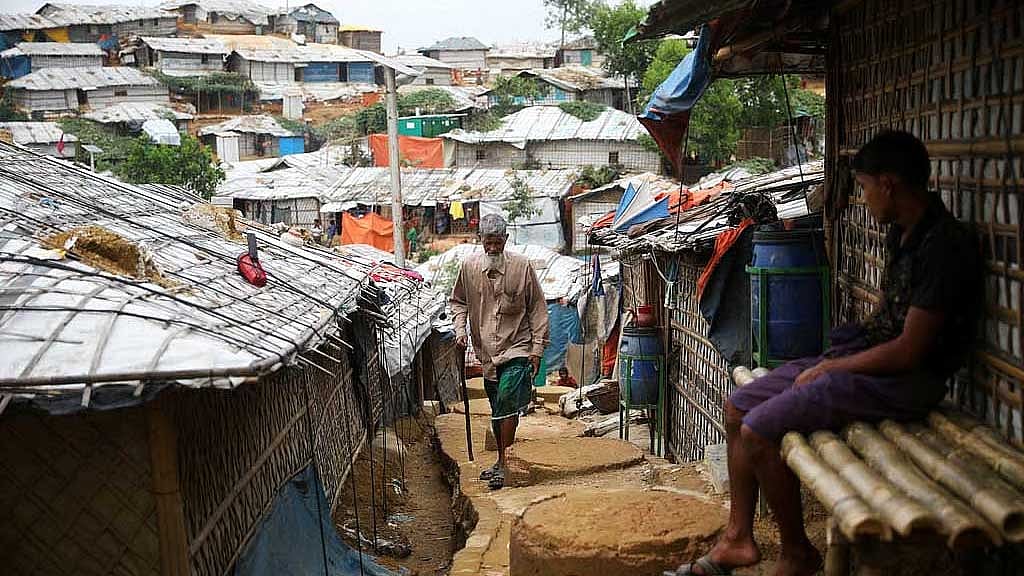
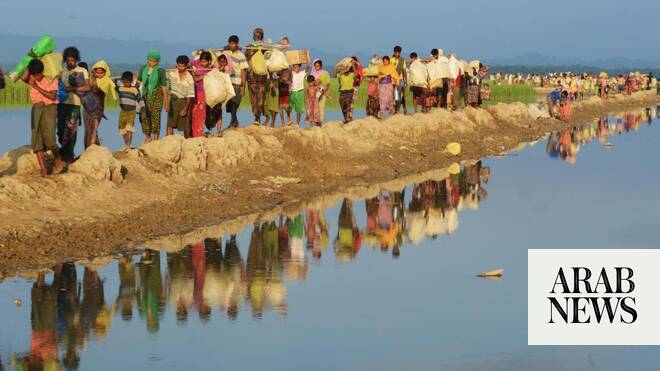
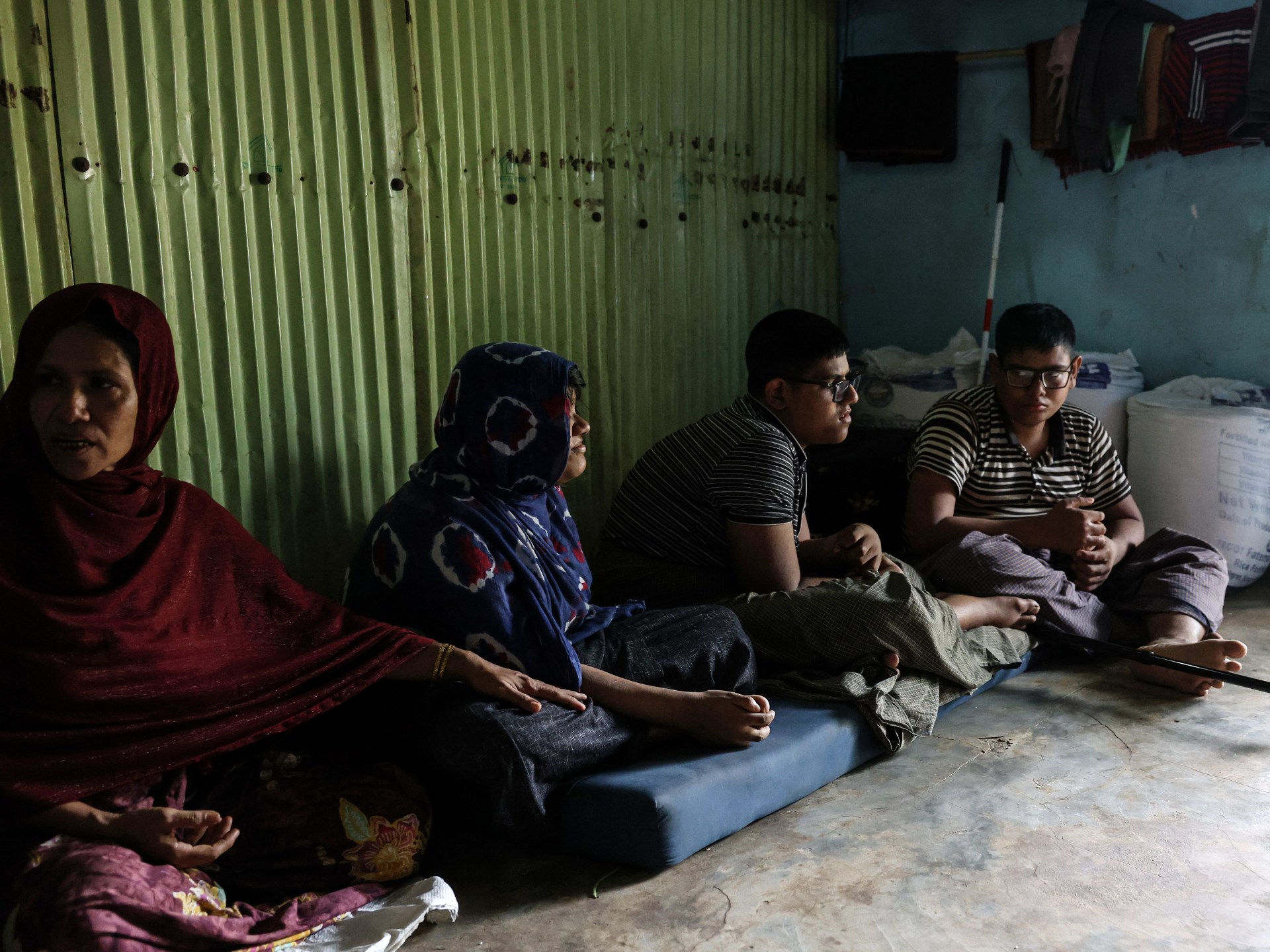
Since 2017, the military crackdown against Rohingya Muslims in Myanmar has led to a large number of them fleeing the State towards its neighbour, Bangladesh, seeking asylum, often through dangerous journeys by sea. According to the U.N. High Commissioner for Refugees (UNHCR), Bangladesh hosts 1.1 million Rohingya refugees. A majority of them live in Cox’s Bazaar, the world’s largest refugee camp, under precarious conditions with no legal rights. In July 2025, the U.N. refugee agency reported that 1.5 lakh refugees arrived at Cox’s Bazaar in the previous 18 months alone.