https://arab.news/6jt86
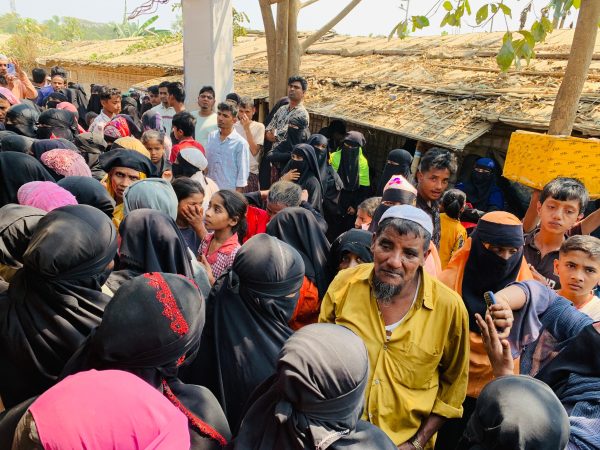
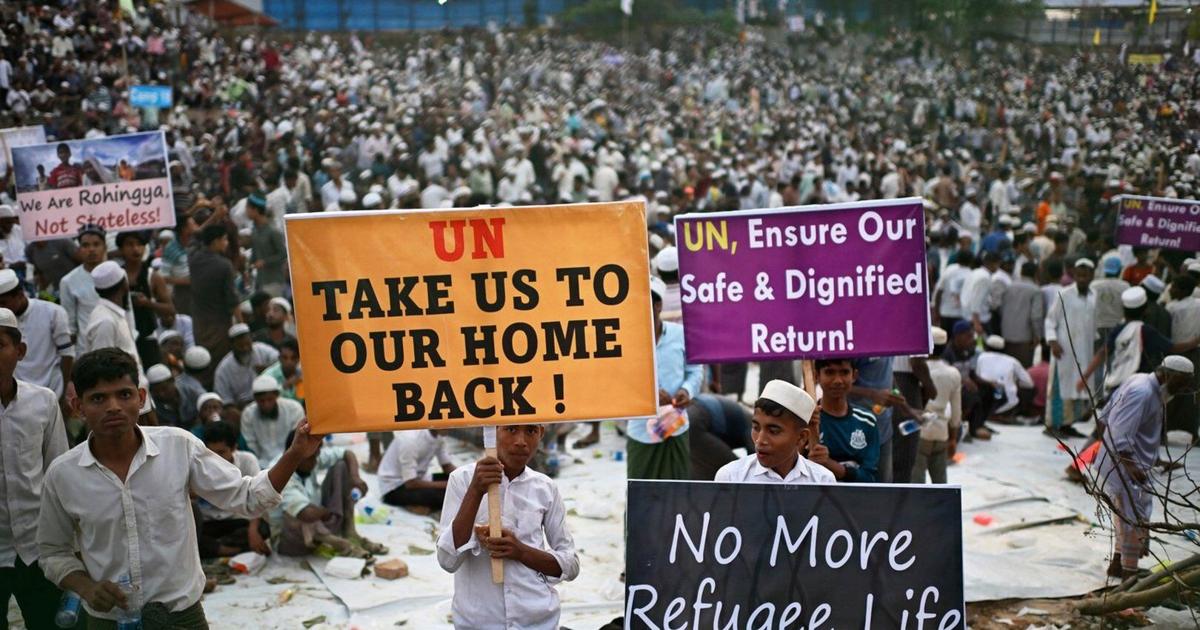
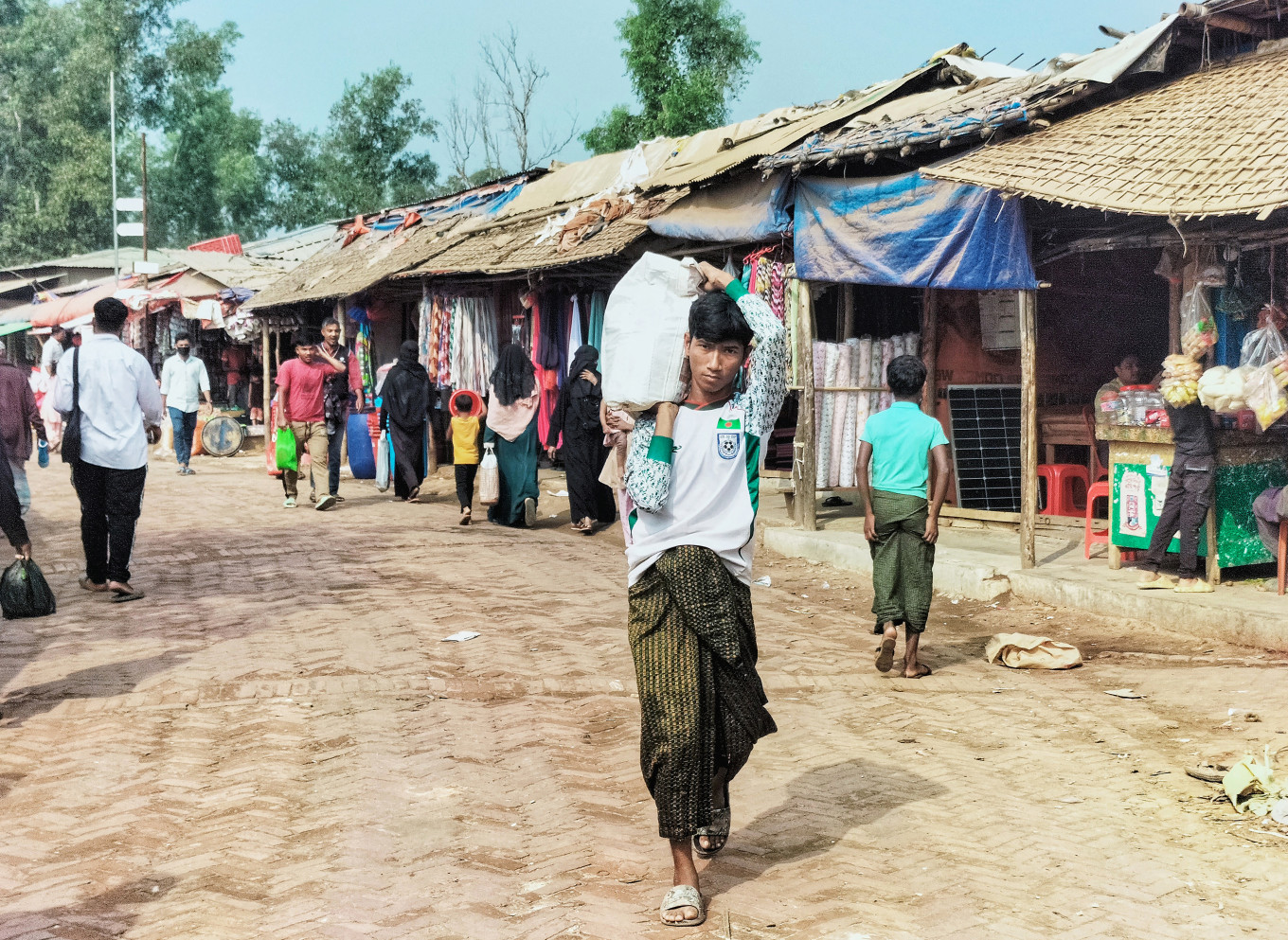
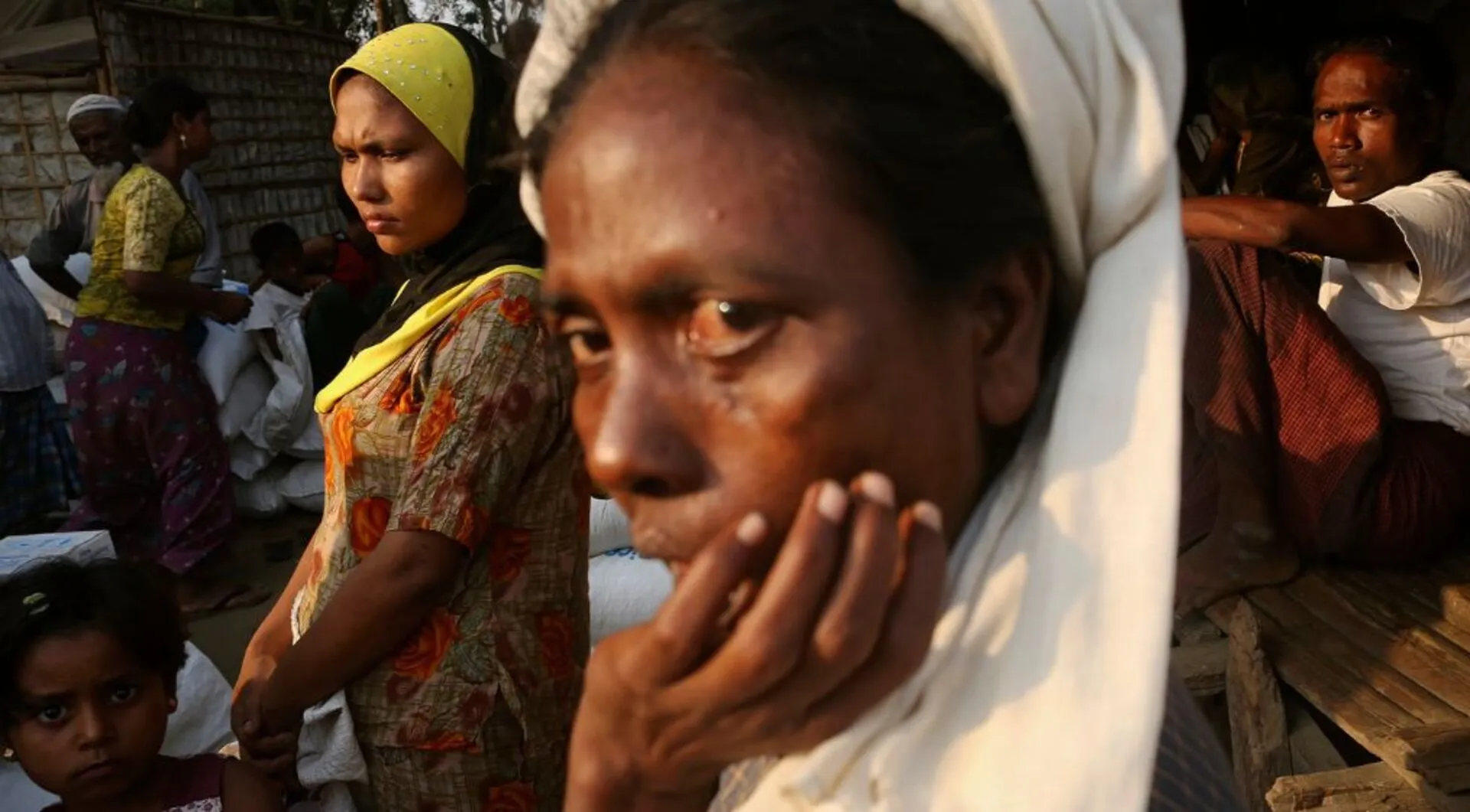
For almost eight years, the world has watched the Rohingya crisis fester, with no meaningful progress toward a solution. Nearly a million Rohingya refugees remain stranded in camps in Bangladesh, victims of a genocide that forced them from their homes in Myanmar’s Rakhine State in 2017. The humanitarian situation in Cox’s Bazar grows ever more desperate as aid dwindles, while conditions in Myanmar remain hostile and dangerous.
The international community has repeatedly promised to facilitate the repatriation of the Rohingya to their homeland. Yet every attempt has ended in failure. But why? And perhaps more importantly, what must change to avoid consigning the Rohingya to permanent exile?
The first repatriation agreement, struck in 2018 between Bangladesh and Myanmar’s military government, was touted as a breakthrough. But when buses were lined up to transport Rohingya families back across the border, not a single refugee stepped forward. Similar initiatives in 2019 and more recent pilot schemes have met the same fate. Refugees simply do not believe they will be safe if they return — and they are right.
The root of the failure lies in the flawed design of these repatriation efforts. Negotiations have been conducted almost exclusively between Dhaka and Naypyitaw, the seat of Myanmar’s junta. This is a fatal error. The junta may hold formal sovereignty but it has neither legitimacy nor effective control over much of Rakhine State, where the Rohingya once lived. The Arakan Army, an ethnic Rakhine force, now controls more than half of the state’s townships. Any plan that excludes them is detached from reality.