https://arab.news/4ap6e
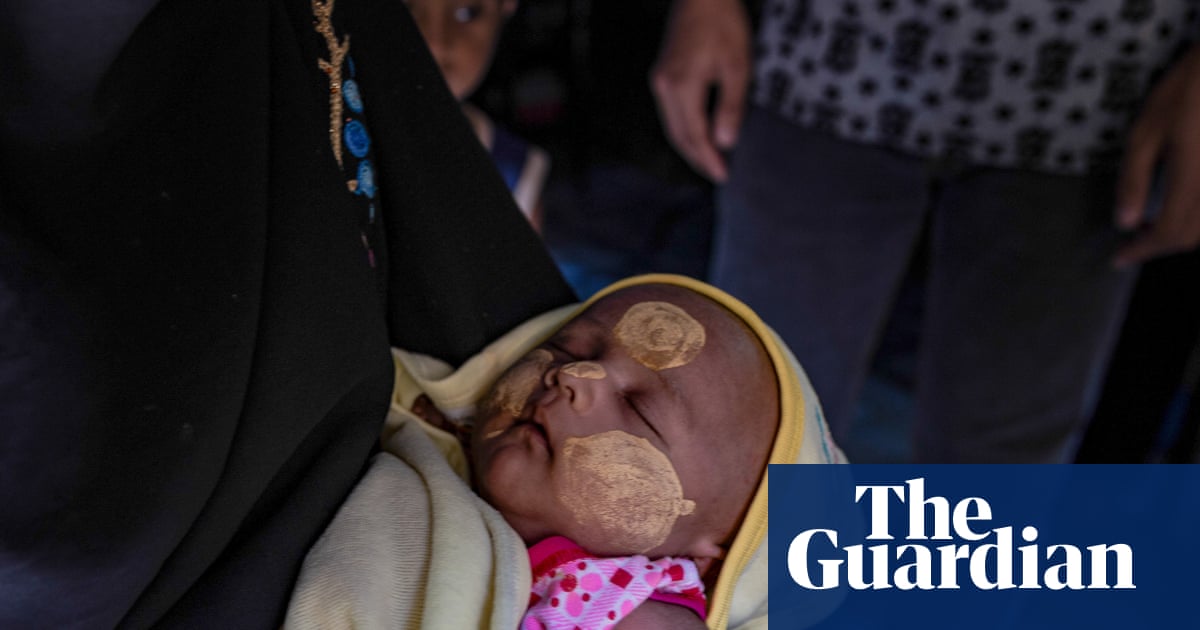
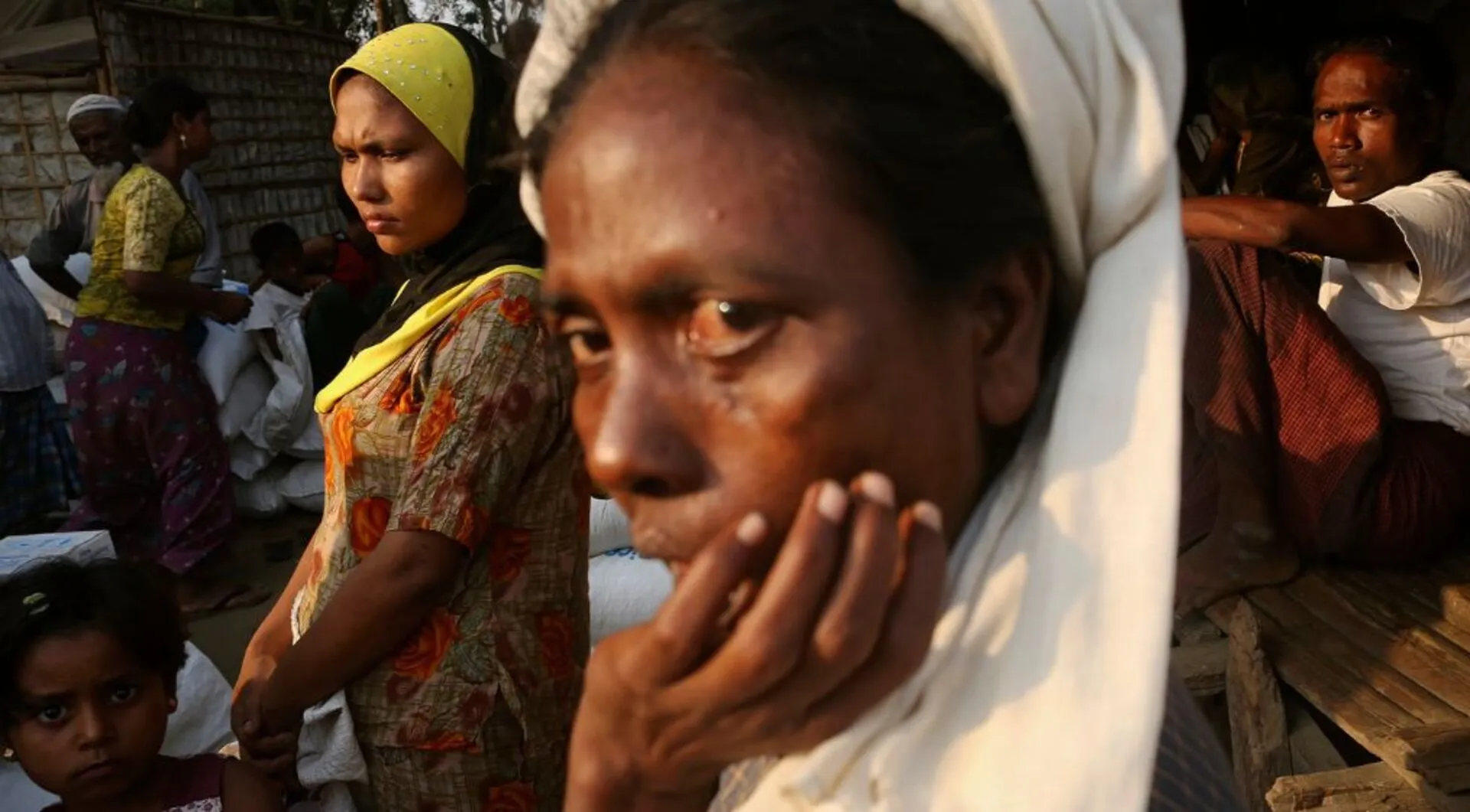
New reporting paints a stark picture of life for the million or so Rohingya refugees in Cox’s Bazar, Bangladesh. According to an investigation by The Guardian this month, families are now struggling without enough food, basic healthcare, soap, materials for shelters and even infant nutrition supplies. Doctors in the camps describe a surge in malnutrition cases. Mothers queue for hours hoping for powdered milk that no longer arrives. Clinics have scaled back or closed altogether. After years of declining international funding, the humanitarian response is now on the edge of collapse — and it is the world’s most vulnerable stateless population that is paying the price.
The story is tragically familiar. For eight years, the Rohingya have lived in the world’s largest refugee settlement, displaced from their homeland in Myanmar by the genocide of 2017. Through that time, aid agencies have repeatedly warned that funding cuts would inevitably translate into hunger and preventable disease. Those warnings were ignored. Now we have reached the point they feared. The situation is no longer deteriorating slowly. It is unravelling.
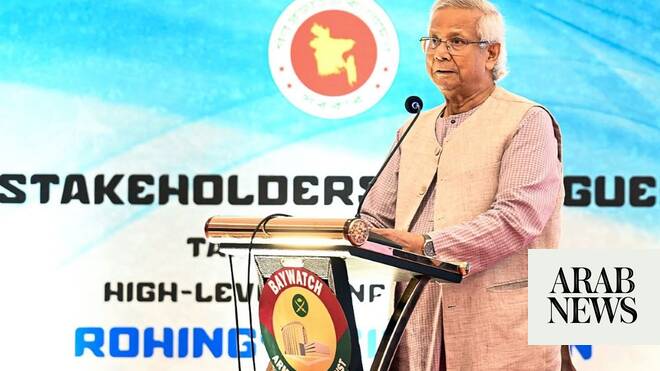
This comes at a particularly sensitive moment for Bangladesh. The interim government, tasked with stabilizing the country through a period of political transition, now finds itself responsible for a refugee population larger than the entire city of Riga, the capital of Latvia. Dhaka has long shown extraordinary generosity in hosting the Rohingya, but hosting nearly a million people with shrinking international support is not sustainable. Bangladesh’s economy is under pressure. Public patience is thinning. Tensions in Cox’s Bazar are rising. And the long-term prospects for the Rohingya are dimming by the day.