https://arab.news/n73sx
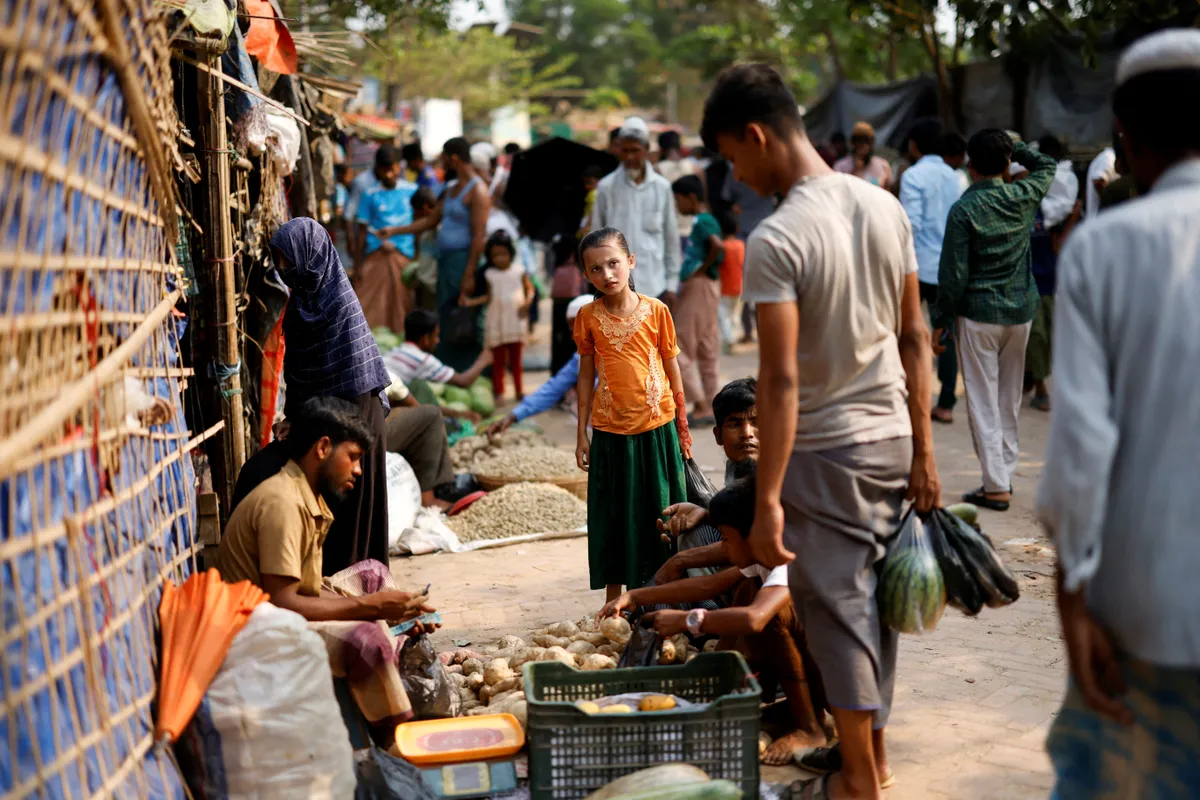
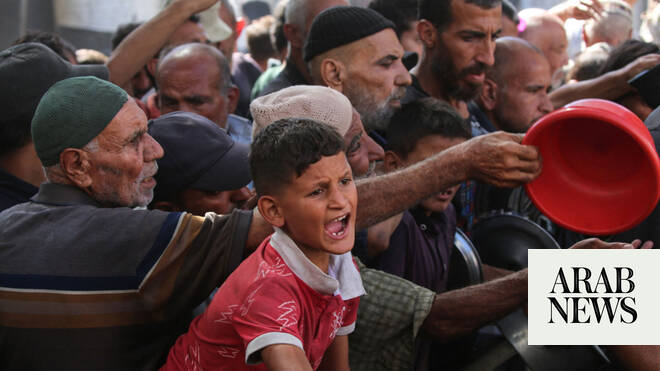
Over the past two weeks, humanitarian agencies have issued renewed warnings that funding shortfalls are once again threatening food rations for Rohingya refugees in Bangladesh. The most serious alerts have come from the World Food Programme, which supports food assistance for more than 1 million Rohingya refugees living in camps around Cox’s Bazar. The numbers are stark and familiar, yet the implications are increasingly dangerous.
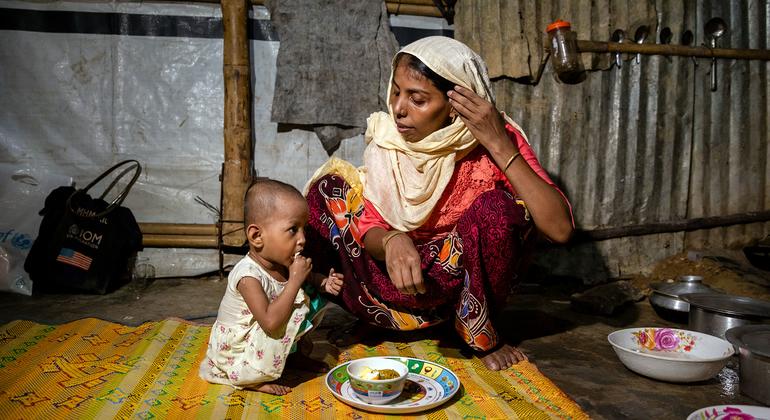
At the height of previous funding crises, monthly food assistance for Rohingya refugees fell to $8 per person per month, down from an already modest $12. Humanitarian agencies documented immediate consequences, including rising malnutrition, negative coping strategies, increased child labor and growing insecurity inside the camps.
Today, similar warnings are resurfacing — but the regional context has changed. Aid cuts are no longer occurring in isolation. They are colliding with Myanmar’s deepening civil war, shrinking international attention and Bangladesh’s diminishing capacity to absorb the consequences.
Bangladesh hosts about 1.1 million Rohingya refugees, making it one of the largest refugee-hosting countries in the world. Since 2017, Dhaka has spent billions of dollars in direct and indirect costs on shelter, security, infrastructure and environmental mitigation. While international donors initially covered most humanitarian needs, funding has steadily declined. UN appeals for the Rohingya response have been consistently underfunded, often reaching barely 50 percent to 60 percent of required levels. Each shortfall pushes the burden further onto a country already grappling with inflation, fiscal pressures and its own development challenges.