https://arab.news/ryvhm
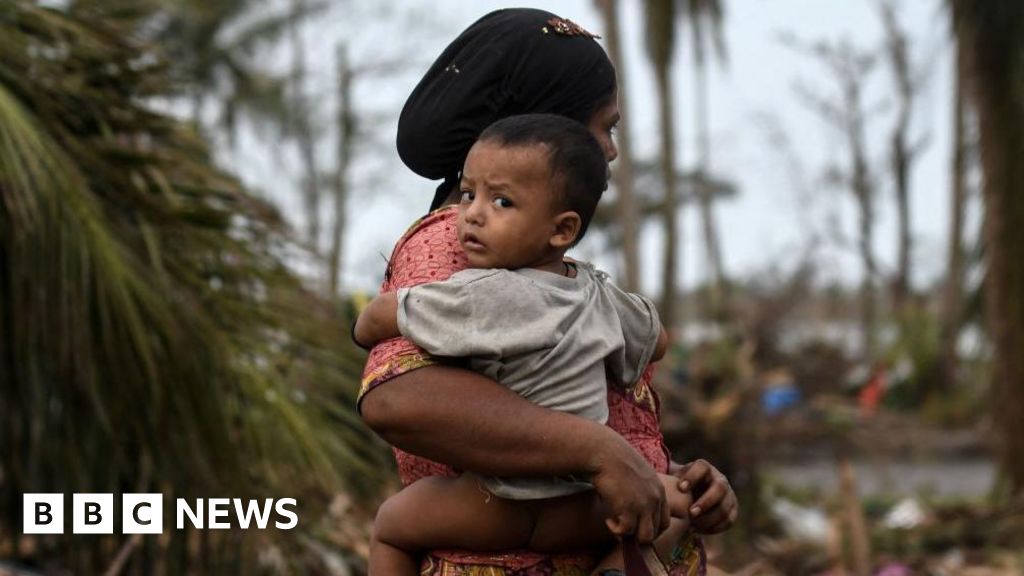
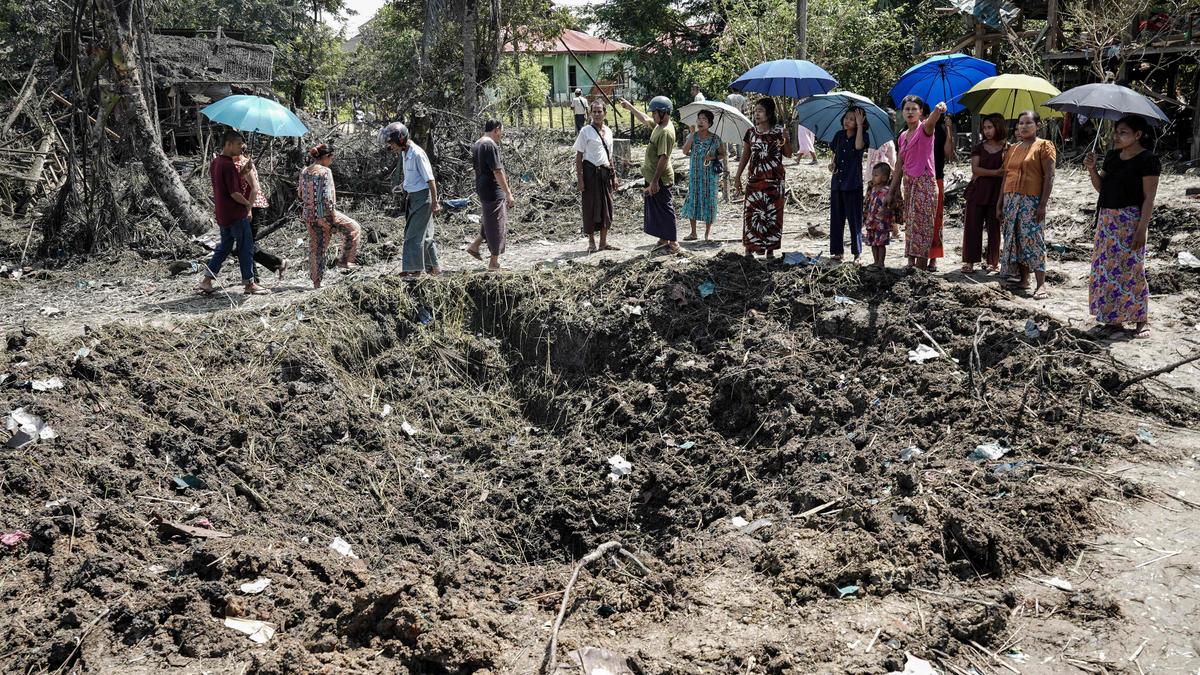
In the western reaches of Myanmar, the people of Rakhine State — both ethnic Rakhine Buddhists and Rohingya Muslims — are staring down the barrel of famine. Entire towns and villages are now cut off from the outside world by a military blockade that has brought the delivery of food, medicine and humanitarian assistance to a complete standstill. These are not the chaotic conditions of war, where supply lines have simply broken down. This is a deliberate strategy — a calculated decision by the Myanmar junta to use starvation as a weapon against its own people, echoing the most chilling episodes of modern conflict.
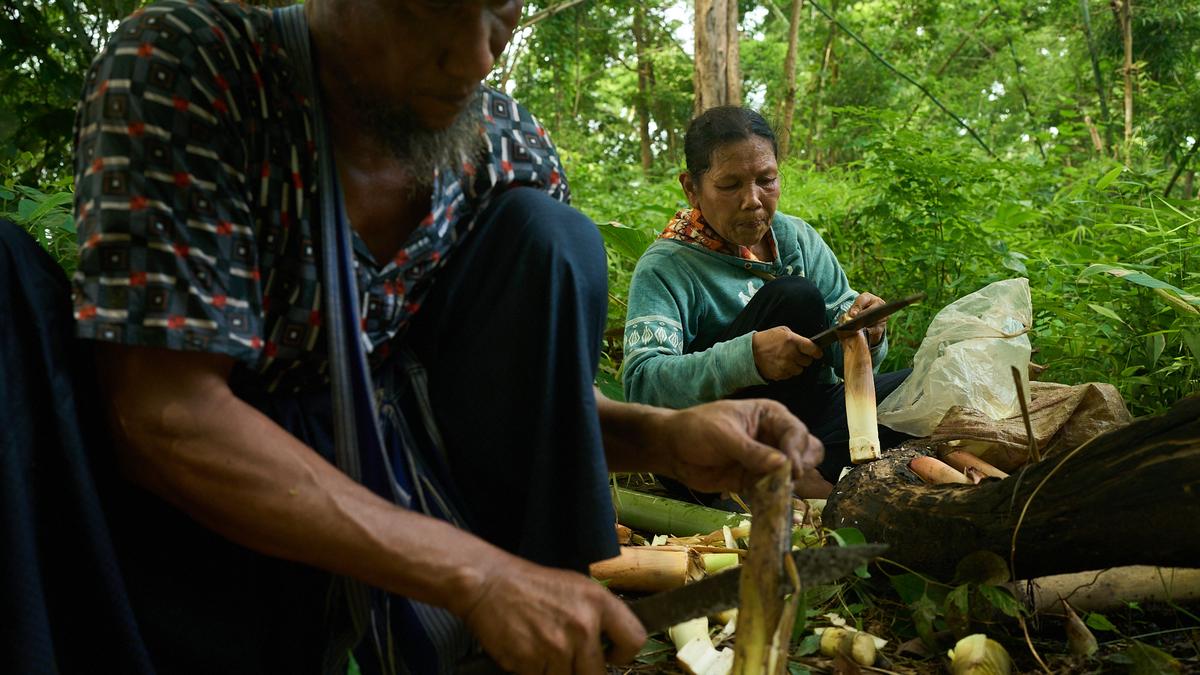
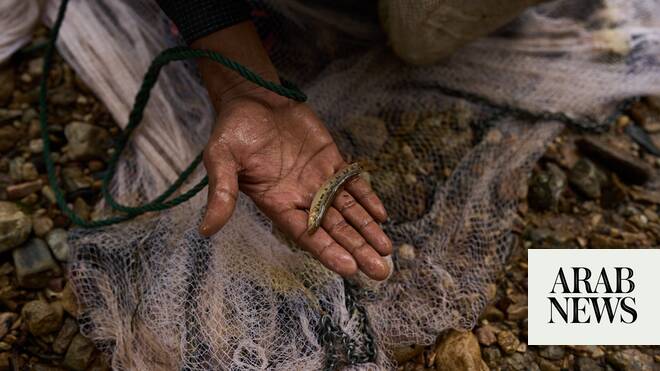
Reports describe desperate civilians living off rice husks, wild plants and whatever scraps they can barter in local markets — if they can find any at all. Aid workers have been shut out entirely. The UN, nongovernmental organizations and local charities are blocked from entering the hardest-hit areas. Hospitals are running out of even the most basic medicines. Pregnant women, children and the elderly are dying from preventable causes. Yet the world’s attention remains elsewhere, distracted by other crises.
This is not the first time Myanmar’s military has resorted to siege tactics. During the height of the campaign against the Rohingya in 2017, the army systematically destroyed food sources, razed farmland and poisoned wells to drive entire communities out of the country. What we are witnessing now in Rakhine is the same strategy repackaged — but this time the blockade affects everyone in its path, regardless of ethnicity. Starvation is being wielded not as an incidental tragedy, but as a means of control and punishment.