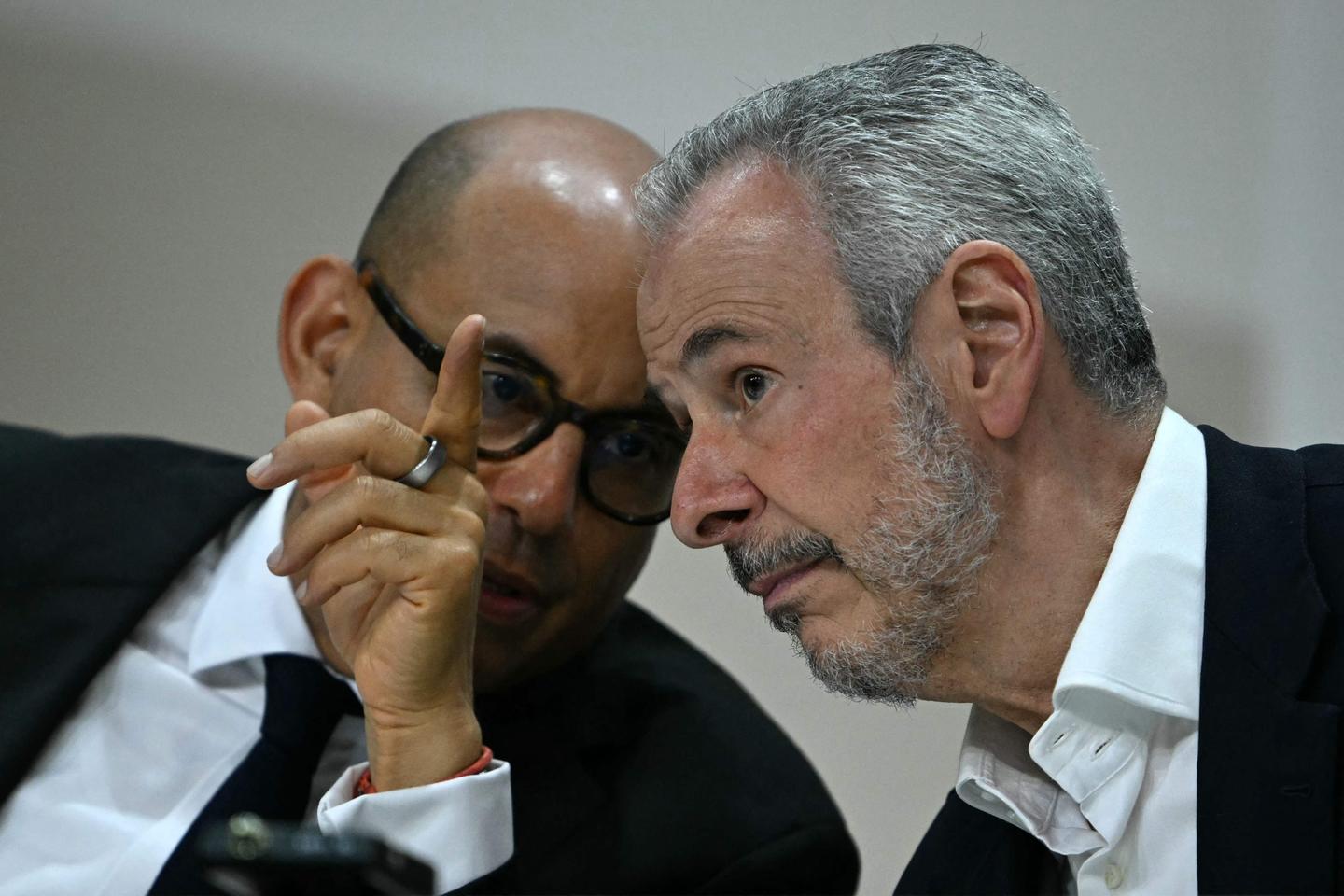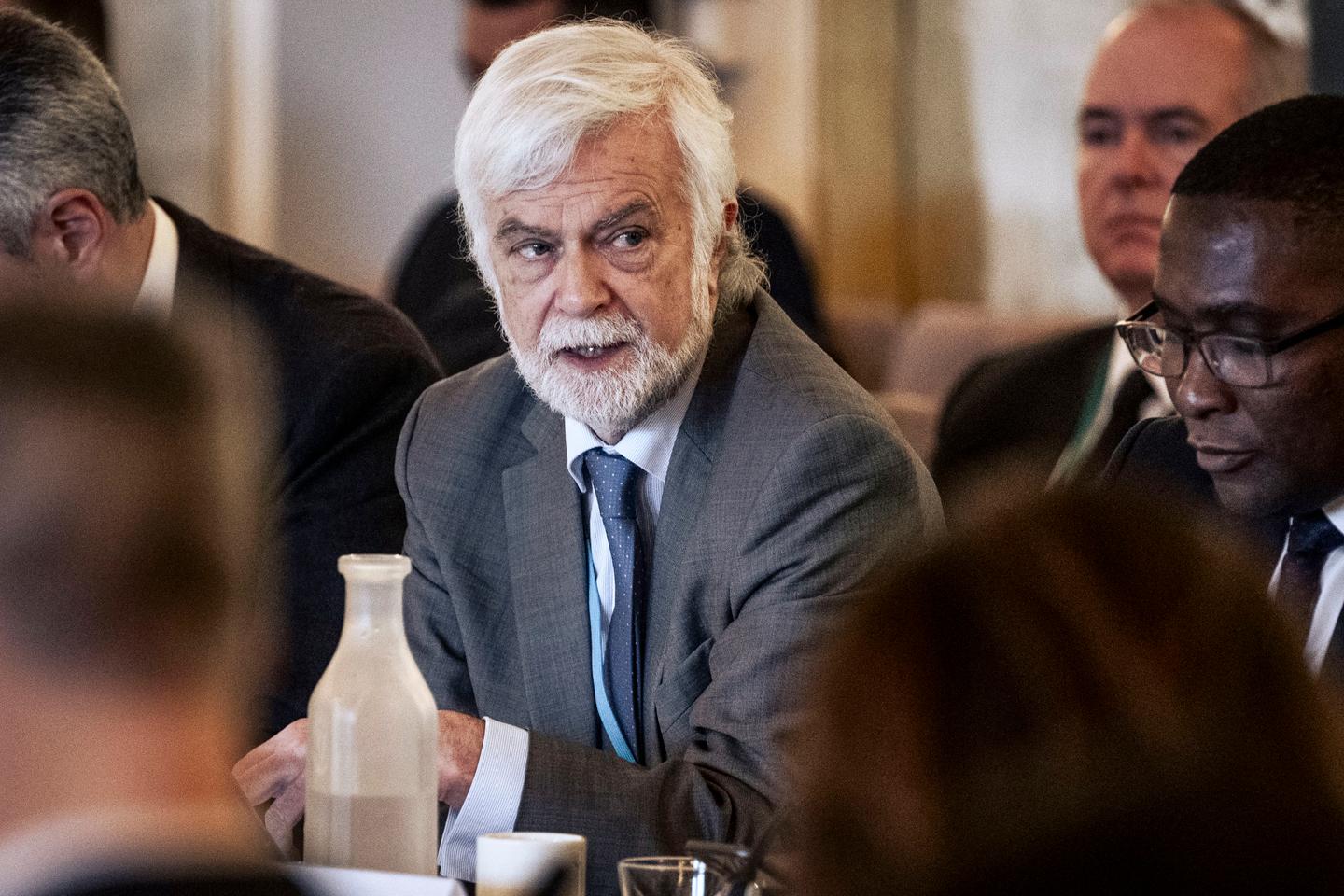
James Skea, Chair of the Intergovernmental Panel on Climate Change, speaks during a meeting for climate ministers at Marienlyst Strandhotel in Helsingoer on March 21, 2024. THOMAS TRAASDAHL/AFP
As the international climate conference (COP30) takes place in Belem, Brazil, until November 21 in a tense geopolitical context, climate science also has to contend with the strategic divisions among countries. At the end of October, member states of the Intergovernmental Panel on Climate Change (IPCC), meeting in Lima, Peru, failed to agree on the publication dates for the next assessment report. While seemingly a routine procedural matter, it in fact masks significant stakes. This was the fourth meeting in two years where talks stalled over the timeline for the United Nations institution's flagship report, which provides the most comprehensive state of climate science. The deadlock highlights the growing political attempts to influence scientific expertise.
Subscribers only
Opening day of COP30 in Belem pits tougher climate goals against funding demands
The debates, held from October 27 to 30, were marked by "difficult deliberations" where issues that once were formalities became "contentious," reported the Earth Negotiations Bulletin, the only media outlet authorized to follow the closed-door discussions. "These disagreements are unprecedented so early in an assessment cycle," the publication underscored.