Photographer Didier Bizet has spent time documenting life in the self-proclaimed autonomous republic, which is not recognised by the international community. Its status raises complex questions about the identity of its inhabitants – Ukrainians, Russians, Moldovans and Bulgarians – in a land searching for direction and lacking a clearly defined national identity
A
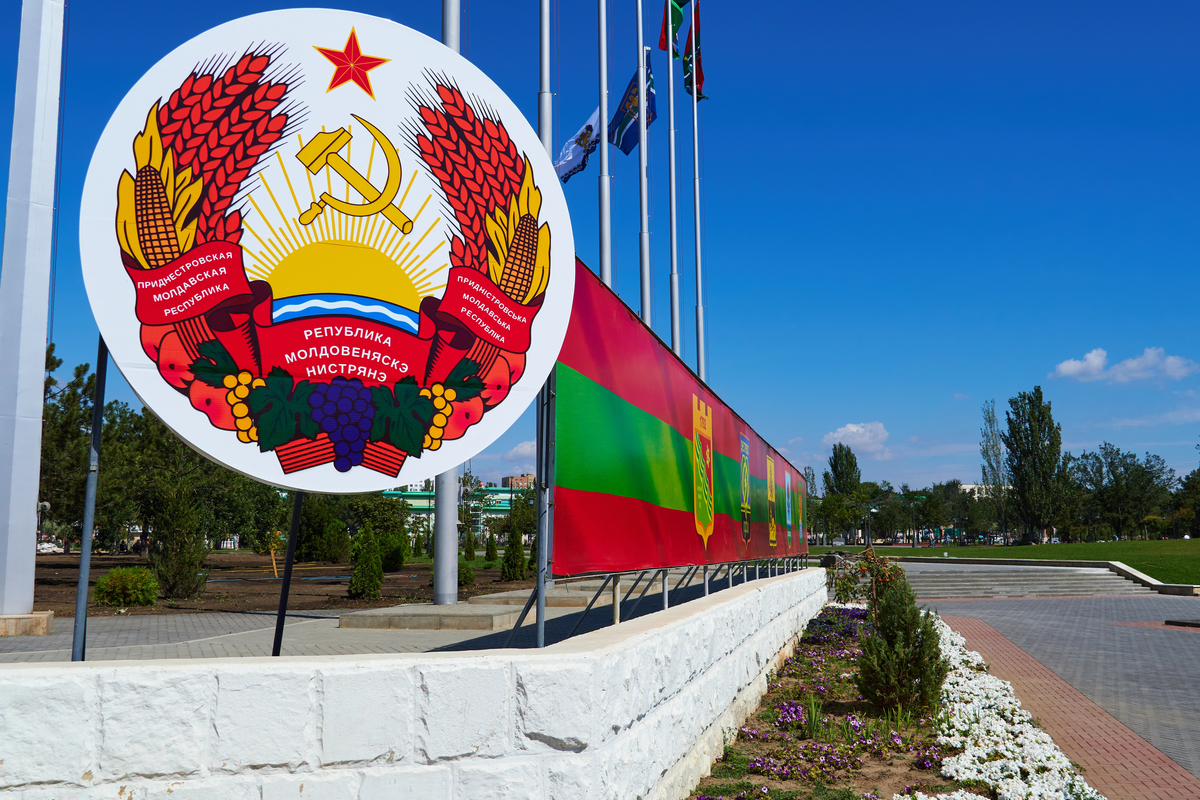
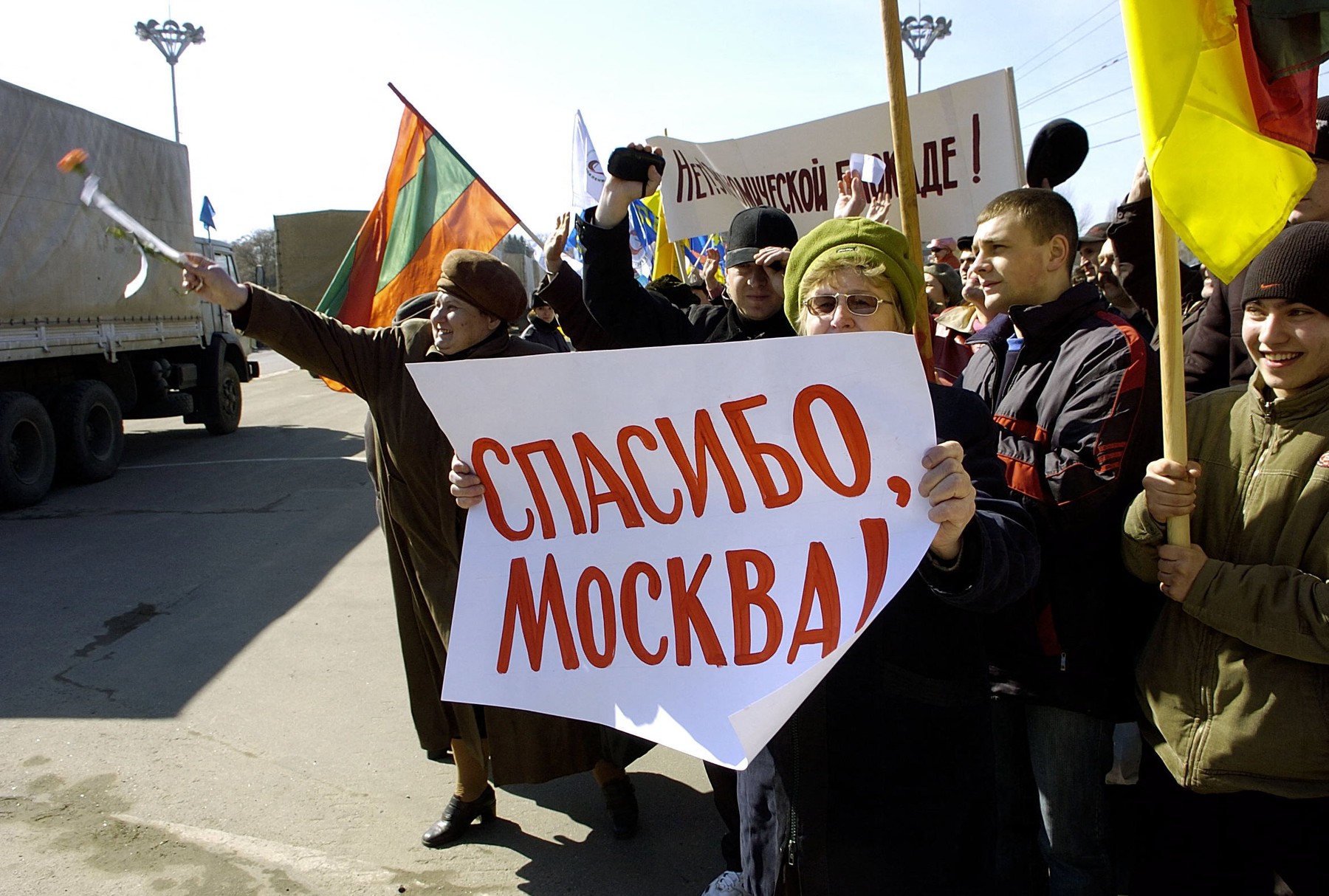
mid the ongoing war in Ukraine and between the fragile borders that crisscross the former Soviet Union, the self-proclaimed Republic of Transnistria, which broke away from Moldova more than 30 years ago after a brief but bloody conflict, remains locked in deep political and diplomatic isolation.
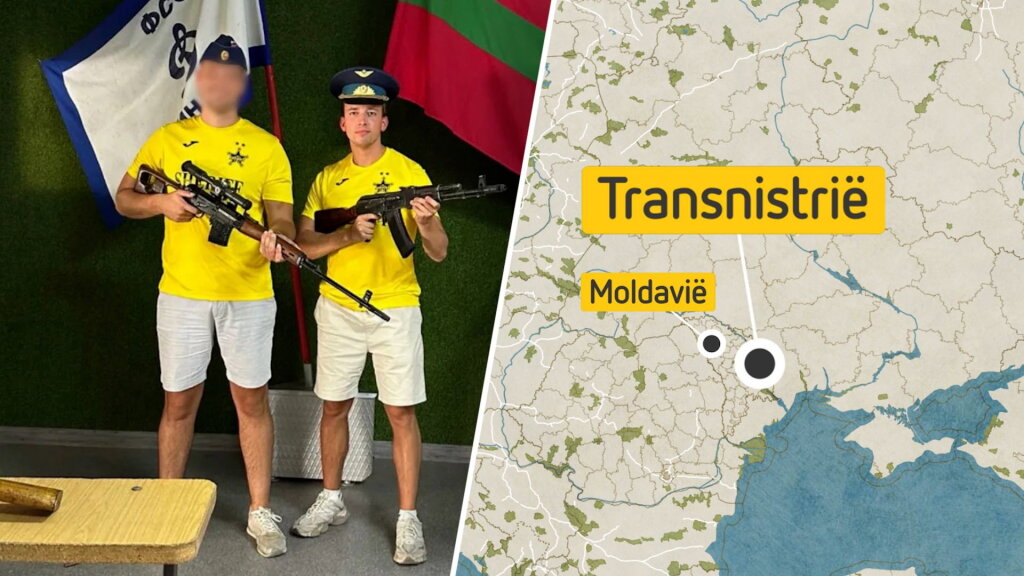
Home to about 450,000 people, Transnistria is a narrow strip of land wedged between Moldova and Ukraine, along the eastern bank of the Dniester River. Its de facto capital, Tiraspol, lies less than 60 miles from the Ukrainian port city of Odesa. Though small in size – about 125 miles long – the region holds outsized strategic importance, sitting on a key corridor between the Black Sea and central Europe.
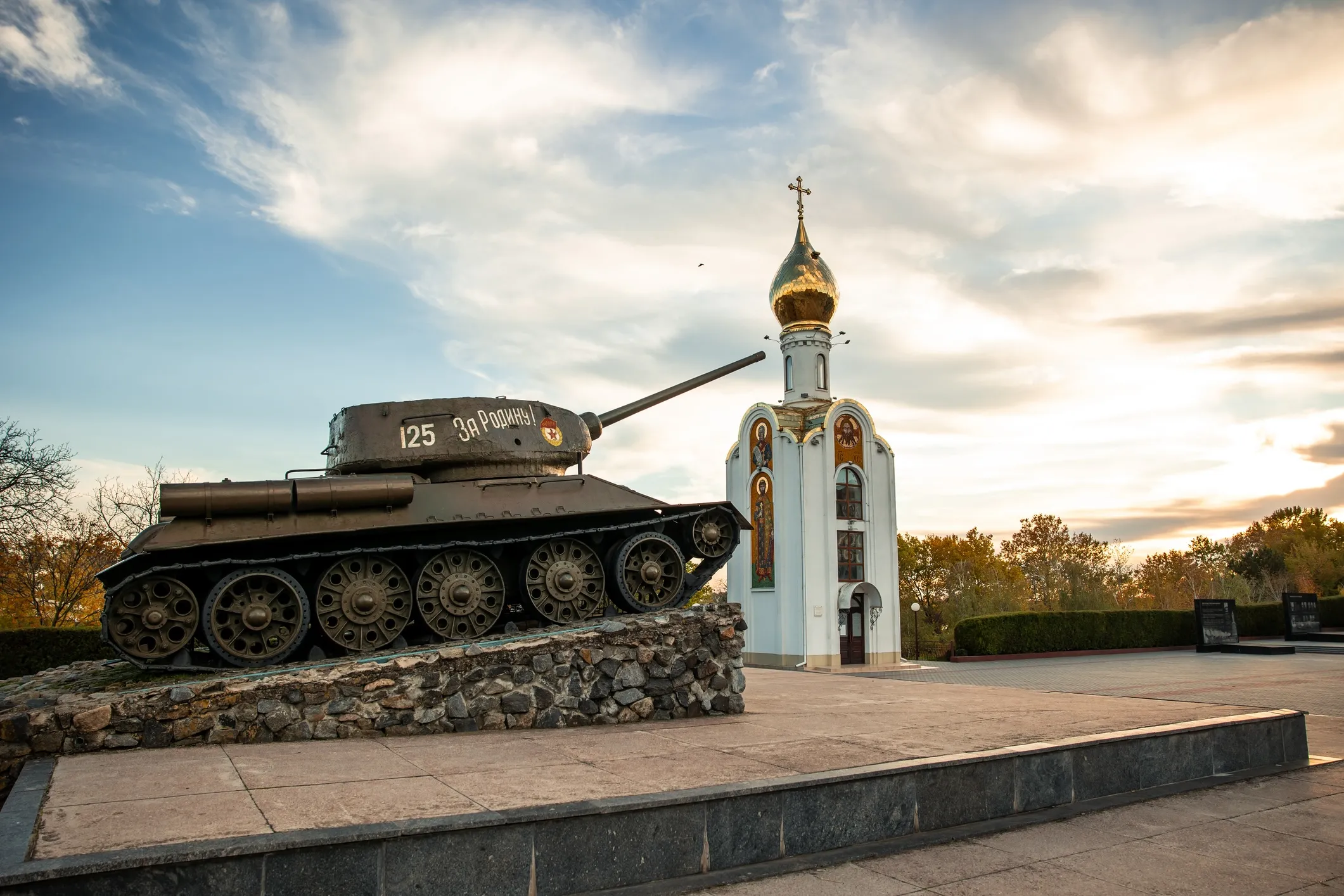
Tanks on display in the streets of Tiraspol come from the Dniester war, also known as the Transnistrian war or Moldovan civil war. This post-Soviet conflict in 1992 pitted the Transnistrian army (supported by Russia) against the Moldovan armed forces on the banks of the Dniester River. The conflict caused about 1,000 deaths.