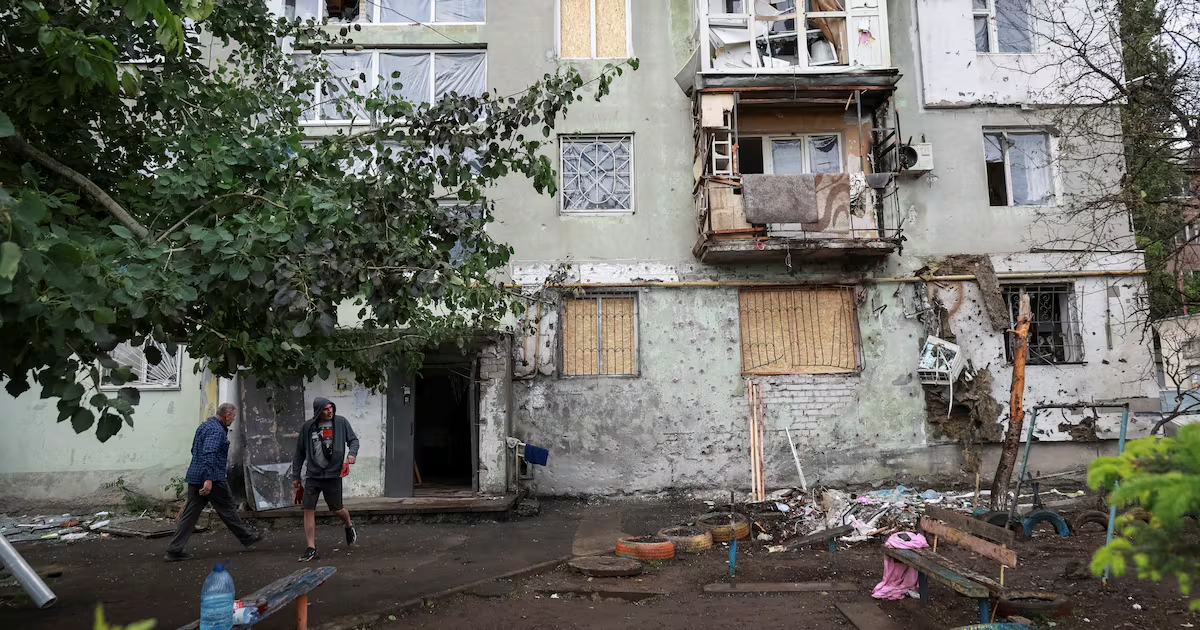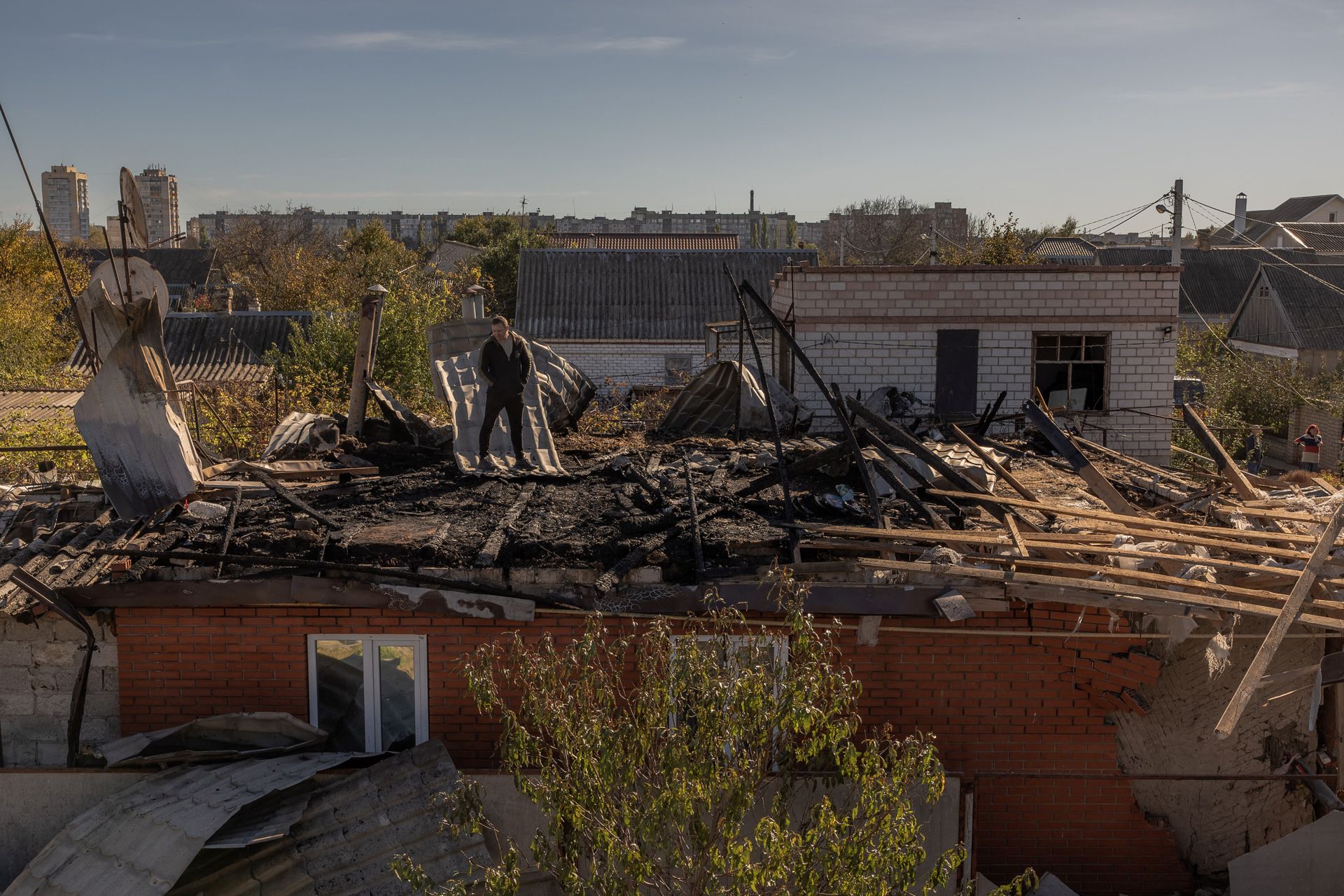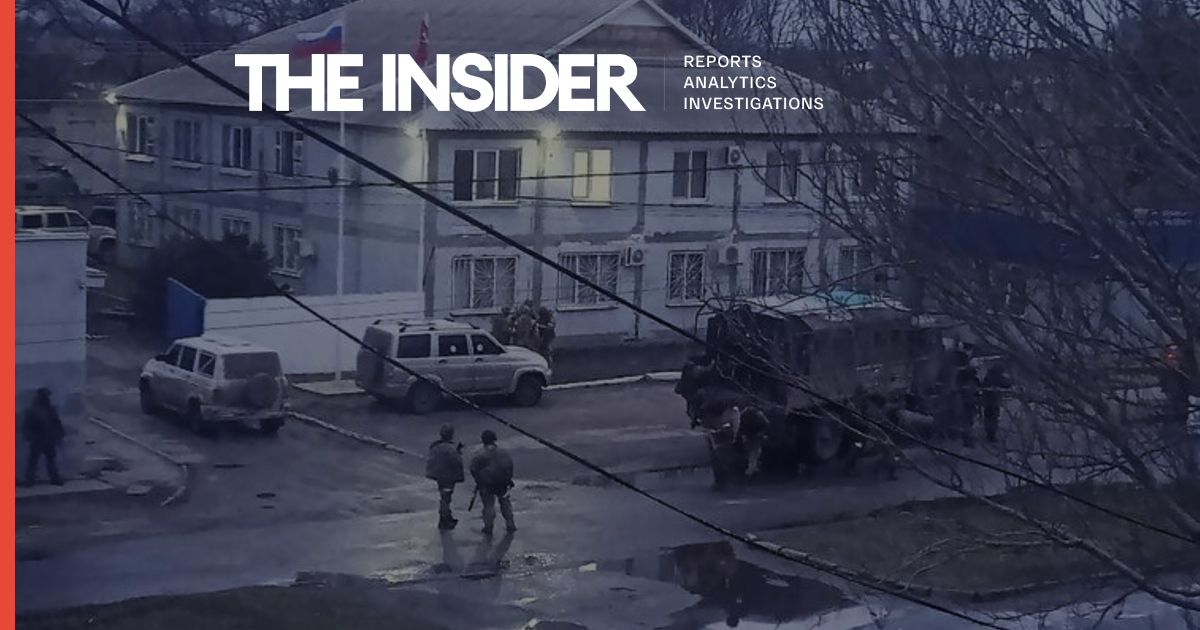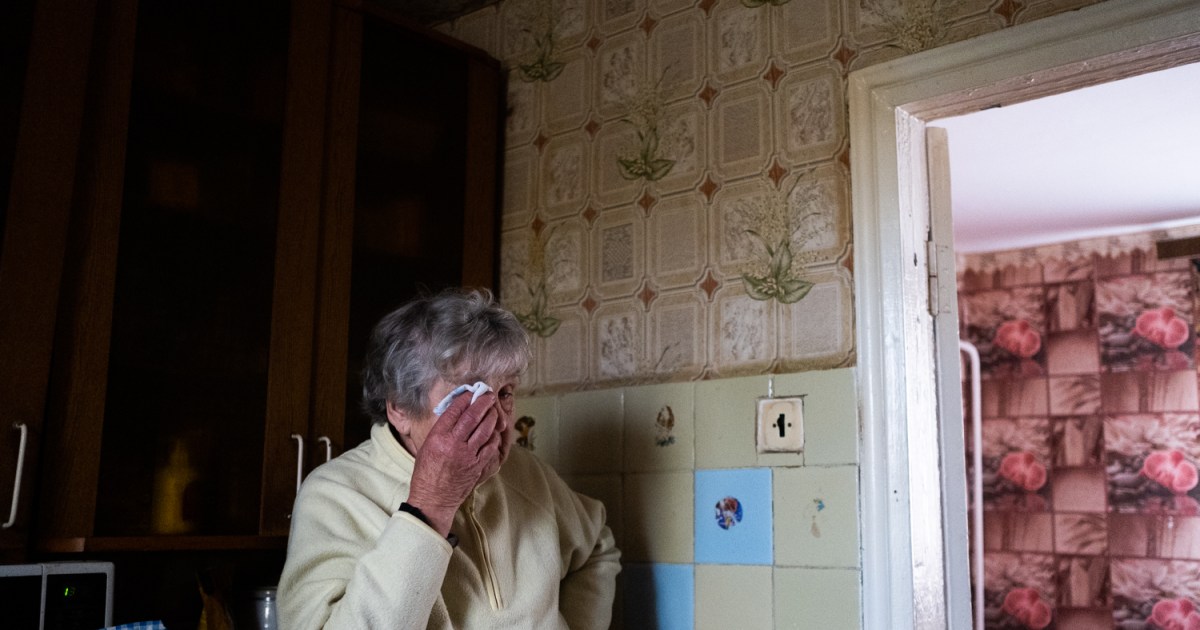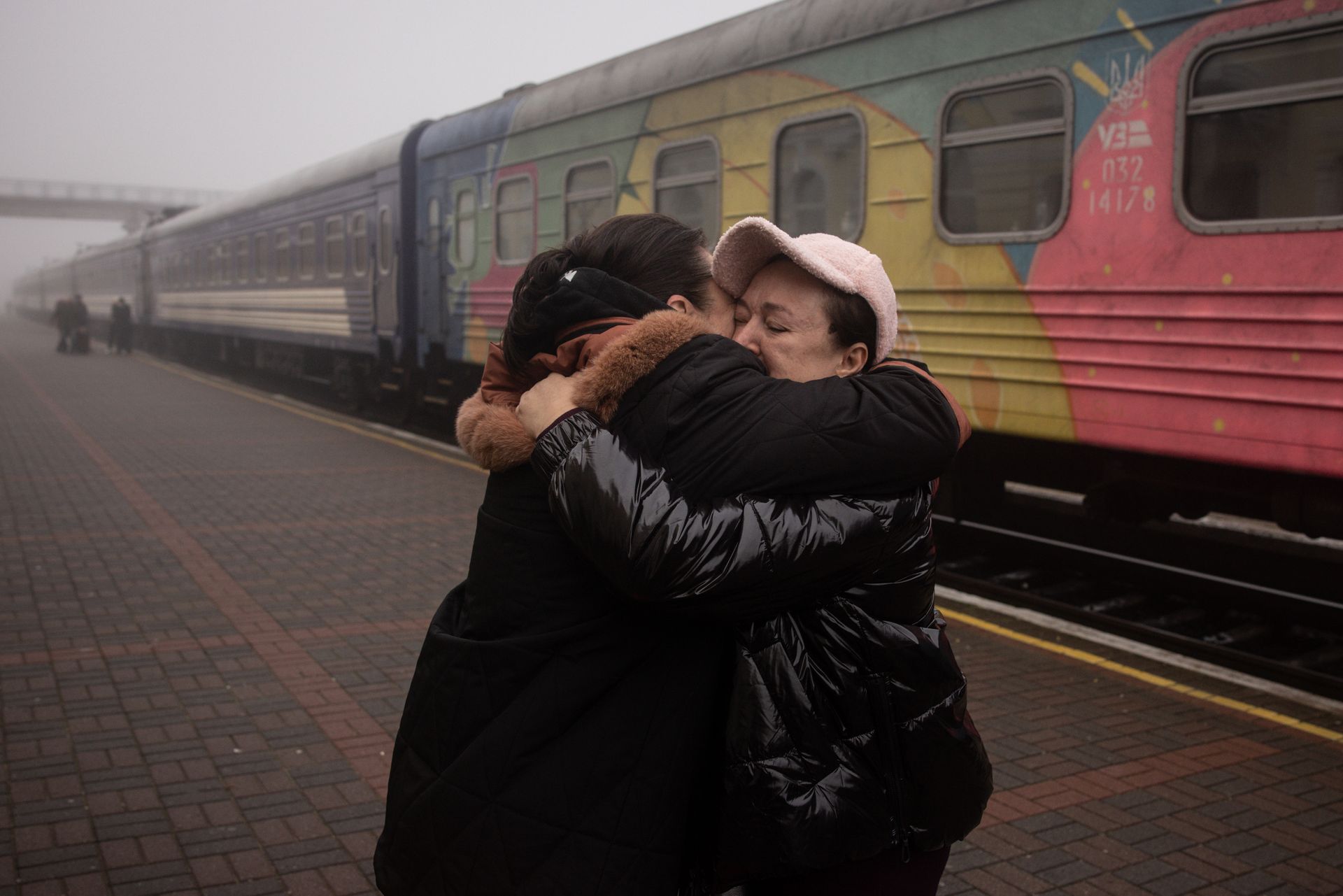
Friends hug after a train arrives in Kherson, Ukraine, on Nov. 21, 2022. (Chris McGrath / Getty Images)Some names have been changed to protect the identities of those featured in the story.After over two years of full-time reporting on the war in my country, I spent several months with the Reckoning Project, recording testimonies of alleged war crimes.I focused on forced displacement, deportation, and daily life under occupation, speaking with people who lived under Russian rule — from Crimea's annexation in 2014 to the occupation of parts of Kherson and Kharkiv oblasts in 2022.Many lost loved ones, homes, and everything they owned. They endured detention, forced transfers, violence, and immense psychological pressure.But after these conversations, I keep returning to one of the most overlooked and, in my view, cruelest effects of occupation: it deprives people of the right to choose who they are and how they live their lives.Outsiders often find it hard to understand the Russian occupation in Ukraine.From afar, occupation may seem like a temporary military event — checkpoints, soldiers, flags replaced with other flags. In practice, occupation is the systematic destruction of human agency.Everyday decisions are no longer your own: what language your child studies in school, what passport you carry, what news you can read, whether you can access healthcare, keep your property, or even remain with your family.Under occupation, life stops belonging to you."It feels like you're just trapped — like you can't breathe, like you're deprived of communication, of everything, really," says Viktoriia from Kherson Oblast. "They take everything from you, literally everything you have."Her town was captured on the first day of the full-scale invasion.A woman walks past a residential building damaged by Russian shelling in Kherson, Ukraine, on June 21, 2025. (Olexandr Kornyakov / Suspilne Ukraine / JSC "UA:PBC" / Global Images Ukraine via Getty Images)She stood in hours-long lines for bread, watched Russian soldiers search her home, take over the company she worked for, and the homes of her neighbors. Friends told her about relatives who had been imprisoned and beaten for unknown reasons, or simply disappeared.Under occupation, reality becomes dominated by fear. And fear erodes trust. Some people collaborate with Russian authorities and report neighbors they suspect of supporting Ukraine or having ties to Ukrainian forces. Since danger can come from anywhere, people isolate and start to suspect everyone around them. It feels like nowhere, and no one is safe.Fear, distrust, and confusion make it easier to force a new version of reality on people. The education system is often used to do this, starting with young children.
What I realized about life under Russian occupation as a war crimes researcher
Some names have been changed to protect the identities of those featured in the story. After over two years of full-time reporting on the war in my country, I spent several months with the Reckoning Project, recording testimonies of alleged war crimes. I focused on forced displacement, deportation, and daily life under occupation, speaking with people who lived under Russian rule — from Crimea's annexation in 2014 to the occupation of parts of Kherson and Kharkiv oblasts in 2022. Many lost lo
980 words~4 min read