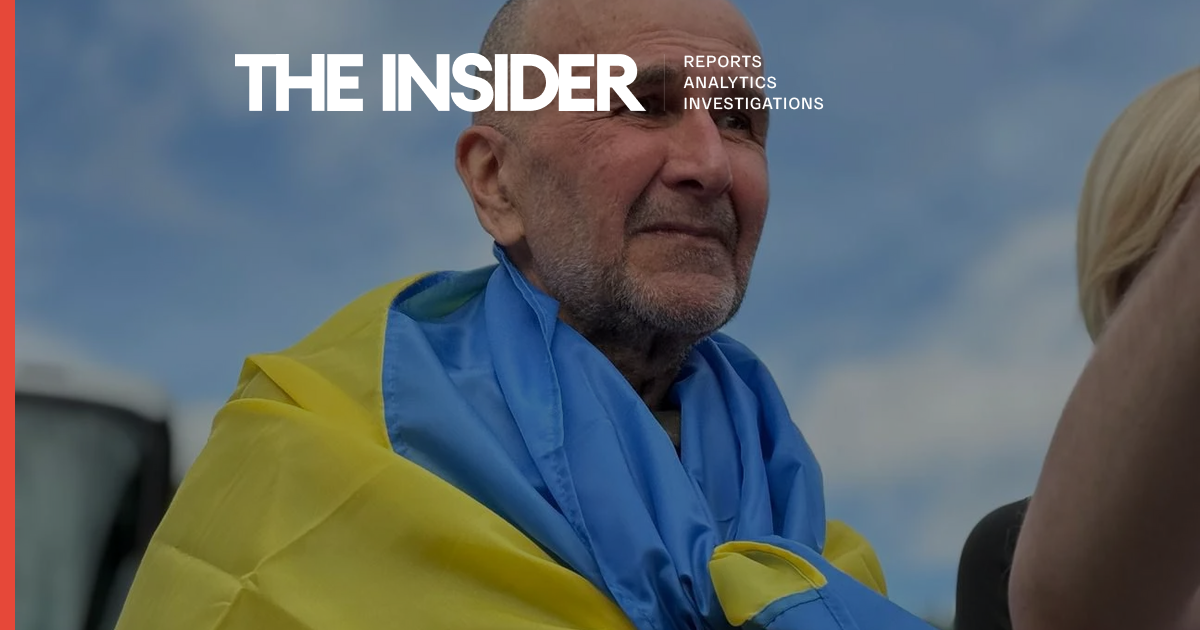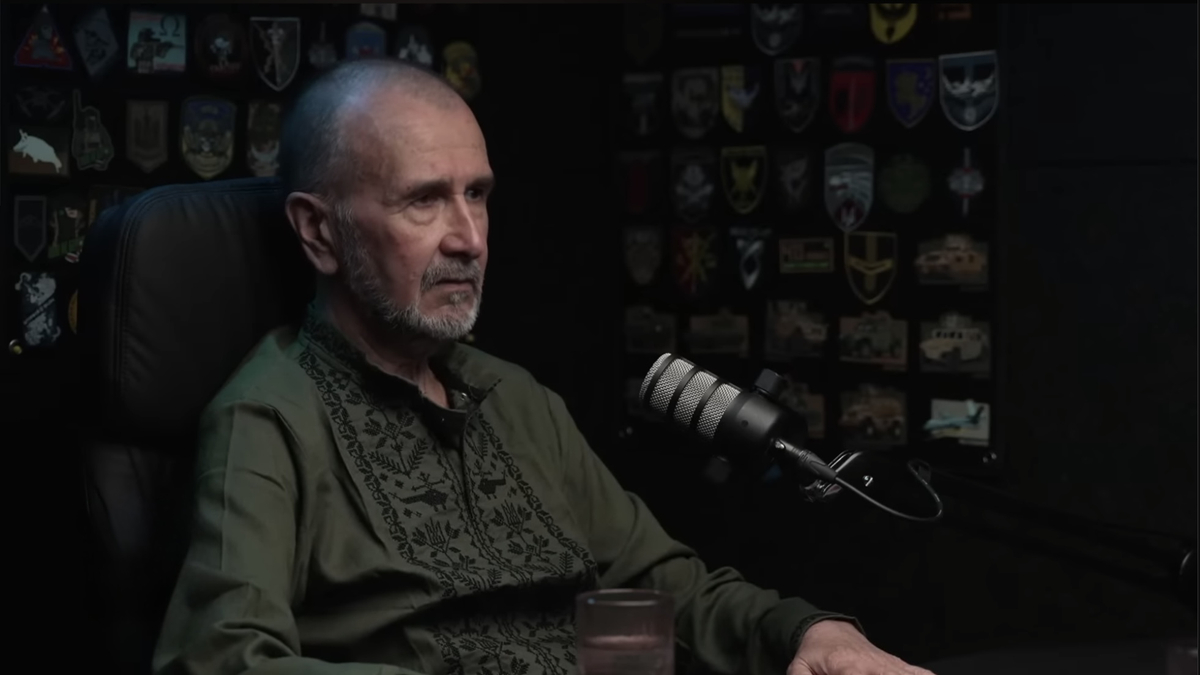
There was something striking about him. His bright eyes carried a mixture of pain and quiet resolve, almost overshadowing his still slender frame – a lingering trace of the years he had endured in Russian captivity. After a brief exchange about my own visit to Kherson, we began our conversation, which, I confess, more than once brought tears to my eyes. I met Volodymyr Mykolaienko in Kyiv where he had travelled all the way from the frontline city of Kherson especially to meet with me. The journey itself has been precarious. The night before his train has been held for four hours at a station as Russian strikes pounded the region. For a time, I wondered if we would meet at all.JOIN US ON TELEGRAMFollow our coverage of the war on the @Kyivpost_official. “How could I not make it?” he asked rhetorically as he walked in the next morning. “When someone comes here to tell our story?” For Volodymyr, the war did not begin in 2022. Like many Ukrainians, his story stretches back to the upheavals of 2014 and the Revolution of Dignity when he, like thousands of others, stood on Kyiv’s Maidan as the country fought for his future. Years later when Russian forces swept into Kherson in the opening days of Russian invasion of Ukraine, they assumed the city would fall. Instead, it resisted. “They thought Kherson would accept them,” he said. “But people came out into the streets, unarmed, with Ukrainian flags. They showed that this city would not surrender.” It was that atmosphere of quiet defiance.
Torture and Resistance: Former Kherson Mayor Describes Years in Russia Captivity
Volodymyr Mykolaienko, the former mayor of Kherson, spent three years in Russian captivity. He reflects on the torture he was subjected to, defiance and Kherson’s resistance.
1,571 words~7 min read