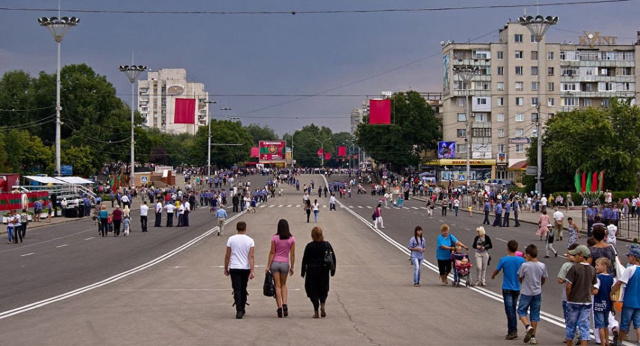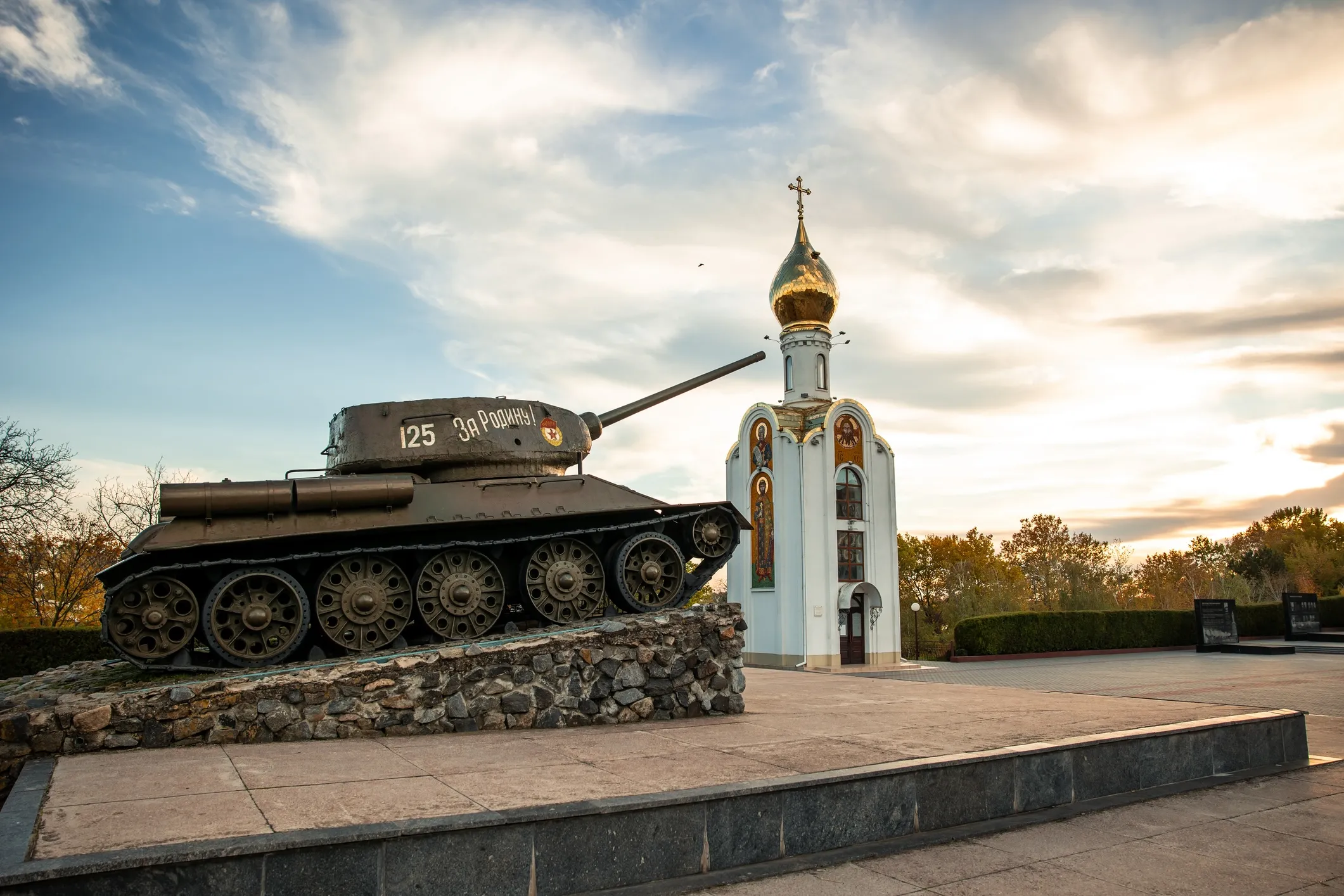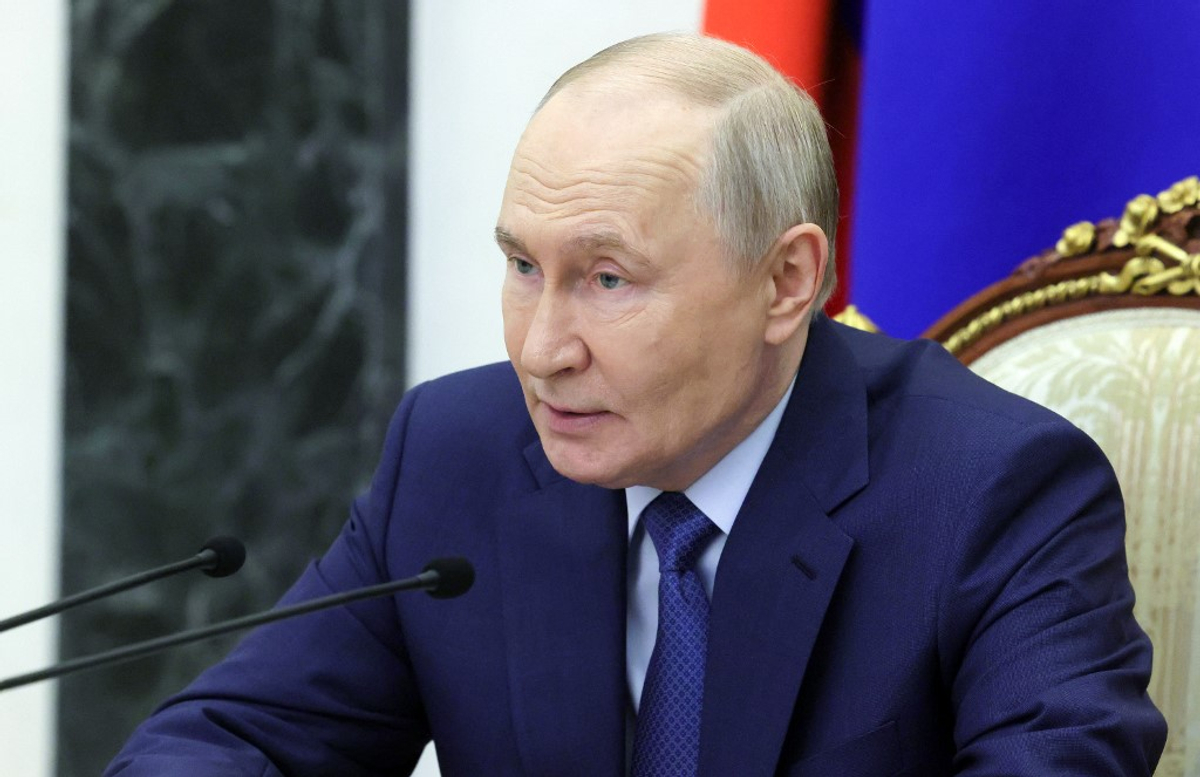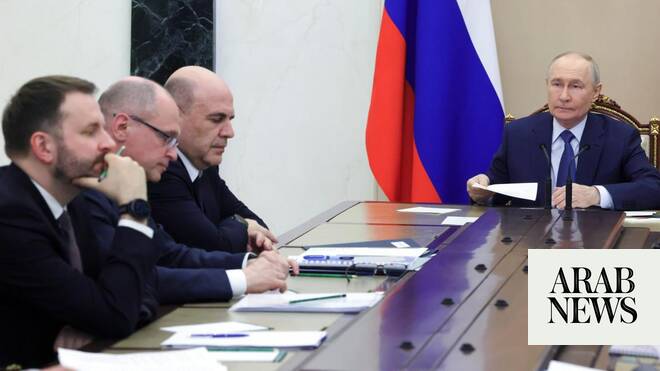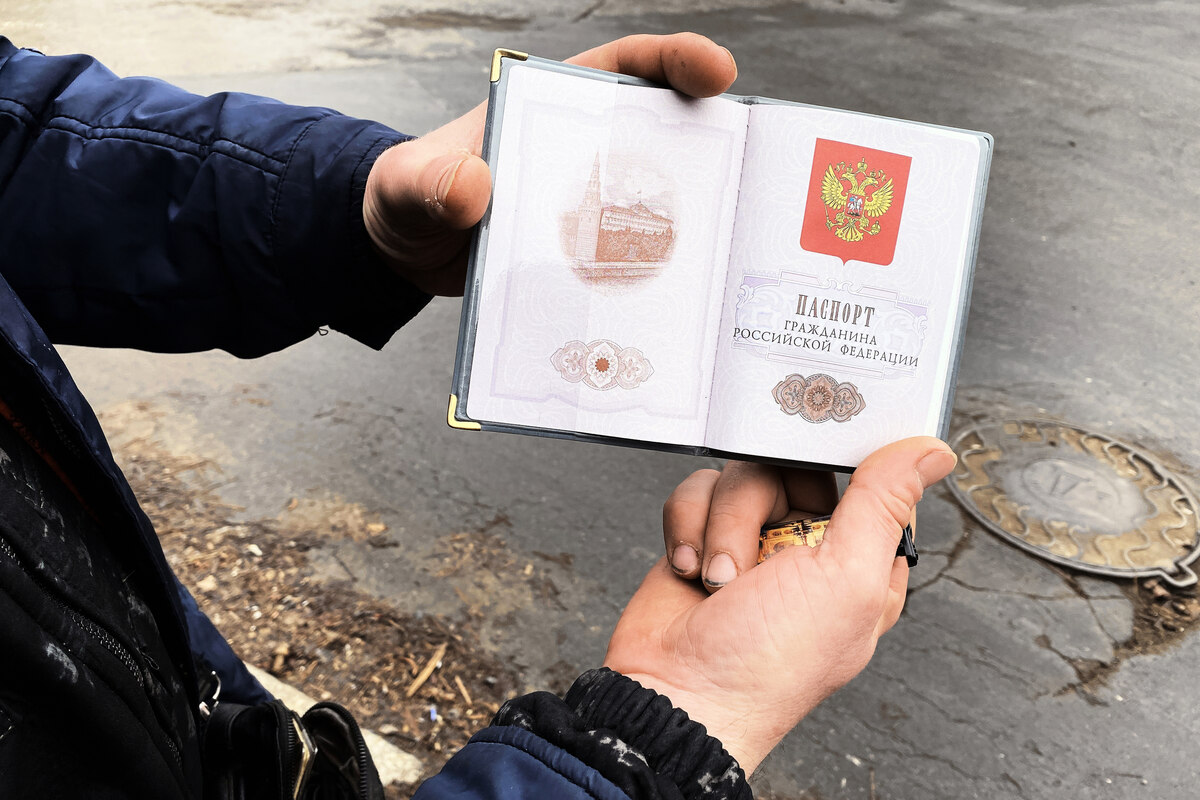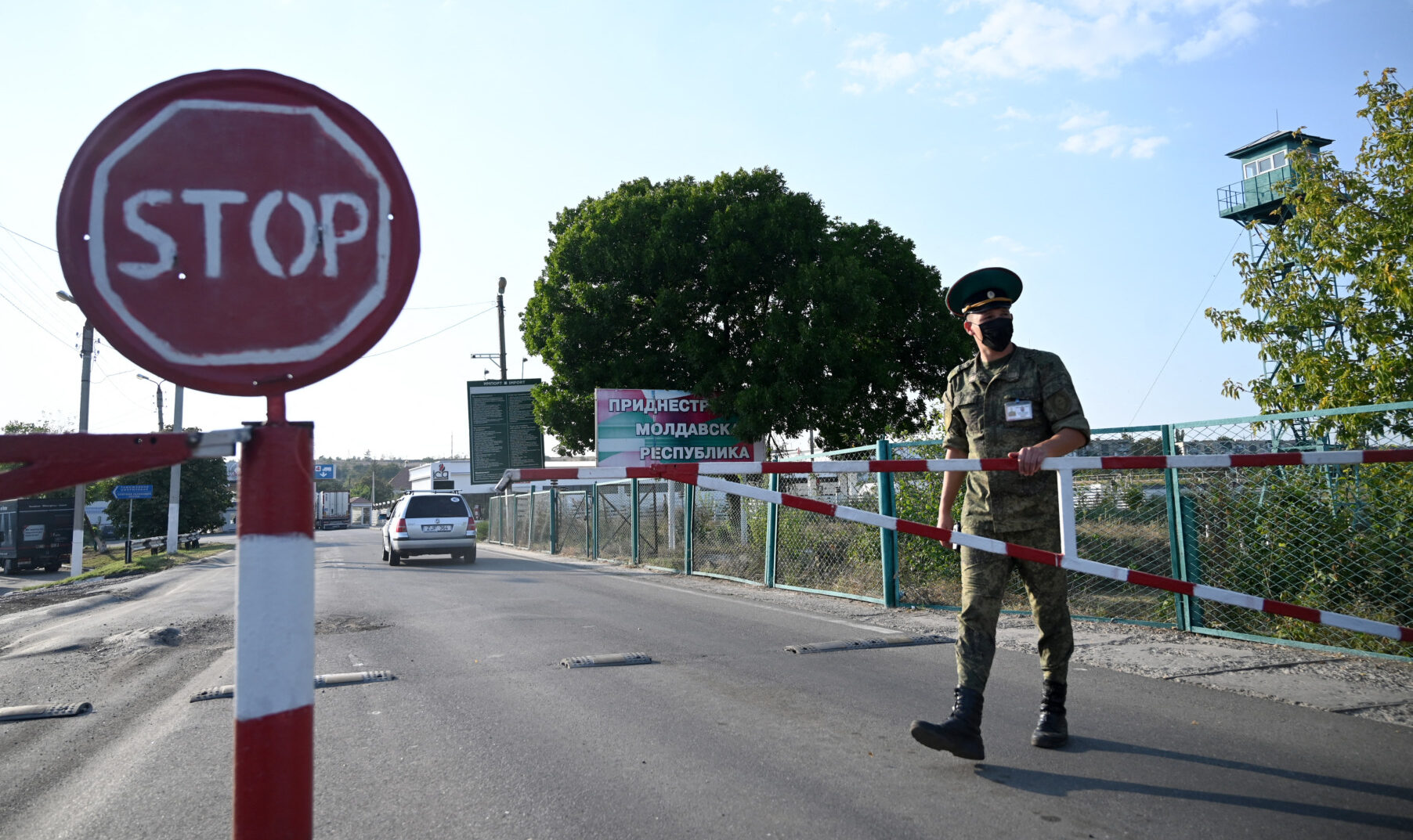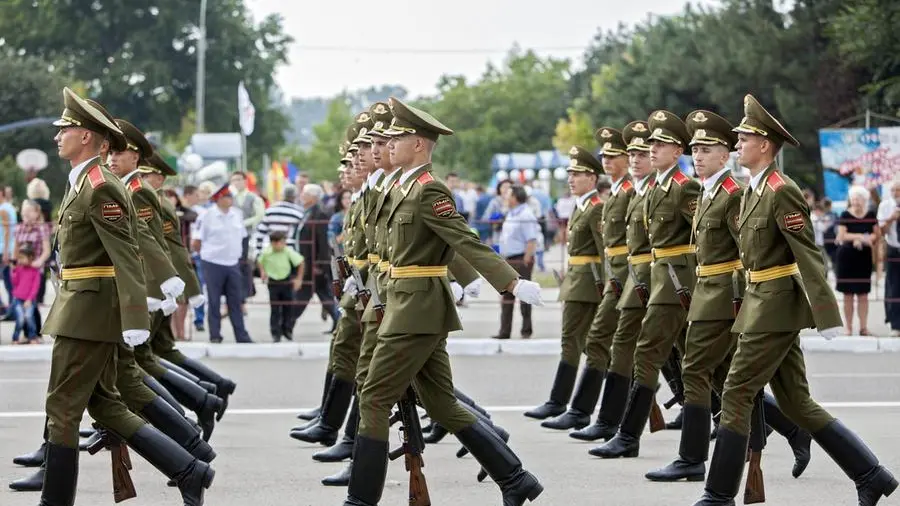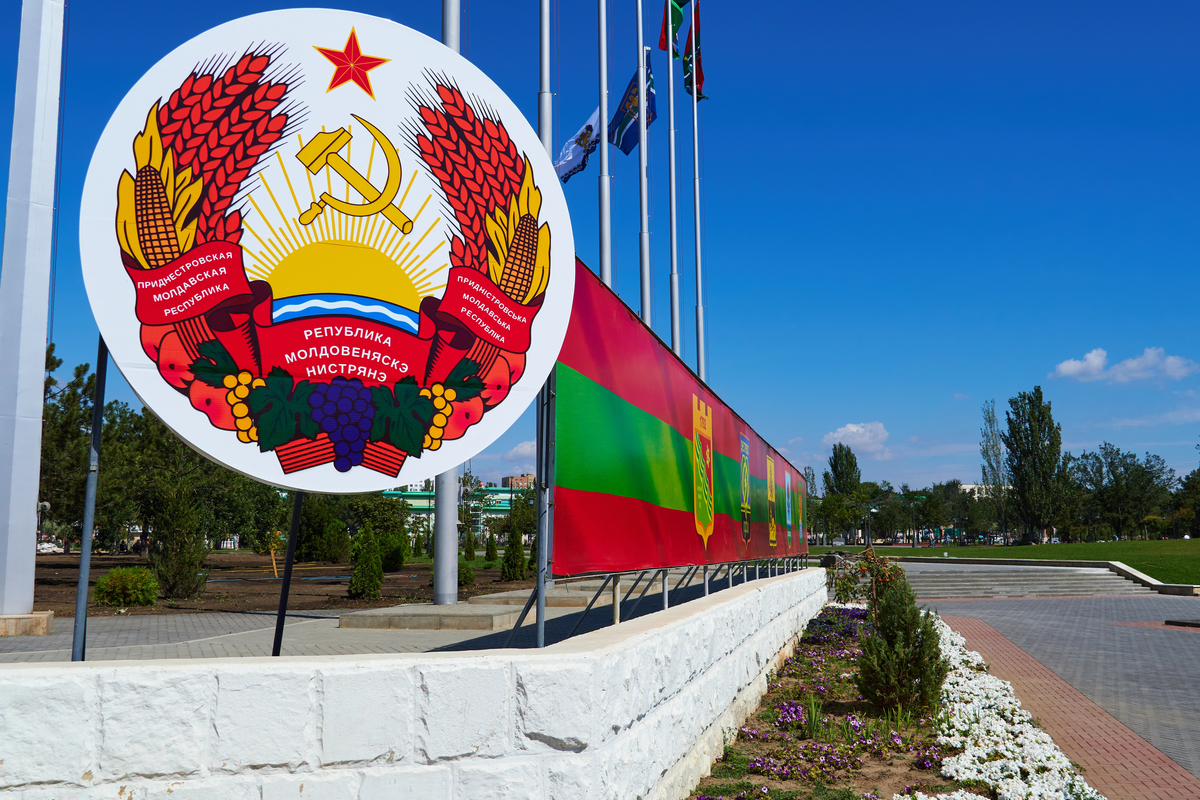
As Russia’s war against Ukraine grinds on, another frozen post-Soviet conflict is quietly moving back into focus: Transnistria. The narrow separatist strip of land wedged between Moldova and Ukraine has long existed in geopolitical limbo – formally part of Moldova, effectively controlled by pro-Russian authorities and protected by a permanent Russian military presence since the early 1990s.JOIN US ON TELEGRAMFollow our coverage of the war on the @Kyivpost_official. For years, the region was treated by much of Europe as unstable, unresolved, but largely dormant. Russian ruler Vladimir Putin’s May 15 decree simplifying access to Russian citizenship for Transnistrian residents has changed that. The measure eliminates requirements such as years of residence in Russia, language exams, and testing on Russian history and legislation. Weaponizing passports Russian passportization has long functioned as a geopolitical instrument. Moscow distributes passports in territories it considers part of its sphere of influence, later invoking the need to “protect Russian citizens” as both political justification and strategic leverage – and, in some cases, as a precursor to invasion. Russia used this model in Abkhazia and South Ossetia before the 2008 war with Georgia. It repeated the strategy in occupied Donbas after 2019. Following the full-scale invasion of Ukraine in 2022, Russian citizenship became effectively mandatory across occupied territories, where residents often cannot work, access healthcare, study, or even exercise parental rights without Russian documents.
Russian Passports for Transnistrians – Big Trouble Brewing in Little Transnistria?
The Transnistrian question could well become one of the central narratives for Putin to preserve his image of a “strong leader.”
1,142 words~5 min read