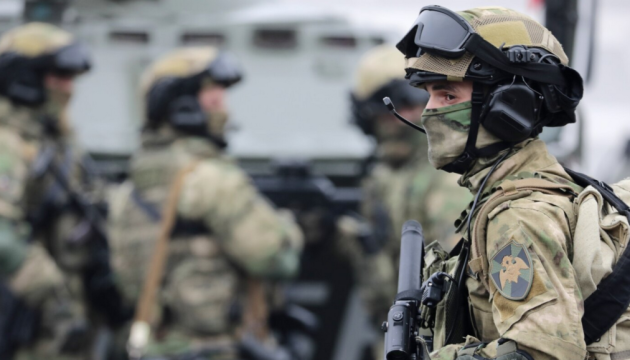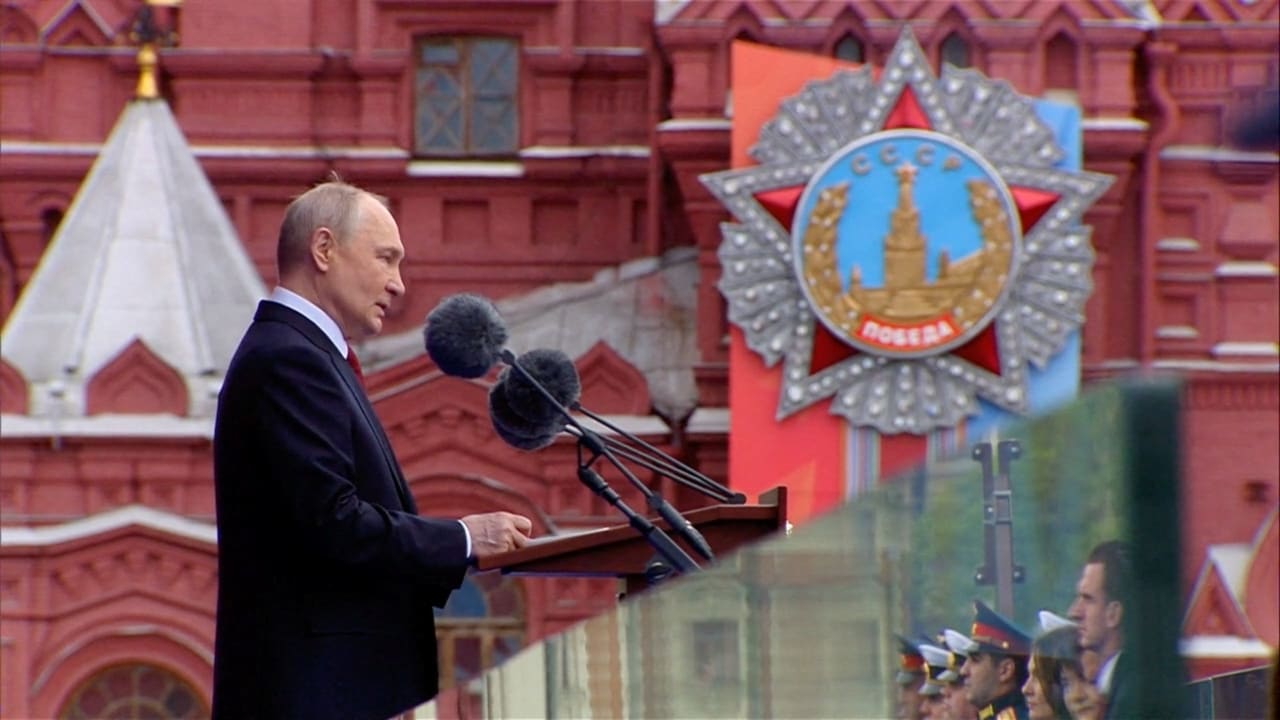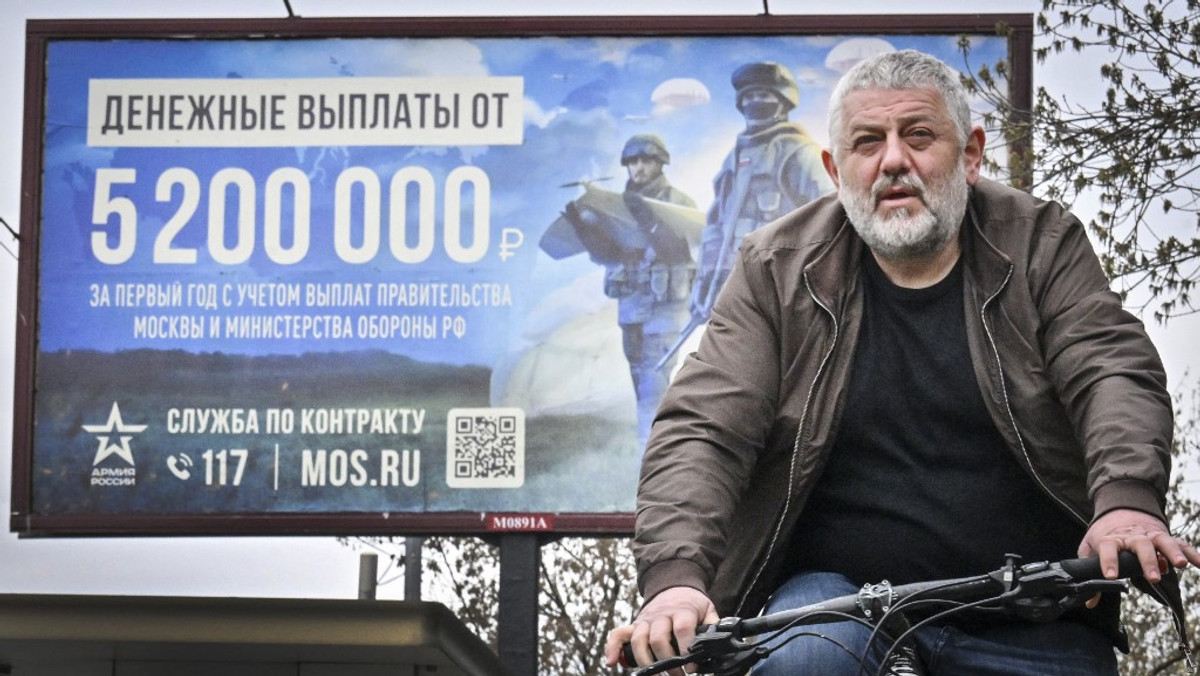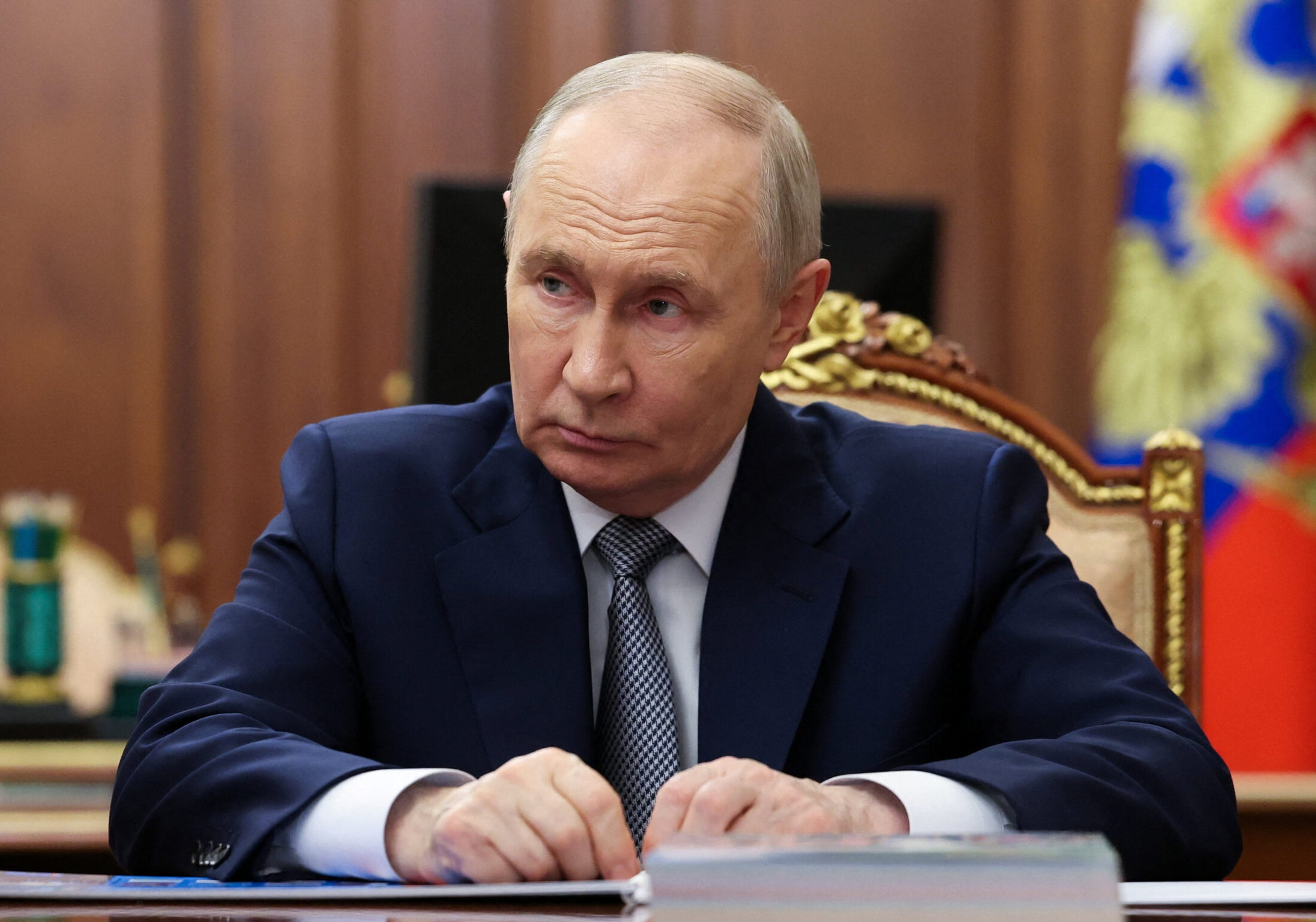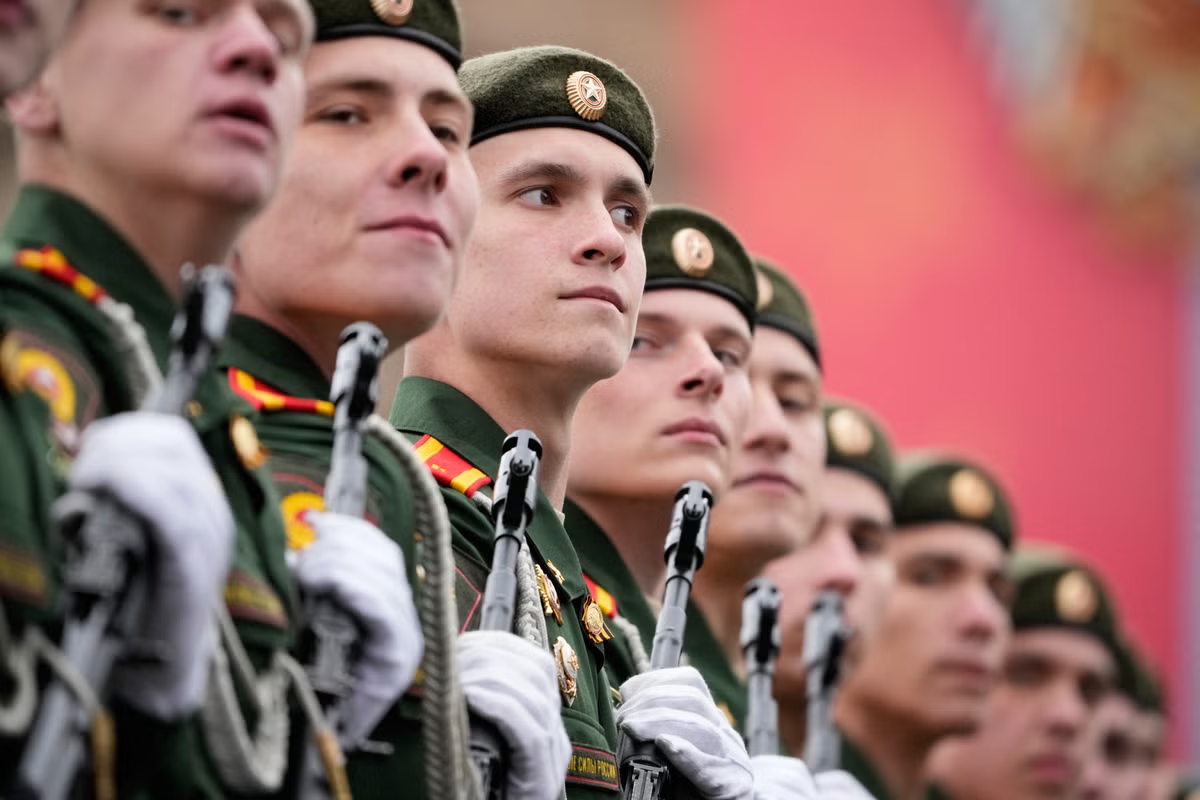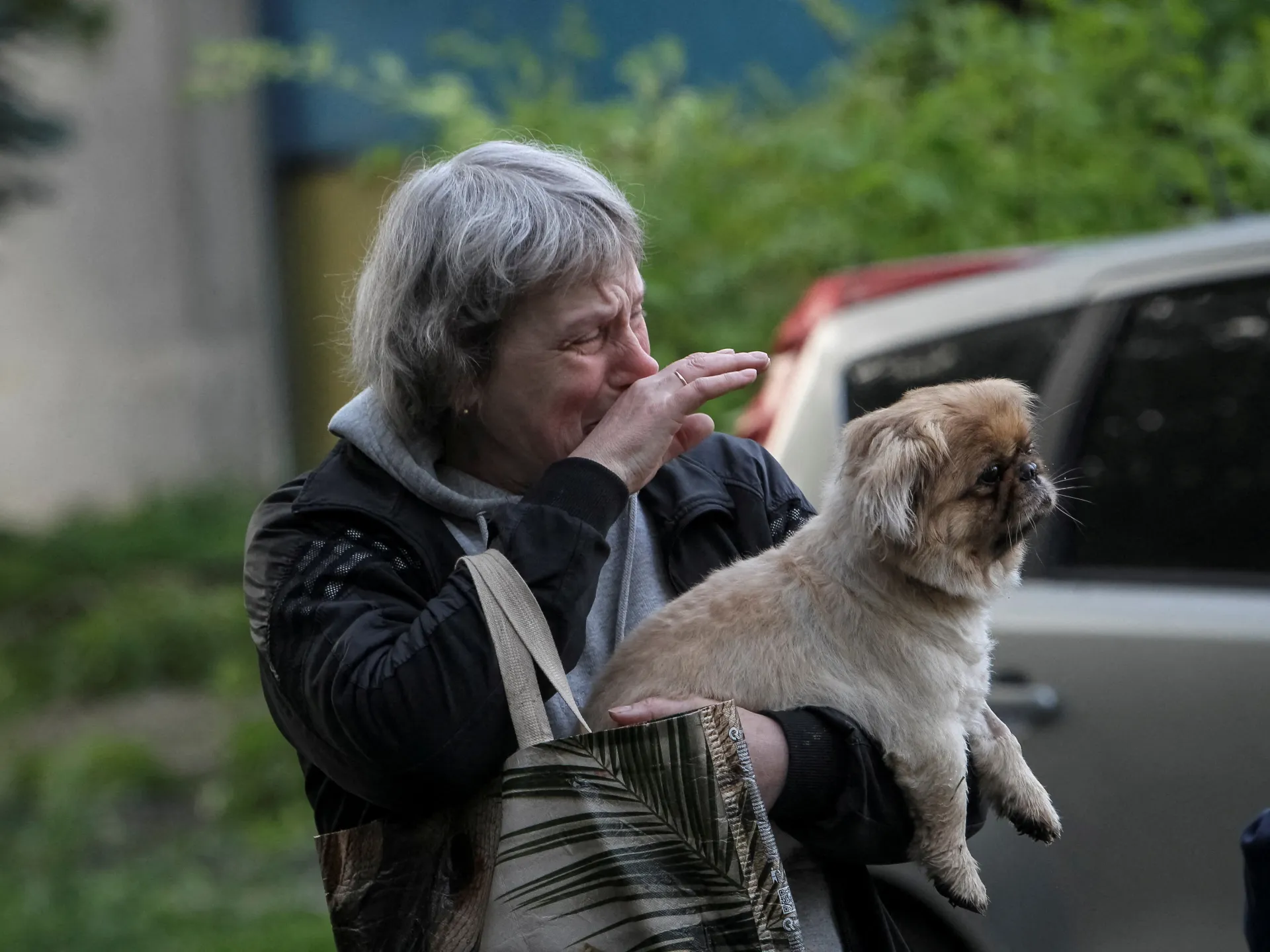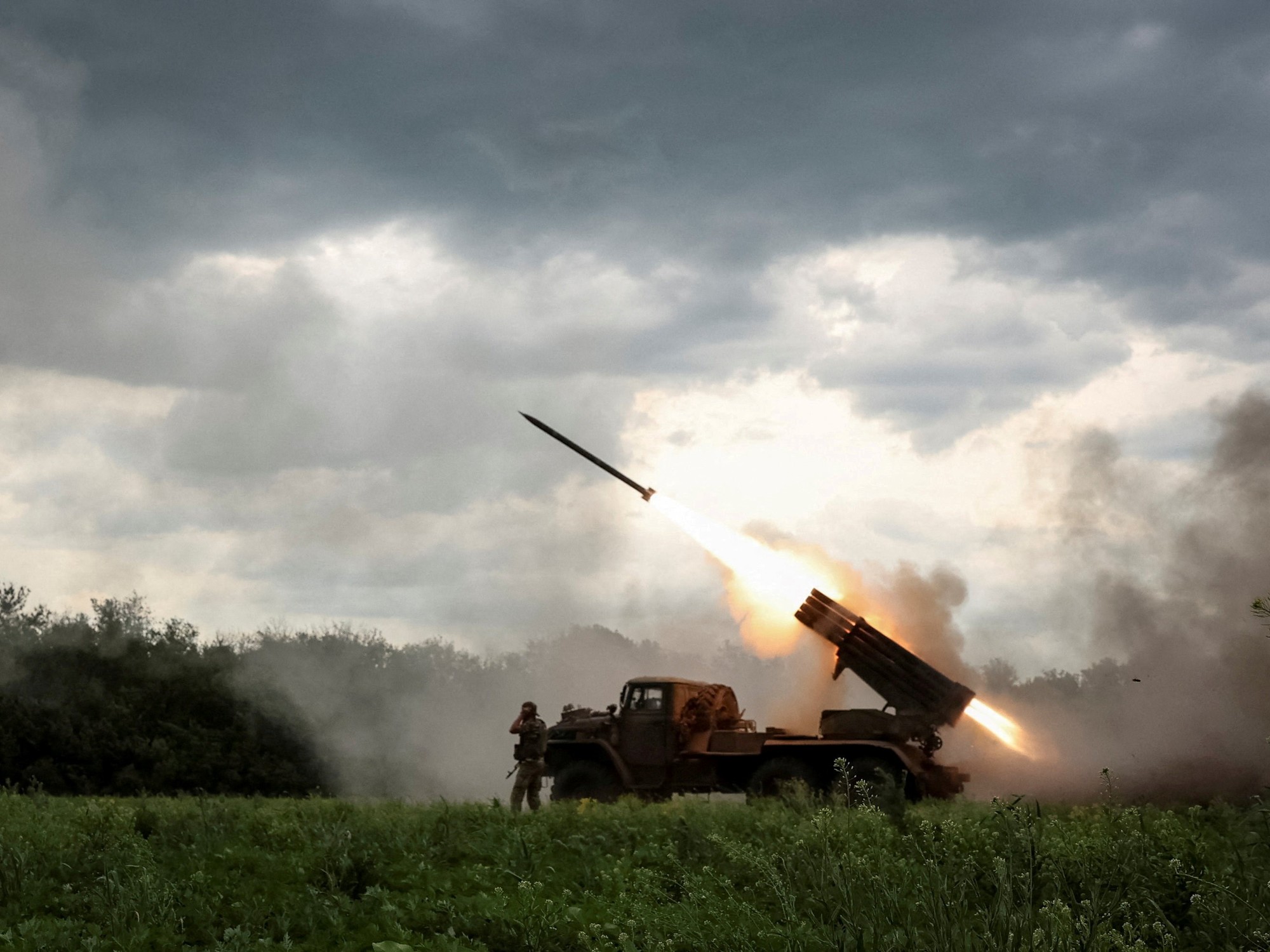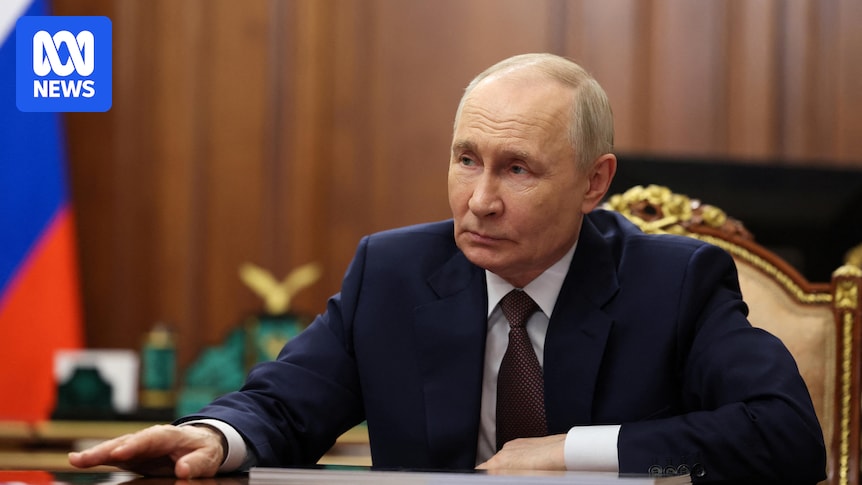
Vladimir Putin has turned to new tactics to expand Russia's military as unprecedented casualty rates continue to create challenges for the country.The Russian president has signed a decree to offer debt relief for new military recruits and is offering an easier pathway to citizenship for wannabe citizens living in Transnistria.Since the start of Russia's war in Ukraine, the Kremlin has sought to constantly replenish the depleted ranks of its military.Analysts from the Institute for the Study of War (ISW), a think tank in Washington, say Mr Putin is fighting to "maintain its force generation mechanisms to, at a minimum, replace Russia's battlefield losses"."The Kremlin is trying to expand its powers to do [a] more coercive sort of recruitment than ever before," Kateryna Stepanenko, ISW Russia team lead, said.Russian casualty figures are not made public but a study from Mediazona, an independent Russian media outlet, found that more than 350,000 Russian soldiers had been killed in Ukraine since the start of the full-scale invasion in 2022.Many experts believe the real number of Russian casualties is much higher.Russian security affairs academic at the University College London Mark Galeotti said Russia could not recruit soldiers fast enough."The financial cost is unsustainable, as is the human cost — Russia cannot replace recruits fast enough to keep the meat grinder fed," he said.Dr Galeotti suggested Mr Putin might have to resort to launch another mass mobilisation imposing conscription on Russian citizens.However, last time the Russian leader did that, back in September 2022, there was protests and unrest among the population and thousands of young men fled the country.Two of the most recent attempts to get more soldiers include financial and citizenship incentives.Debt relief for fightersEarlier this week, Mr Putin signed a decree providing debt relief to new recruits and their families, the Kremlin said.It is the most recent support tool Moscow is using to boost its army in the more than four-year-long war.People who signed a contract with the Russian defence ministry from May 1 this year will now be free from their debts of up to 10 million roubles ($195,370), the decree posted on the Kremlin's website said.It added the soldiers' spouses were able to claim the debt relief as well.New Russian soldiers can have up to 10 million roubles of debt wiped. (Reuters: Shamil Zhumatov)In order to be eligible, a new contract to join the Russian military must be signed for at least one year, the Kremlin said.The write-off is about the price of a 35 square metre studio-type apartment in Moscow, according to a Cian real estate database.On Monday, Mr Putin also signed a decree indefinitely extending rental rights for state land for those fighting in Ukraine, the Kremlin said.These new financial-based initiatives come just a month after the Russian leader sounded the alarm over a slowdown in the country's economy."Statistics show that economic growth has, unfortunately, been declining for two months in a row. Overall, GDP contracted by 1.8 per cent in January-February," Mr Putin said.He added he was expecting "proposals for additional measures aimed at resuming growth in the domestic economy".Michel Duclos, from the Paris-based Institut Montaigne think tank, said Kremlin's difficulties were clear to see."Its economy, initially stimulated by military spending, is now stagnating, even falling into recession, like that of the USSR in the past," he said.Targeting TransnistriansOn May 15, Mr Putin approved new measures to allow Transnistrian citizens to gain Russian citizenship more easily.Transnistria is an independent, but unrecognised, breakaway state of Moldova that claimed independence in September 1990.It has its own currency, army and parliament but it is primarily run as a Soviet-style state.It is frequently called Europe's last communist state.The large majority of Transnistria's 470,000 people speak Russian as a first language and some 200,000 are Russian citizens, though most are also Moldovan citizens.The region is also home to a military base with 1,500 Russian troops.The Transnistrian coat of arms features the Soviet sickle and hammer. (Getty Images: Finnbarr Webster)The new decree signed by the Russian president will allow permanent residents of Transnistria over the age of 18 to gain Russian citizenship through a simplified system that allows them to skip a lot of the of the previously rigorous process.Other countries' citizens applying for Russian citizenship have to prove their knowledge of the Russian language, history and legislation.Moldovan President Maia Sandu believes this decree is a mobilisation tool for Mr Putin to gain more soldiers for Russia's war with Ukraine."Probably they need more people to send to the war in Ukraine," she said.Ukrainian President Volodomyr Zelenskyy said this was a "very specific step" of Russia recruiting further afield."It means not only that Russia is looking for new soldiers in this way, because citizenship implies military obligations. It is also Russia designating the territory of Transnistria as effectively its own," he said.Volodomyr Zelenskyy says Russia is looking to recruit soldiers from Transnistria. (Reuters: Liesa Johannssen)Russia says this change in Transnistria is to "protect the rights and freedoms of individuals and citizens".Ukrainian intelligence says it is unlikely that Transnistria could become a second front for the war, as Russia's military capabilities in the region remain limited.However, the move could serve as a destabilisation mechanism allowing Russia to target southern Ukraine through false flag and hybrid operations.Dr Galeotti theorises that both of these new recruitment efforts highlight that Russia's army is inadequately equipped."Russia's military, once believed to wield almost limitless power, has been exposed as moribund, under-equipped and riddled with corruption," he said.
Russia looks for new soldiers in Transnistria as war casualty numbers grow
The Kremlin is trying to recruit more soldiers for its war in Ukraine but an analyst says at the rate of casualties, "Russia cannot replace recruits fast enough to keep the 'meat grinder' fed."
905 words~4 min read