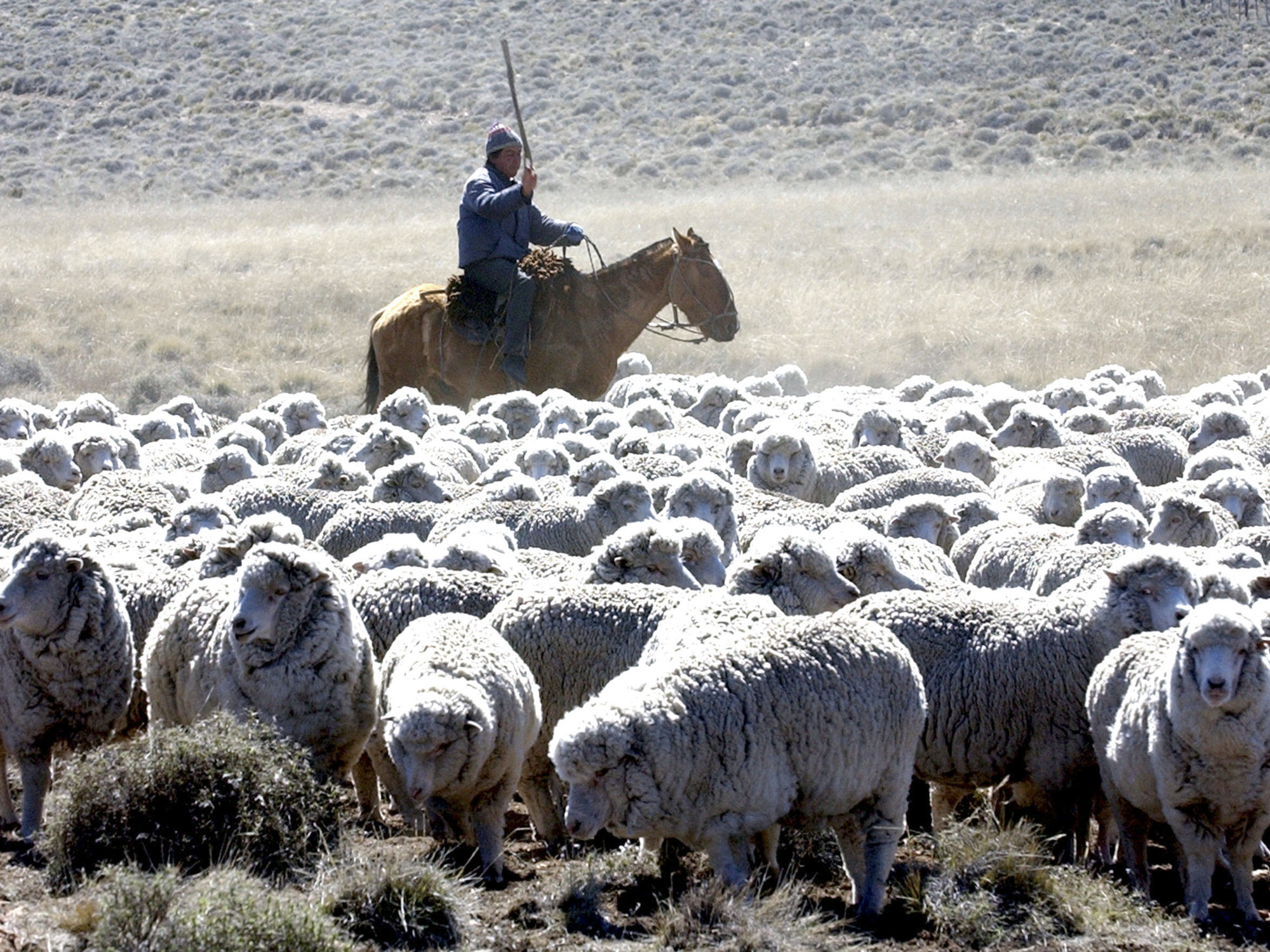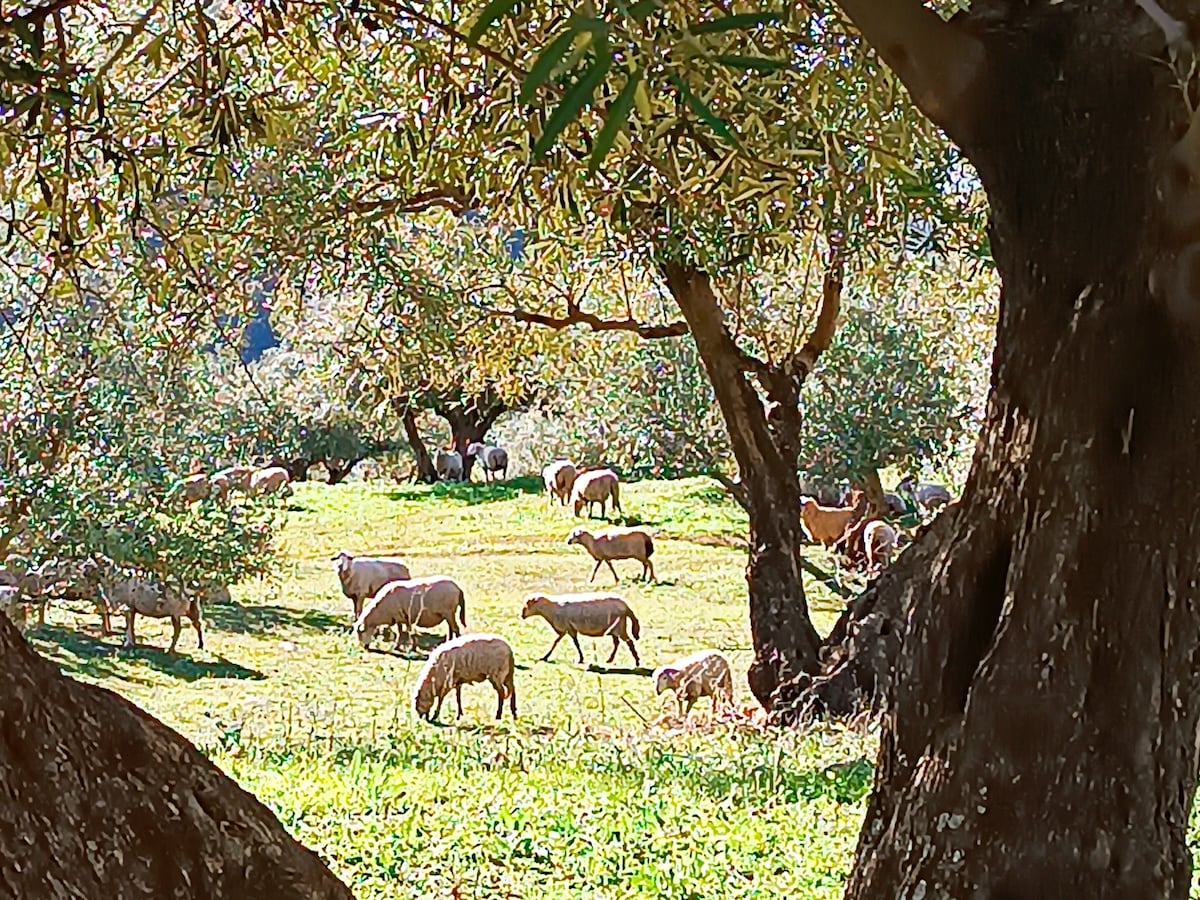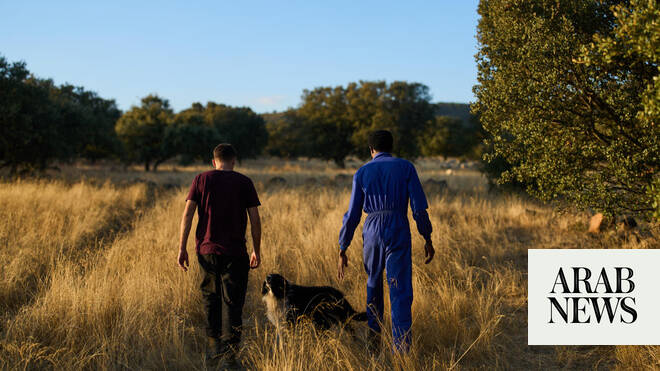
LOS CORTIJOS, Spain: The bells and bleats faded as Osam Abdulmumen, a migrant from Sudan, herded sheep back from pasture, the sun setting over a centuries-old farm in Spain’s arid heartland.
From dawn to dusk, Abdulmumen, 25, has looked over a flock of 400 animals for months in Los Cortijos, a village of 850 people in the plains of Castile-La Mancha, the region in central Spain made famous by the 17th-century classic “Don Quixote.”
Los Cortijos is among hundreds of rural villages and towns in the region coping with depopulation that has made it tough to fill a job that has existed since biblical times, but which Spaniards seldom pursue these days: shepherding.
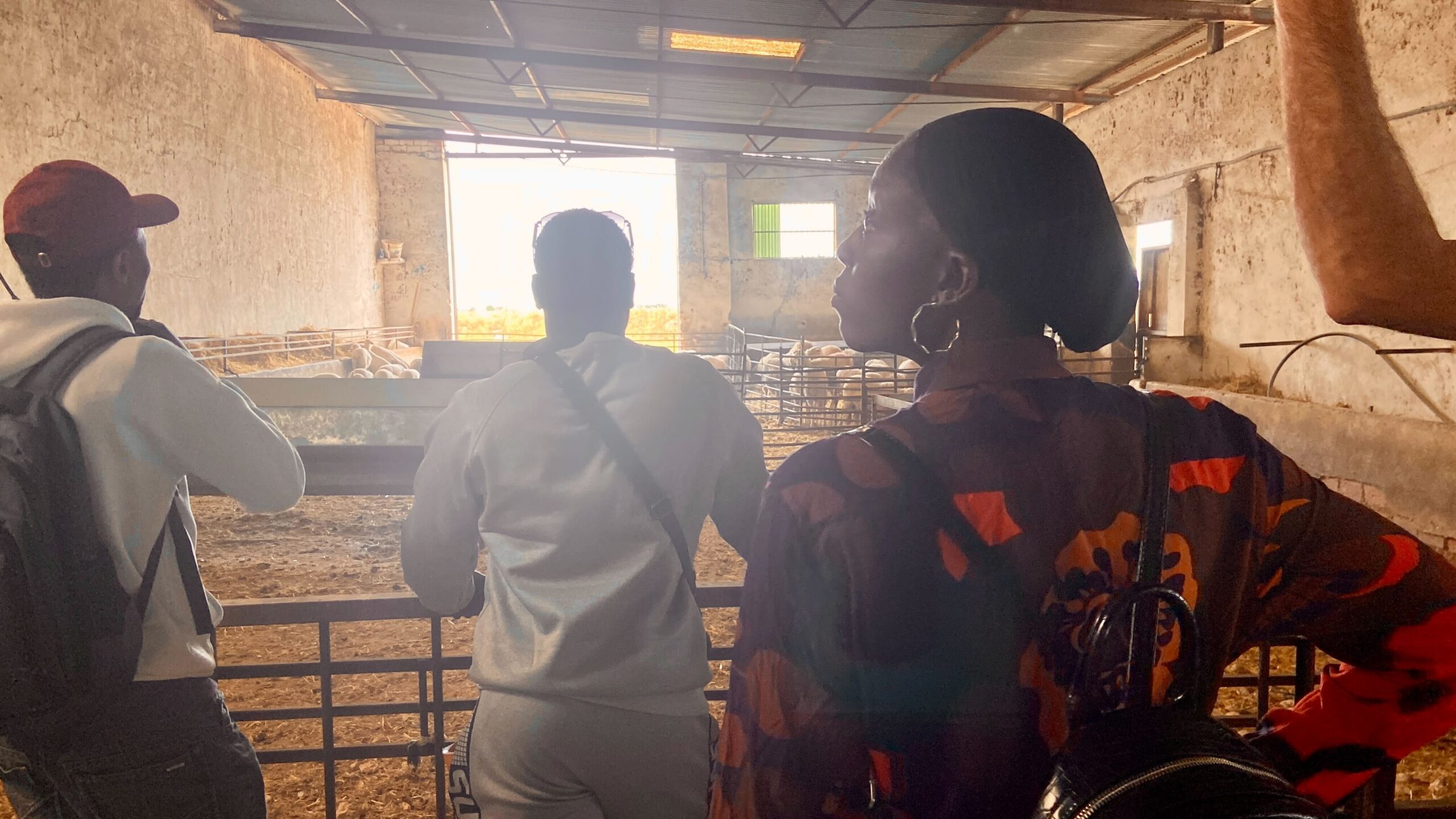
To fill that gap and also find work for recent migrants, a government program is training arrivals like Abdulmumen — many from countries in Africa, but also from Venezuela and Afghanistan — whom local farms depend upon to herd the animals whose milk produces central Spain’s prized sheep’s milk cheese.
“I always wanted to work in my country, but there are too many problems,” Abdulmumen said inside his tidy, bare one-bedroom apartment in town, speaking in his limited Spanish. He said he left because of violence but was reticent to say more. “My family can’t do much right now. That’s why I want to buy them things. A house, too.”