The revered 83-year-old Mexican photographer talks about her groundbreaking career as she celebrates her first ever retrospective in New York
I
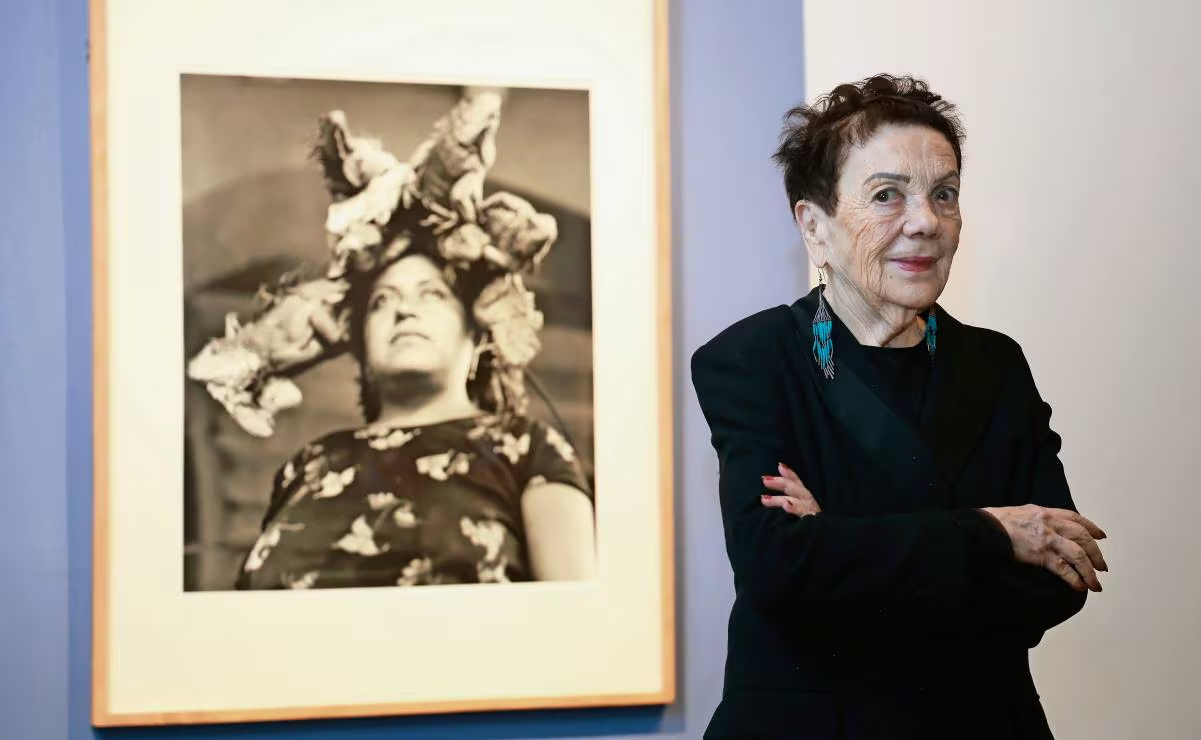
f you’re at all familiar with contemporary Latin American photography, you’ve probably encountered the unforgettable image of a Zapotec woman crowned with live iguanas, radiating quiet, unshakable dignity. Captured in 1979 by Graciela Iturbide, Nuestra Señora de las Iguanas, Juchitán was neither planned nor staged. It was taken on impulse, guided by the artist’s instinct and deep respect for her subject, and has since become a touchstone of Mexican visual culture and feminist photography.
“What drives my work is surprise, wonder, dreams, and imagination,” Iturbide recently told the Guardian.
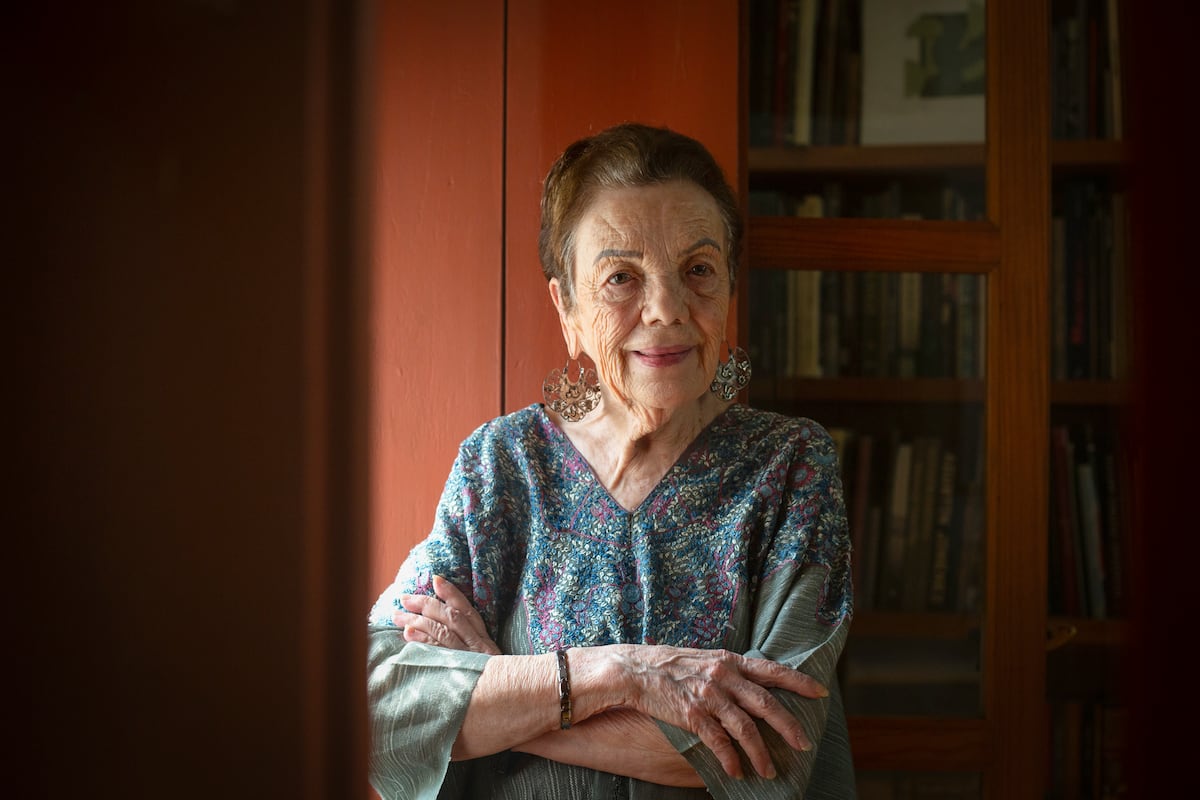
Indeed, surprise has been the animating force behind her entire career. Born in 1942 in Mexico City, Iturbide was in her late 20s, married and raising three children, when she heard a radio ad for the Center for Cinematographic Studies at the Universidad Autónoma de México. On a whim, she applied and, under the mentorship of the legendary photographer Manuel Álvarez Bravo, began a journey that would establish her as one of Latin America’s most revered photographers.