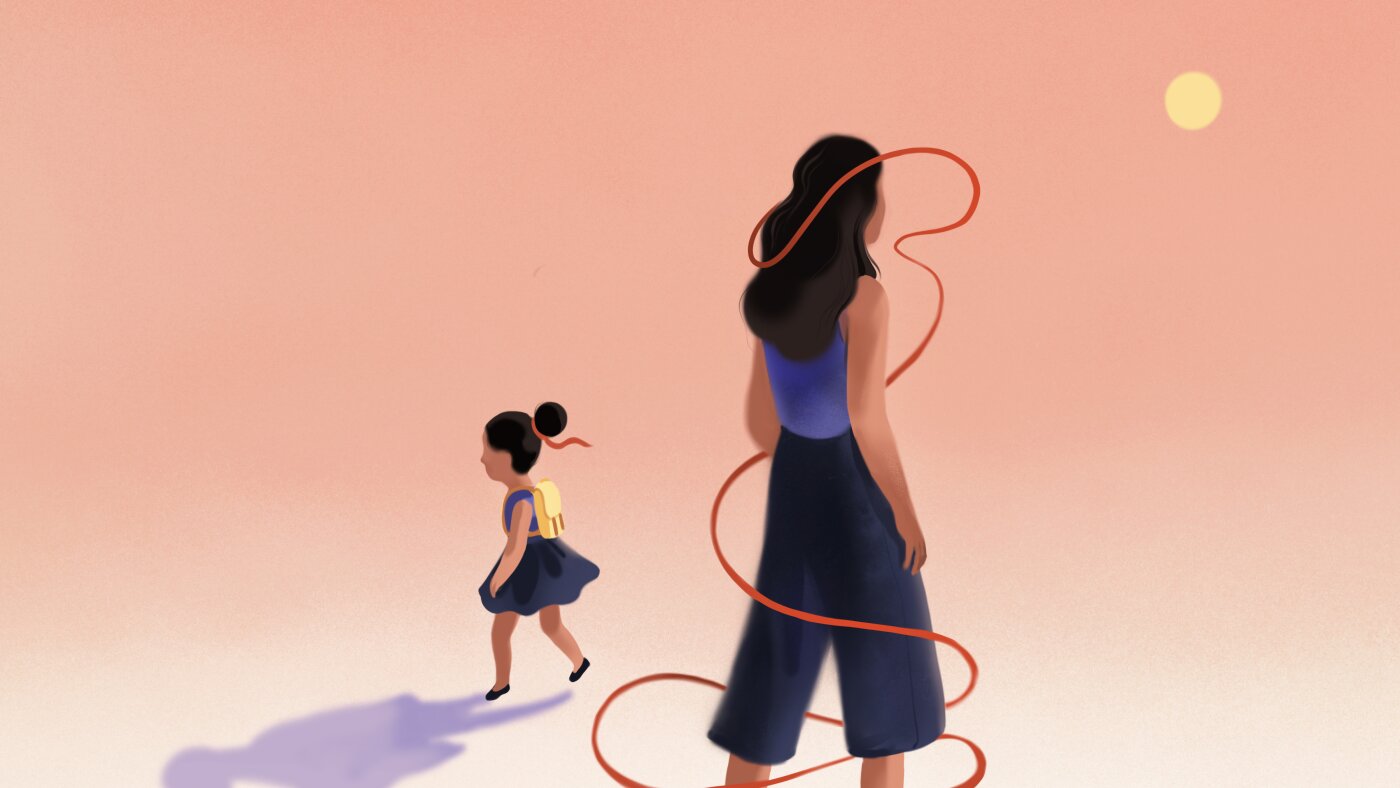
After Carla Ciccone gave birth to her daughter, she spiraled with shame and self-hatred. She felt lost. She felt like a fraud. Part of her had always felt an aching imposter syndrome and a difficulty controlling her emotions.
She knew she needed therapy. What she didn’t expect was an ADHD diagnosis.
She thought back to the boys of her elementary school days, bouncing in their seats and unable to keep still. But that didn’t describe her at all.
Ciccone examined the criticism she faced throughout her life from teachers and family members who told her she was lazy, careless and gave up too easily, she writes in her new book “Nowhere Girl: Life as a Member of ADHD’s Lost Generation” (out now from The Dial Press).
Hyperactive ADHD – the more commonly studied type – is only one part of the story. Inattentive ADHD, on the other hand, is driven by difficulty sustaining attention and focus rather than impulsivity or need for constant movement. Think daydreamers. It’s more common in women than in men.