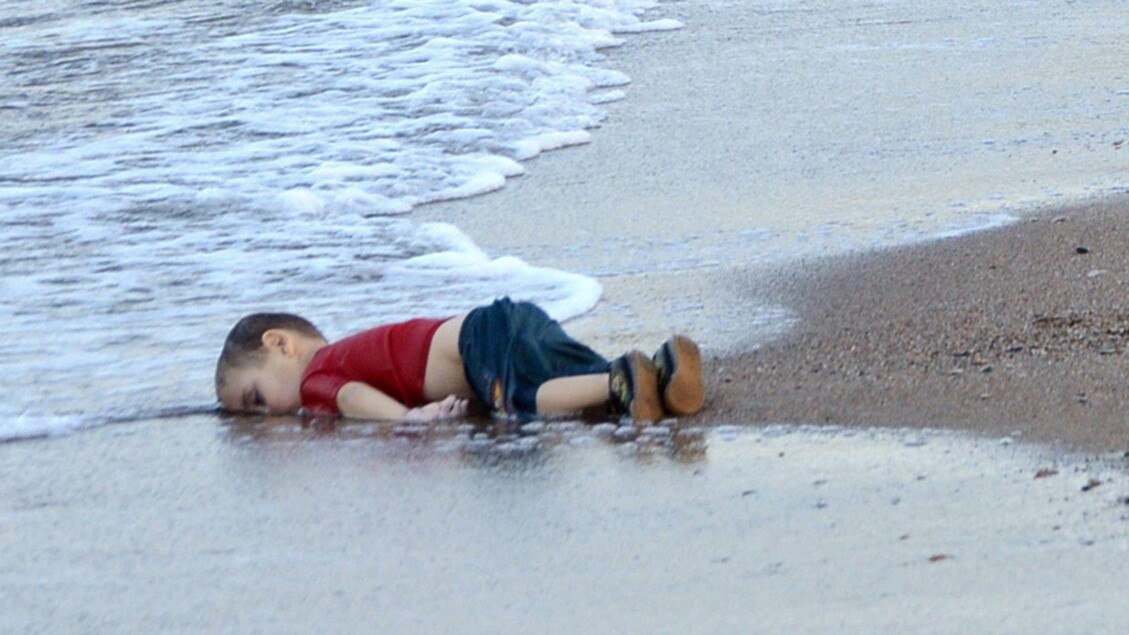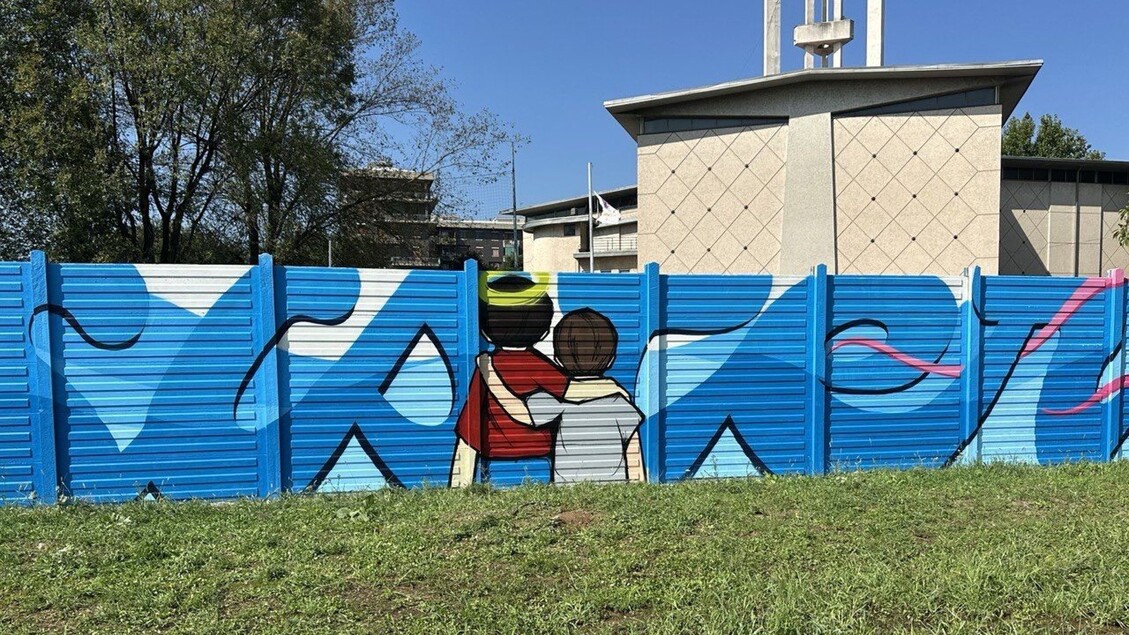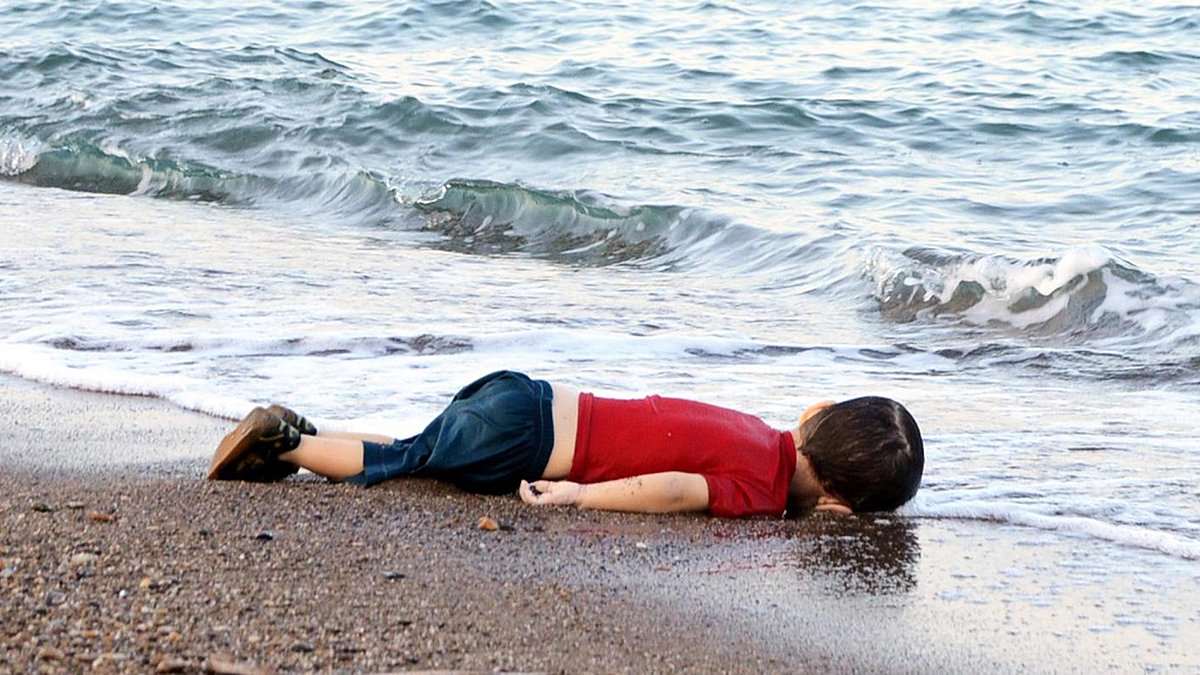
Ten years ago this week, on September 2, the world awoke to shocking news that would come to define an era of migration.
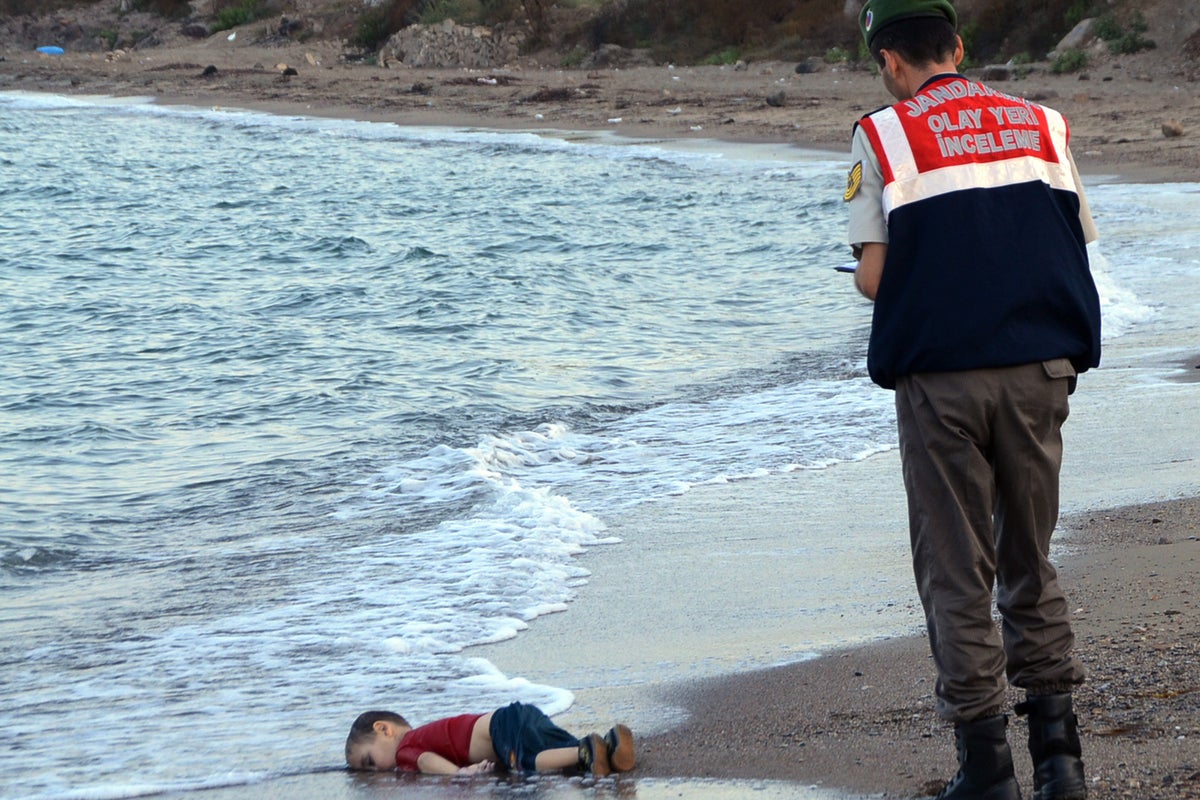
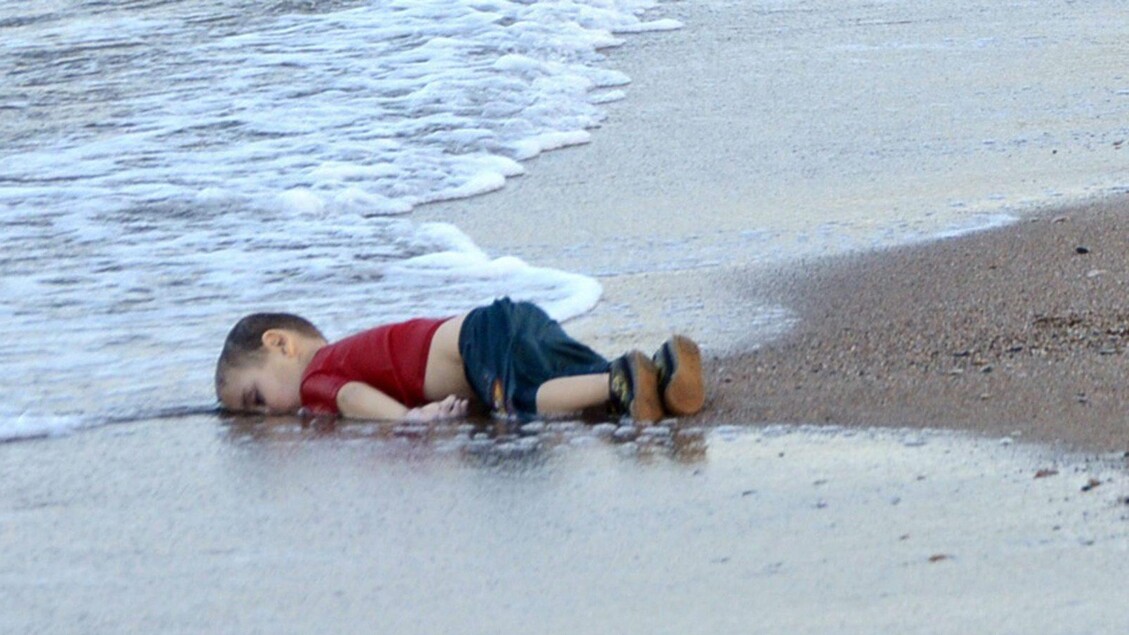
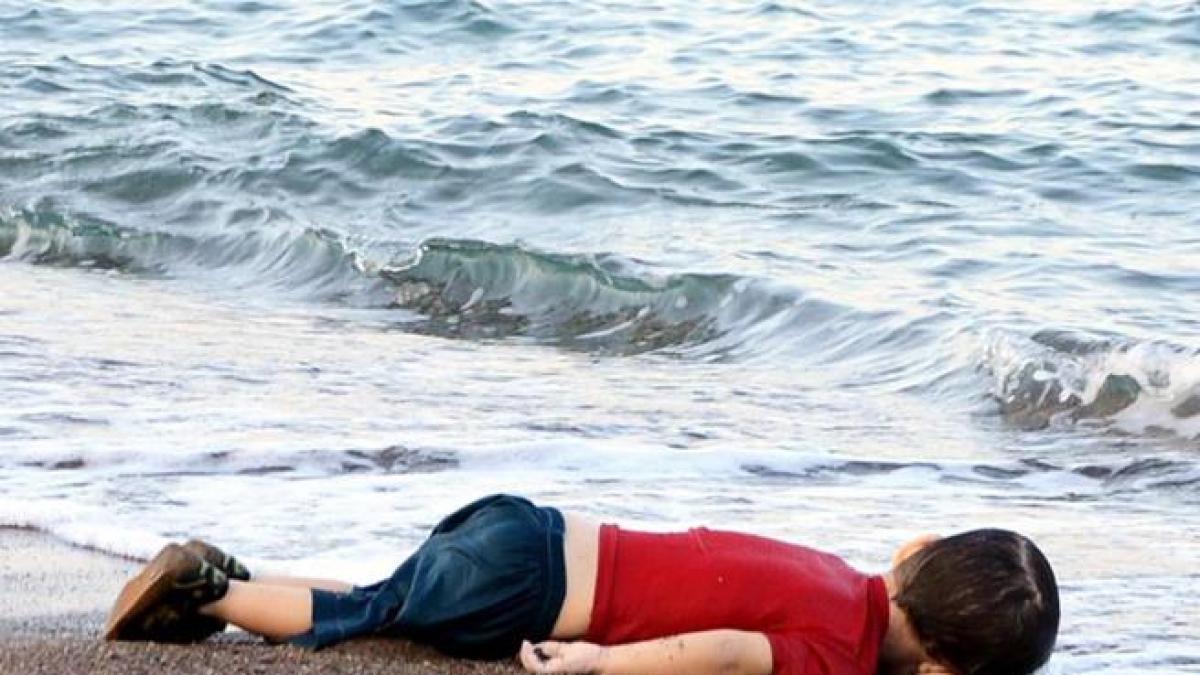
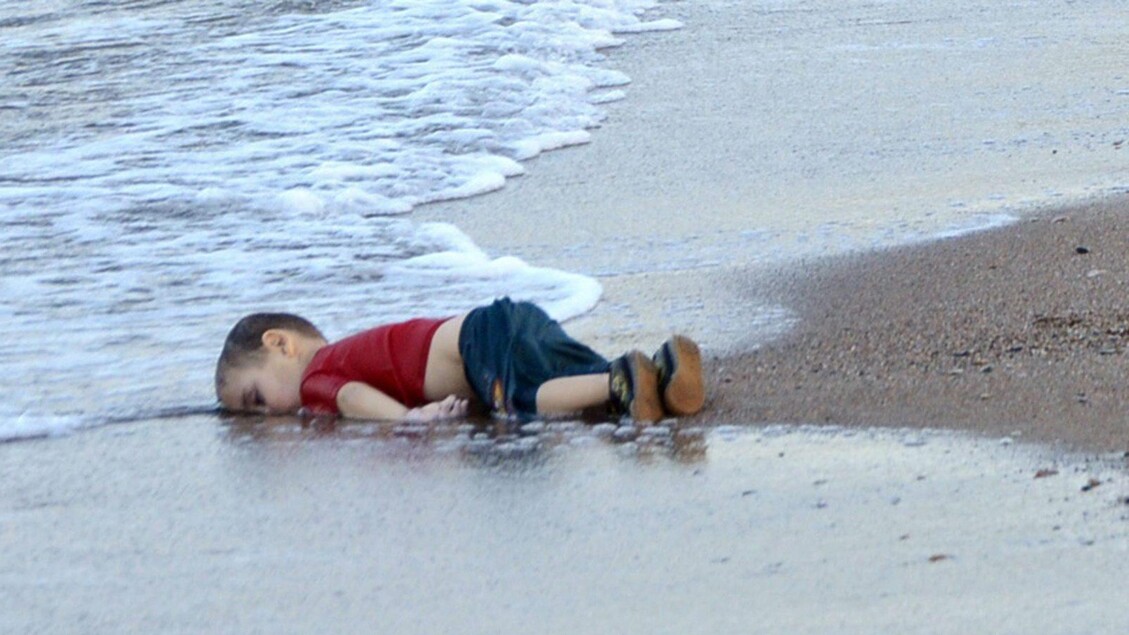
The lifeless body of Alan Kurdi, a two-year-old Syrian boy, was found washed up on a beach near the Turkish resort of Bodrum, his red T-shirt and blue shorts soaked in seawater.
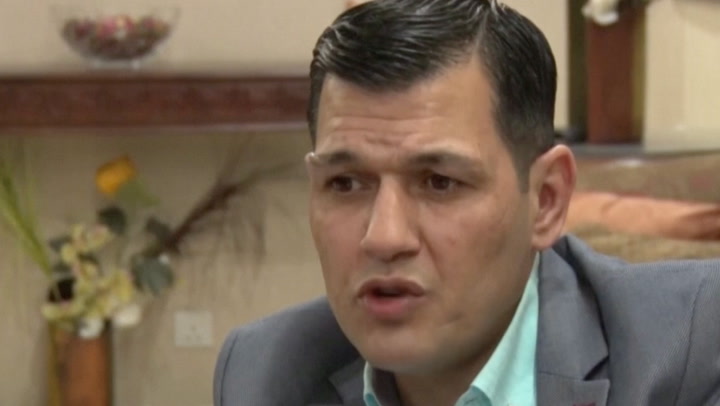
He had drowned alongside his five-year-old brother, Galip, and their mother, Rehanna, as the family tried to cross into the Greek island of Kos. Their father, Abdullah Kurdi, was the only one to survive.
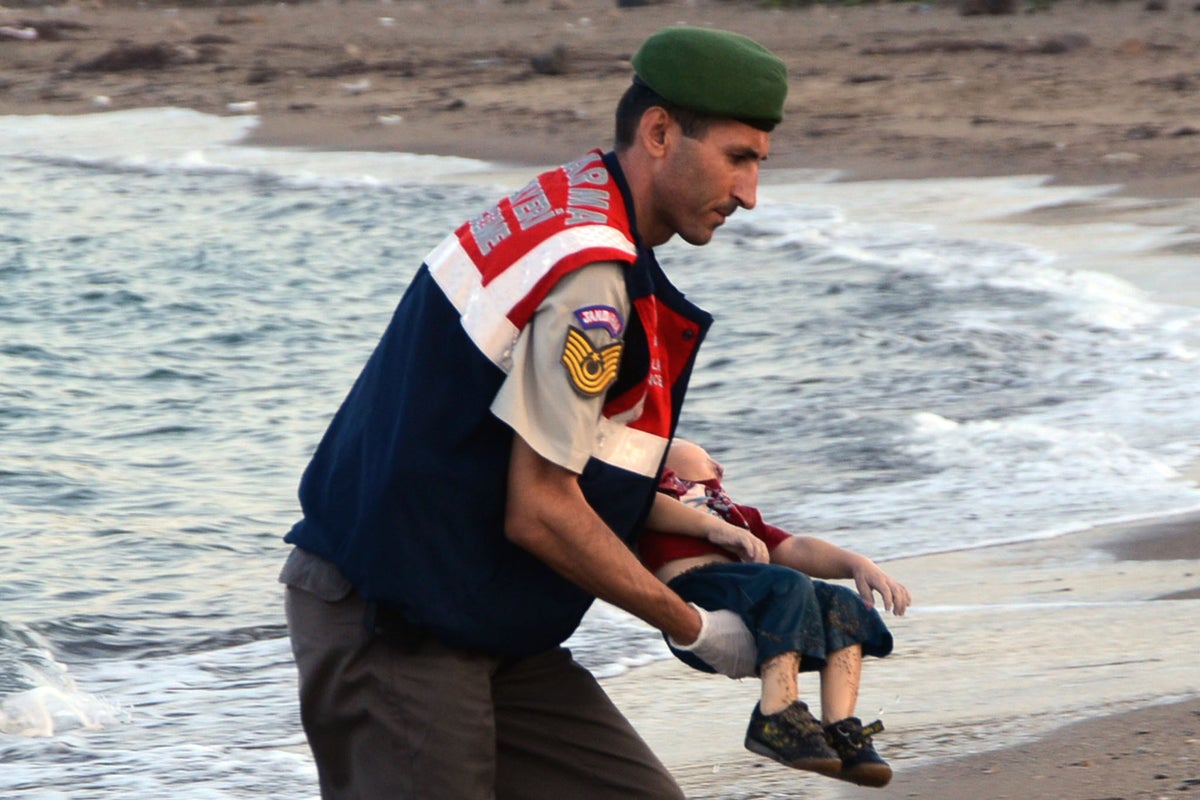
In another photograph that travelled across the globe, a Turkish policeman was seen carrying Alan's limp body from the sand, his face grim, his arms stiff, the image instantly becoming a symbol of the true human cost of irregular migration.
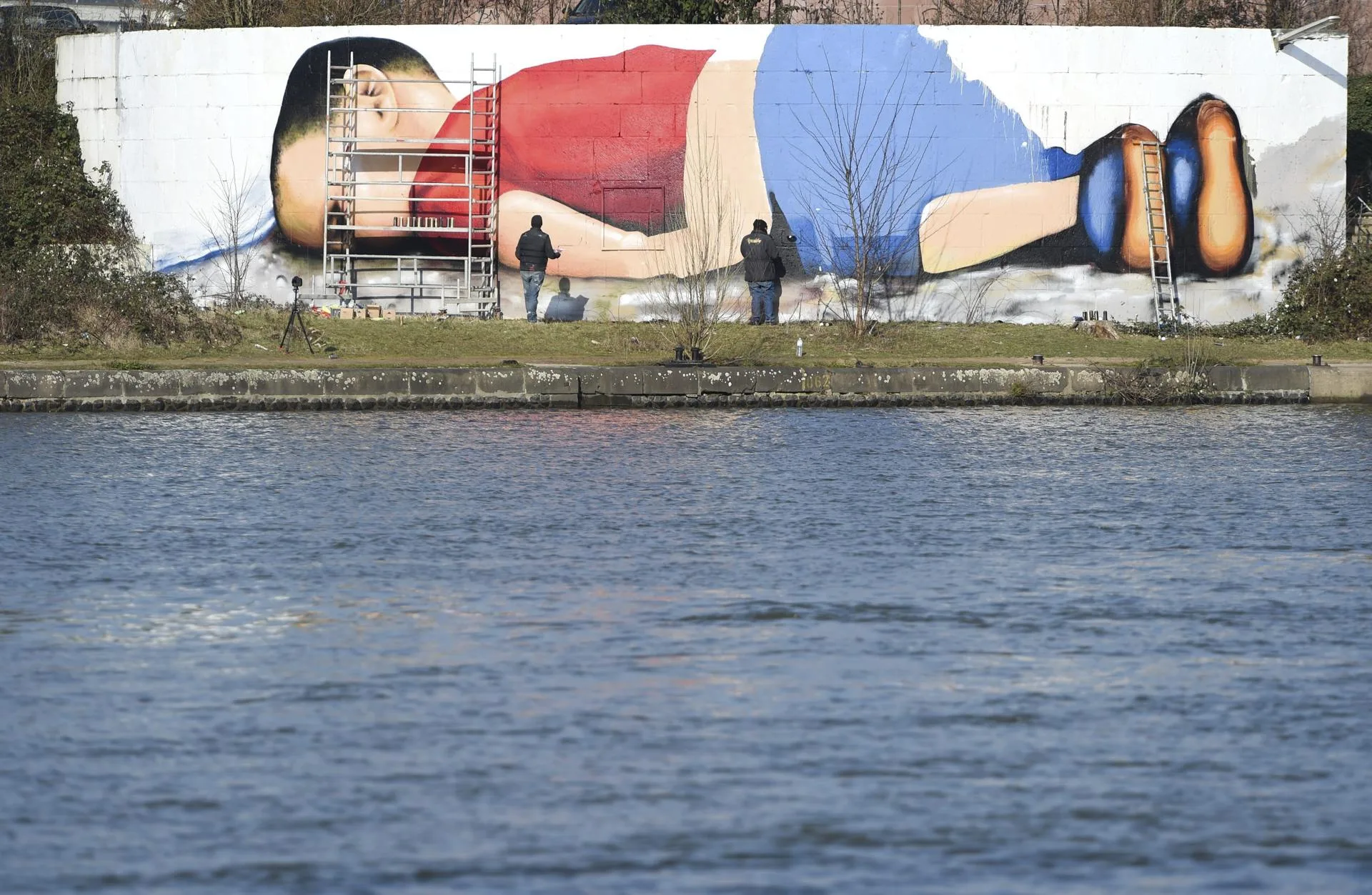
The pictures went viral within hours, giving the world one of its first clear glimpses into the reality of the Mediterranean crossings and the desperation that drove thousands of families to risk everything on overcrowded dinghies and decrepit fishing boats.