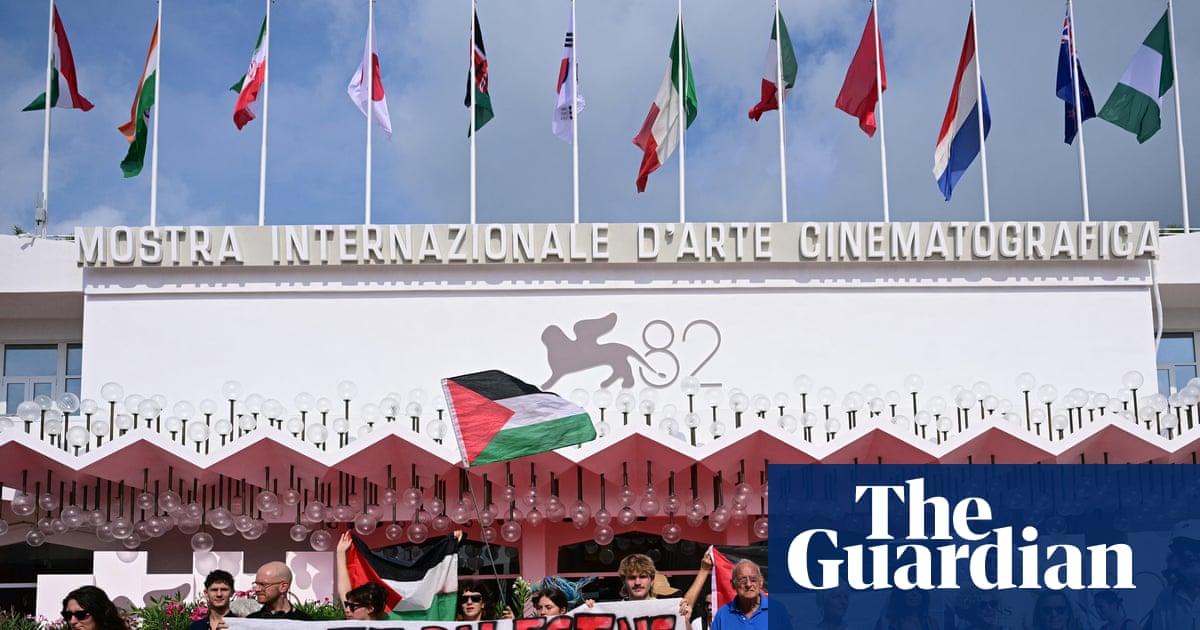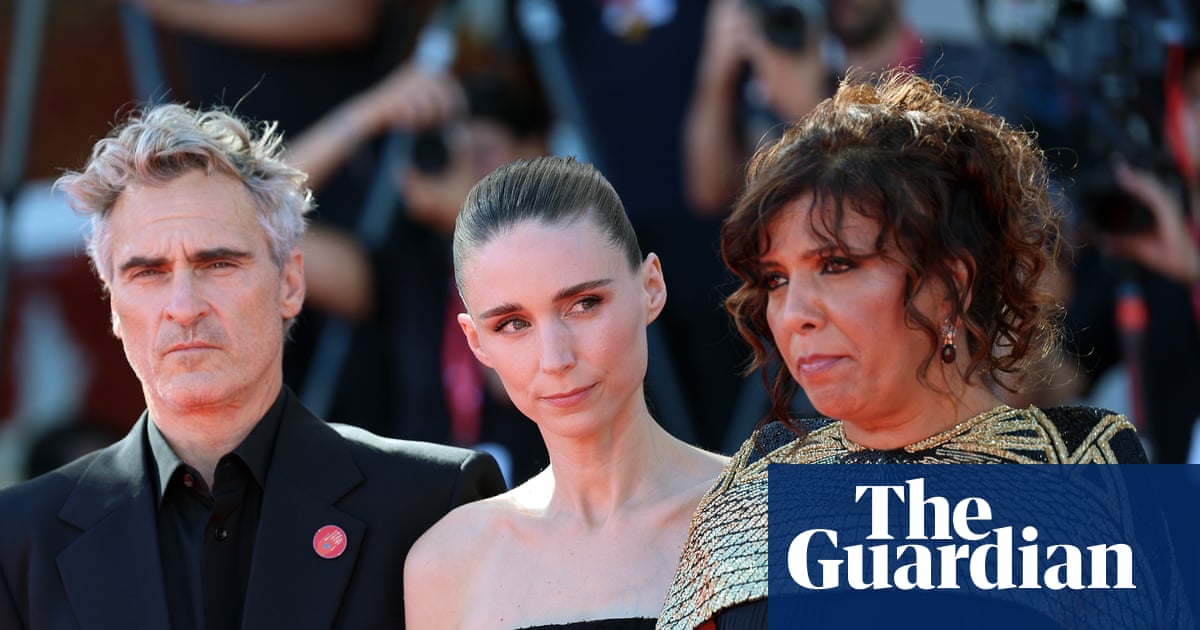
Stars waved as usual from the city’s water taxis, but there was a repeated focus on films that help audiences interpret a chaotic world
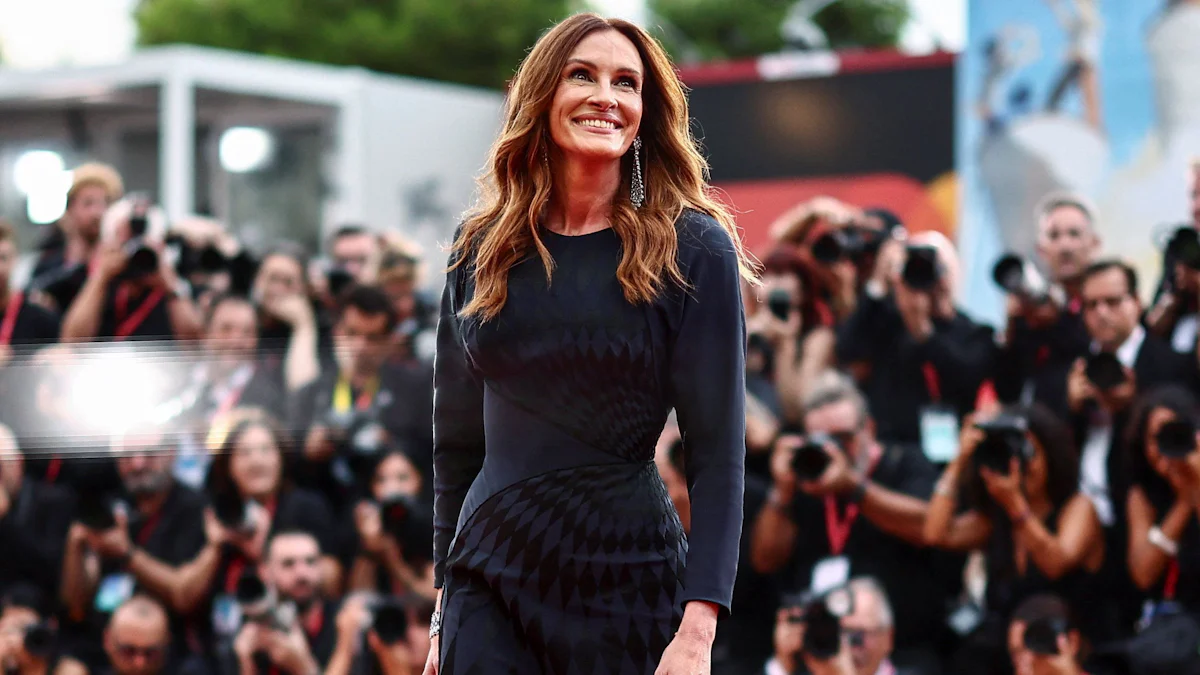
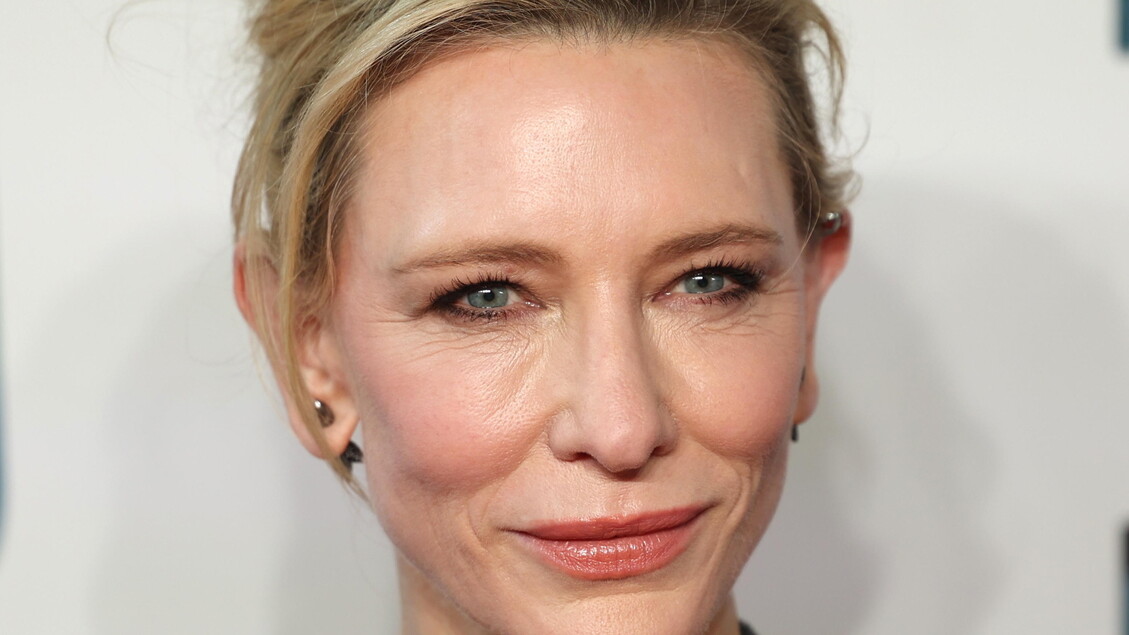
For most of its 82 years, Venice has been perceived as the world’s most glamorous film festival. This year was no exception: stars including Julia Roberts, Cate Blanchett, Jude Law and George Clooney dutifully waved from canals and trooped down red carpets (although Law tripped while on a water taxi and Clooney got ill).
But the films themselves struck a different note. Jury president Alexander Payne may have rebutted questions about current affairs during his opening press conference, declaring himself concerned only with discussing cinema, but cinema at Venice this year was concerned largely, it turned out, with discussing current events.
The big hits of the festival were both nailbiting ticking-clock stories – directed by women – that tackled real-world situations of such tragedy and magnitude that many people shy from discussing them, let alone make a movie about them.
Towards the end of the festival, The Voice of Hind Rajab, Kaouther Ben Hania’s dramatisation of the killing by the Israel Defense Forces of a five-year-old girl in Gaza, earned a 23-minute standing ovation, as well as chants around the auditorium of “Free Palestine”.