Isotope analysis finds copper ore came from Yangtze River basin while statue could be a repurposed Tang Dynasty tomb guardian
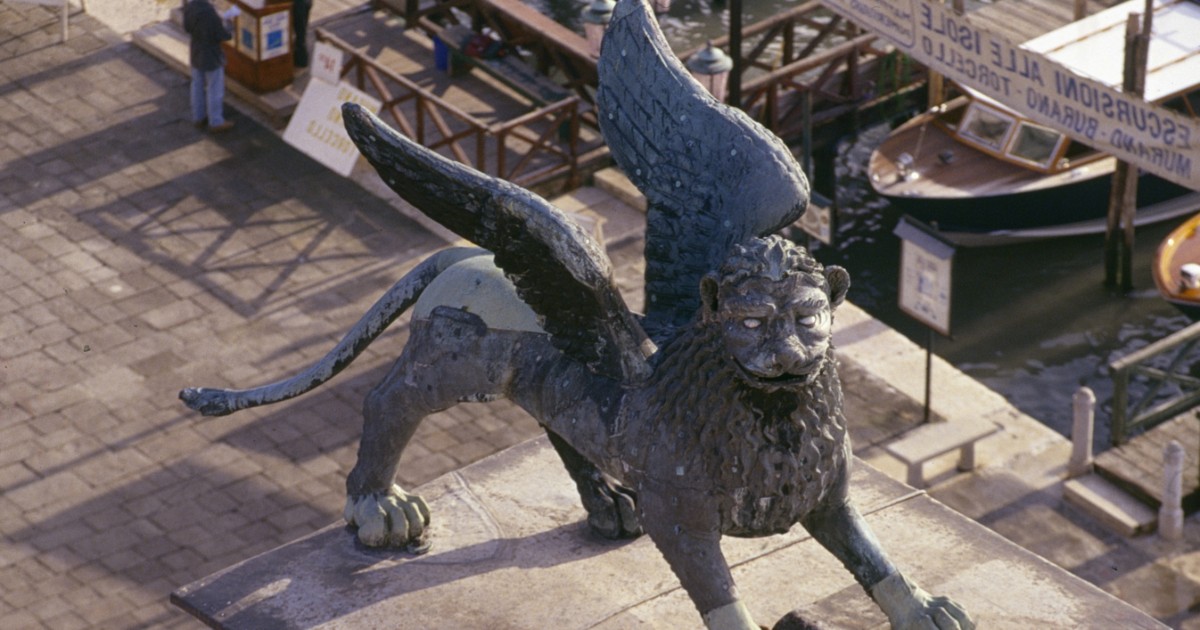
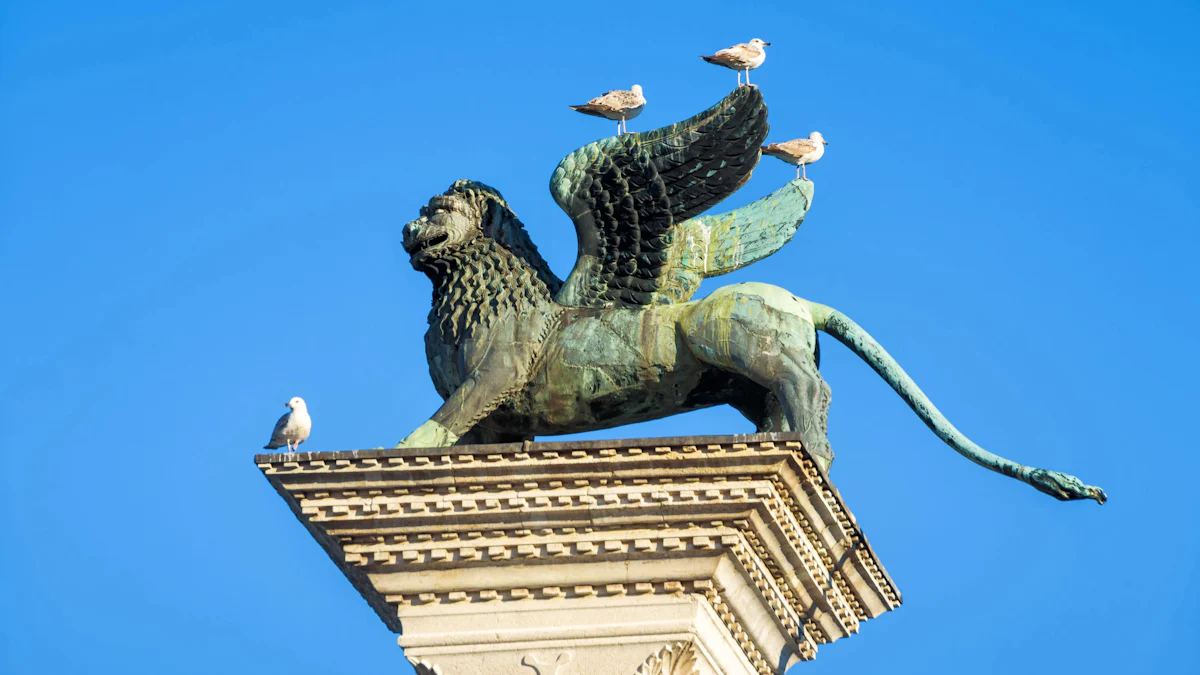
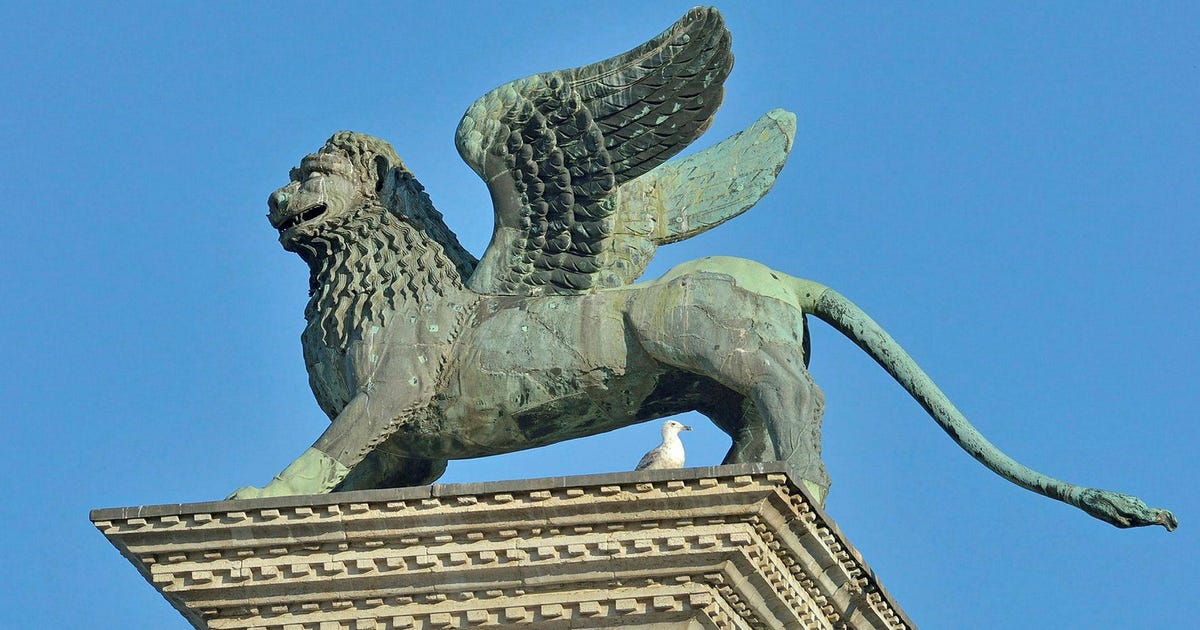
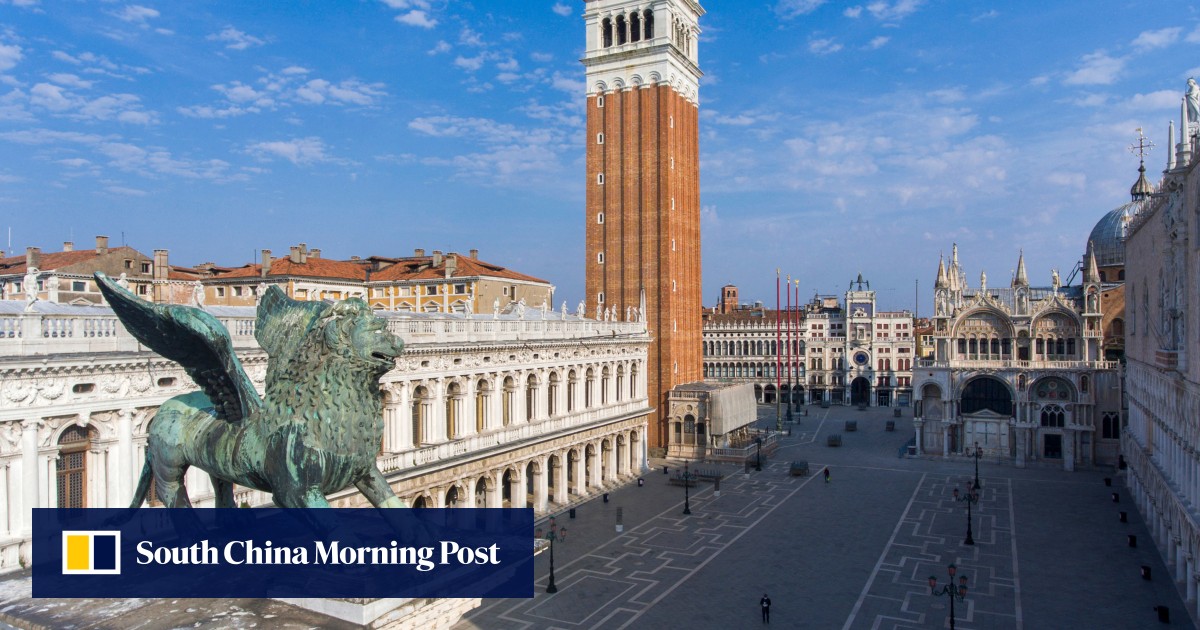
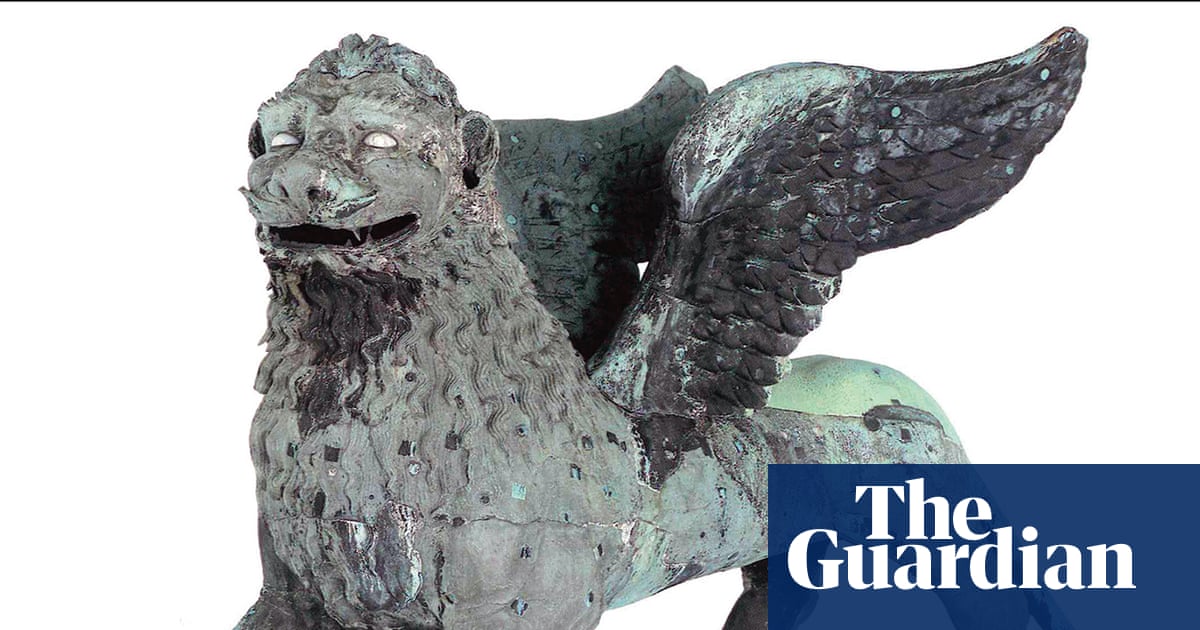
The great bronze statue of a winged lion perched atop one of two granite columns in Venice’s St Mark’s Square has watched over the city for centuries.
But Italian scientists have now found evidence to suggest the iconic statue was at least in part made in China, and possibly ended up in Venice via the Silk Road after being brought back by the father and uncle of the merchant and explorer Marco Polo.
In research due to be published in the journal Antiquity, scientists from the University of Padua found that the copper ore used to cast the Venetian winged lion was mined in China’s Yangtze River basin.
Advanced lead isotope analysis on samples of the lion showed that the copper used in its production originated from the lower Yangtze area in south-eastern China. “Lead isotopes provide a reliable means to link metals to their original ore deposits,” the scientists wrote.