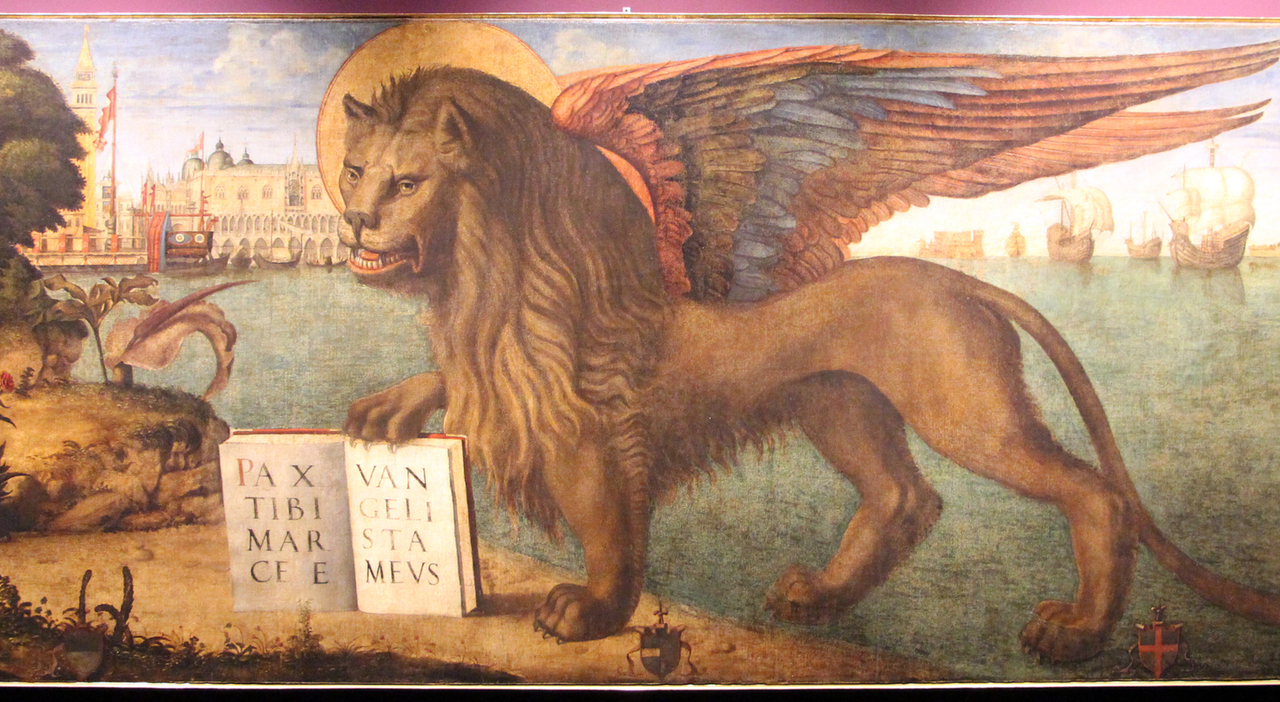
Italian researchers believe the famous statue may have originated in Tang dynasty China but Chinese scholars are not convinced
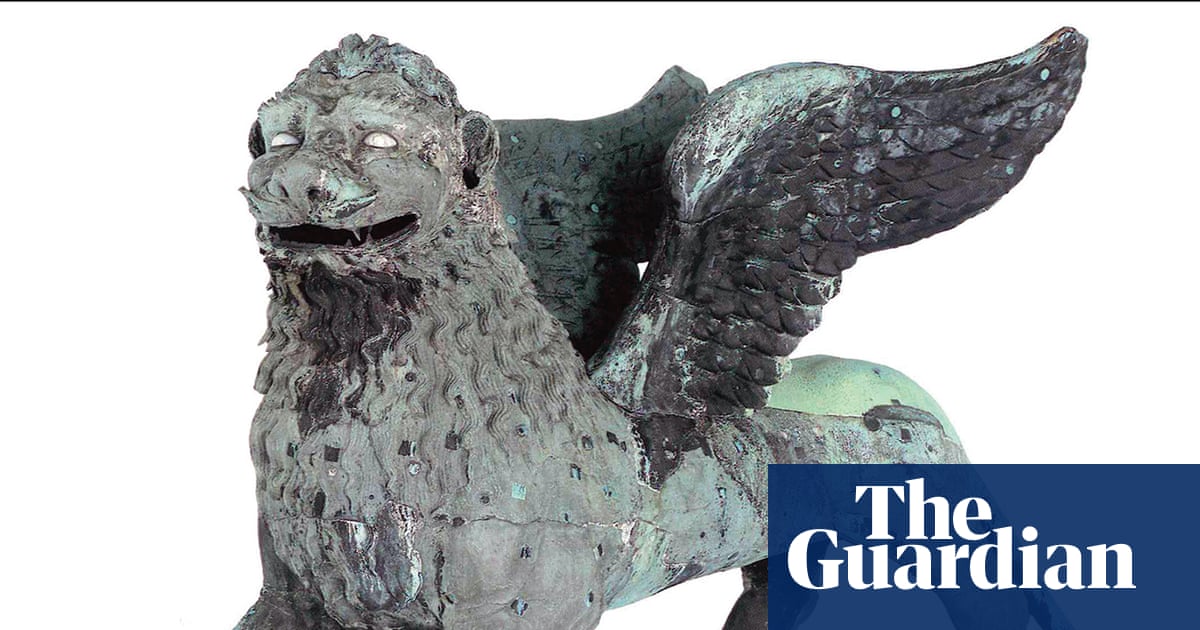
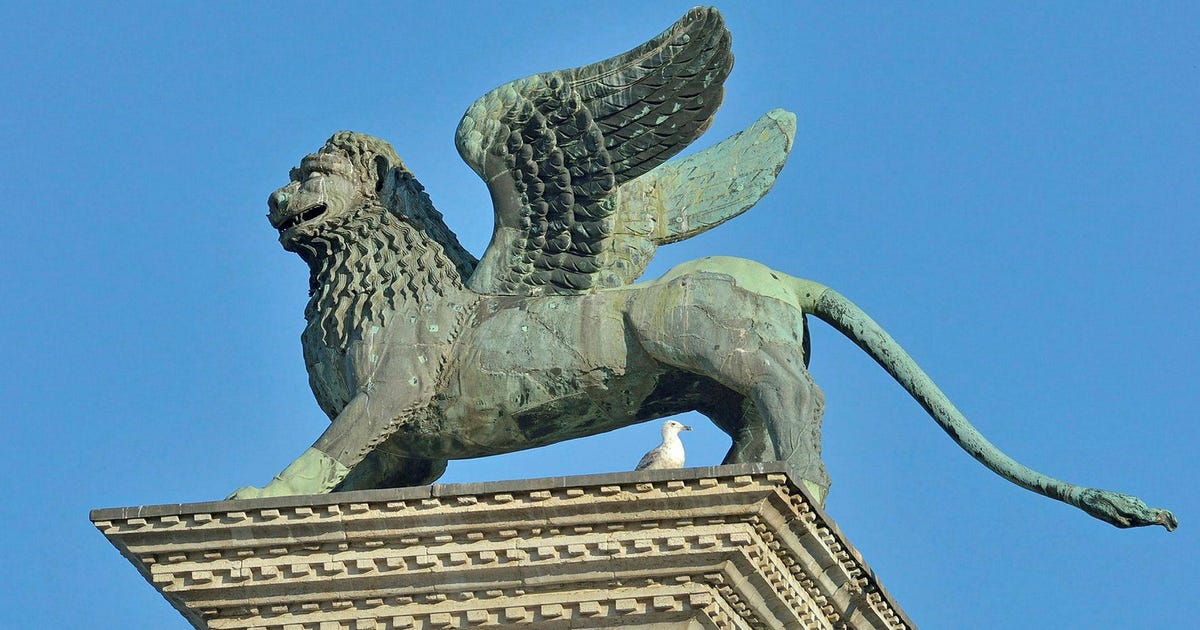
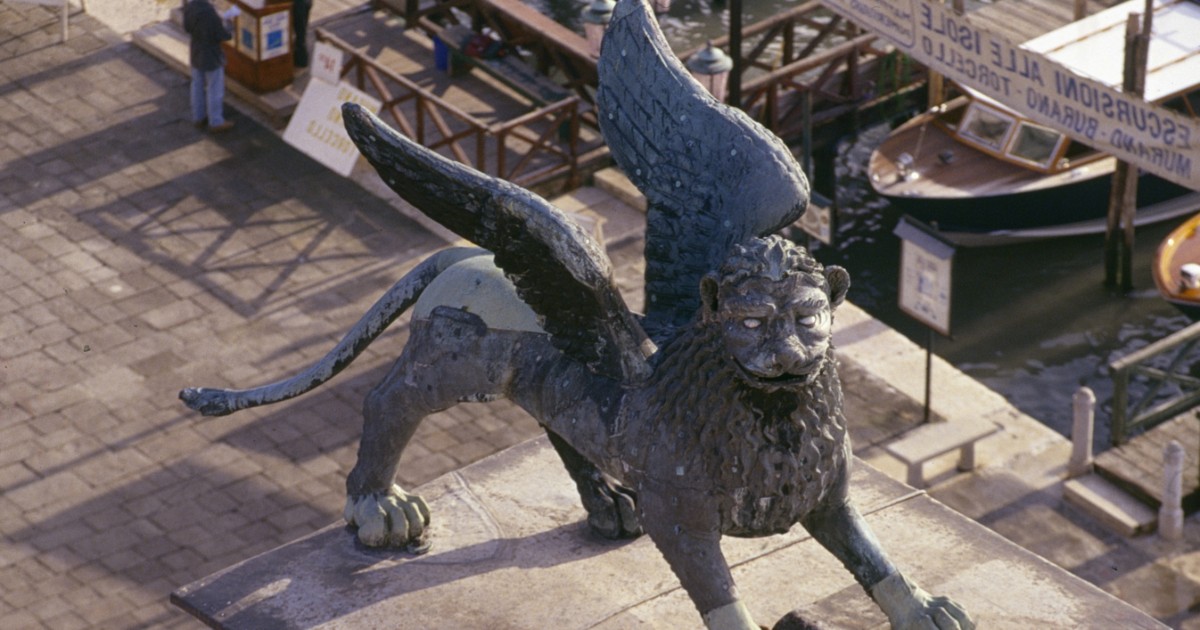
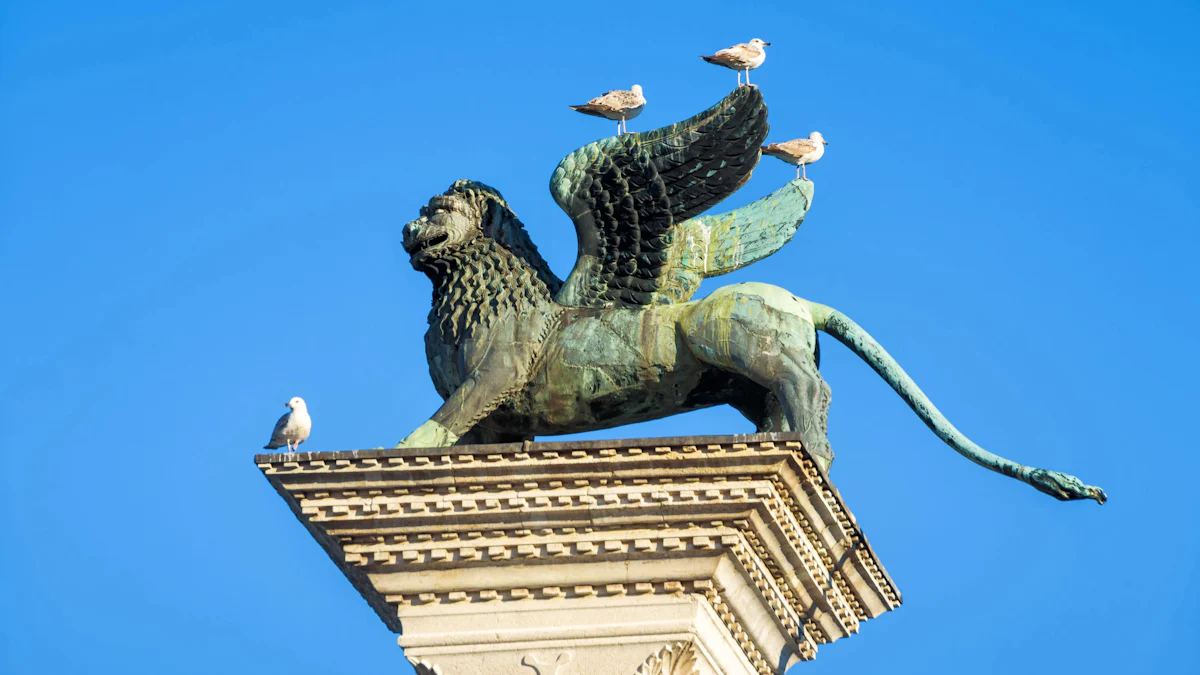
One of Venice’s most iconic symbols – the majestic winged Lion of St Mark – has its origins not in Europe but in ancient China, according to a new study by Italian researchers.
However, some scholars in China are disputing the researchers’ theory that the celebrated bronze figure in Venice’s St Mark’s Square may have begun its life more than 1,000 years ago as a Tang dynasty tomb guardian, before being transported across continents and transformed into a symbol of Venetian power.
Analysis by the Italian team published in the journal Antiquity last month combines stylistic comparisons with lead isotope testing to argue that the 2.8-tonne statue was originally a monumental Chinese bronze that was later altered beyond recognition.
Relics unearthed from tomb in northwest China underscore county’s role as hub on ancient Silk Road