When Hurricane Katrina threatened New Orleans in August 2005, Mona Lisa Saloy thought she was safe.
Saloy, an author and educator who also served for several years as Louisiana's poet laureate, had inherited the 110-year-old “double shotgun” house in the mostly Black Seventh Ward where she was born and raised. The family had ridden out Hurricane Betsy in 1965, and the home was elevated several feet above the ground. At the last minute, however, a friend whose visions Saloy had always trusted dreamed of water coming, and Saloy decided to evacuate with an elderly neighbor and her dog.
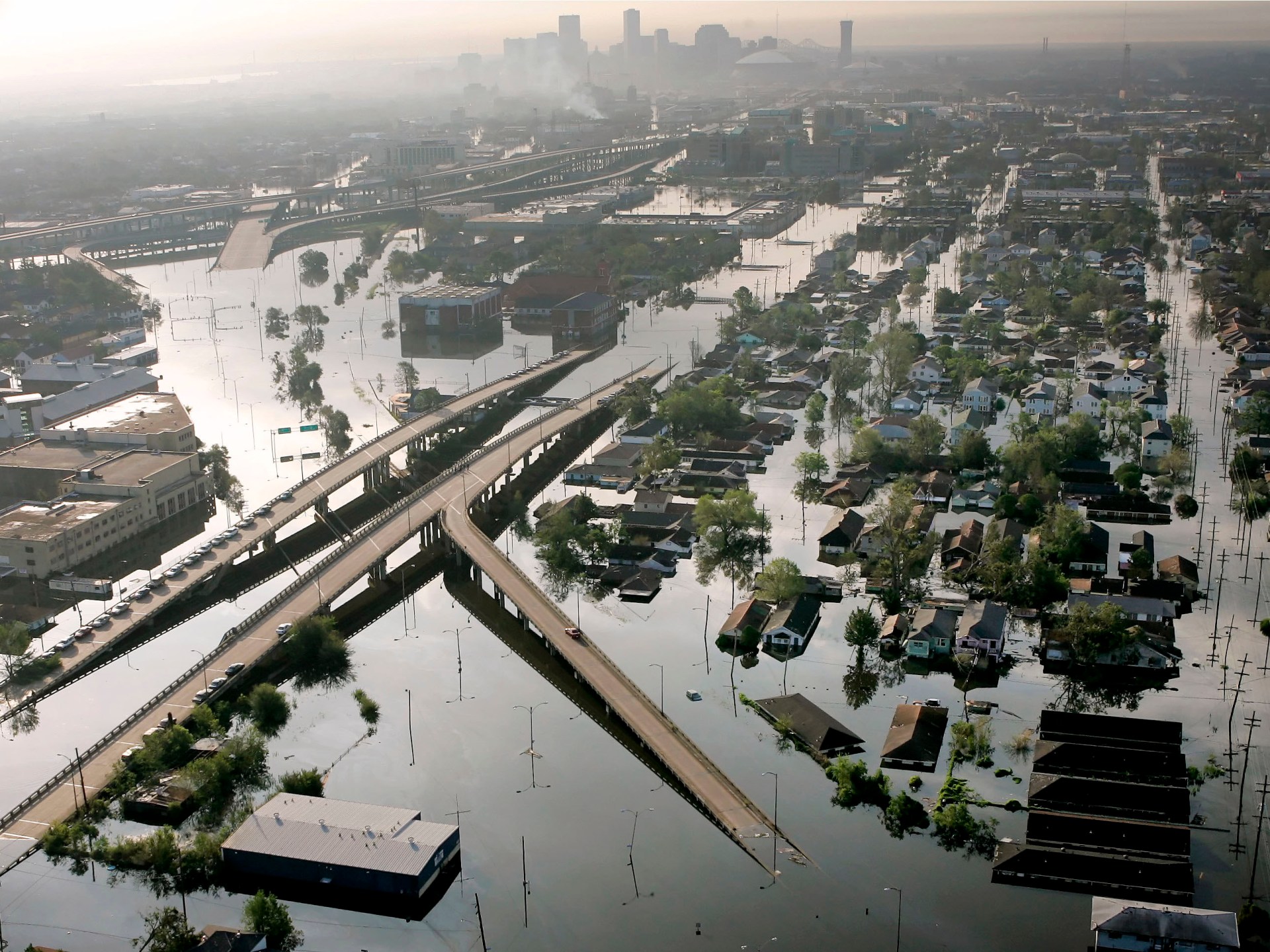
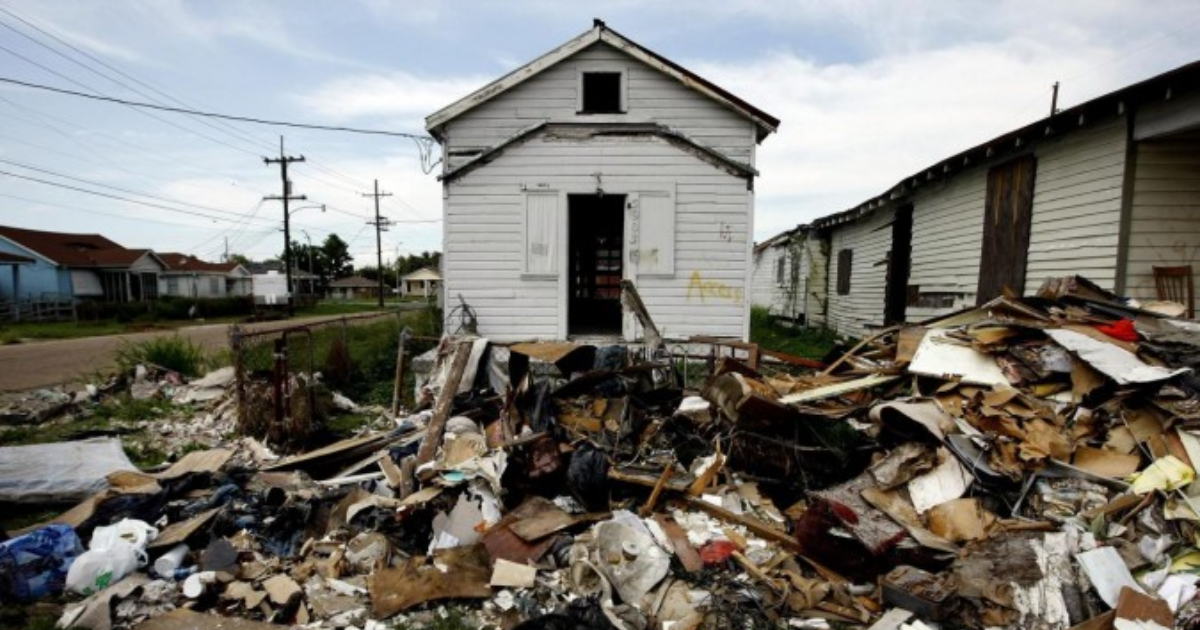
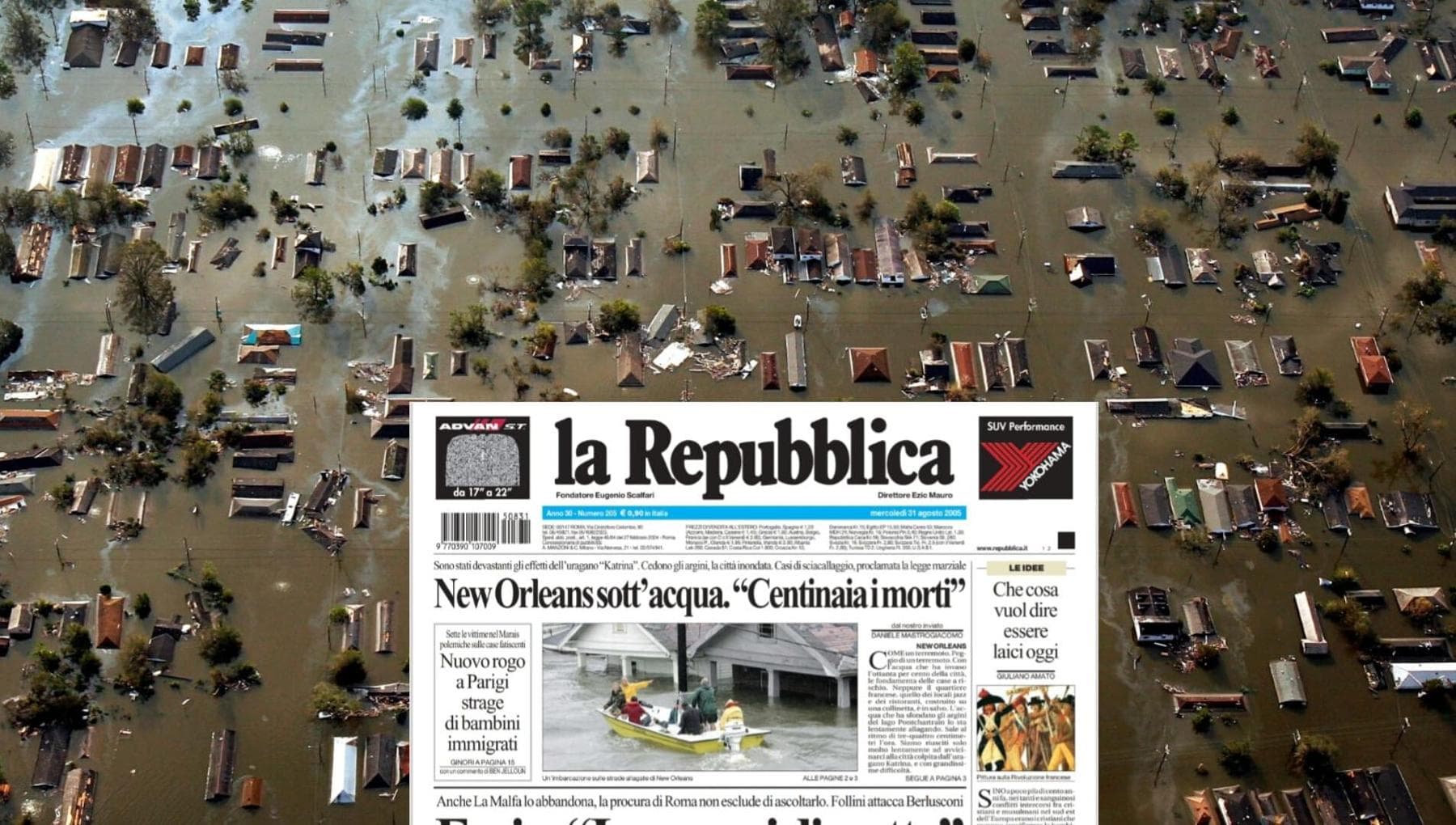
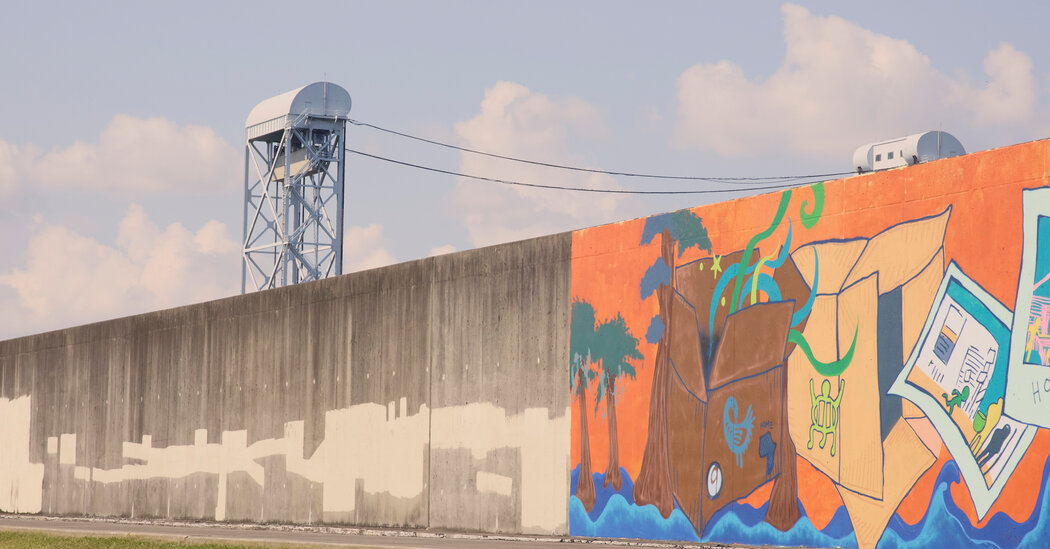
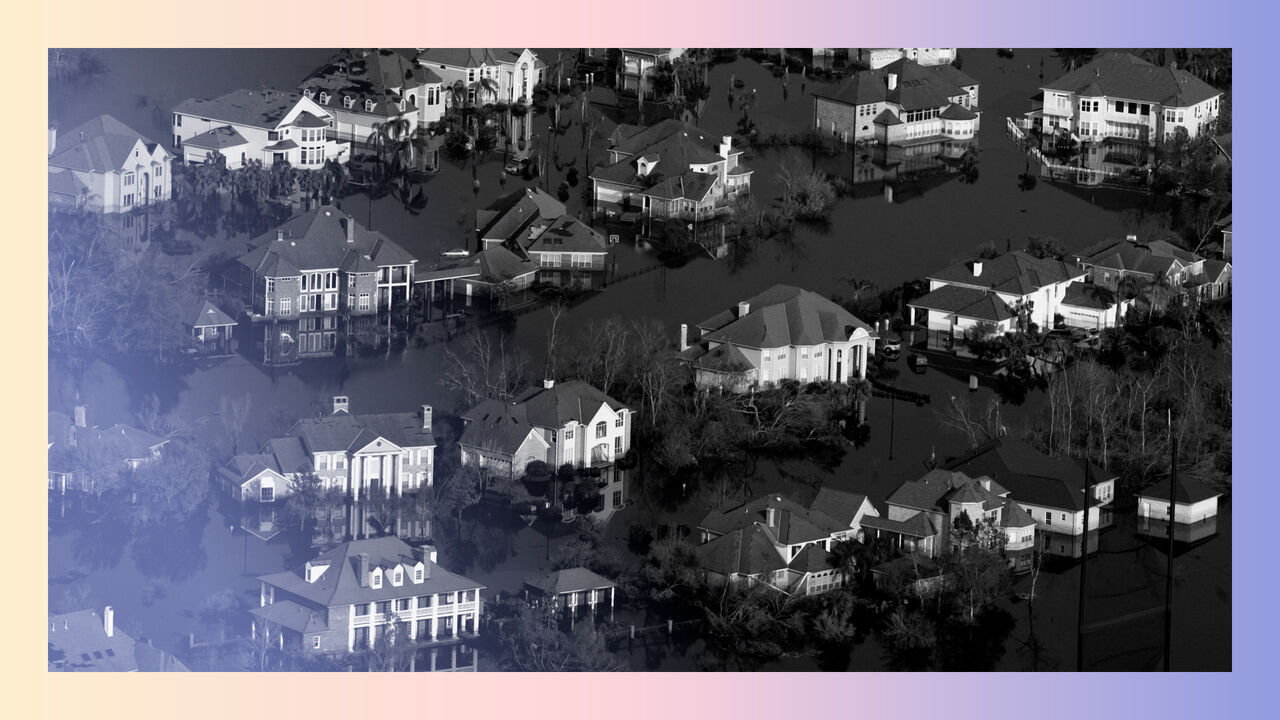
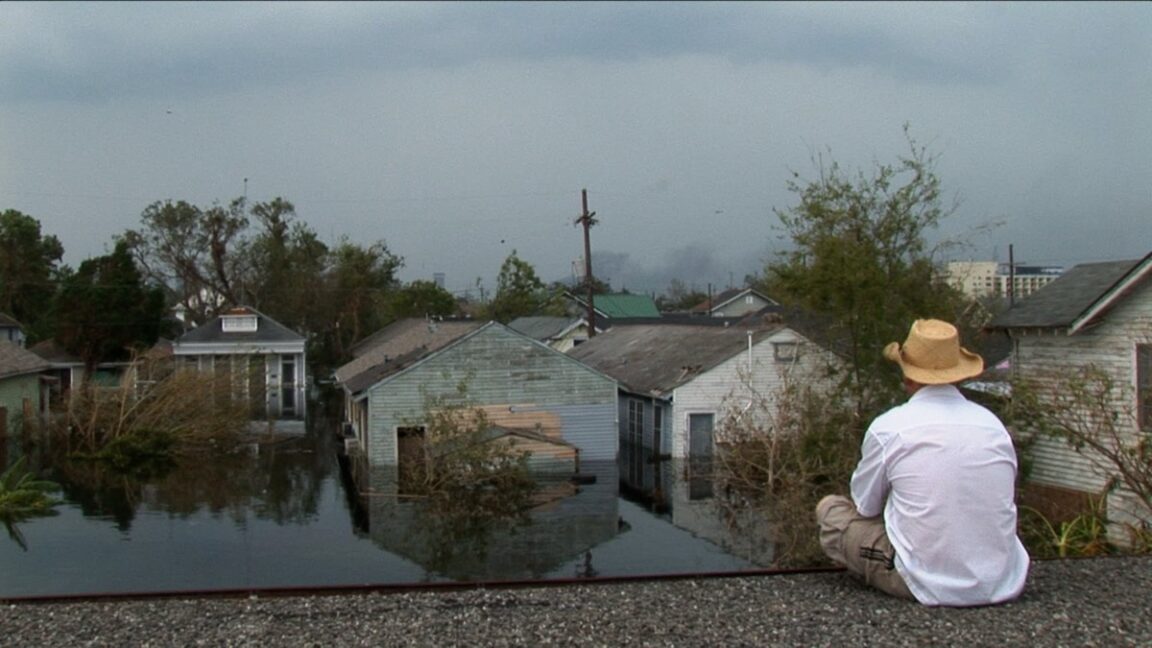
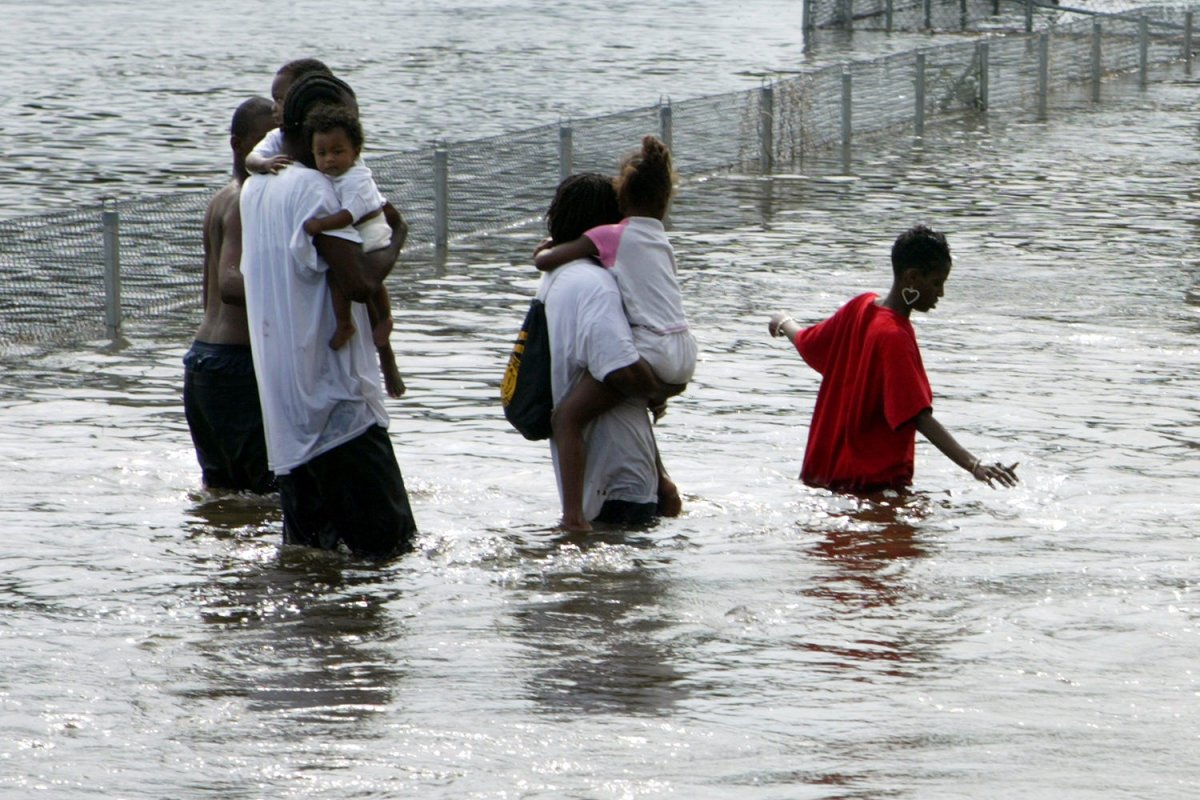
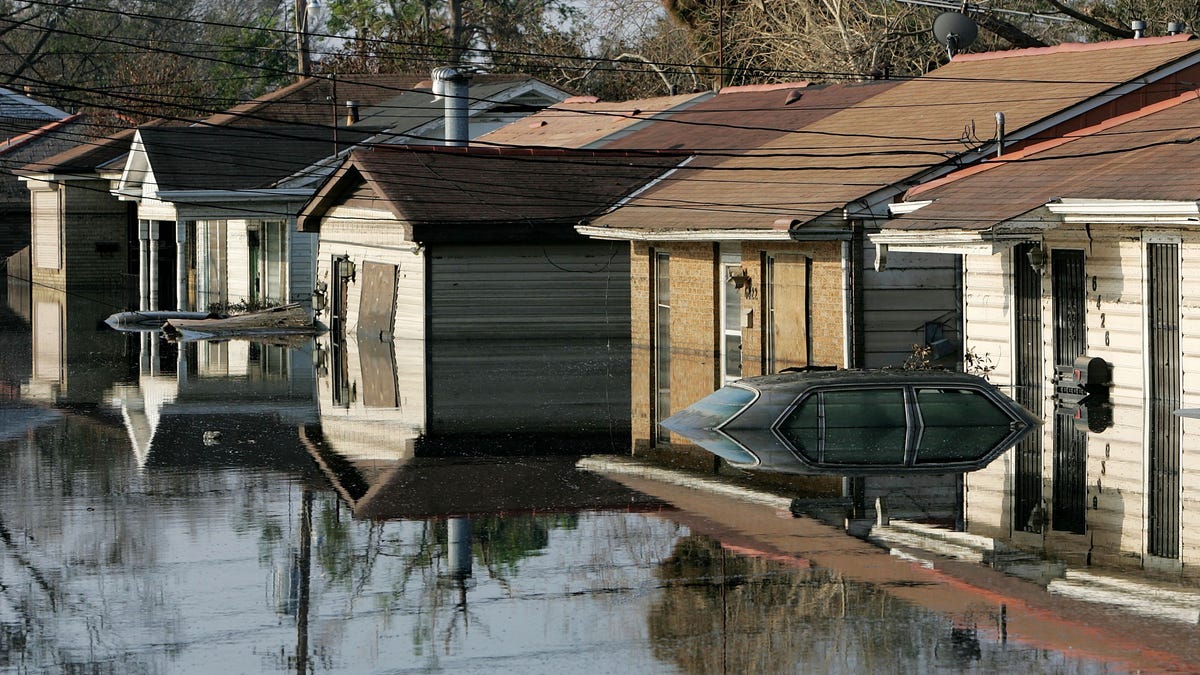
It was a good thing. When the levees holding back the water around the city failed, Saloy's entire block wound up submerged under 9½ feet of water. Her home was so badly damaged that it had to be demolished and completely rebuilt, a process that took nearly 15 years and untold hours haggling with insurance companies to get what Saloy believed she deserved after paying premiums for years.
When all is said and done, “I’m grateful to still be here,” Saloy told USA TODAY in June. “I’ve lived other places and to me this is home.”
The levees weren’t the only structures that failed in New Orleans in August 2005. The insurance safety net that was supposed to support homeowners when tragedy struck also fell short. Twenty years after the hurricane, analysts believe the climate change-driven insurance crisis that’s swept America over the past several years – in which premiums have become too expensive for many people to afford, if they are even available – can be traced directly to Katrina.