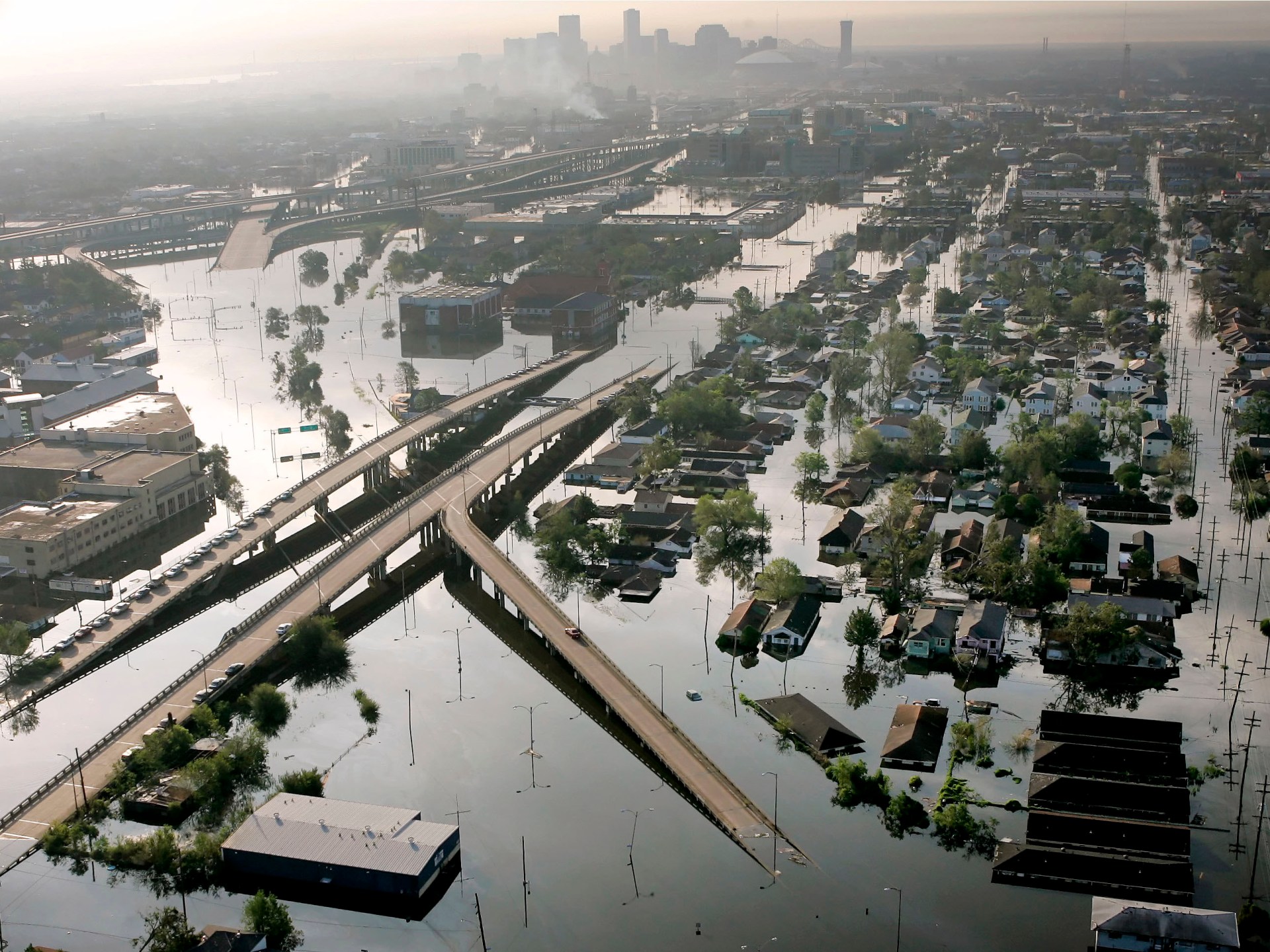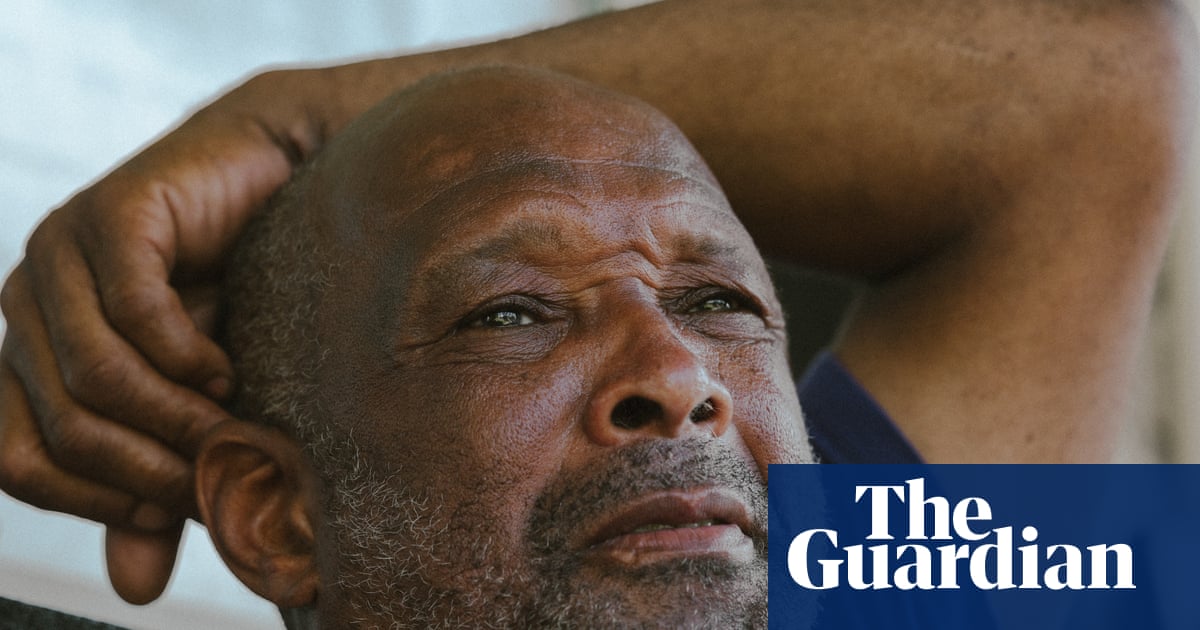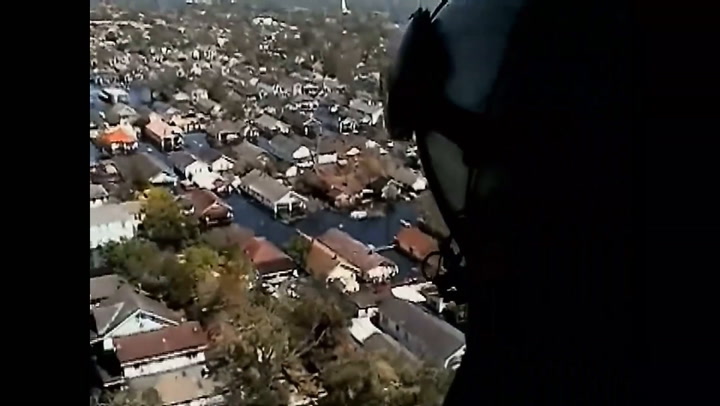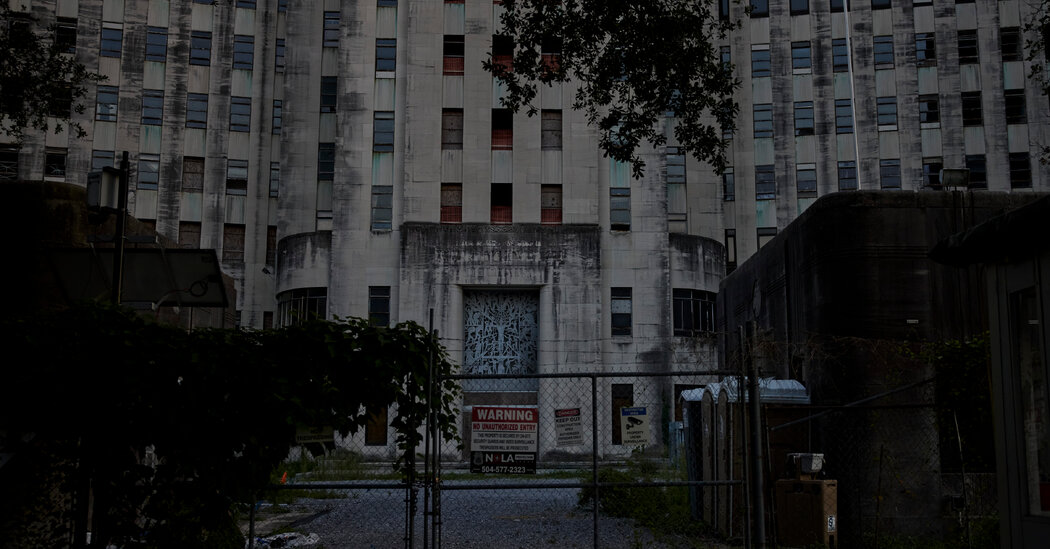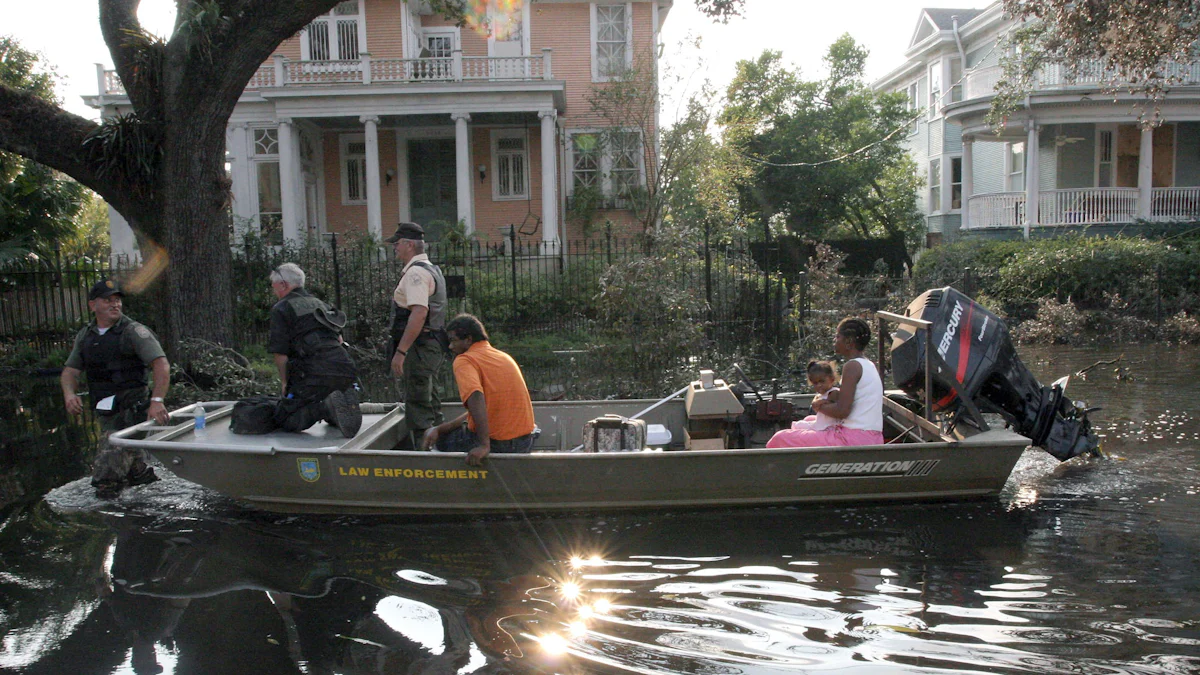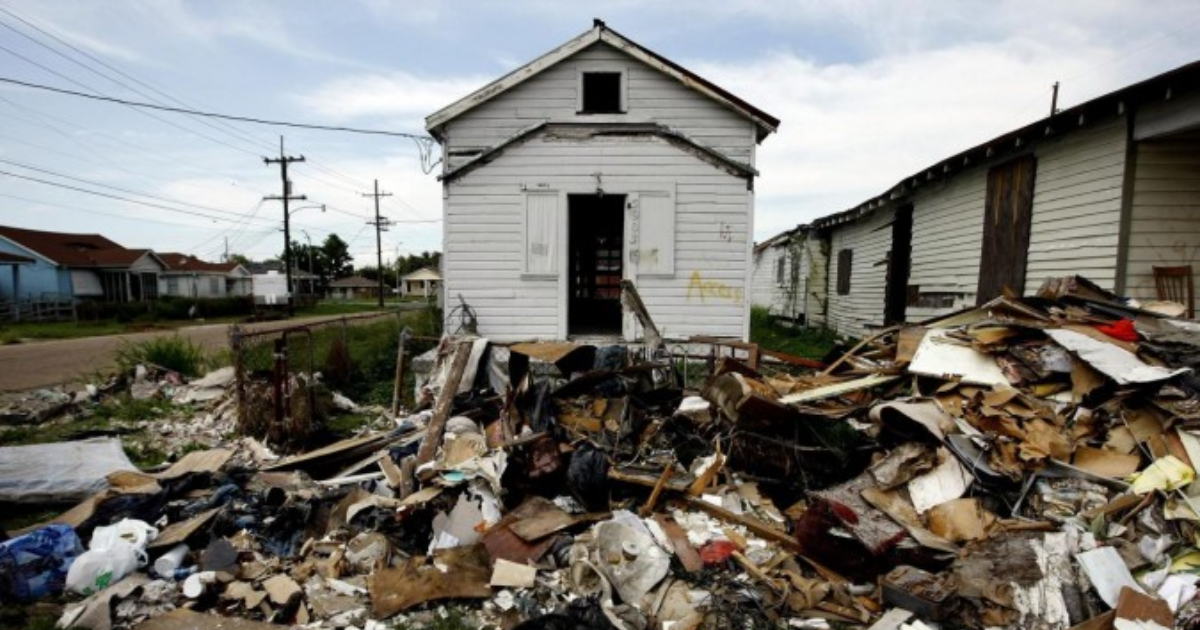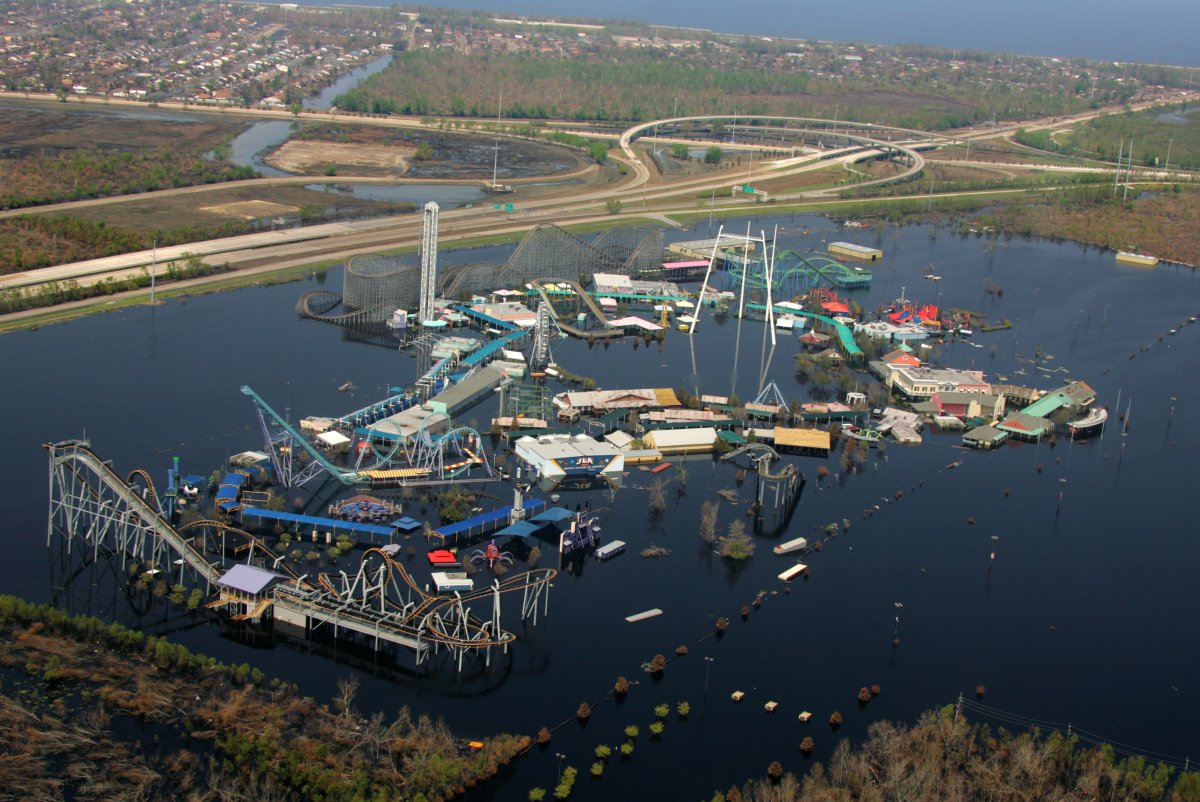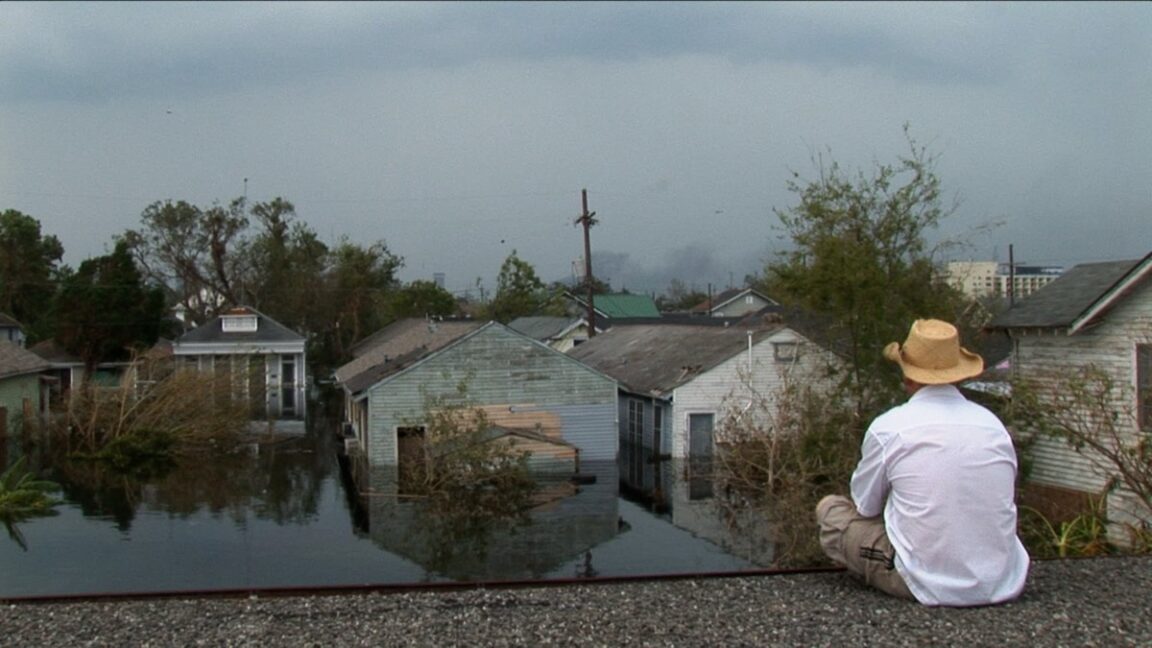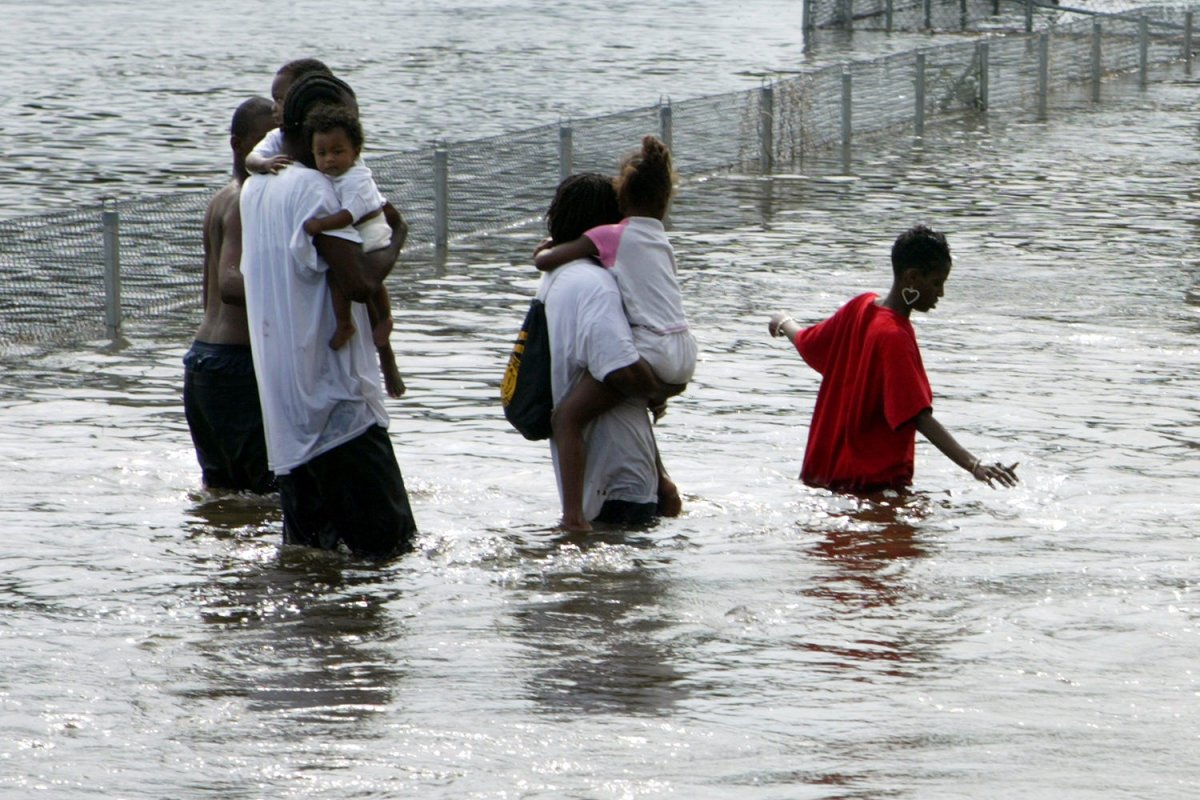
Twenty years later, Edward Buckles Jr. remembers Katrina − remembers at age 13 having his neighborhood swept away by the hurricane's raging waters, a defining moment of his life that would dislodge his family for a time from its New Orleans roots.
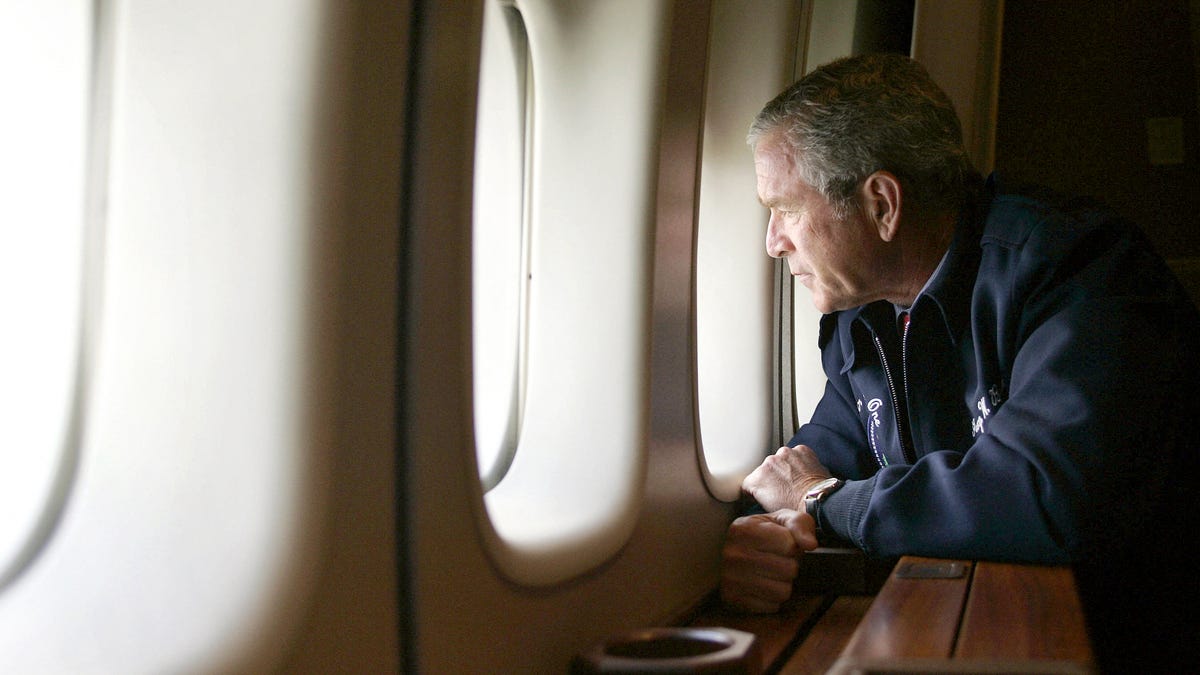
Twenty years later, America remembers Katrina, too − remembers one of the deadliest natural disasters in modern U.S. history, raising questions that persist today about the crises of climate, the role of government and the nation's divides by race and class.
In a new USA TODAY/Ipsos Poll, 85% of Americans said they were familiar with Hurricane Katrina despite the passage of two tumultuous decades packed with competing news events, from an economic meltdown to wars abroad to a global pandemic.
"The images are just burned into people's minds and hearts and souls about what those days and weeks looked like with the city underwater," said Mary Landrieu, then a Democratic senator from Louisiana, the daughter of one New Orleans mayor and the sister of another. "The thousands of people that were stranded at the Superdome − I mean, that was a catastrophe and a real failure of the local, state and federal government."
As the hurricane approached, she and her extended family fled their summer camp on Lake Pontchartrain. Hours later, "it was destroyed," she said in an interview. "There wasn't a stick or a stone left."