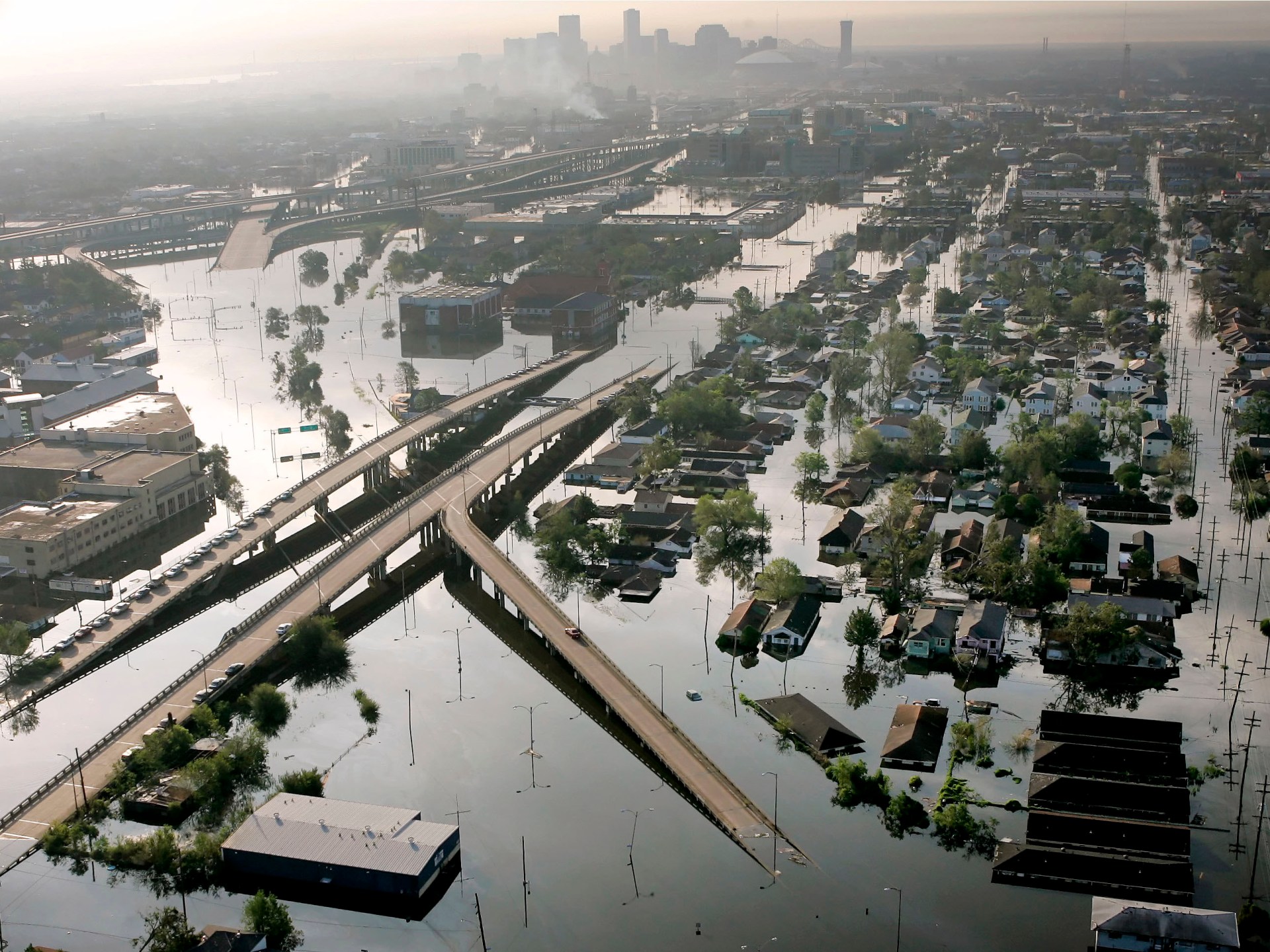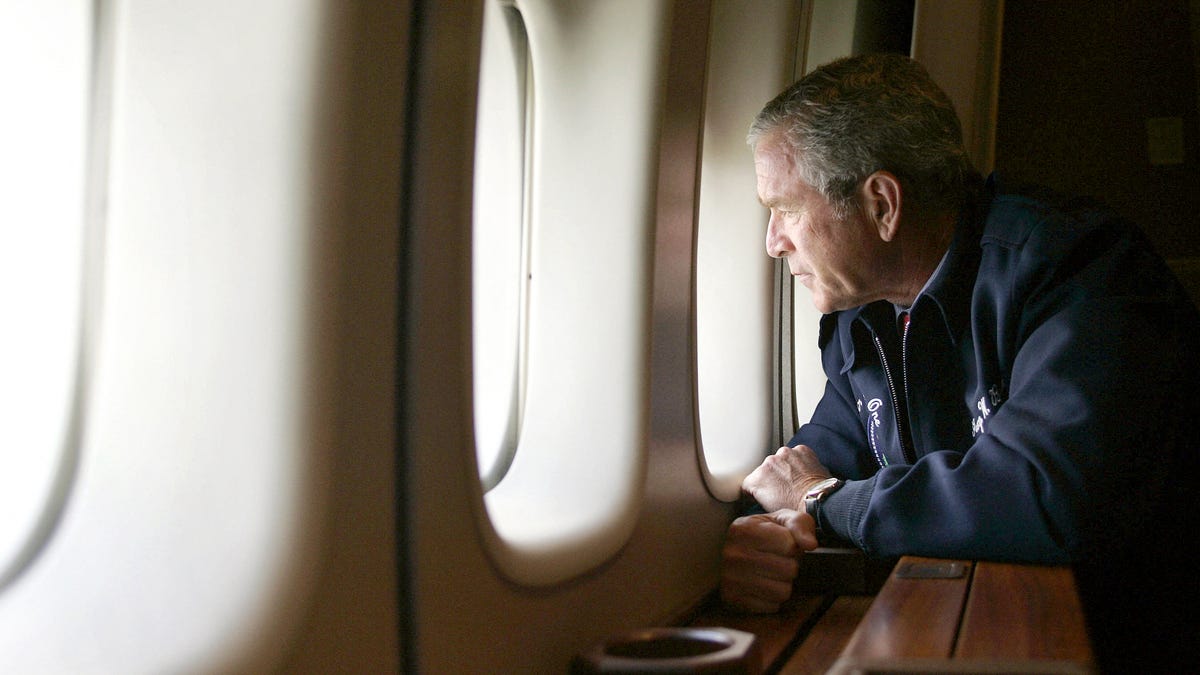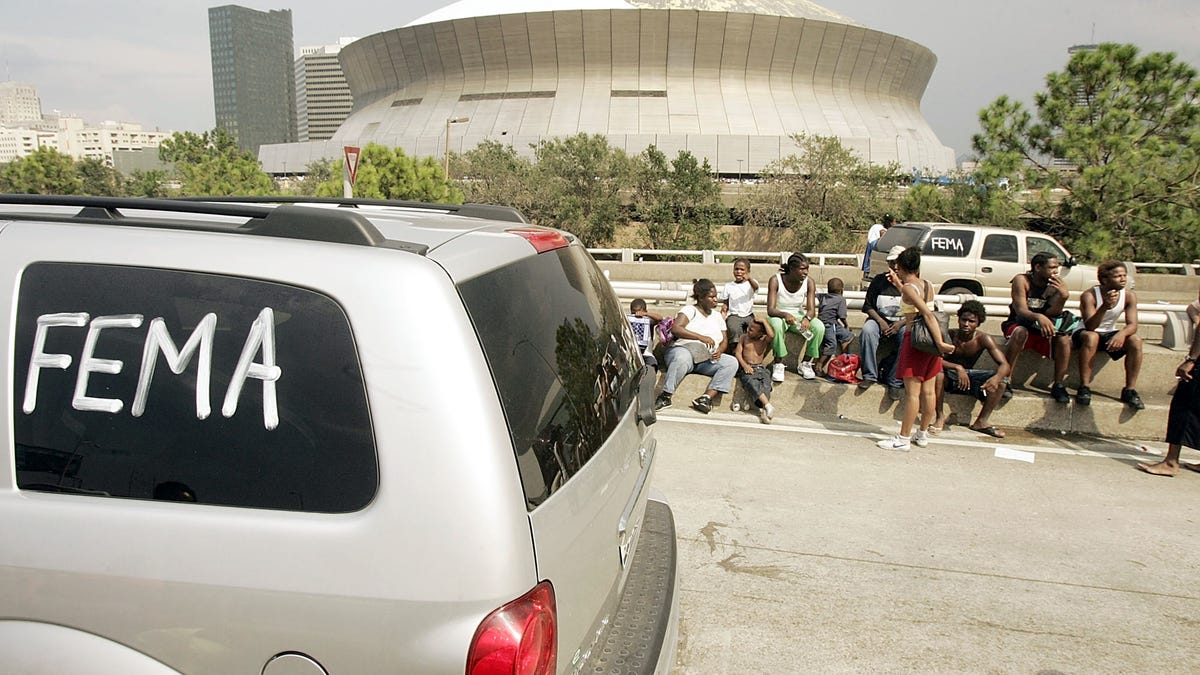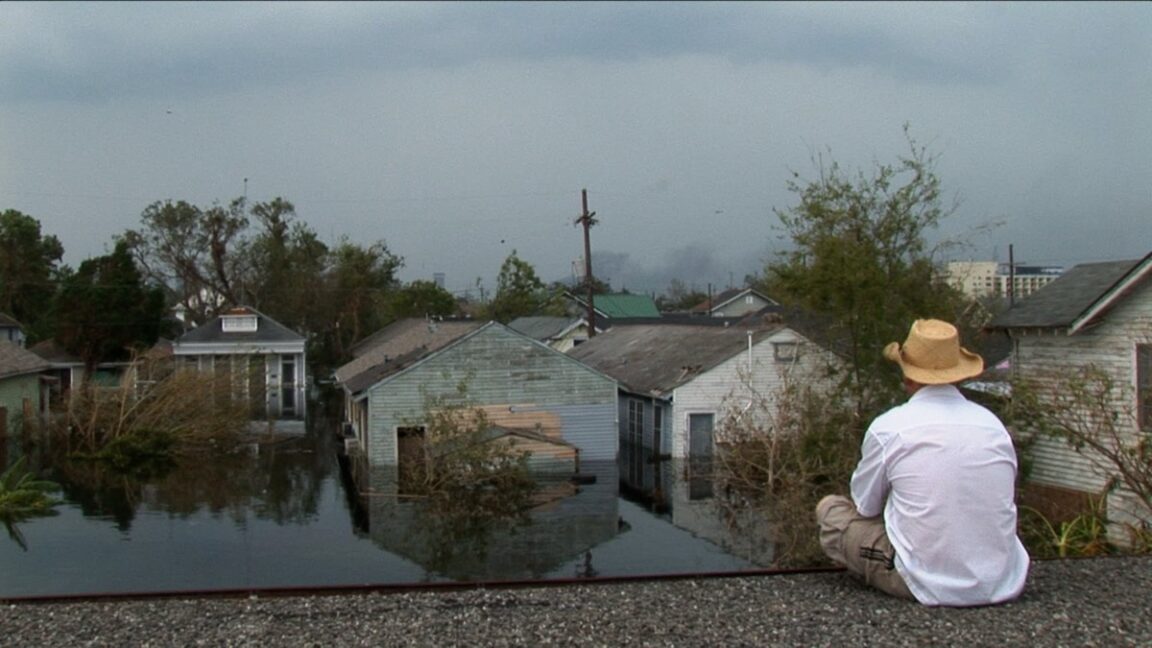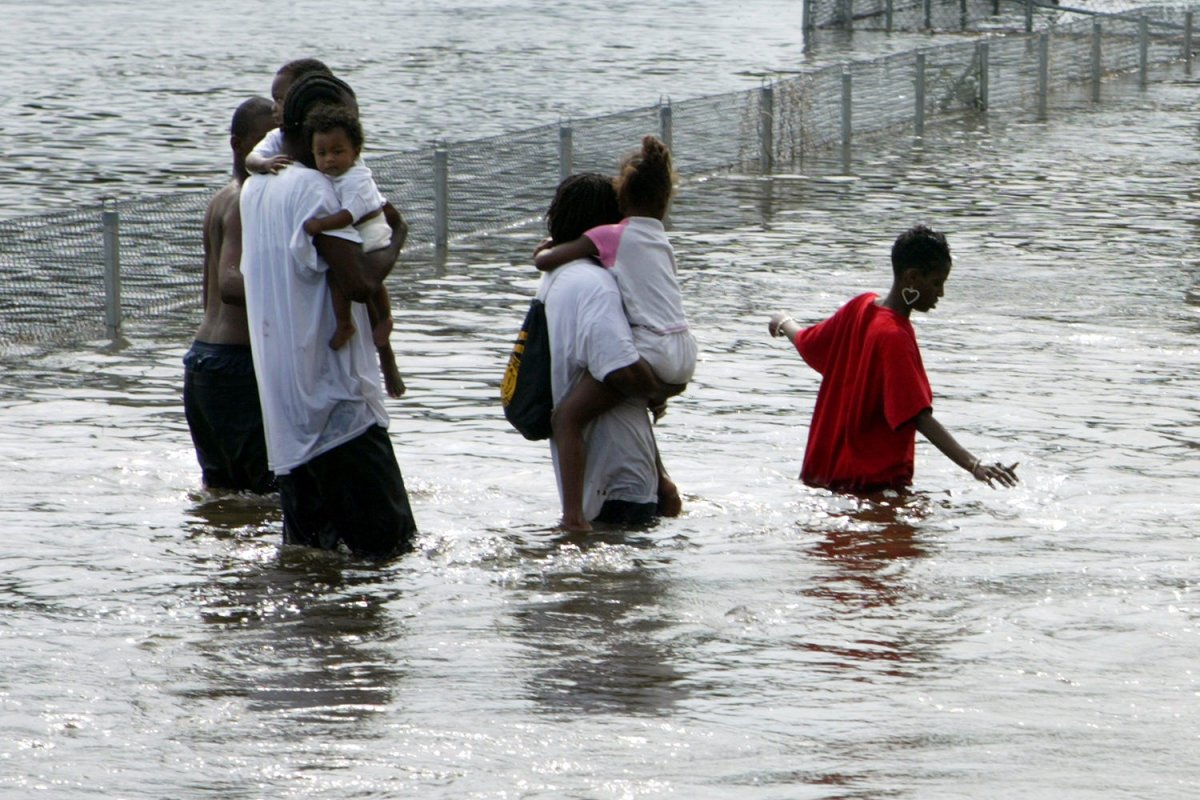
Hurricane Katrina roared ashore in late August 2005, doing more than physically devastating New Orleans and the entire Gulf Coast. Katrina also exposed layers of systemic failures − in infrastructure, planning, intergovernmental coordination, communications and, ultimately, in leadership at all levels.
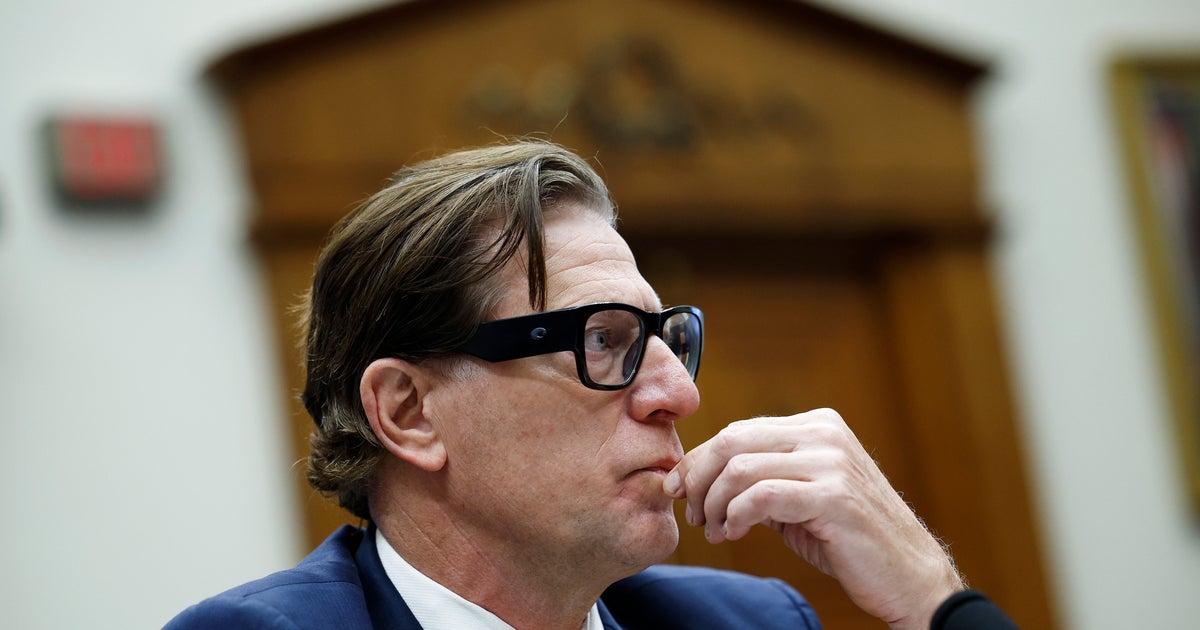
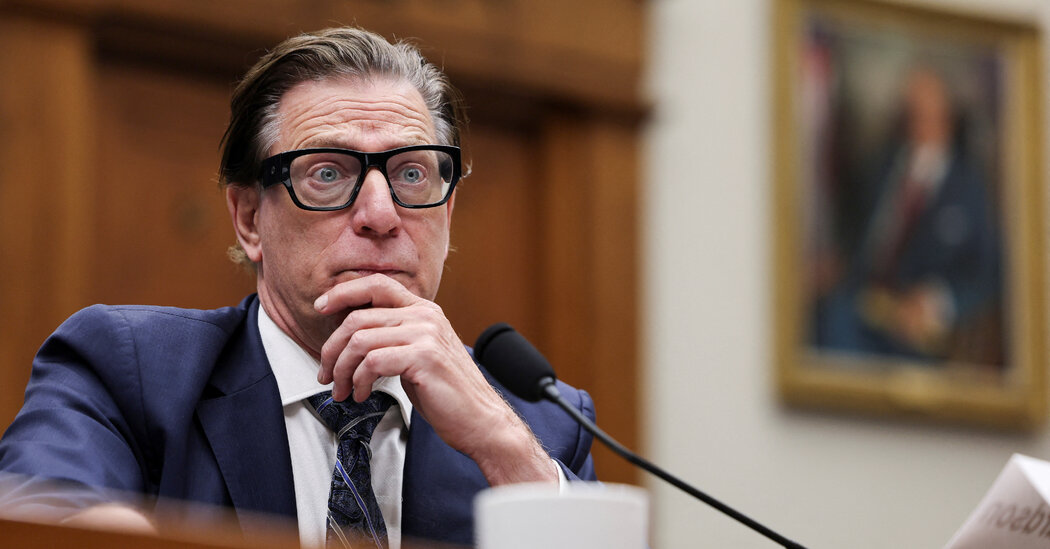
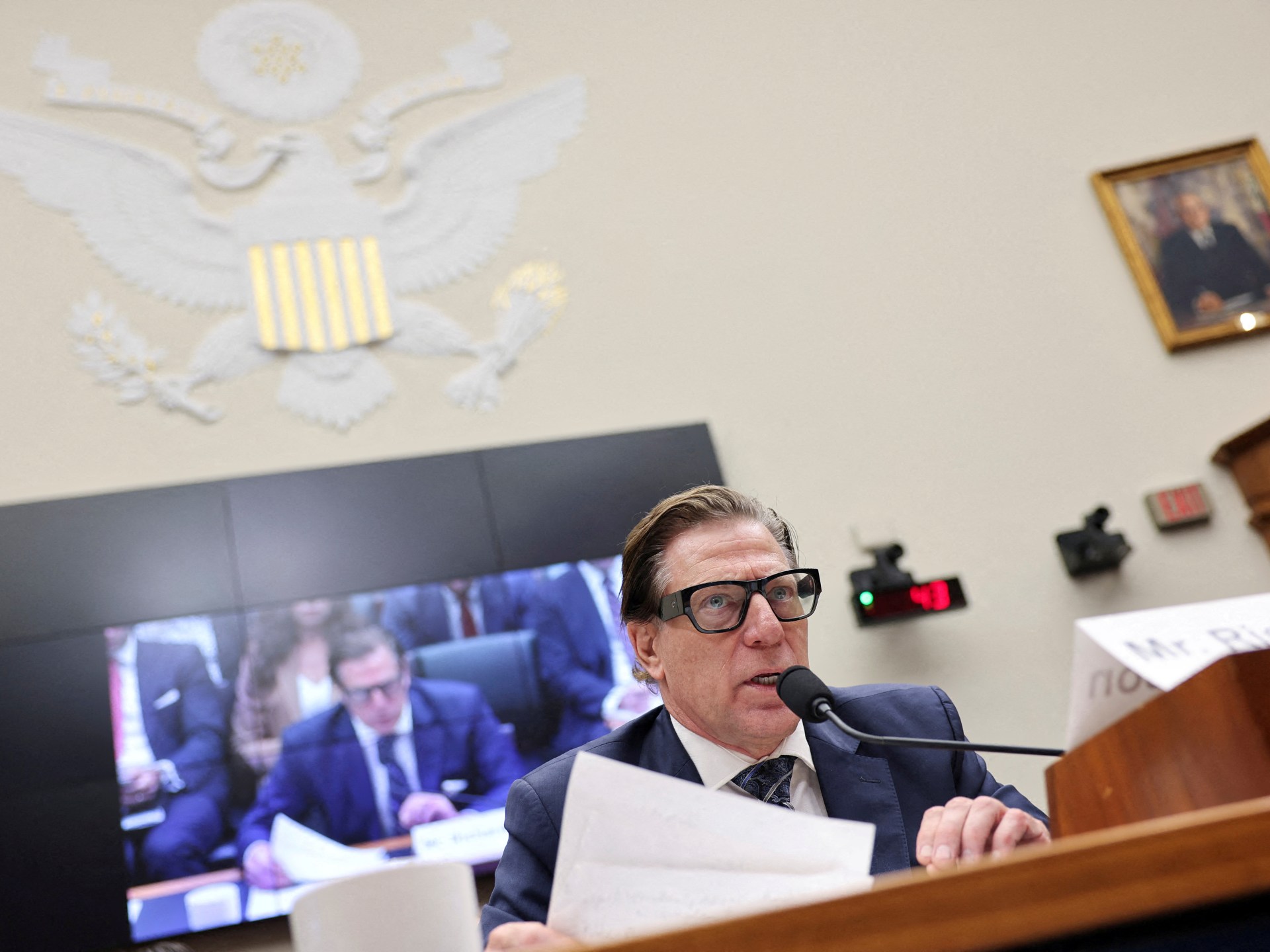
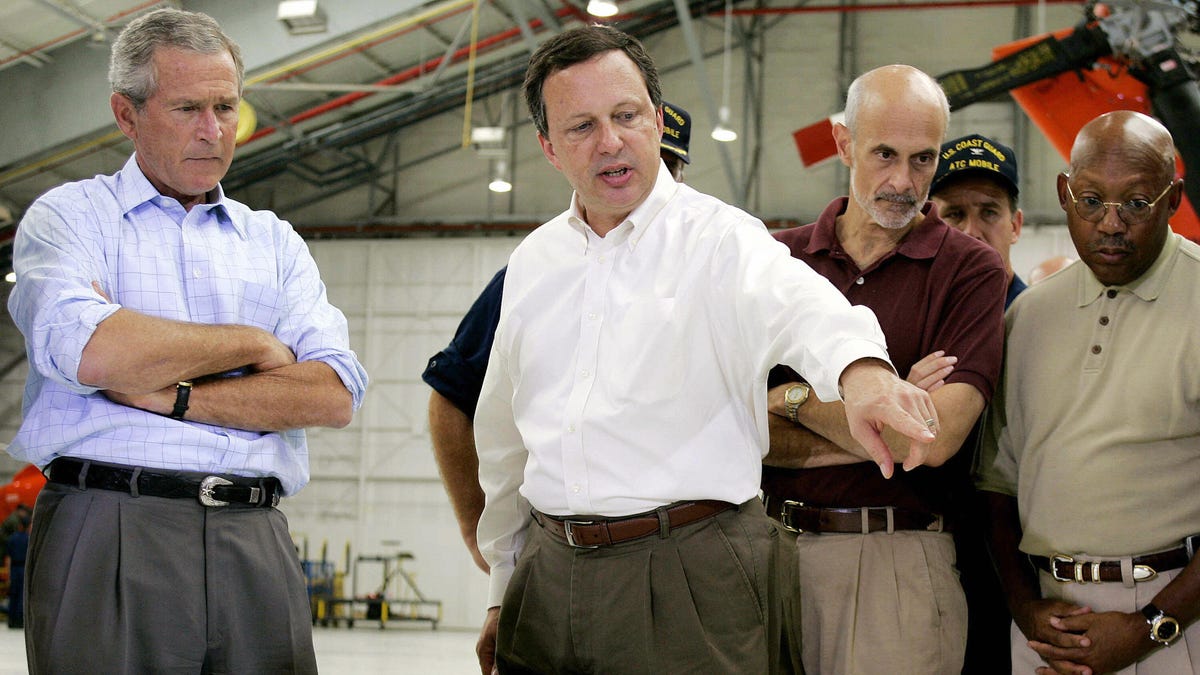
In the months and years following, the nation embarked on a frantic search for accountability. The face most frequently attached to this tragedy in search of blame became me, then director of the Federal Emergency Management Agency.
This cascading chain of failure began decades before I became the undersecretary of Homeland Security and director of FEMA.
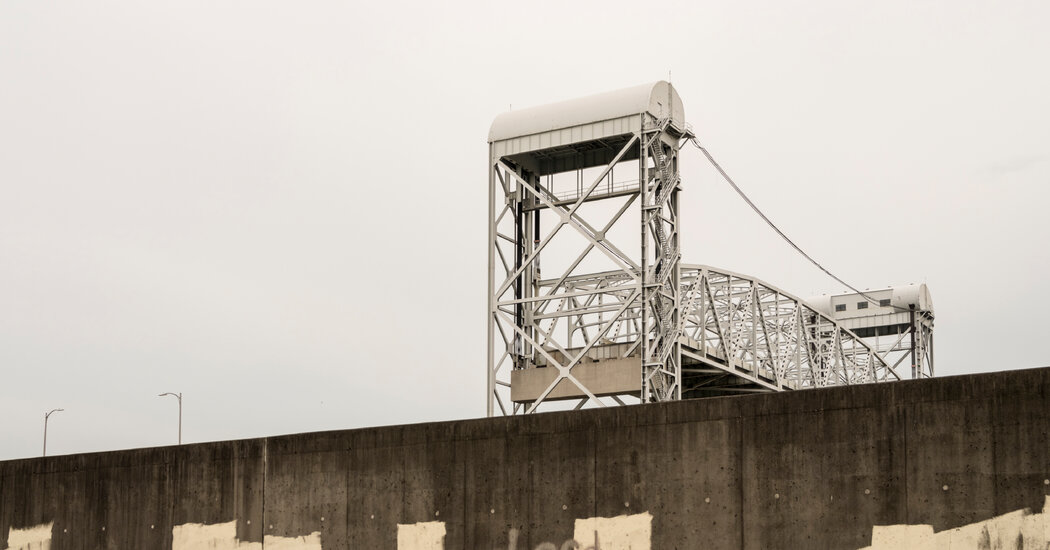
Engineering experts warned that the Army Corps of Engineers’ levees and flood protection infrastructure were inadequate, poorly maintained and prone to catastrophic failure. Pressured by limited funding and a culture of underestimating risk, they built systems designed for a “fast-moving Category 3 hurricane," not a storm of Katrina’s size.
The result was tragically predictable: Hours after Katrina's landfall, the levees breached, immediately creating unprecedented logistical and humanitarian challenges.