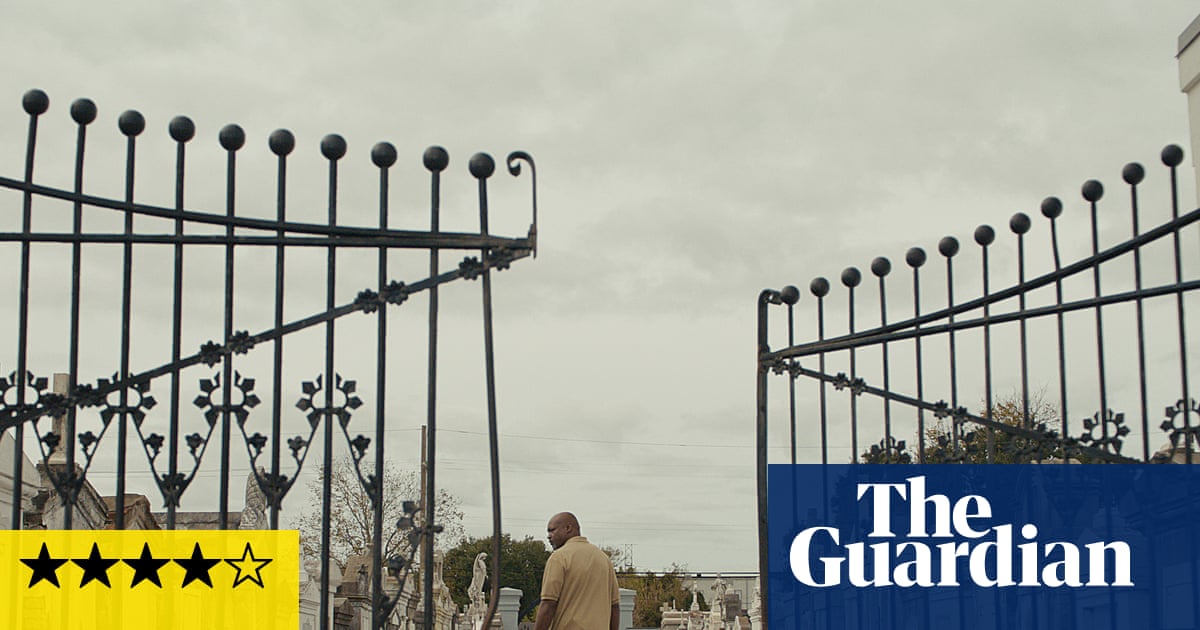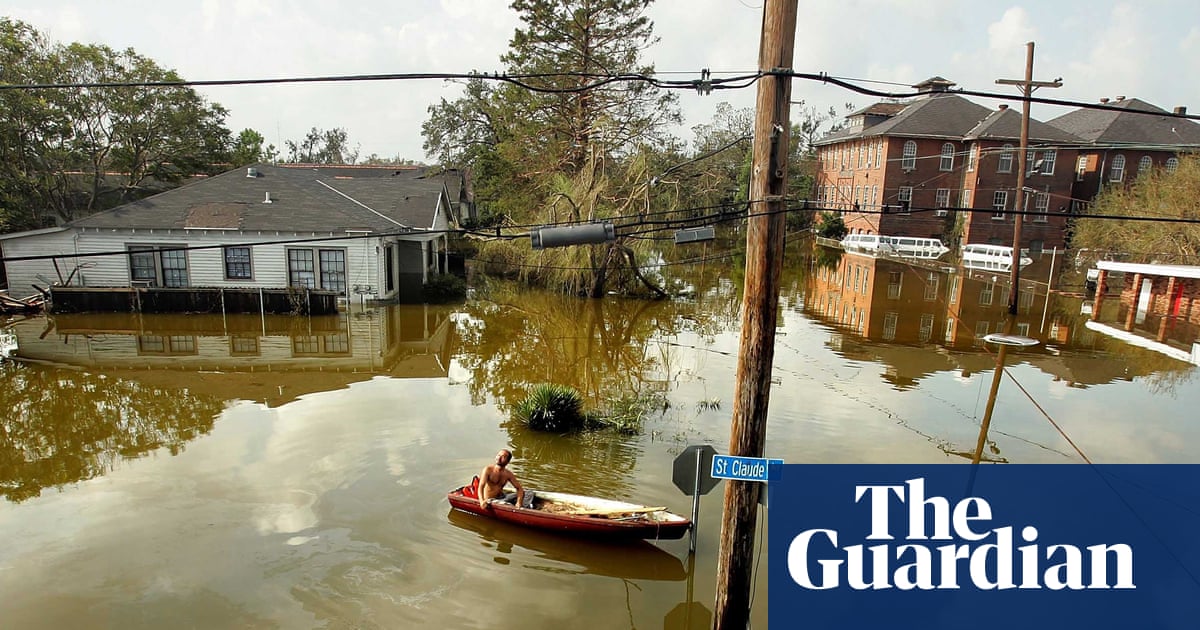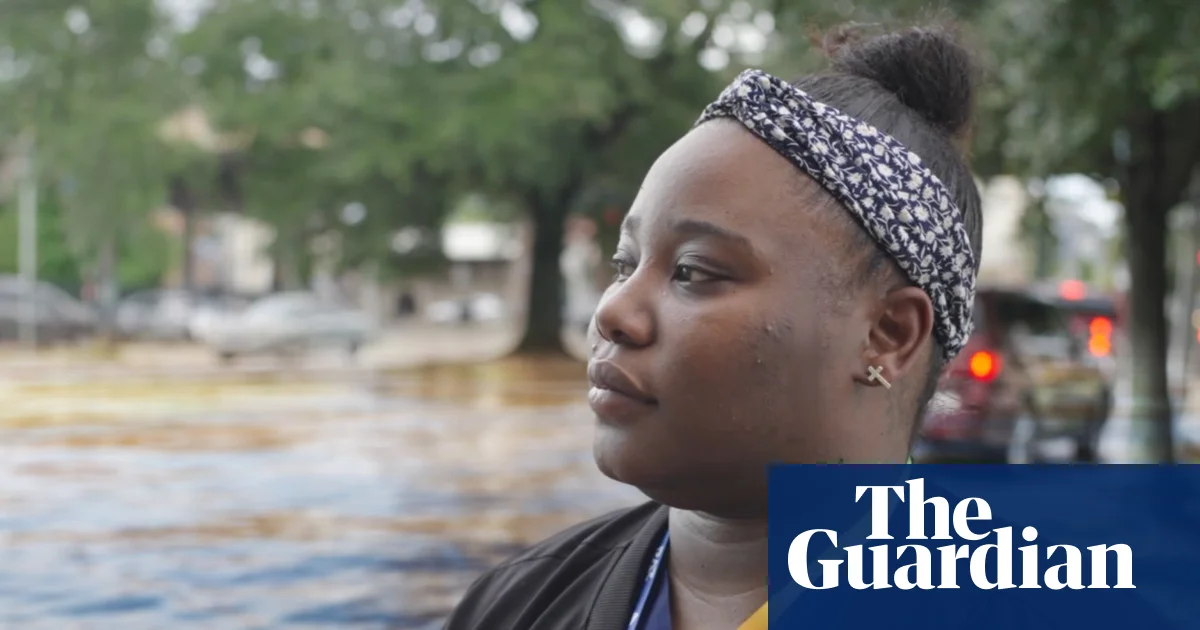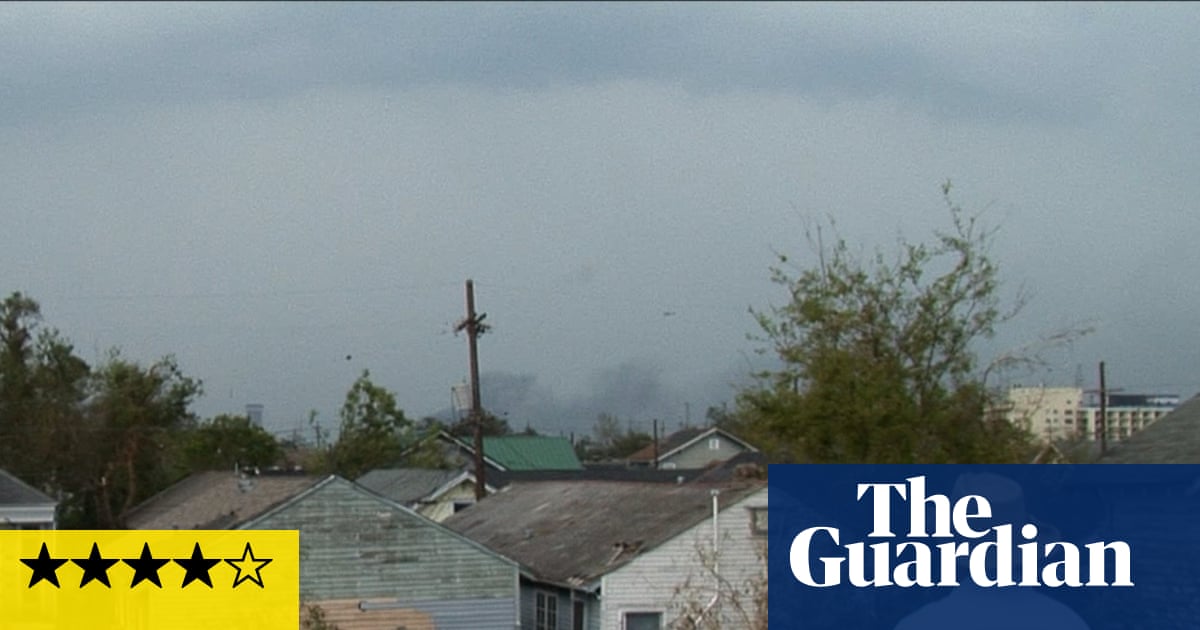
This powerful documentary is a devastatingly precise illustration of systemic failure, political impotence and media distortion. Even two decades later it feels relevant
W
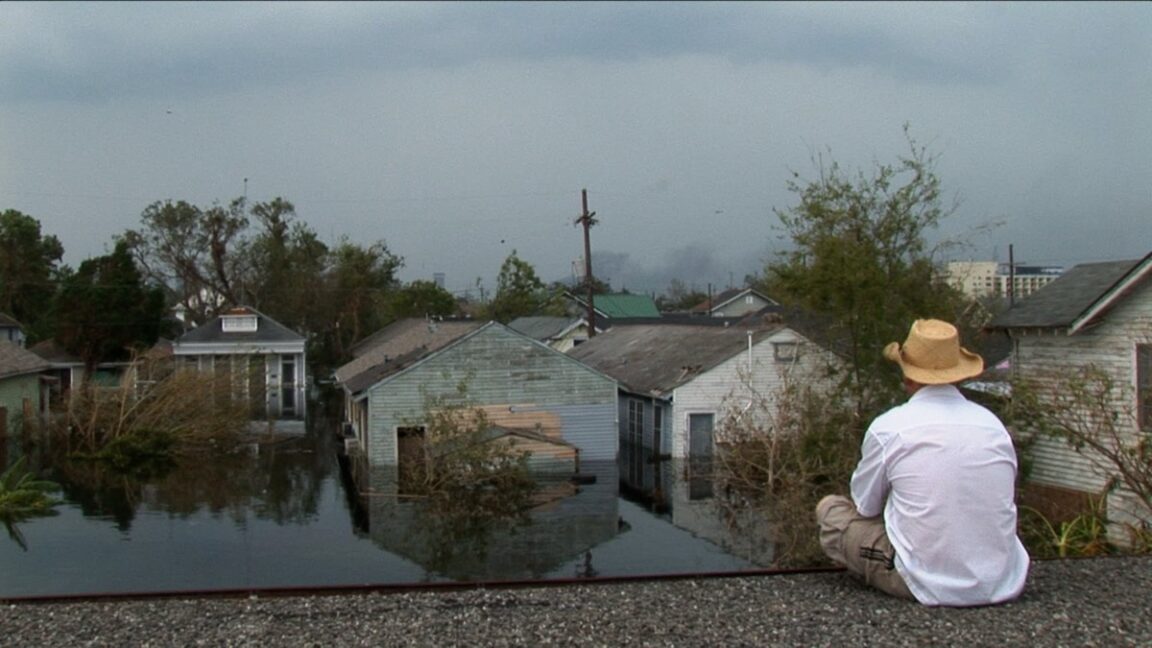
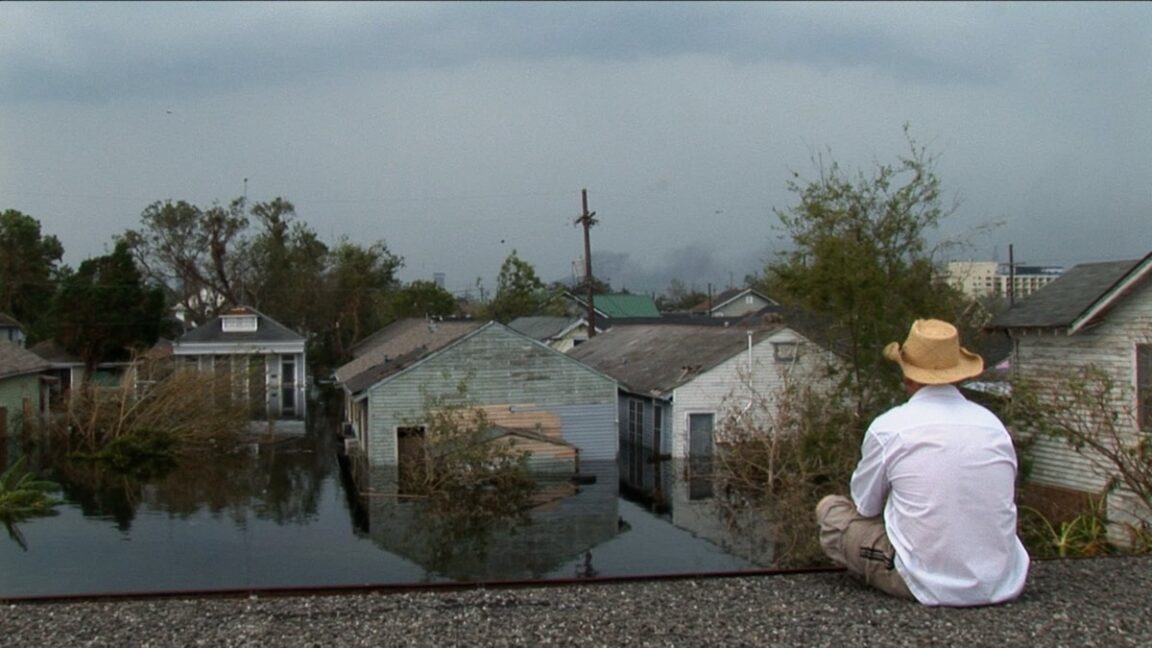
hat makes a disaster into a tragedy? It’s a question that looms large over the five episodes of this gripping and frequently upsetting series exploring the events that overwhelmed New Orleans in late August 2005. According to the community organiser and survivor Malik Rahim, the answer is simple: “A tragedy is when we fail to do what we should be doing.” Hurricane Katrina’s size and ferocity meant that it was probably always going to be a disaster. Traci A Curry’s documentary explores the man-made element of the catastrophe.
This isn’t the first epic series to tackle this subject and it isn’t quite the best. Made in Katrina’s immediate aftermath, Spike Lee’s 2006 masterpiece When the Levees Broke was a polemic wrenched from the soul, mining furious energy from the proximity of the event. Hurricane Katrina: Race Against Time is more reflective and less visceral as those at the heart of the story now bear witness at two decades’ remove. The dominant tone has shifted from anger to resigned sadness.
All the same, it still packs a powerful punch. Hurricane Katrina: Race Against Time tells its story in linear fashion, as if laying out a legal prosecution case. First, it shows that there was no excuse for the city to be as unprepared as it was. New Orleans actually got lucky with Katrina. The eye of the storm just missed the city. However, as the documentary explains, the area had, over decades, reduced its natural hurricane defences as the surrounding wetlands (which had mitigated storm surges) were diminished by the activities of oil and gas companies.