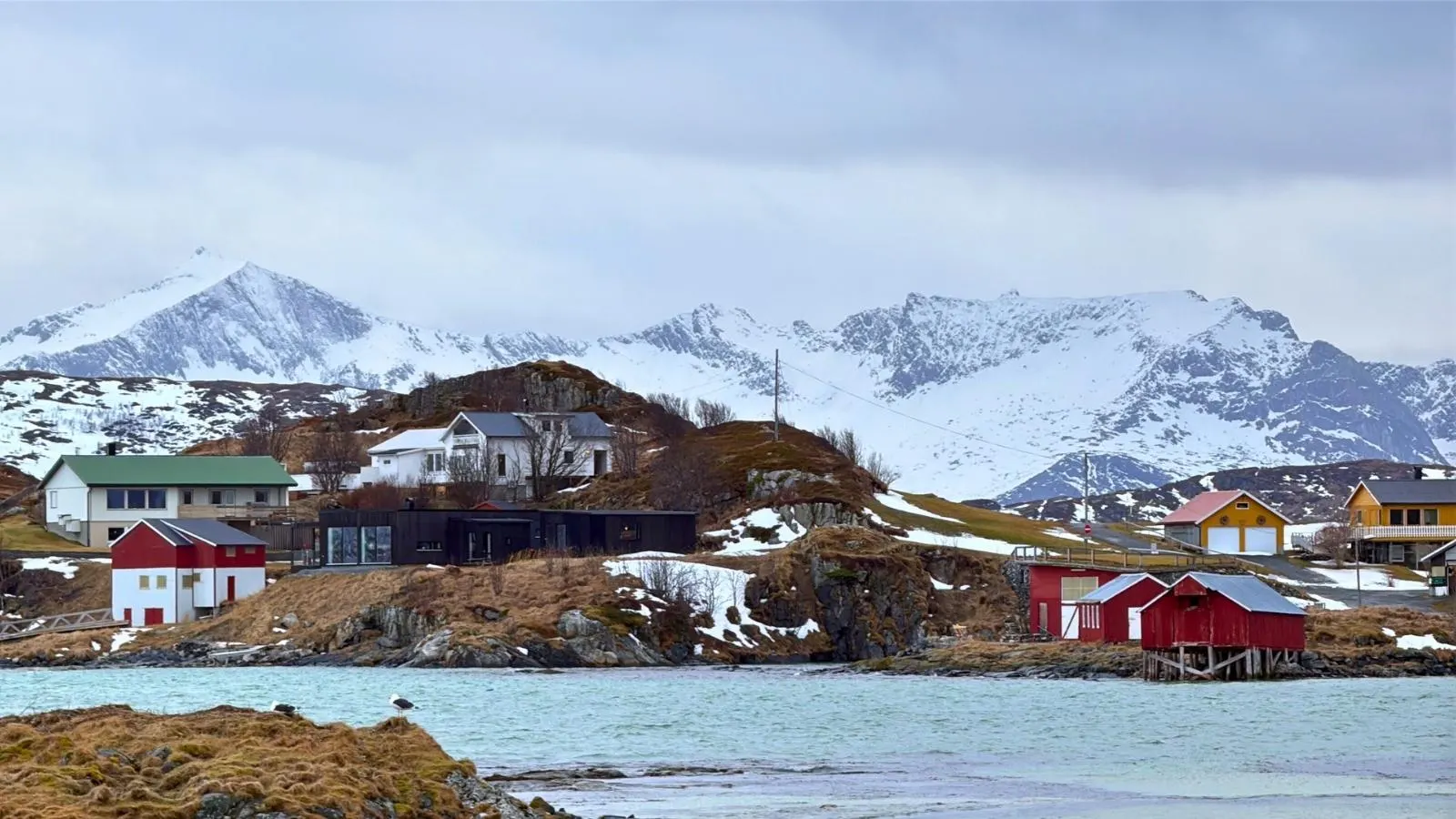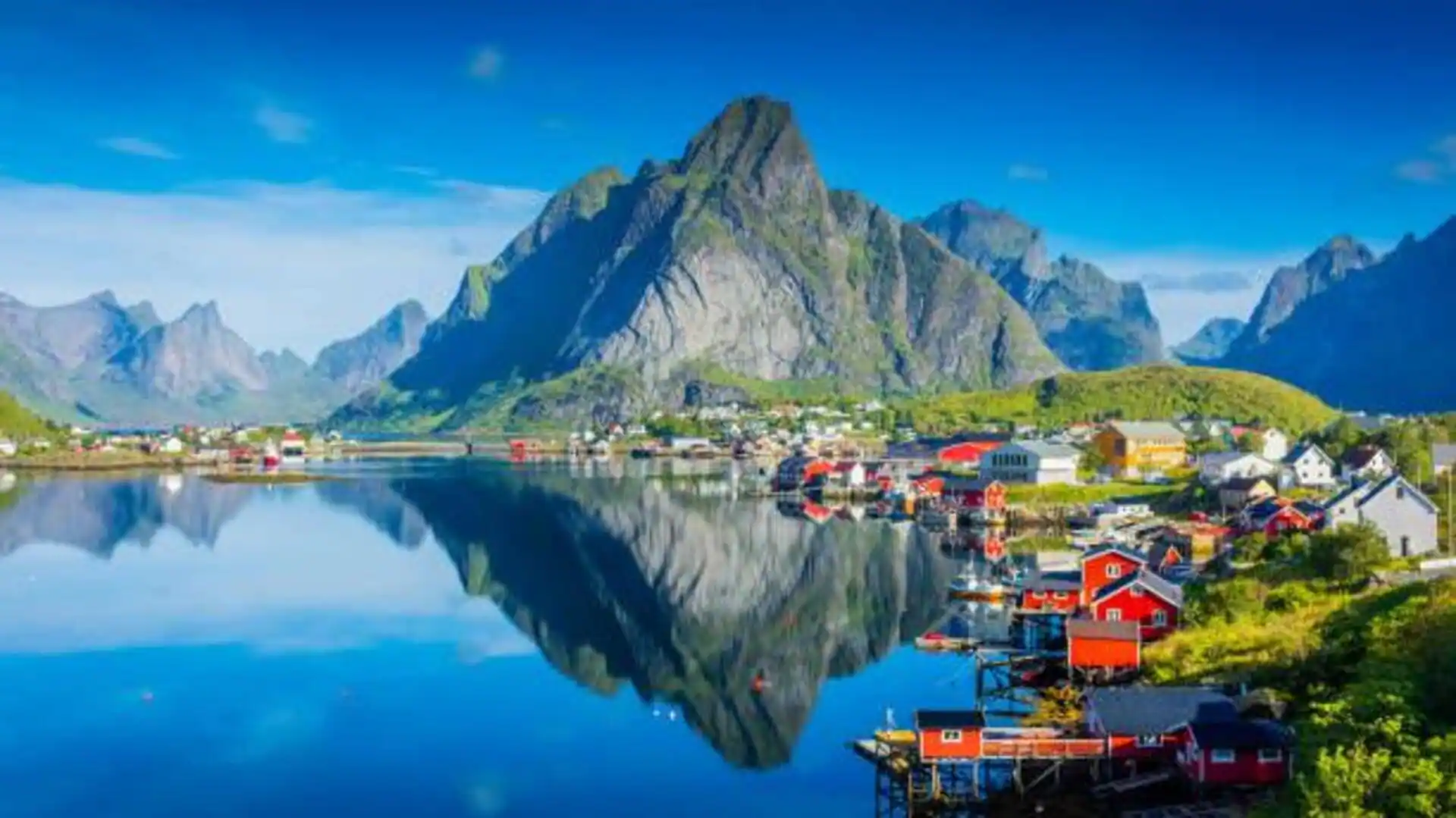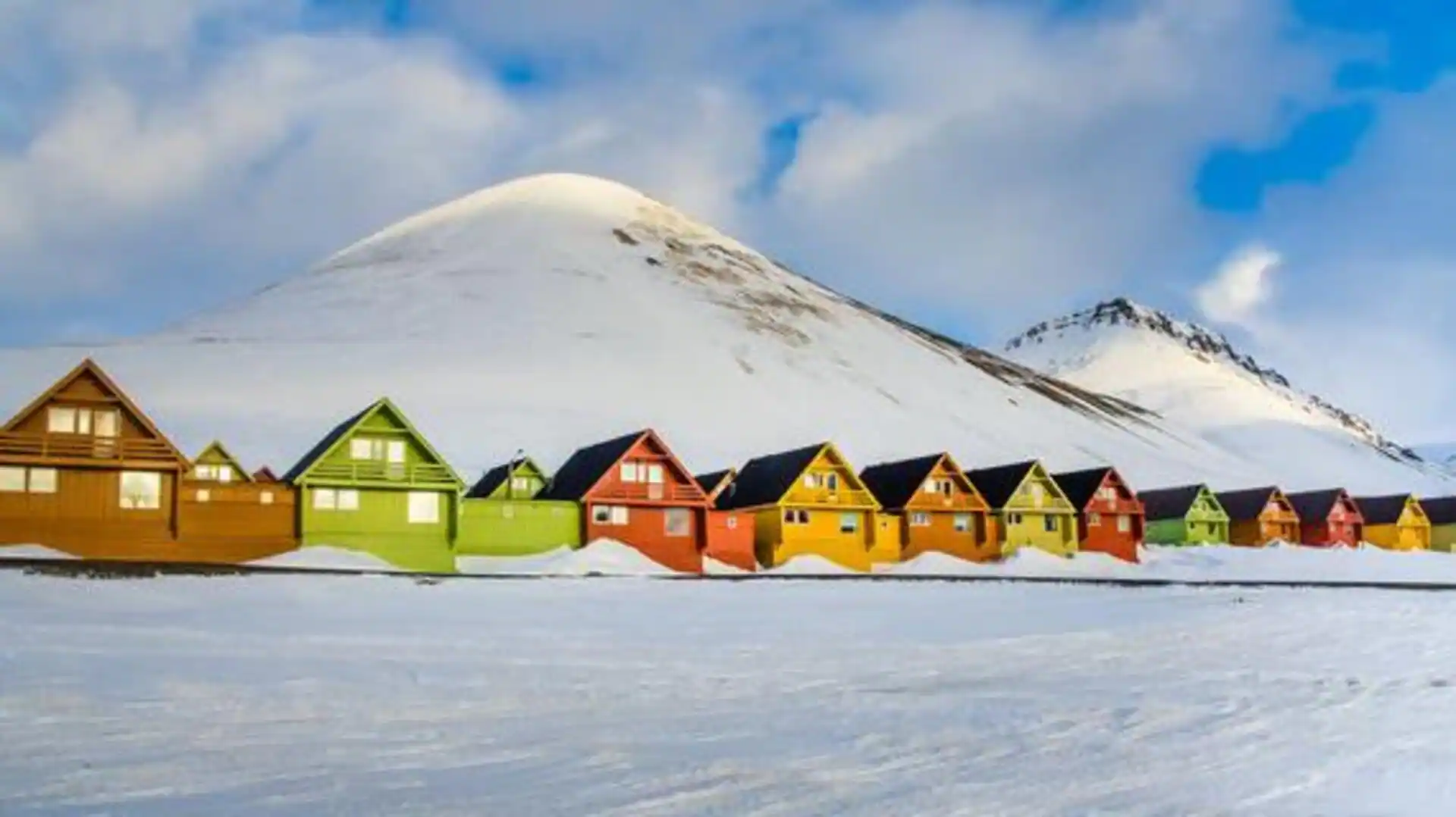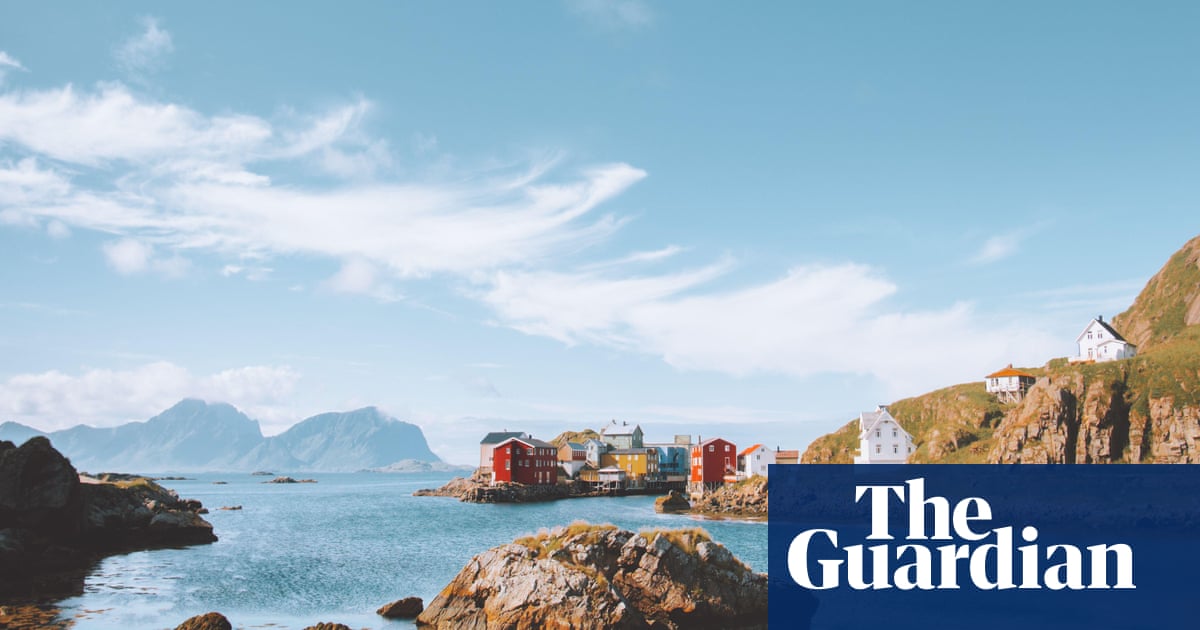
A handful of returning locals and adventurous tourists are breathing new life into Nyksund, a remote coastal outpost in Norway’s wild northwest
W
e land on a white sand beach under jagged black mountains. A sea eagle, surprised to see humans, flaps away over the only house with a roof on it – the rest are in ruins. “Hundreds of people used to live here,” says Vidar. “In the days when you had to sail or row, it was important to be near the fishing grounds. Now there’s just one summer cabin.”
Jumping out of the boat, we walk along the beach. My daughter, Maddy, points out some animal tracks. “The fresh marks are wild reindeer,” says Vidar. “The older ones could be moose – they come along here too.”
Beyond the end of the beach are the small fields that the inhabitants once cultivated, now covered in wild flowers. In winter this would be an inhospitable place, but at the height of summer the flora and fauna are booming under a sun that never goes down. The people hunted a special type of cod, Vidar explains, the skrei, which migrates west from the Barents Sea to breed off Arctic islands such as this one, Skogsøya. This is the extreme edge of north-west Europe, isolated from the rest of Norway by a maze of twisting fjords and snow-capped inner islands. Head west from this beach and the first landfall is Greenland.