In Nämdöskärgården, in the Stockholm archipelago, low-impact tourism is helping visitors appreciate the region’s fragile ecology and ocean conservation efforts
P
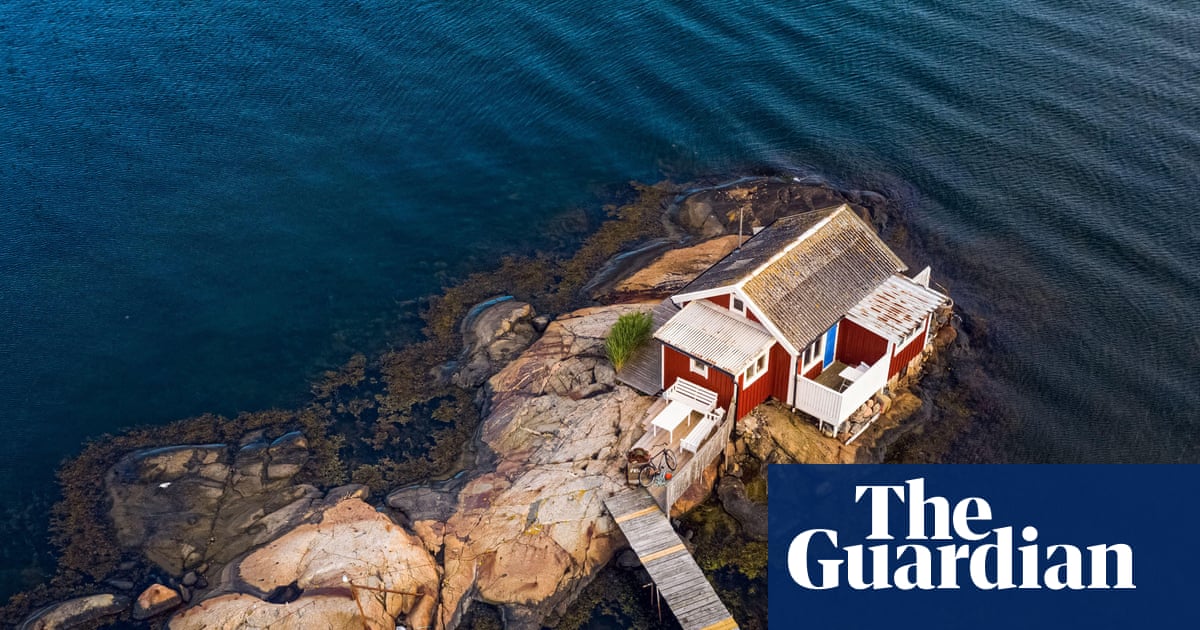
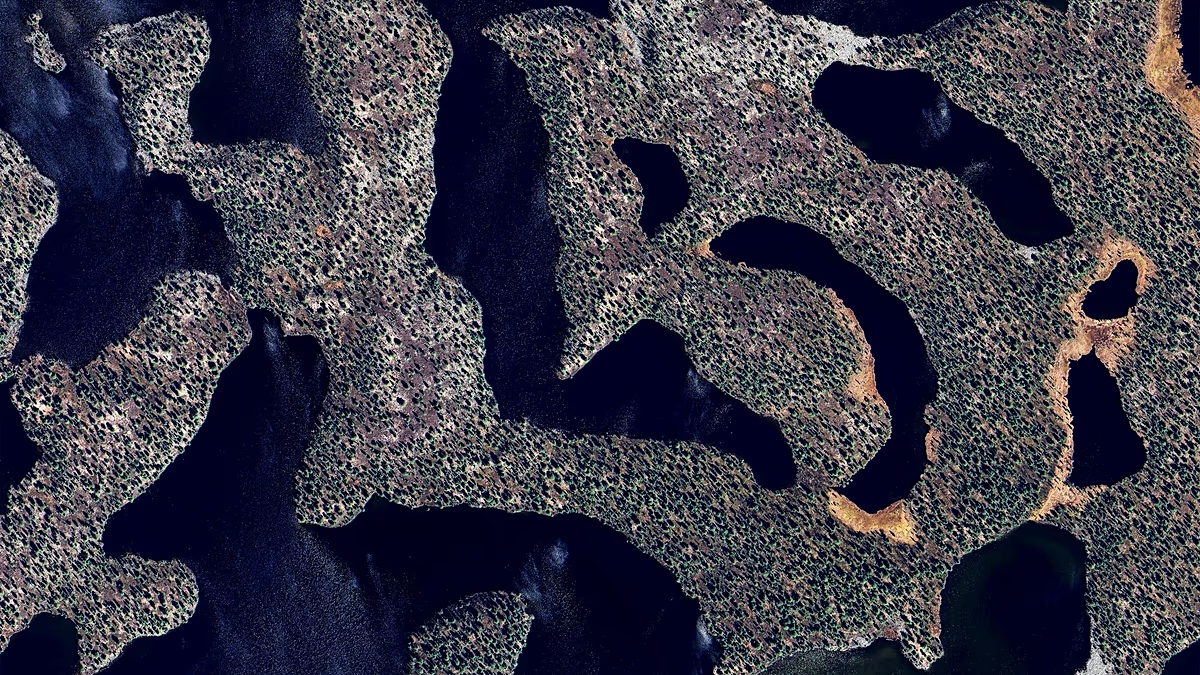
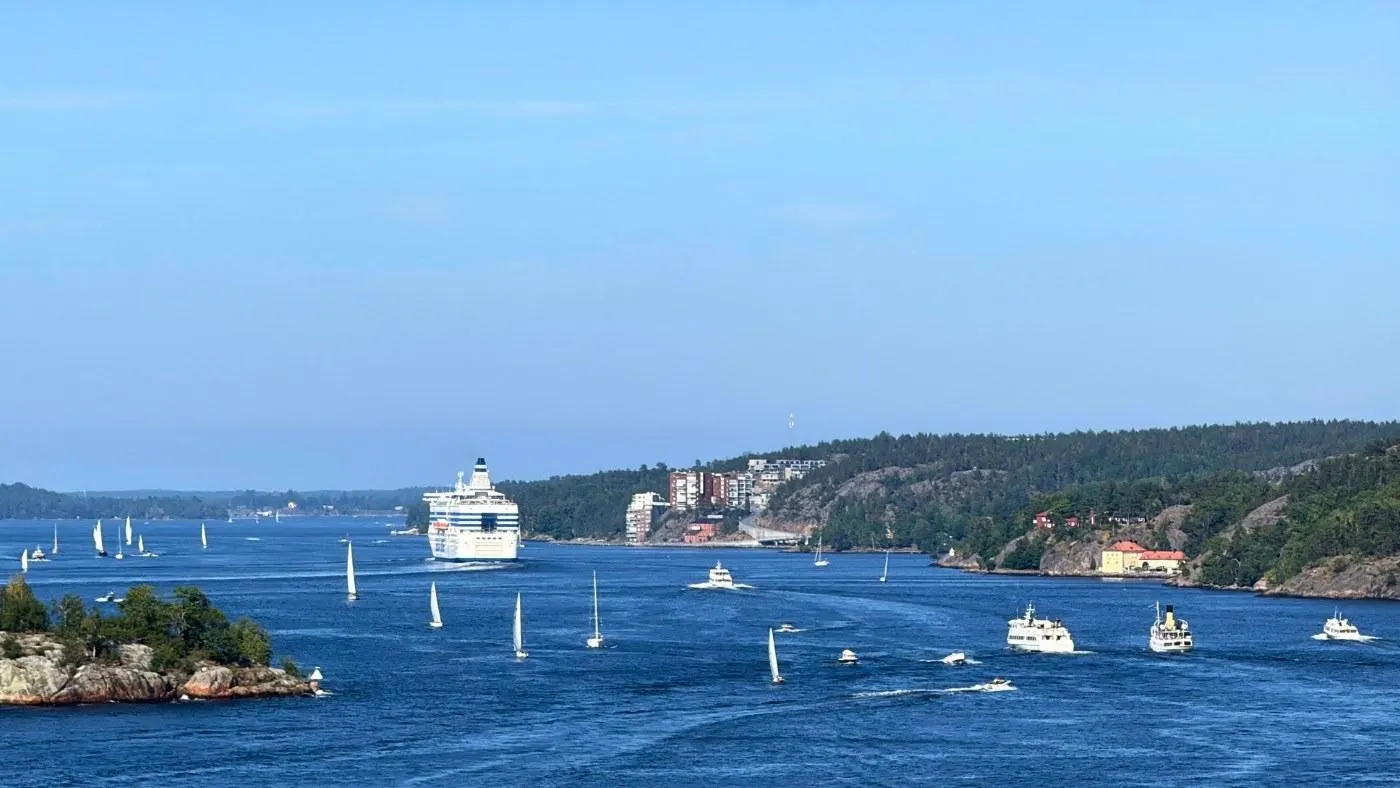
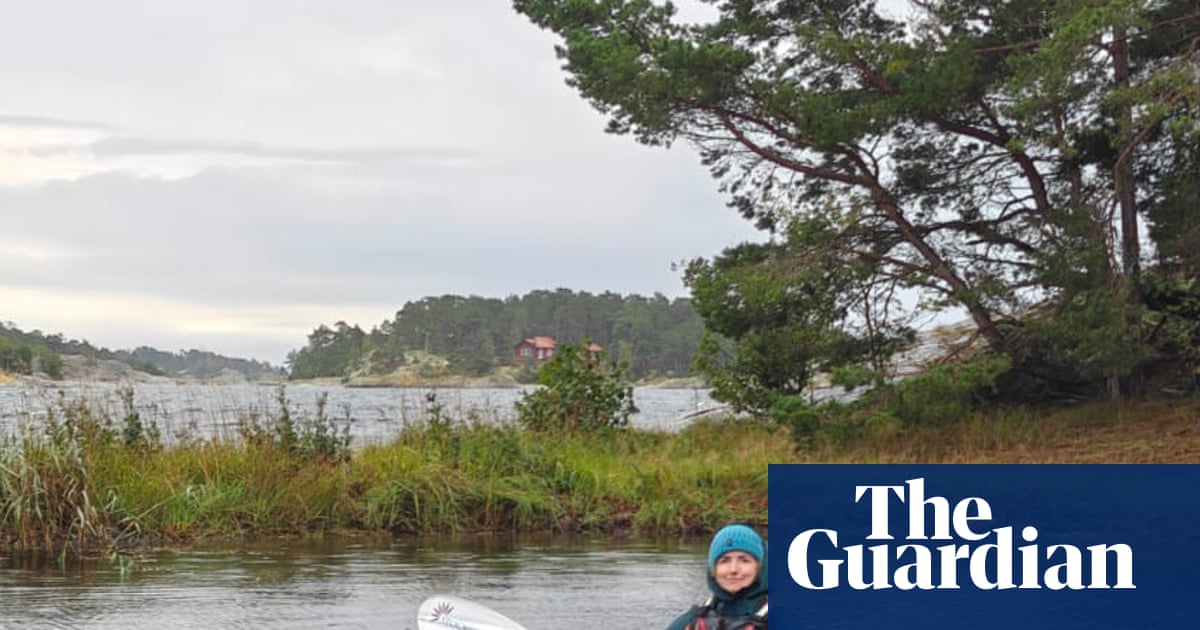
addling through the inky blue water in Stockholm’s outer archipelago, all I can see is scattered islands and birds. Some of the islands are mere skerries – rocky outcrops and reefs so small they can host but a single cormorant drying its outstretched wings – while others, such as our target Bullerön, can be a mile or more in length, with historic fishing huts, summer cottages and wooden jetties sitting among their smoothly weathered rocks and windswept forests.
I’m on a two-day sea kayaking tour of Nämdöskärgården, a newly established marine national park, which is a vast 25,000 hectares (62,000 acres) of protected, mostly blue space – it is 97% covered by water – beginning on the outer reaches of the archipelago and stretching well into the Baltic Sea.
It is Sweden’s second marine national park, alongside Kosterhavet on the west coast, and its creation was approved by Swedish parliament in June this year, a summer in which the country also banned bottom trawling – the destructive fishing practice that Sir David Attenborough has likened to “bulldozing a rainforest” – from its marine national parks and nature reserves by July 2026. It’s the first European country to do so (the UK appears to have rejected whole-site bans in more marine protected areas, despite its earlier pledge to extend these – much to the dismay of conservationists).