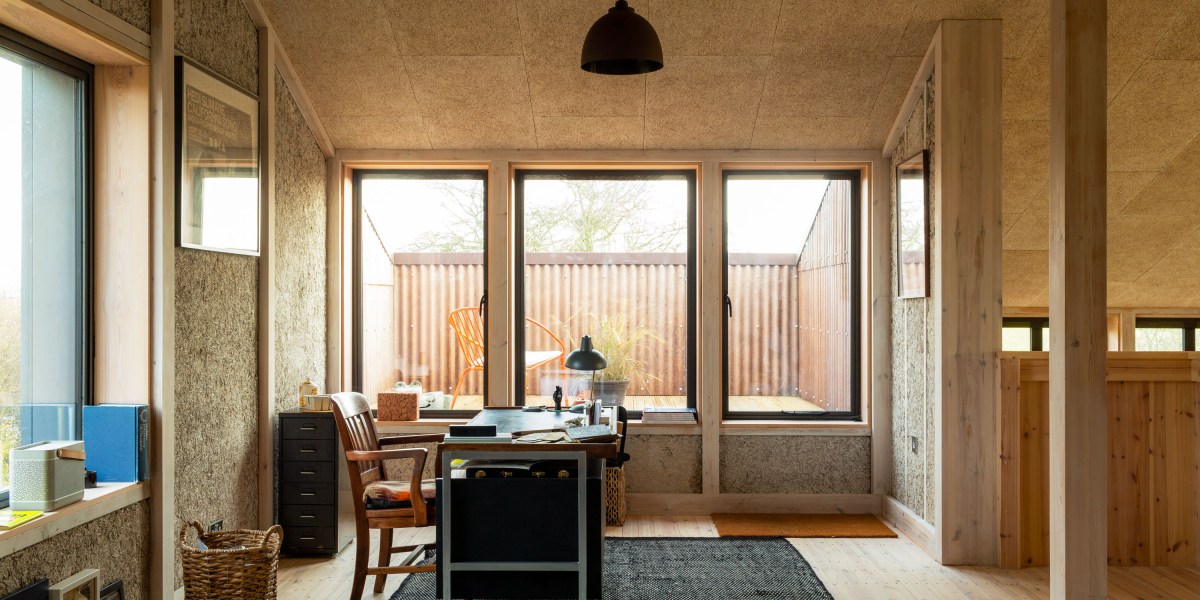
Paloma Gormley is leading Material Cultures, which has a DIY approach to material sustainability in architecture, to build the future from the ground up.
Despite decades of green certifications, better material sourcing, and the use of more sustainable materials such as mass timber, the built environment is still responsible for a third of global emissions worldwide. According to a 2024 UN report, the building sector has fallen “significantly behind on progress” toward becoming more sustainable. Changing the way we erect and operate buildings remains key to even approaching climate goals.
Awed by a volcanic eruption she witnessed as a child, Arnhildur Pálmadóttir now aims to help architects re-imagine what’s possible.
“As soon as you set out and do something differently in construction, you are constantly bumping your head against the wall,” says Paloma Gormley, a director of the London-based design and research nonprofit Material Cultures. “You can either stop there or take a step back and try to find a way around it.”
Gormley has been finding a “way around it” by systematically exploring how tradition can be harnessed in new ways to repair what she has dubbed the “oil vernacular”—the contemporary building system shaped not by local, natural materials but by global commodities and plastic products made largely from fossil fuels.