https://arab.news/4sxtf
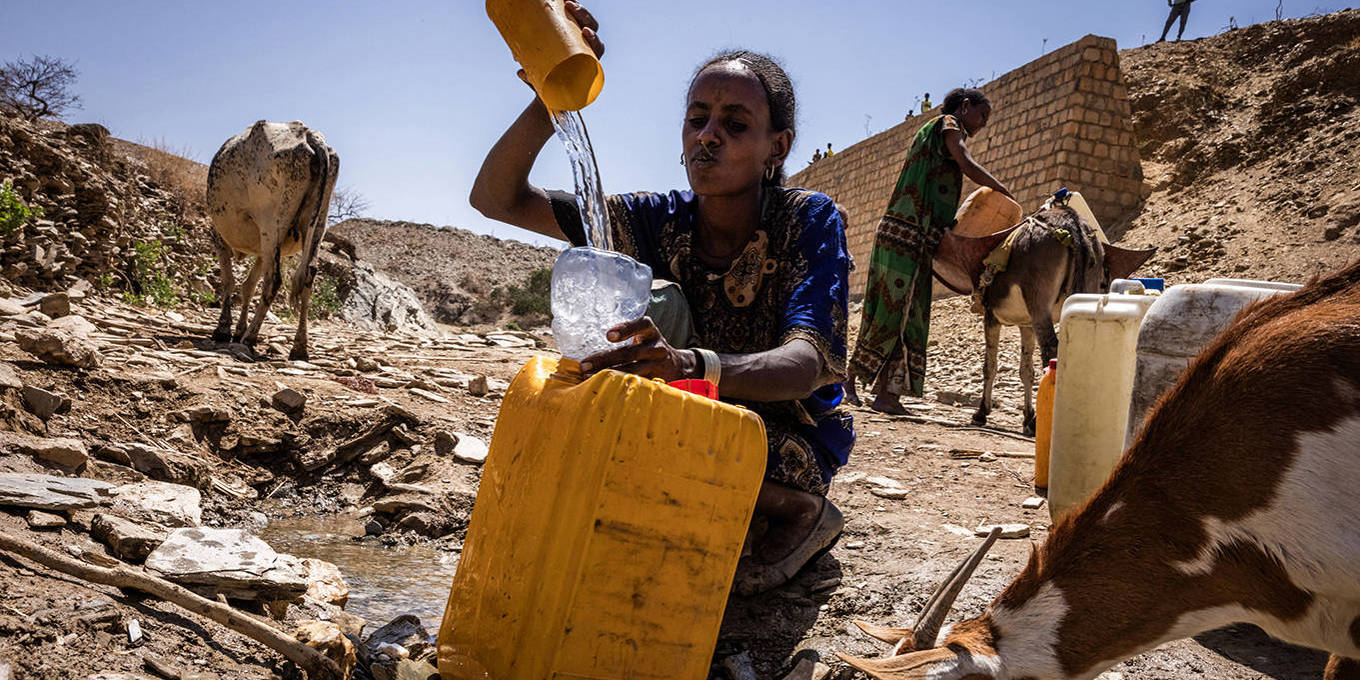
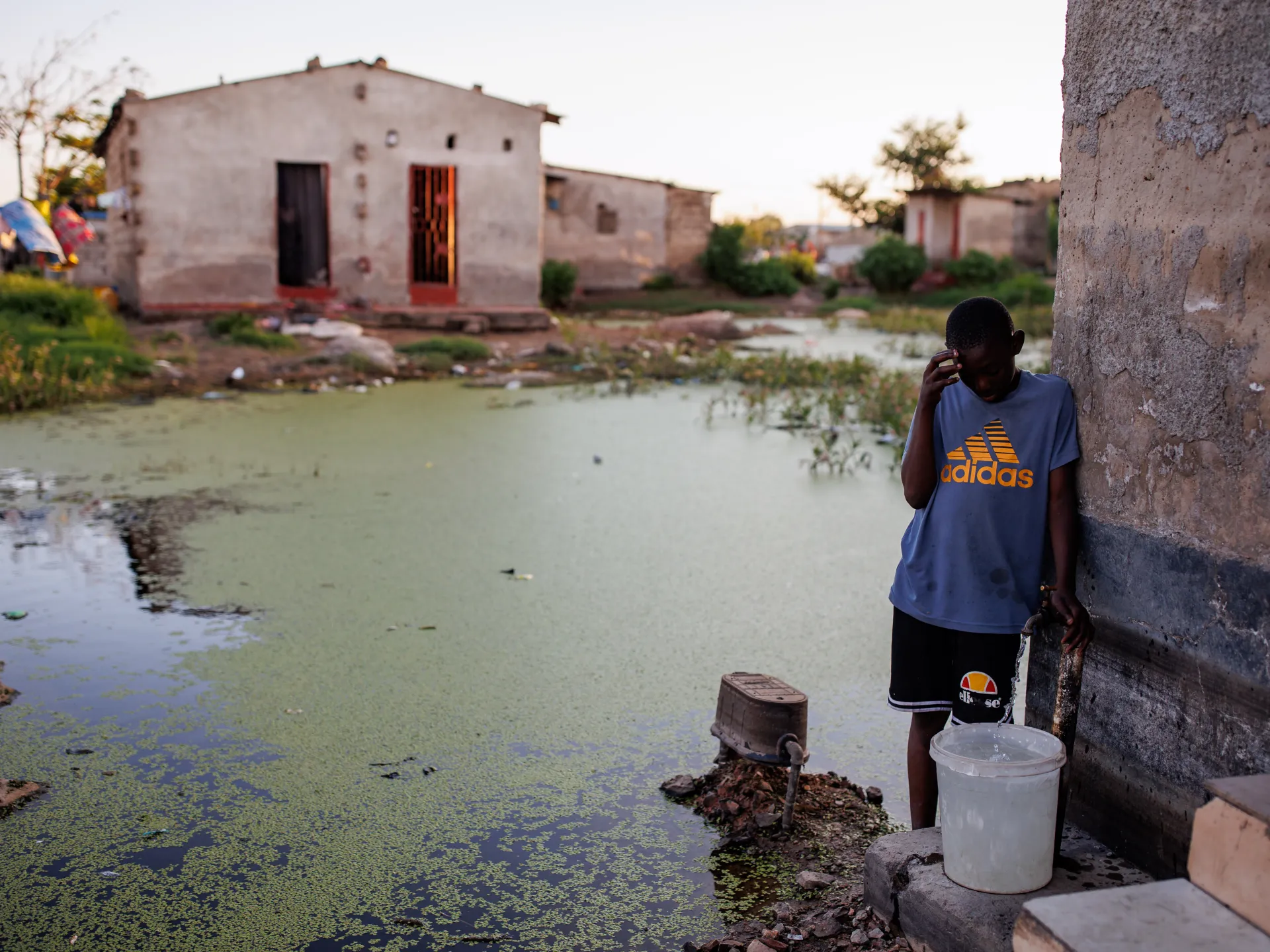
As African leaders gather in Cape Town for this week’s African Water Investment Summit, there can be no equivocation: the world faces an unprecedented water crisis that demands a paradigm shift in how we value and govern our most precious resource.
The scale of the challenge is staggering. More than half the world’s food production now comes from areas experiencing declining freshwater supplies. Two-thirds of the global population faces water scarcity at least one month per year. More than 1,000 children under five die every day, on average, from water-related diseases. And if current trends continue, high-income countries could see their gross domestic product shrink by 8 percent by 2050, while lower-income countries (many in Africa) face losses of up to 15 percent.
Yet this crisis also presents an extraordinary opportunity. When South Africa assumes the G20 presidency in December, it can champion a new economics of water that treats the hydrological cycle as a global common good, rather than as the source of a commodity to be hoarded or traded.
The economic case for action is compelling. The International High-Level Panel on Water Investments for Africa shows that every dollar invested in climate-resilient water and sanitation delivers a return of $7. With Africa requiring an additional $30 billion annually to meet the Sustainable Development Goal on water security and sustainable sanitation, the financing gap is significant — but it is surmountable with the right strategy. The Global Commission on the Economics of Water recently called for such a strategy.