By Dr Juste Nansi
In a training room in rural Rwanda earlier this year, a group of water operators sat working through a question that had little to do with pipes or pumps. They were calculating whether their small utilities — some serving as few as three hundred household connections — could ever be trusted by a bank.
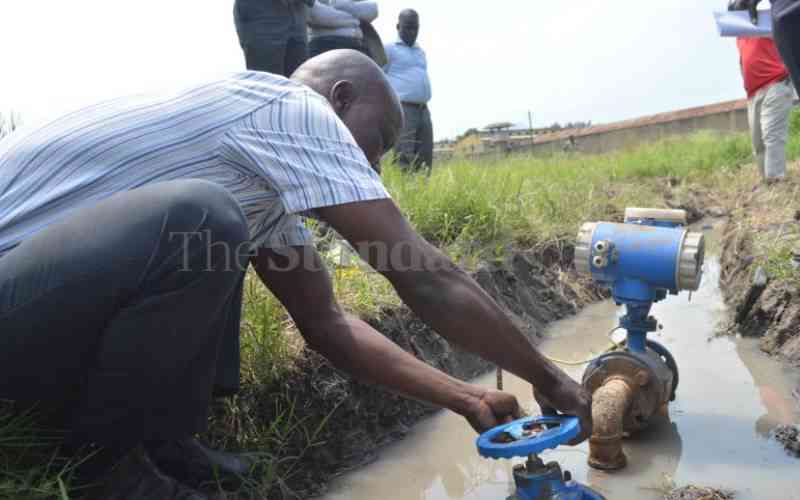
The operators run piped systems under five-year contracts with WASAC, Rwanda’s national water and sanitation authority. They read meters, collect payments, repair leaks. The infrastructure belongs to the state. Their contract horizon is too short for most lenders. They hold no collateral. By any banking standard, they are unbankable.
And yet the trainers pressed the question: what does it take to become creditworthy — not in order to borrow, but in order to be worthy of trust?
That distinction lies at the heart of a much larger conversation now gathering force across the continent. It is a conversation about why Africa’s water and sanitation systems remain chronically broken, and what it would take to fix them. Not with more aid. Not with more conferences. But with something harder: institutional credibility.