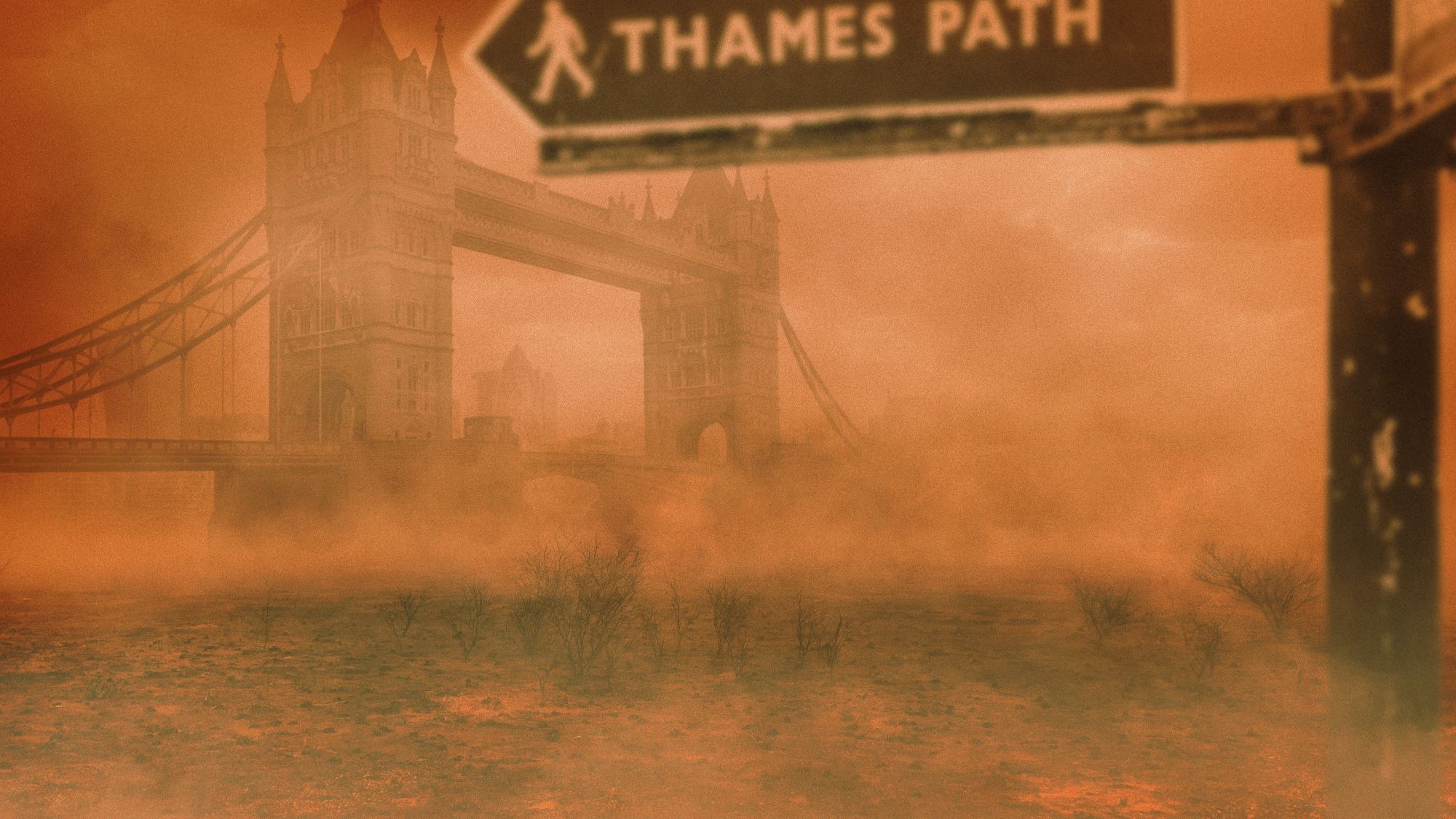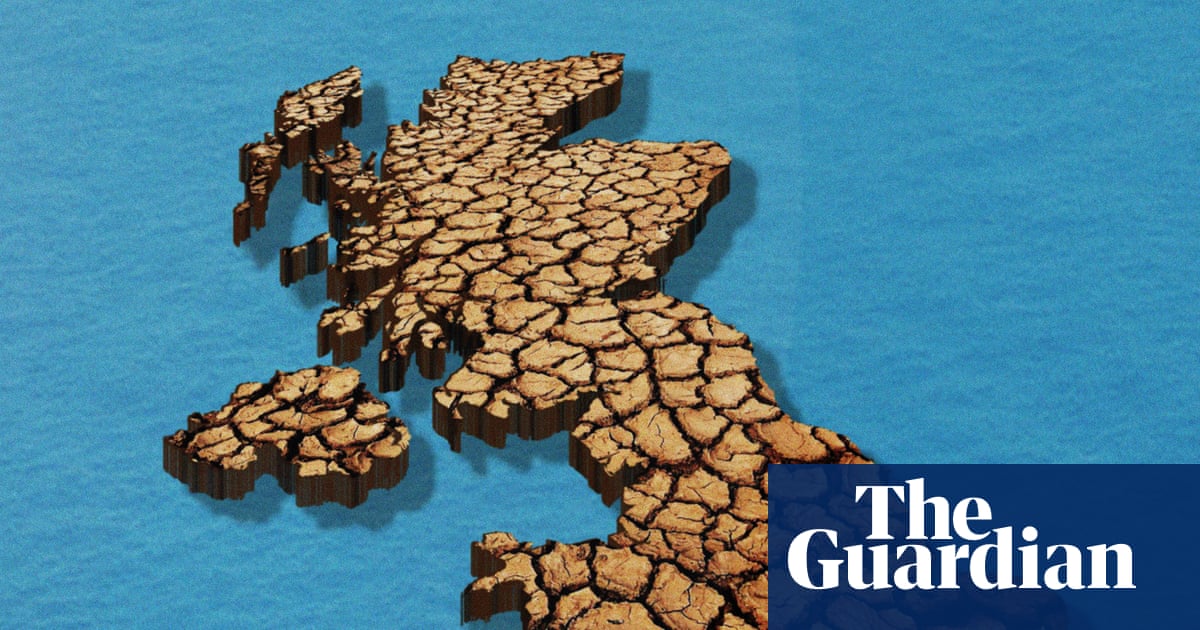
While famously rainswept, climate crisis, population growth and profligacy mean the once unthinkable could be possible
During the drought of 2022, London came perilously close to running out of water. Water companies and the government prayed desperately for rain as reservoirs ran low and the groundwater was slowly drained off.
Contingency plans were drafted to ban businesses from using water; hotel swimming pools would have been drained, ponds allowed to dry up, offices to go uncleaned. If the lack of rainfall had continued for another year, it was possible that taps could have run dry.
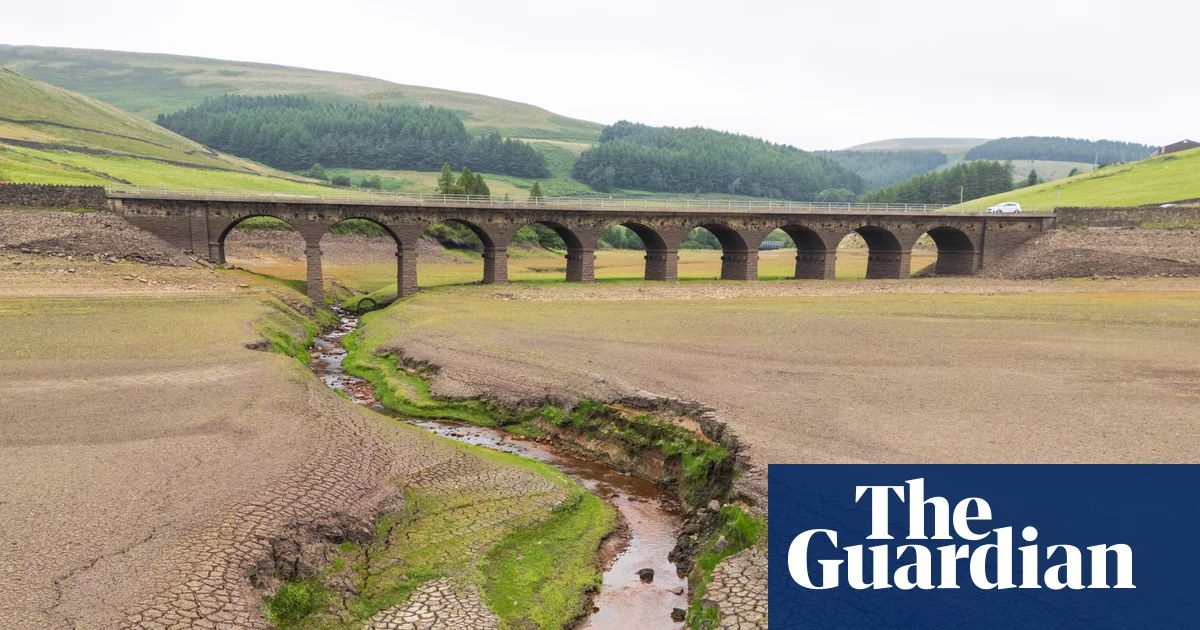
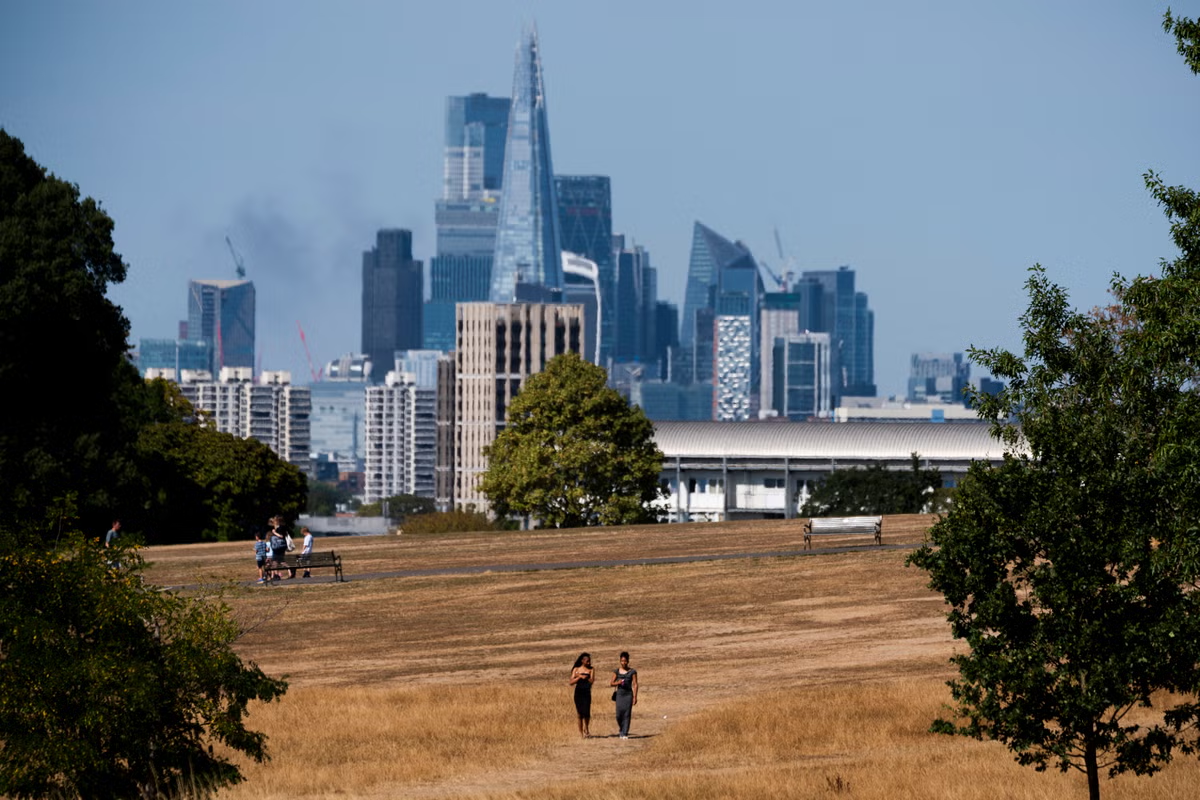
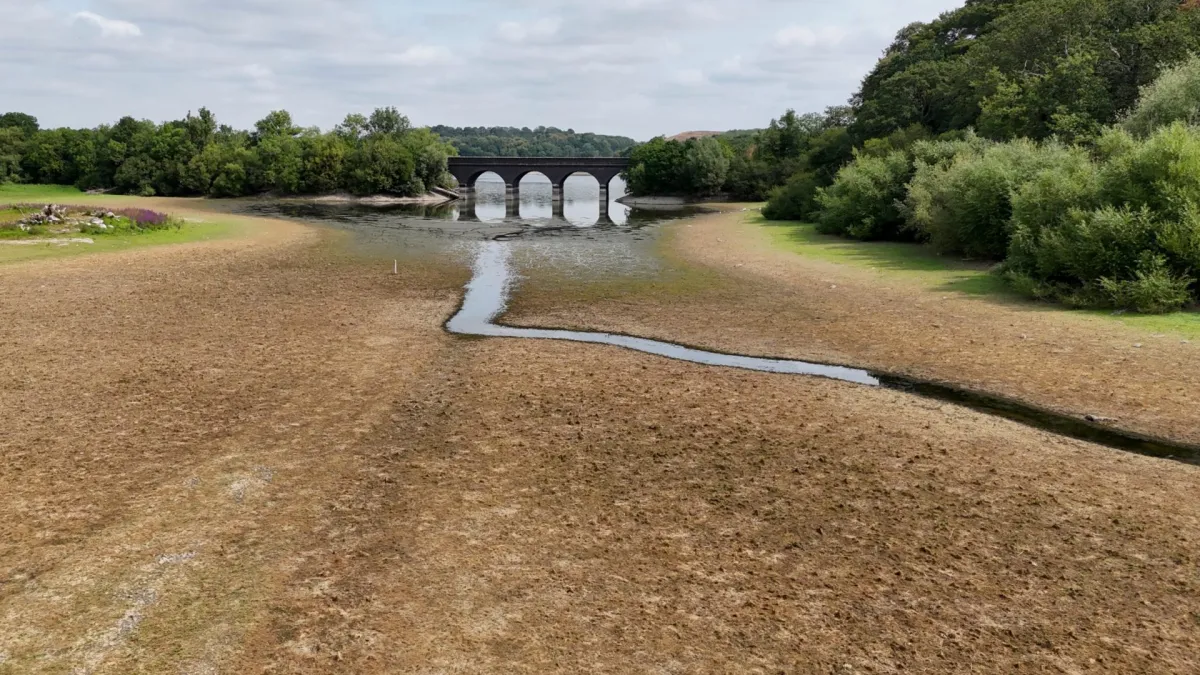
That, however, was just a taster of what could come down the line. On Tuesday, the government announced a “nationally significant” water shortage in England, which means the whole country is at risk of running out if the dry weather continues. People across England are already banned from using hosepipes, with more restrictions probable over coming months. The UK Centre for Ecology and Hydrology (UKCEH), an independent research institute, has warned of exceptionally low river flows. Reservoirs are also at extremely low levels and groundwater is dwindling.
Droughts are generally two-year events. A year of dry weather means water supplies are running out – that is what is happening now. Things really come to a head if the following year does not bring above average rainfall. That is when the shortages start to bite, with farmers unable to irrigate and households and businesses hit with sweeping restrictions. With reservoirs at record lows and stream flows exceptionally low, England is desperate for rain.