https://arab.news/4h5c7
In North Africa, the consequences of a warming planet are no longer a distant threat. They have morphed into a relentless burden on fragile economies and fragile governance systems.
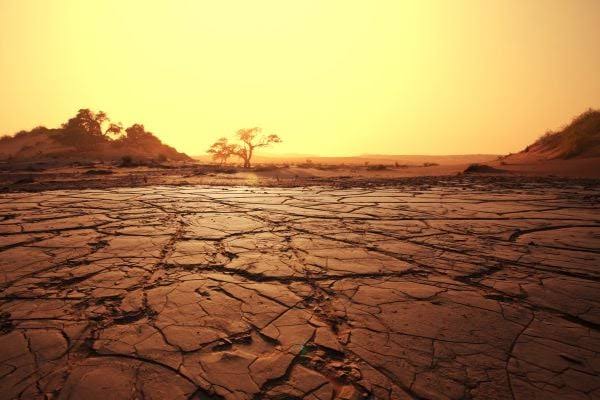
Across the Maghreb and the Nile Valley, rising temperatures, erratic rainfalls, and dwindling groundwater reserves are destroying the pillars of food and water security. What was once an ecological challenge that puzzled governments has become a fast-growing fiscal crisis in which every year of delay adds more zeros to the cost of survival.
The numbers are damning. Africa already loses between 2 and 5 percent of gross domestic product each year to climate extremes, and diverts nearly 10 percent of national budgets to emergency responses.
In North Africa, which is warming at a rate of about 0.4 degrees Celsius each decade, the fastest rate on the continent, the situation is even more harrowing. By 2030, as many as 118 million people could be exposed to drought, floods, and extreme heat, at a time when the region’s cereal output is already 10 percent below its five-year average.