https://arab.news/8j895
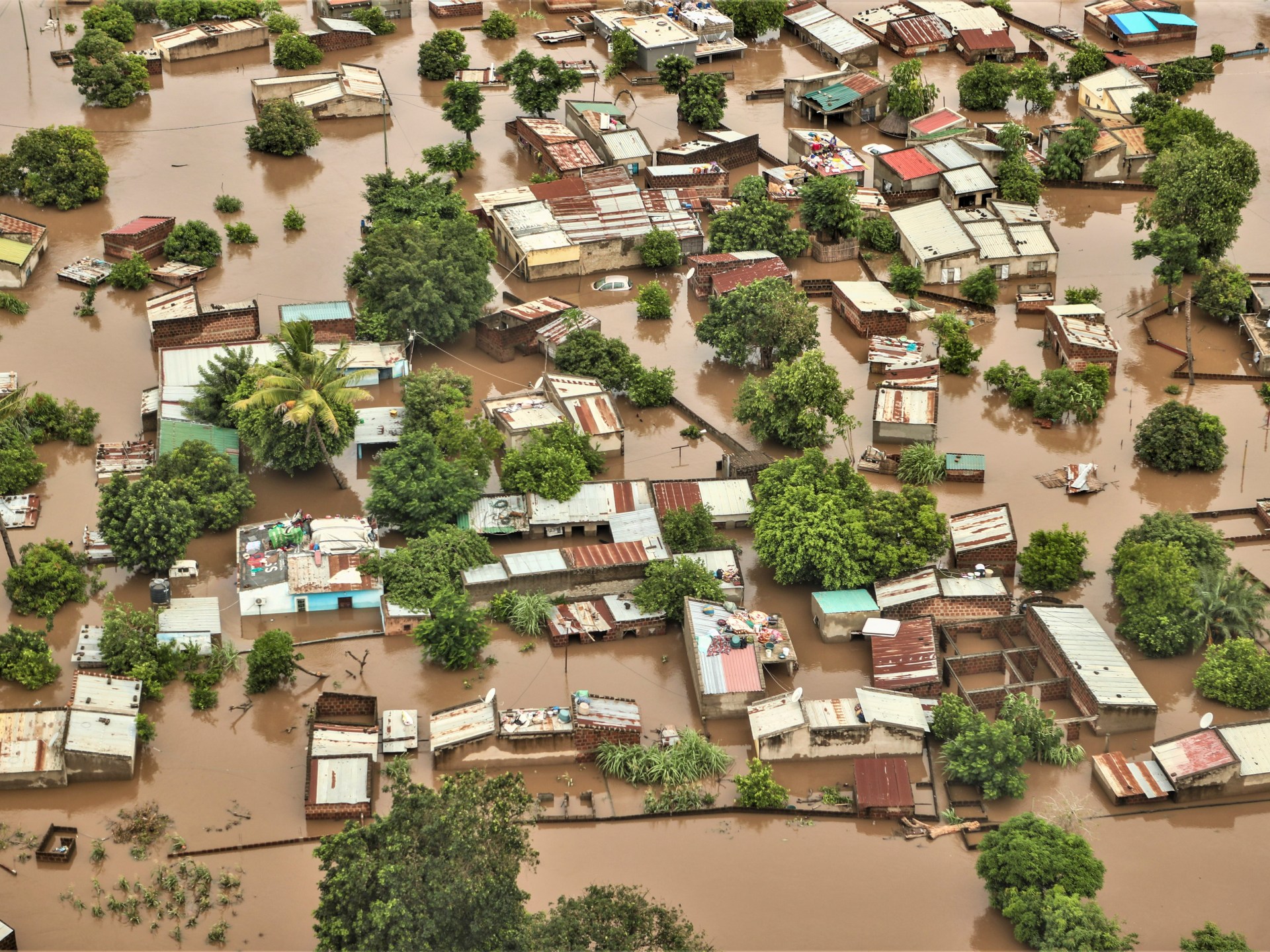
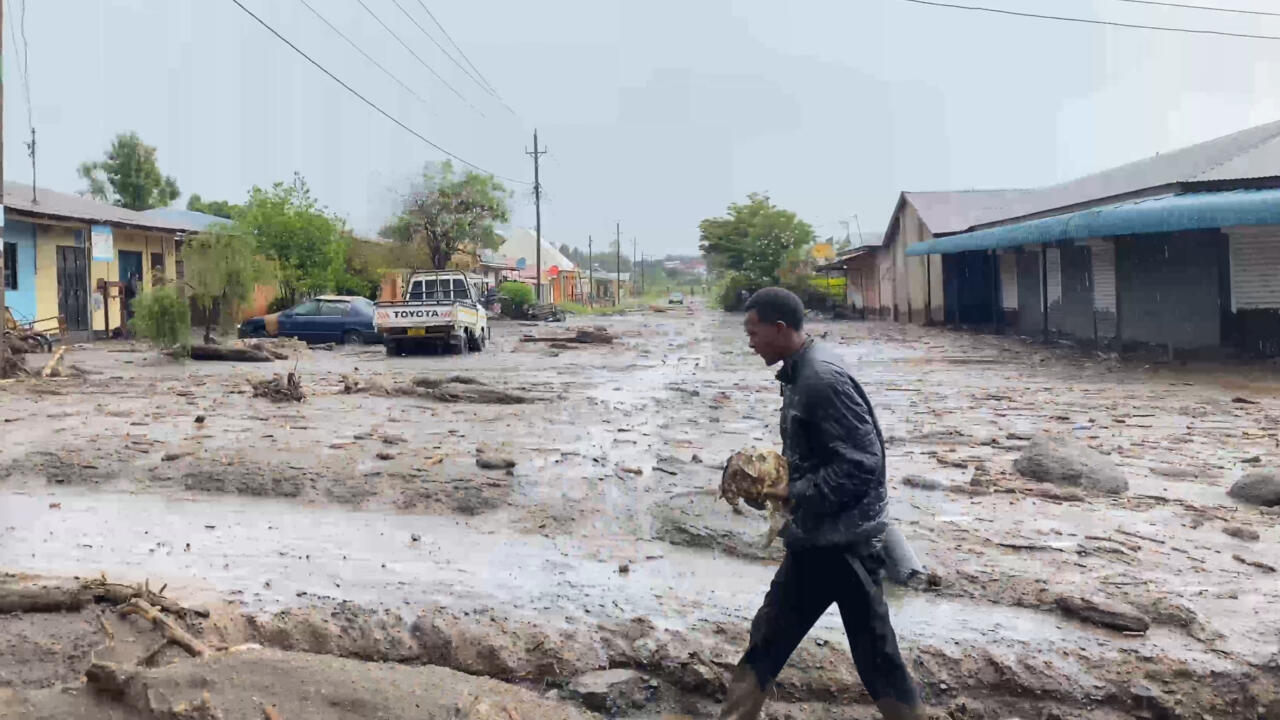
According to the World Meteorological Organization, “extreme weather and climate change impacts are hitting every single aspect of socioeconomic development in Africa and exacerbating hunger, insecurity and displacement.” This alarming statement underscores the scale of devastation sweeping across the continent as it faces the full force of a climate crisis it did little to cause.
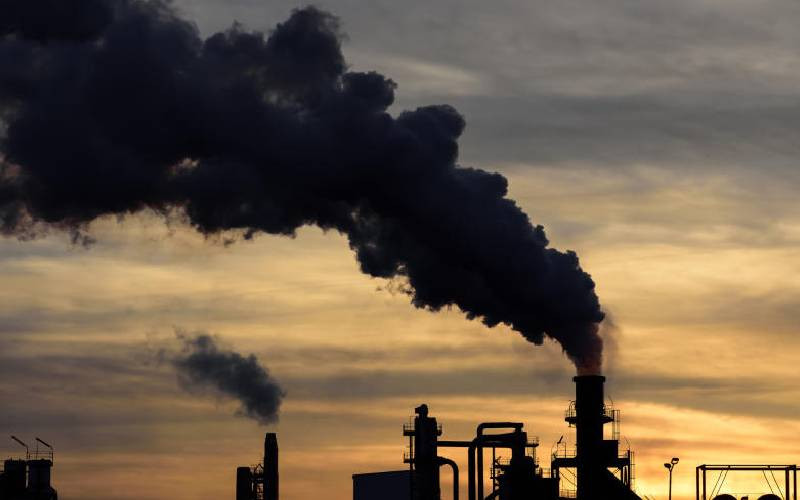
While Africa contributes only a tiny fraction of global greenhouse gas emissions, it is bearing the heaviest burden of climate change — economically, socially and environmentally. As these impacts deepen, so too does the responsibility of global powers, especially the major emitters, to provide meaningful and sustained assistance.
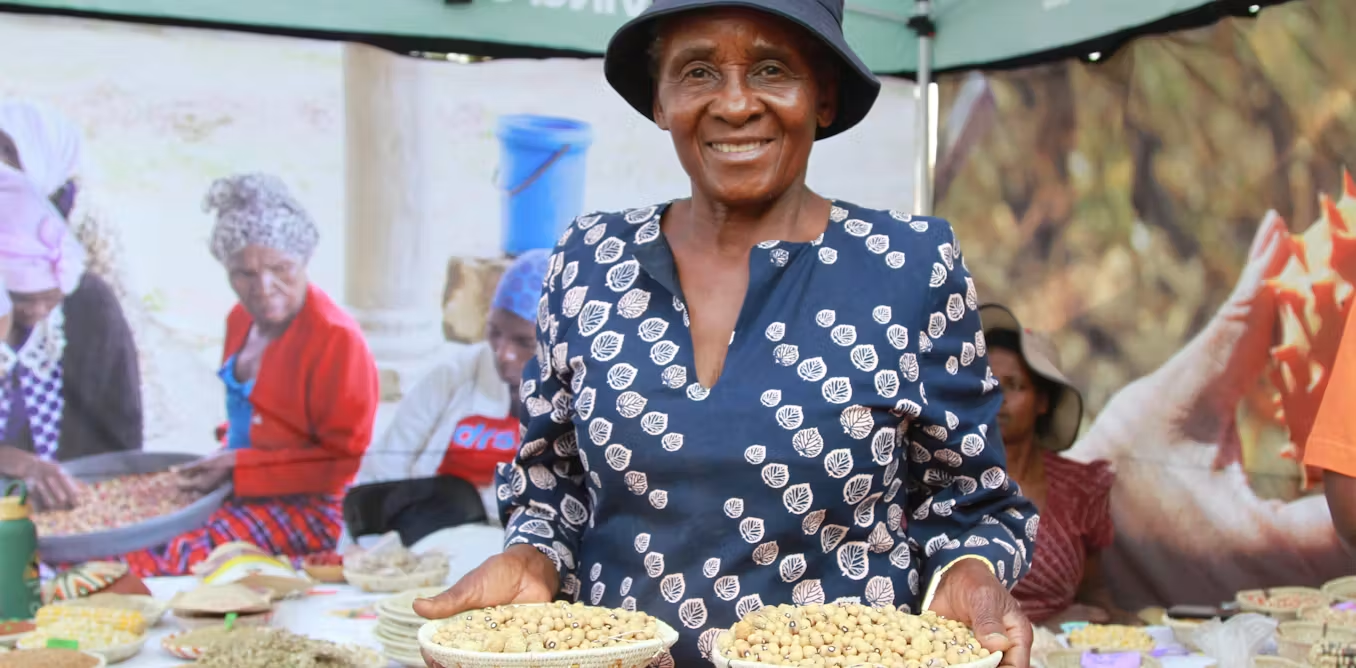
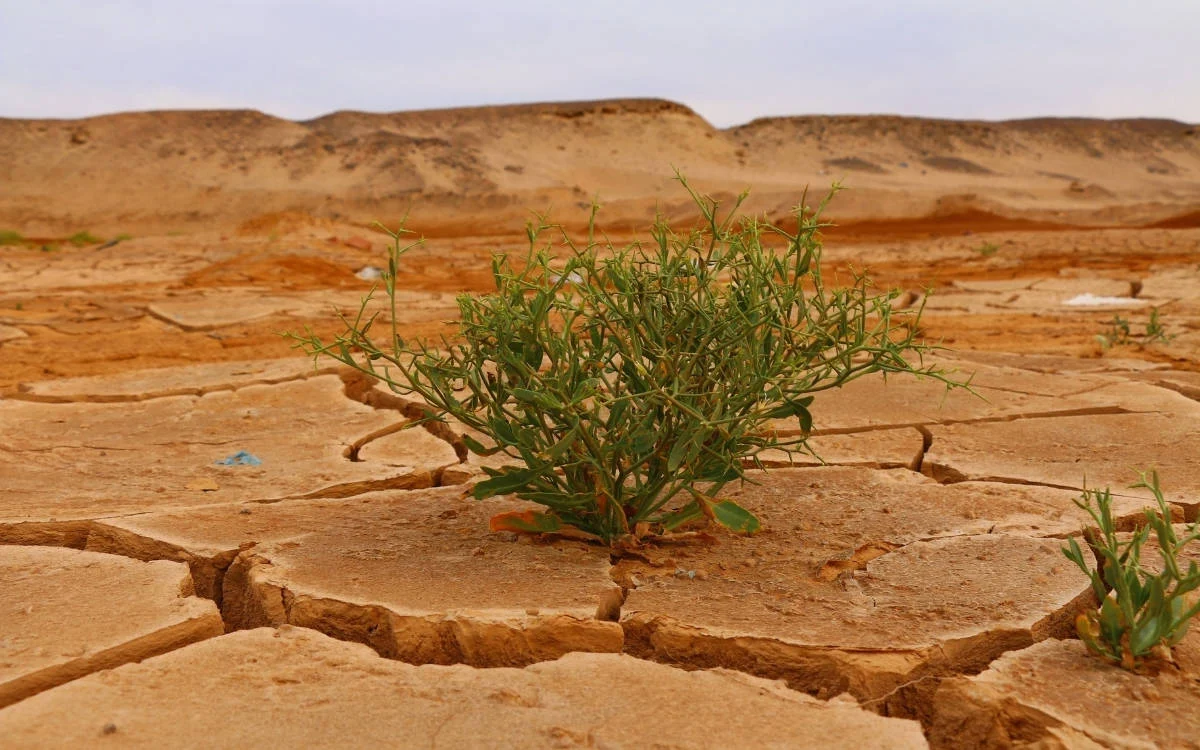
Africa’s economies are uniquely vulnerable to climate change because they are predominantly reliant on sectors highly sensitive to weather patterns — especially agriculture, fishing and natural resource extraction. Across East, West and Central Africa, erratic rainfall patterns, prolonged droughts, extreme heat and intense floods are decimating crops, killing livestock, damaging infrastructure and eroding livelihoods. Countries such as Nigeria, Ethiopia, Mali and Sudan have seen agricultural yields plummet, often wiping out entire seasons of staple crops such as maize, millet, cassava and sorghum.