https://arab.news/nxb5w
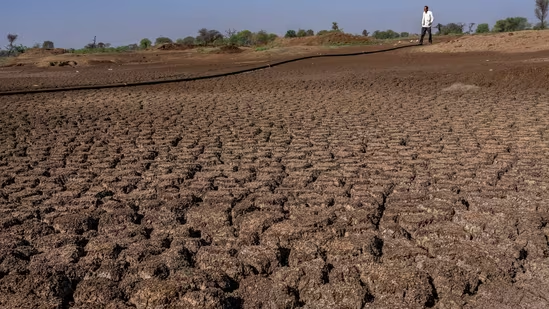
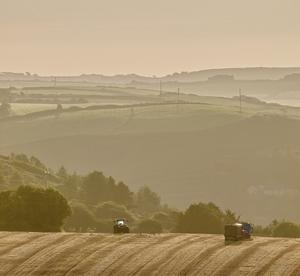
The signs are becoming harder to ignore. Crops are failing more often. Wells are yielding less water. Dust settles where food once grew. In many parts of the world, the land is growing tired — less able to support the people who depend on it. And as the soil weakens, so too do the livelihoods, economies and communities built upon it.
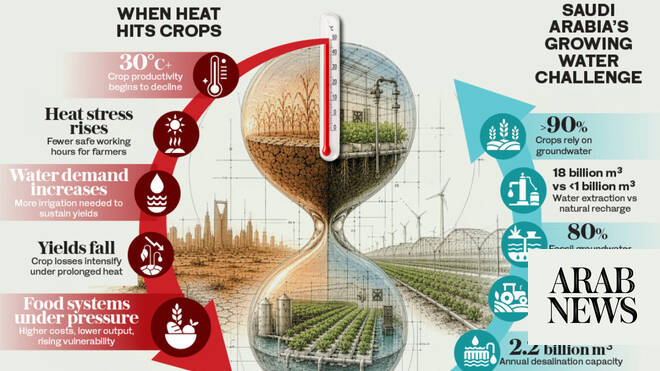
While land degradation is a global concern, its impact is especially pronounced in the Arab region. Stretching from North Africa to the Arabian Peninsula, this part of the world is among the most vulnerable. Nearly 90 percent of land is already degraded and a combination of rising temperatures, water scarcity and stressed agricultural systems is placing an increasing strain on people and ecosystems alike.
Here, land degradation is not just about the environment — it affects the fundamentals of daily life. It shapes whether families can grow enough to eat, whether young people envision a future at home and whether communities can remain self-reliant. In some areas, it has already contributed to displacement and tension over dwindling natural resources.
While agriculture still employs 38 percent of the workforce across the Arab region, half of all calories consumed are imported. With droughts intensifying and arable land diminishing, pressure is mounting on food production and rural livelihoods across the region. Without meaningful investment in sustainable land use, the divide between those with access to fertile land and food and those without will only deepen.