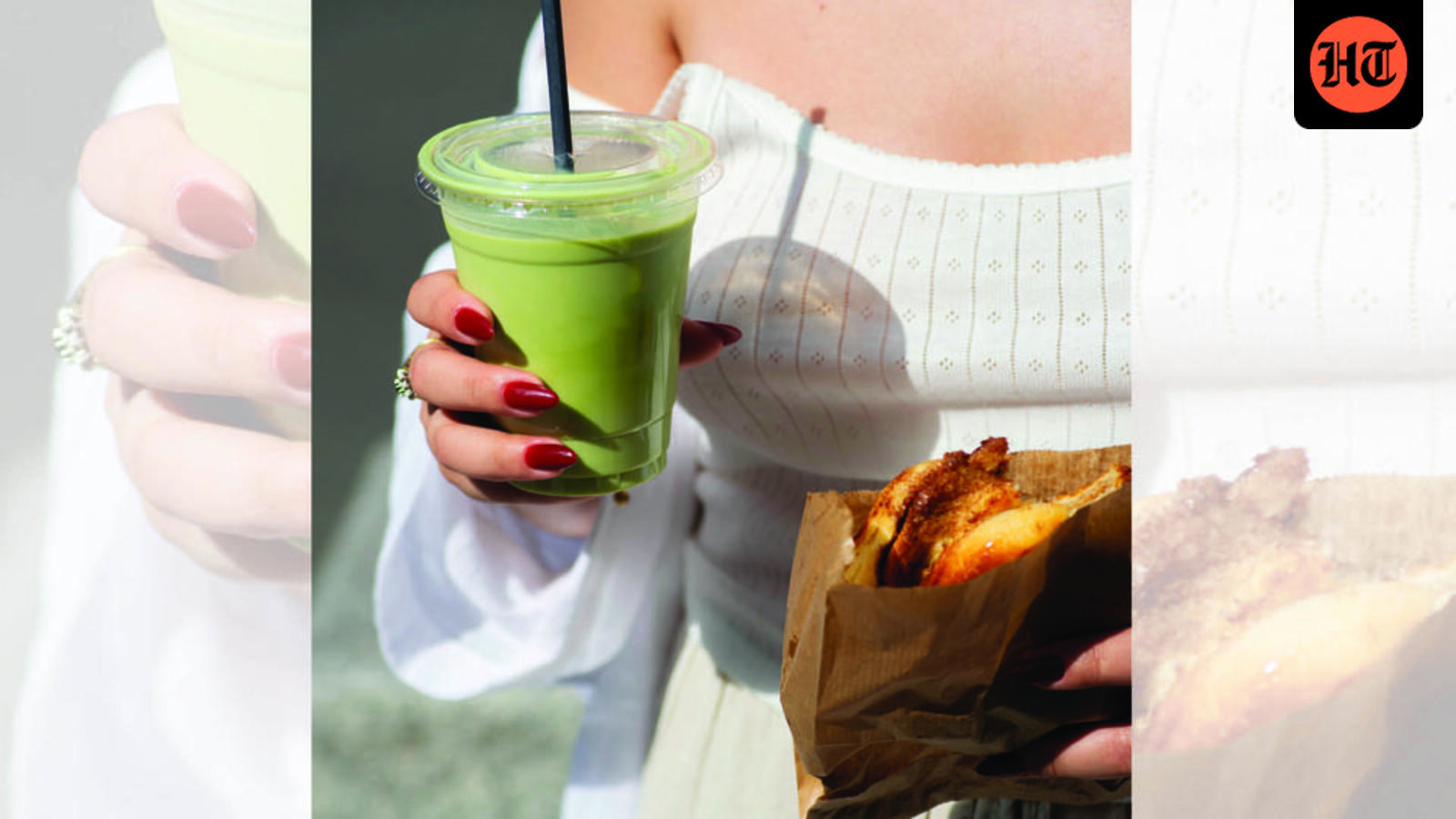
“Treatonomics” — a consumer trend that covers spending on ‘everyday luxuries’ to larger, life-affirming experiences — is booming as people look for a mood boost in ongoing unsettling economic times.
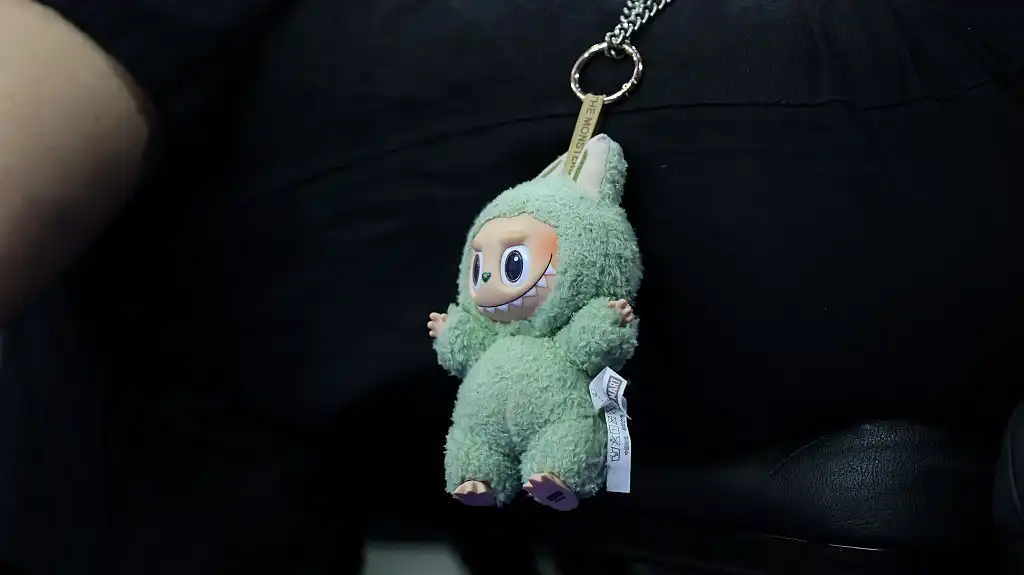
Spending on small-item ‘pick-me-ups’ is a well-established recession-resistant trend, with consumers often turning to purchases of modest personal items such as make-up, perfume and candles — or even collectible rubber ducks or Labubu dolls — for a morale boost when times are hard or uncertain.
It’s no wonder then, that the consumer trend has long been seen as a bellwether for how consumers feel about the wider economic backdrop, which is currently typified by inflationary pressures, persistently high interest rates and concerns over growth and jobs.
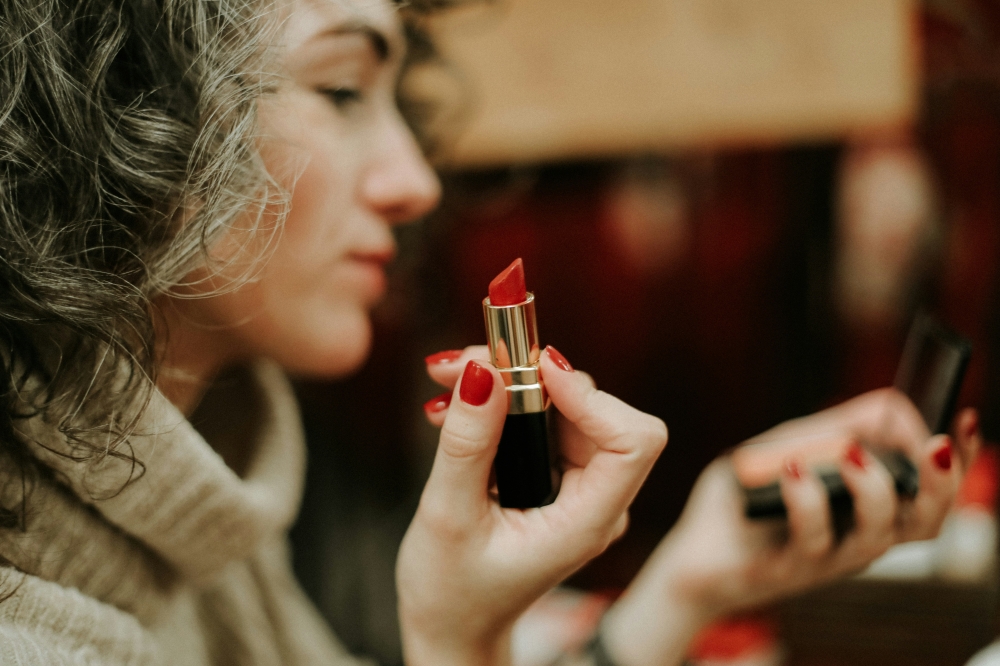
The phenomenon is not new; the “lipstick effect” — the theory that lipstick sales increase during economic downturns — has been around for almost a century, for instance. First documented during the Great Depression in the 1930s, the term had a renaissance in the 2000s when Leonard Lauder, former chairman of makeup brand Estée Lauder, noticed a spike in sales after the Sept. 11 terrorist attacks.
“The lipstick effect means basically, buying yourself small treats when you’re under financial pressure,” John Stevenson, retail analyst at Peel Hunt, told CNBC Tuesday.