A revolutionary theory argues that the prophet Micah was not a rural outsider but an establishment insider, changing how we read his call for justice.
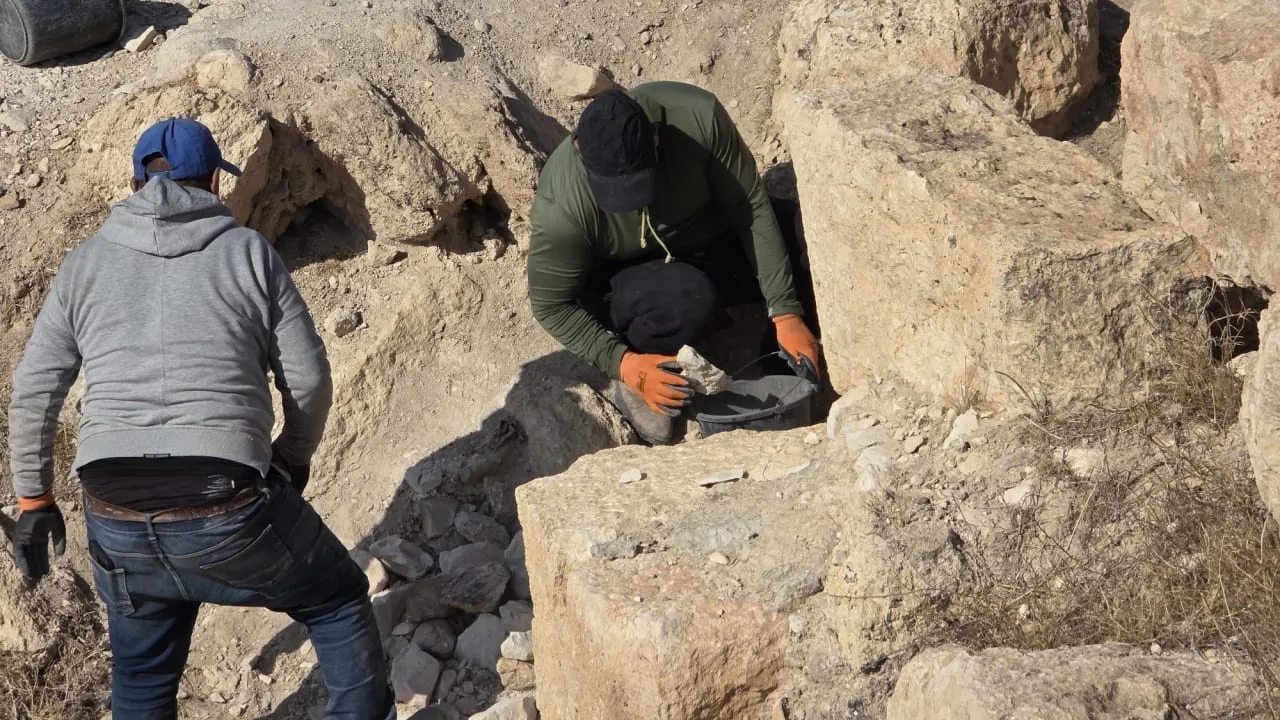
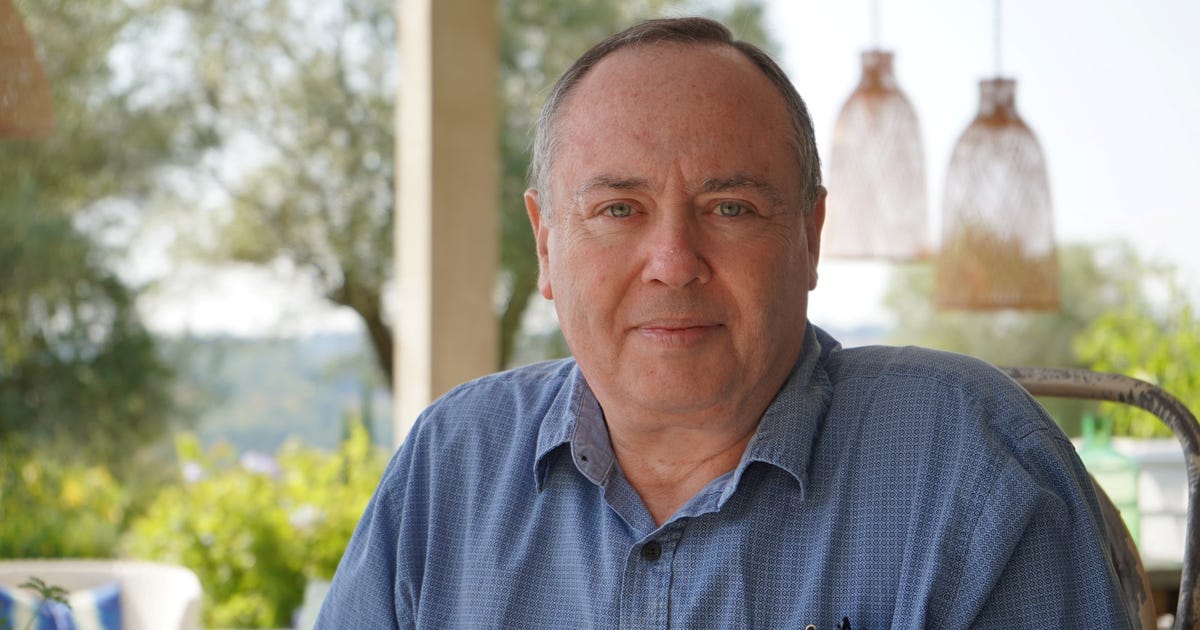
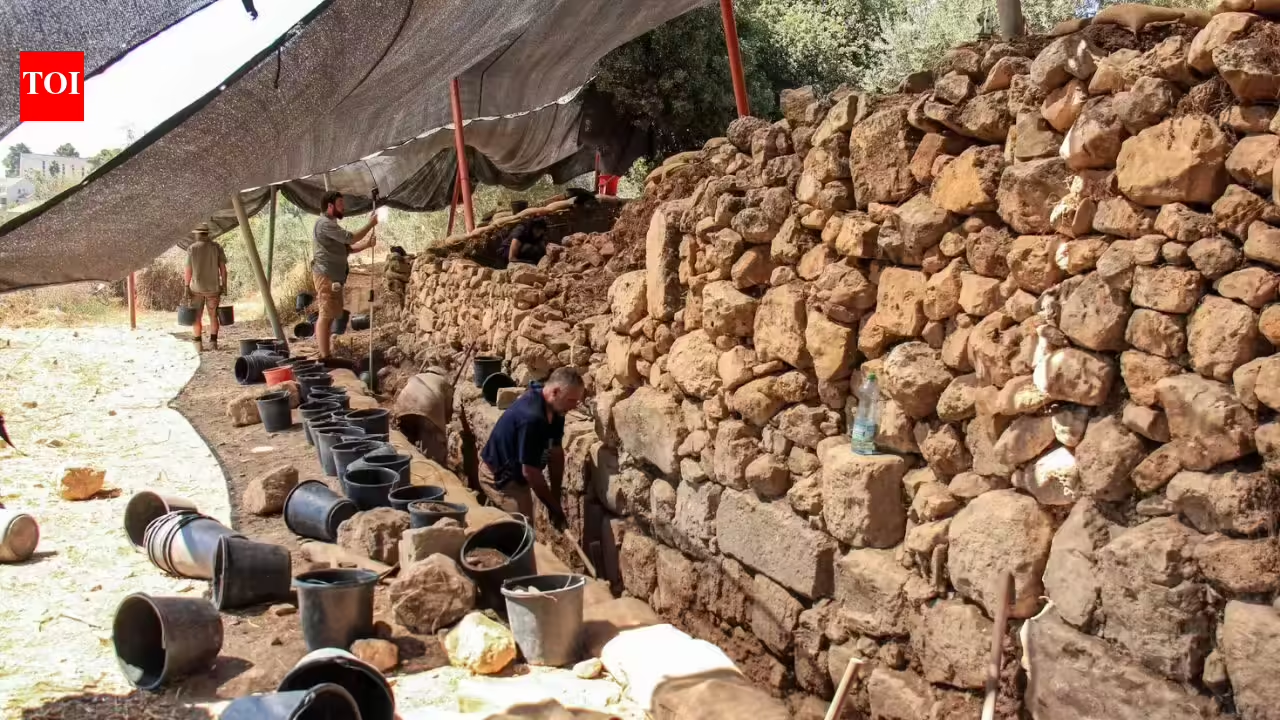
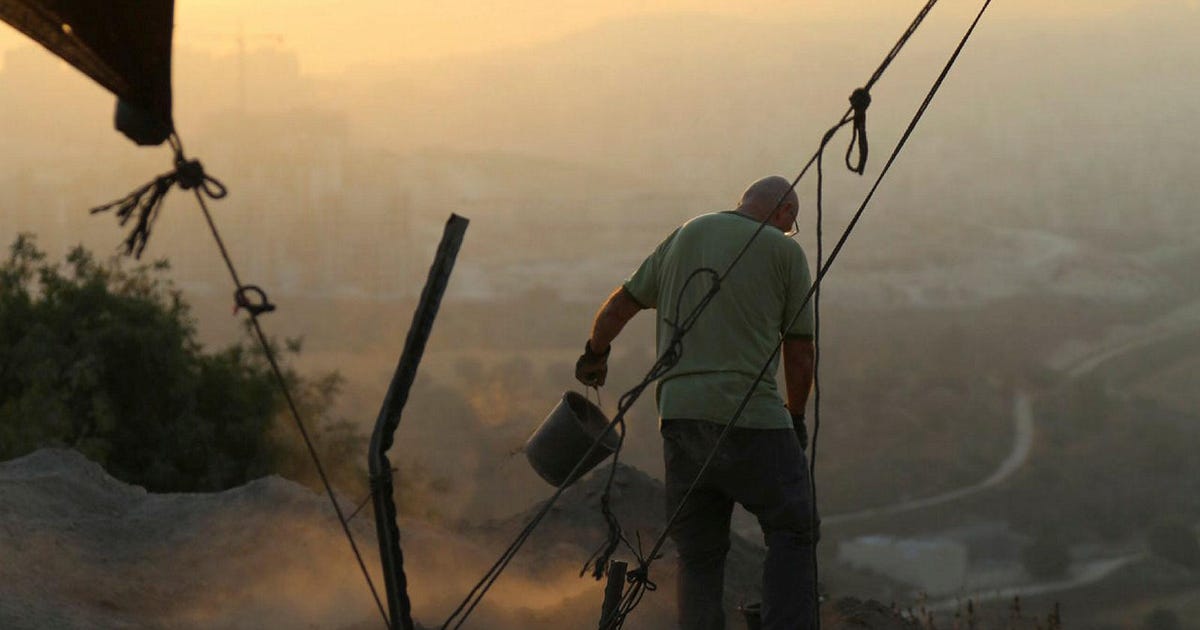
It's just after dawn at Tel Azekah, and the sun is climbing. The air, still bearable, will soon turn to fire. Professor Oded Lipschits of Tel Aviv University is already at work. His makeshift field office – a folding table at the base of the ancient mound – is crowded with pottery fragments, excavation plans, and the usual sidearm of an Israeli field archaeologist: sunscreen.
Writing from this sweltering site where he and his team have been "working from 4 in the morning until the soul departs the body," as he puts it with characteristic Israeli directness, Lipschits is defending a theory that might rewrite the story of one of the Hebrew Bible's most powerful prophetic voices. He's doing it while literally digging up the evidence, one pottery sherd at a time.
"Micah of Moresheth." The phrase appears only twice in the Bible – once at the opening of the Book of Micah and once in the Book of Jeremiah. Still, those few words have long shaped the image of the prophet.
For generations, readers took "Moresheth" to refer to a small village in Judah's rural hinterland. That, combined with Micah's fiery denunciations of Jerusalem's elite produced a compelling picture: a man of the soil, a prophet from the margins, thundering against urban corruption..