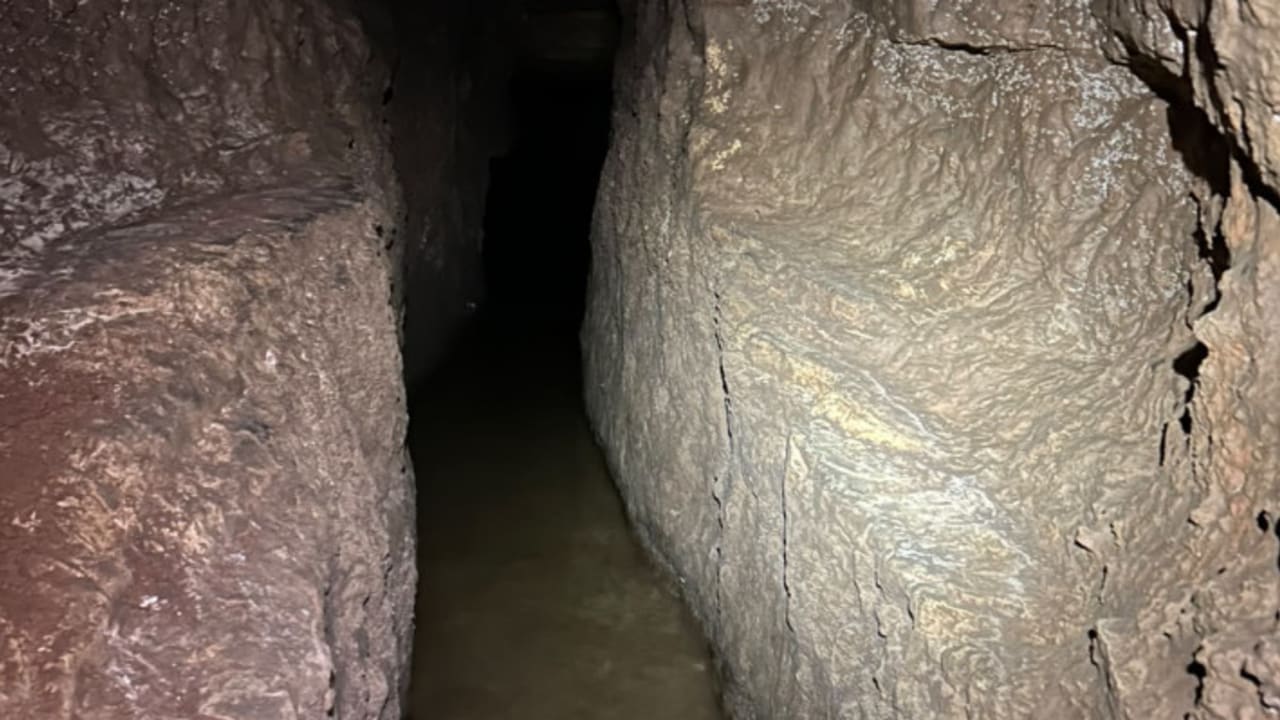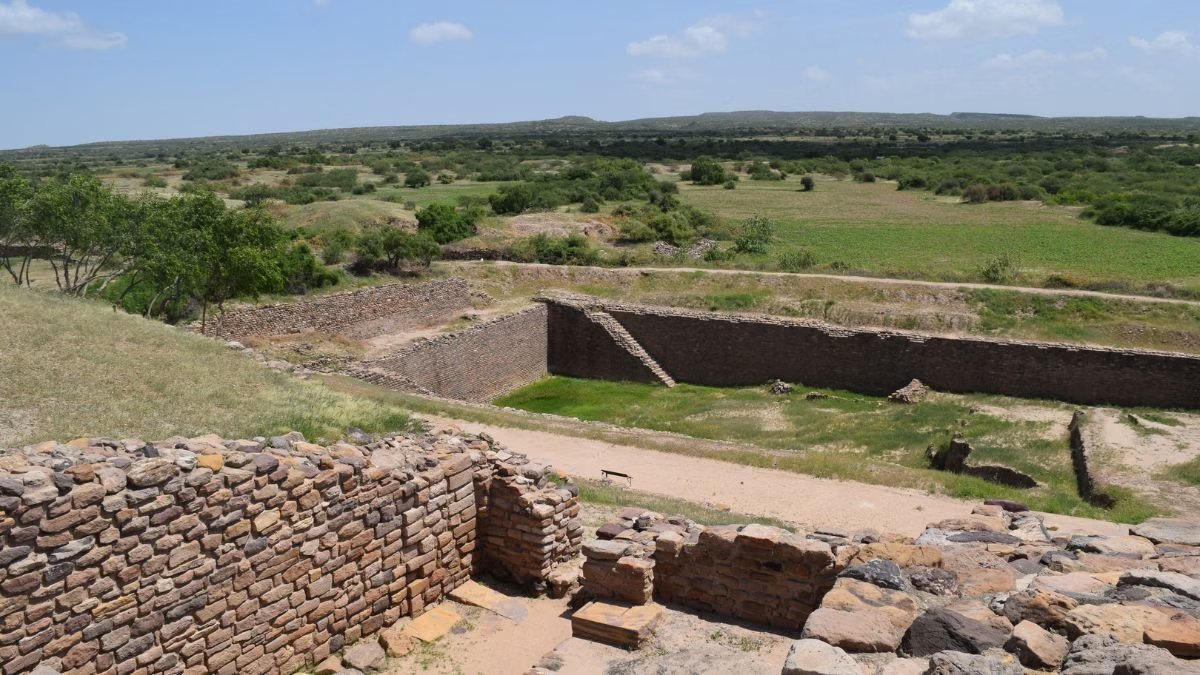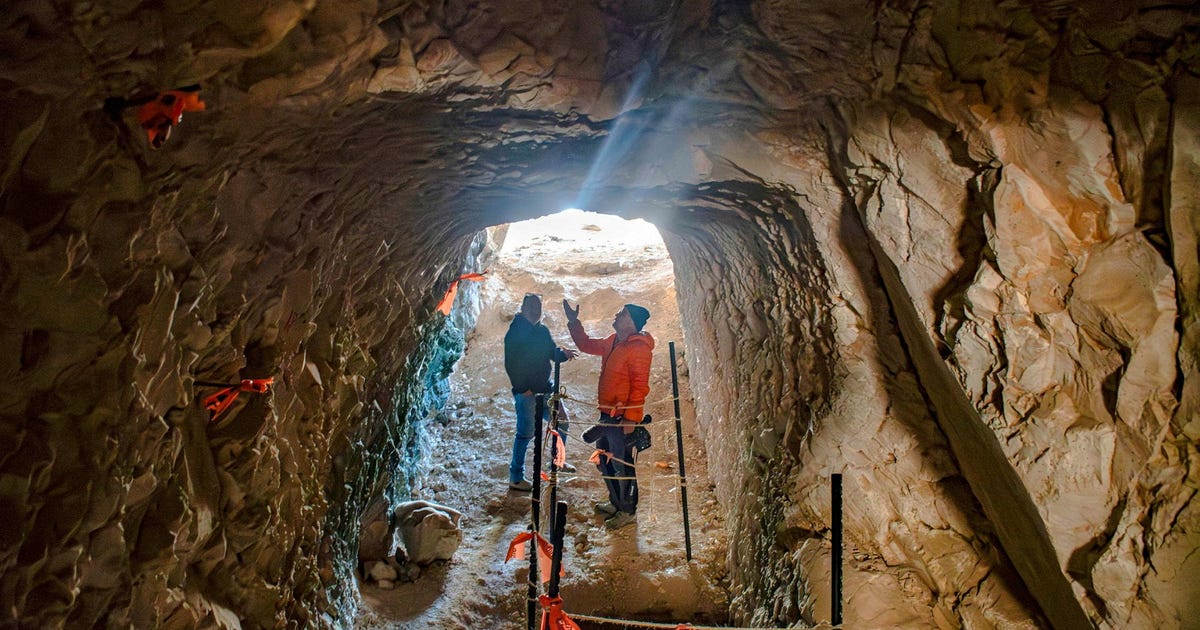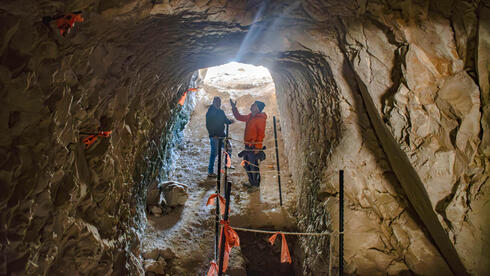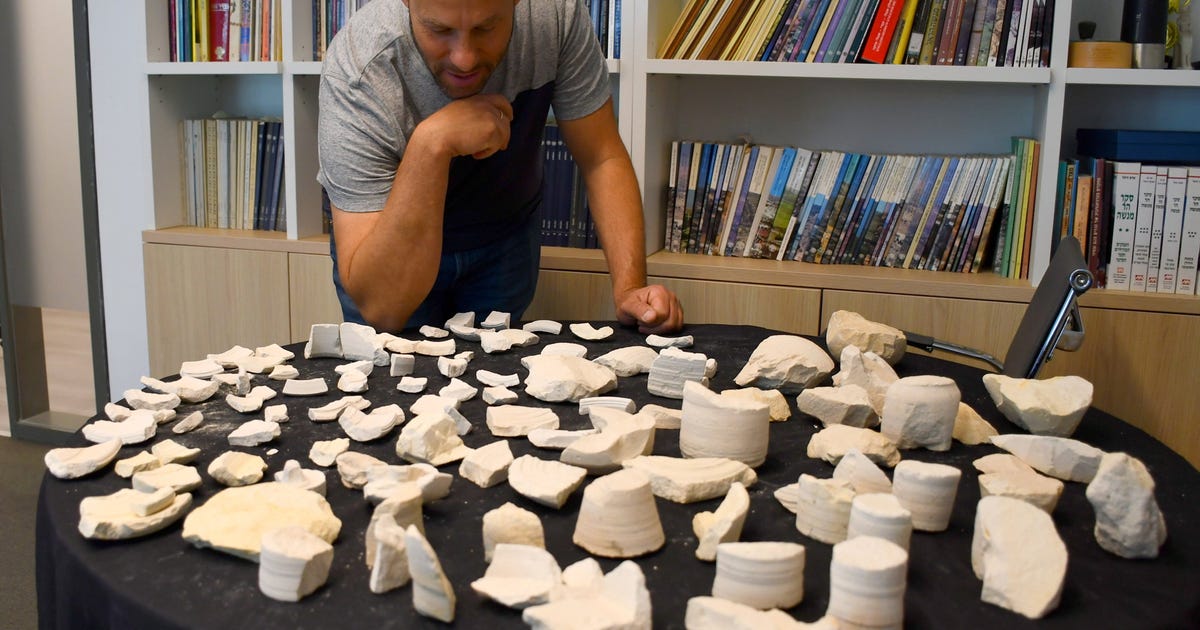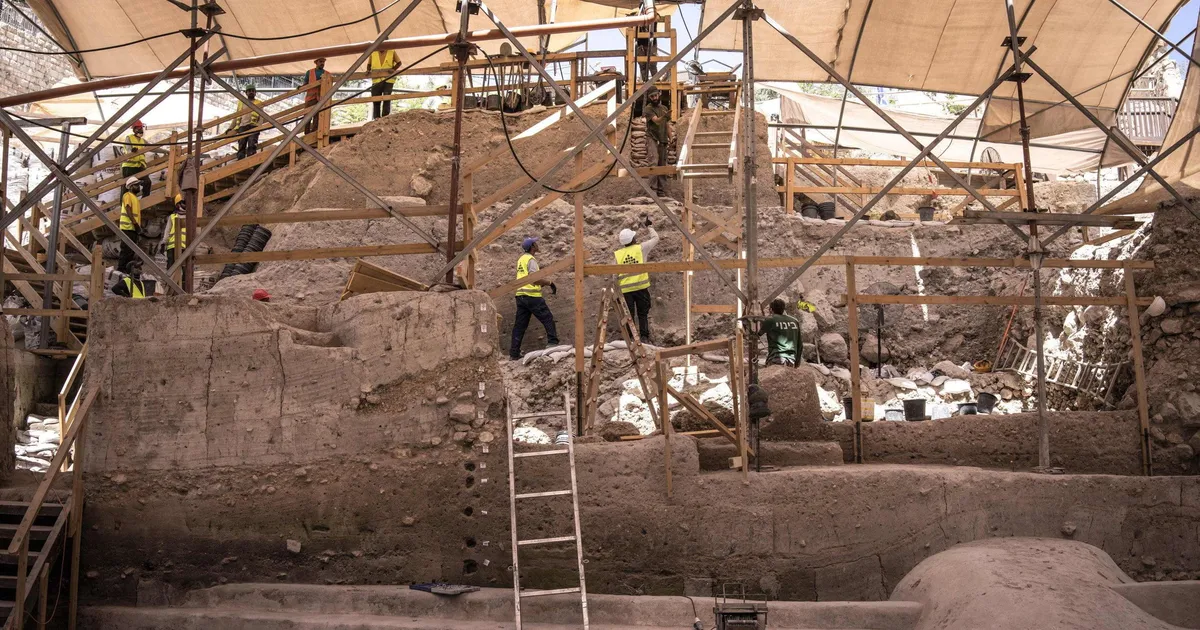
Archaeological discoveries in Jerusalem offer new insight into the prolonged drought that once struck the city, and the creative ways its residents respondedAmong the archaeological discoveries that are published frequently in the scientific literature, some are also very meaningful for our life here and now. A case in point is the dating of a large stone dam that was discovered during the excavations in the City of David, the core settlement of ancient Jerusalem.Built in the 9th century B.C.E., the dam has implications for understanding large-scale processes of ensuring water security for the city and for the region, then and now. The find is related to the patterns of water shortages that we are identifying in the eastern Mediterranean, caused by climate change and diminishing rainfall in recent years.This phenomenon is not unique to our region, of course; it occurs as well in major cities worldwide in which climate change is directly affecting the availability of sources of water. Overall, municipal and national authorities are having to cope with an increasingly acute shortfall in the water supply.Consider the city of Santa Fe, New Mexico, a prairie region bordering on desert, which in recent years has become a highly attractive venue for the affluent, producing accelerated population growth and, accordingly, mounting pressure on the local water sources. In a visit we paid there a decade ago, we were hosted by local colleagues in a large, handsome home. They informed us, almost apologetically, that they have to conserve water even when flushing the toilet. The local authorities, it emerged, were having a hard time striking a balance between the surging demand for water for domestic consumption, and the fall in groundwater levels.This pattern – an interconnection between demographic growth, heightened consumption and a hydrological crisis – is recurring today in many places. It is particularly notable in the Mediterranean Basin, where climate changes are heightening the frequency of droughts and the vulnerability of the water systems.Historical climate data from the past 100 years show a marked rise in the frequency and recurrence of droughts in the Mediterranean Basin. This tendency has been especially striking in recent decades: Ten of the 12 driest winters since the start of measurements occurred in the past 20 years. The reasons for the exacerbation of the phenomenon are well known; they include a paucity of precipitation, a rise in temperatures and a series of extensive climate changes that are also discernible in other locales.These climatic developments fomented far-reaching social and political consequences. An example is the drought that struck Syria from 2007 to 2010, the worst since climate measurements began. It brought about the collapse of the agricultural systems and did serious damage to pasture land. The result was mass migration from the villages to the cities and the spread of poverty, overcrowding, unemployment and inequality. The volatile social platform that resulted made possible the eruption of the civil war in 2011, which began with a broad protest in urban flash points.The latest studies show that in the past 20 years, the problem of water security and the inability to supply a modern society's full water needs has become a critical issue, especially in large metropolitan areas such as Los Angeles, Mexico City, Madrid, Delhi, Moscow and Beijing.The problem is glaringly acute in the large cities of the Middle East. Jordan, for example, is considered among the driest countries in the world, with one of the lowest rates of water availability per capita. One consequence of this is an irregular water supply in many neighborhoods of Amman, the capital.Iran, too, is coping with a severe water crisis in many cities, including Tehran, which has a population of 10 million. As a result of the ongoing shortfall, water usage has been limited to a few hours a day, so people collect it in containers for use when the flow in the pipes dries up. The rapid rise in temperatures in the summer and the constant decline in the amount of average annual rainfall – for the past five years, Iran has effectively experienced a severe drought – has led also to the depletion of the water reservoirs, and desiccation now looms as a real danger.Indeed, one underlying cause of the mass protests we have just witnessed in Iran's large cities is the collapse of the country's water security systems, leading to a situation in which the most basic item for human existence was not provided to the population consistently. Iran tried to address the increasingly dire situation by building hundreds of dams at the local level; however, when they failed to fill up in the winter rains, the problem only got worse. In 2022, for example, the amount of water in these reservoirs stood at less than 30 percent of their capacity.Tehran, August. Due to drought and extreme heat, authorities restricted water supplies to residents, and government offices were closed for extended periods. Credit: Fatemeh Bahrami / Anadolu via ReutersTehran, August. Due to drought and extreme heat, authorities restricted water supplies to residents, and government offices were closed for extended periods. Credit: Fatemeh Bahrami / Anadolu via ReutersVast projectsHow did ancient societies deal with similar problems of water shortages? Beginning in the third millennium B.C.E., the existence of a regular water supply was a cardinal condition for growth in the great civilizations of antiquity. Abundant examples of this axiom are found in the ancient civilizations, from sophisticated irrigation systems in Mesopotamia, to reservoirs in the deserts of India and Central Asia, and runoff agriculture that was employed in the Negev during the Byzantine era.Ironically, ancient Iran contributed to the world one of the great technological inventions in terms of managing the urban and rural water economy. Toward the end of the 2nd millennium B.C.E., sophisticated systems of artificial subterranean tunnels began to be developed on the Iranian plateau. Their purpose was to collect water from aquifers and channel it across long distances in order to ensure a stable supply to cities and agricultural regions on the margins of desert areas.In time, these systems, known as qanats or foggaras, became widespread in arid regions throughout Eurasia. In Israel, evidence of their existence can be found in the Arava desert, north of Eilat, in the infrastructure of agricultural farms from the early Islamic period.Various water systems in the large urban centers of antiquity in the Mediterranean Basin, which include monumental waterworks, in some cases on an imperial scale, have survived impressively to the present day. Extensive water systems have been preserved in Athens, Rome and Constantinople (today's Istanbul), among other locations. Initially based on digging wells and building reservoirs to store rainwater, they developed into complex systems of aqueducts dozens of kilometers long, carrying water from distant sources to city centers.A striking example is the network of aqueducts in Constantinople, built in the early Byzantine period when the city became the capital of the empire. It is an immense engineering feat – 426 kilometers (265 miles) in length, by means of which water was carried to the city from springs in the region of today's Turkey-Bulgaria border. The water was stored in several huge pools, most famously the Basilica Cistern (or in Turkish: Yerebatan Sarayı, meaning "Subterranean Cistern"). This vast underground space, 80,000 cubic meters (more than 2.8 million cubic feet) in volume, supported by hundreds of pillars, was the royal cistern of the Byzantine emperors. Today it is one of the most impressive sites in Istanbul.The Basilica Cistern (Yerebatan) in Istanbul, where water brought from afar was stored in enormous pools for the Byzantine emperors. Credit: Diego DelsoThe Basilica Cistern (Yerebatan) in Istanbul, where water brought from afar was stored in enormous pools for the Byzantine emperors. Credit: Diego DelsoA major problem facing city leaders in ancient times remains extremely relevant for our time: how to cope with frequent years of drought, as a result of which the natural water sources around the cities were diminished in relatively short periods, sometimes within a few decades. Dealing with these situations became a critical factor in a city's ability to maintain its economic and social stability, and to support the wellbeing of its inhabitants even in prolonged dry periods.Multiple testimonies from antiquity indicate that a large number of cities developed municipal water storage systems on a huge scale, to ensure the supply in periods of shortage. These projects are most commonly found in urban centers on the edge of a desert, where the dependence on rainwater is absolute.A notable example is Bukhara, in Uzbekistan, an oasis and important urban center on the historic Silk Road, where a ramified network was established throughout the city that included dozens of open pools and subterranean reservoirs that channeled rainwater from the streets.The dry yearsA similar pattern of engineering innovation and systemic thinking about urban water security is also evident in the cities of ancient Israel, where the arid and changing climatic conditions presented a persistent challenge to the stable supply of water.As early as the Bronze Age and the Iron Age (third to first millennium B.C.E.), creative engineering solutions were developed here, which combined the exploitation of natural sources and the artificial storage of rainwater and spring water.A notable example of early urban coping with challenges of water supply in times of crisis and years of drought is provided by Jerusalem. The city's mountainous location and its distance from significant sources of water compelled its inhabitants to plan a complex system of water supply in order to ensure its continued functioning even during prolonged dry spells.Jerusalem is also one of the most documented and researched cities in the world in terms of the development of early water systems. Archaeological research, combining hydrological data, which has been underway for more than 150 years, has gradually uncovered the network of hydrological infrastructures that served the city across the ages.Jerusalem's water systems included the Gihon Spring, which was the major source of water in antiquity, and the facilities that were built around it: Warren's Shaft, the Siloam Pool and others. As in other cities in antiquity, the system was originally based on utilization of natural water sources and intensive storing of rainwater in rock-hewn cisterns. In the Roman period (1st century B.C.E. to 1st century C.E.), this system was bolstered by aqueducts, which carried water to the city from the springs of the Hebron Hills and Bethlehem. The aqueducts were constructed on the basis of Roman engineering knowhow.The recent excavations at the City of David, which have been proceeding consecutively for the past 30 years, have also produced new findings and insight about the water systems that were in use in the Bronze Age and the Iron Age.Here we return to the large dam, whose discovery was reported recently. The find was made in the wake of extensive excavations being carried out by the Israel Antiquities Authority at the Siloam Pool, the large collection pool south of the City of David, to which the water from the Gihon Spring was channeled. The pool was created by a large dam that blocked the Tyropoeon Valley, the steep valley that crosses City of David from north to south. At a height of 12 meters, a length of 21 meters and a width of 12 meters, it's the largest dam built in ancient Jerusalem. But when, and for what purpose, was it constructed?One possible answer to the question of its time frame was provided by radiocarbon dating of minuscule bits of straw that were found in the layers of mortar between the structure's stones. The results showed that the dam was built toward the end of the 9th century B.C.E. – in fact, the time range was narrowed down to one decade: between 805 and 795 B.C.E.What happened in Jerusalem during that period that necessitated the rapid construction of an immense dam, whose whole purpose was to store vast amounts of water and to ensure the city's water security?The excavation site in Jerusalem. Researchers from the Weizmann Institute of Science determined that the dam was built between 805 and 795 BCE. Credit: Dr. Johanna RegevThe excavation site in Jerusalem. Researchers from the Weizmann Institute of Science determined that the dam was built between 805 and 795 BCE. Credit: Dr. Johanna RegevThe researchers – Dr. Nahshon Szanton and Itamar Berko of the antiquities authority, the excavation's site directors, together with Prof. Elisabetta Boaretto and Dr. Johanna Regev of the Weizmann Institute of Science in Rehovot, who conducted the dating – linked the dam to a short period of consecutive drought years and a significant decline in precipitation in the Judean Hills. This, in turn, caused a decline in the abundance of the springs in the Jerusalem area. These stratum springs (i.e., springs fed directly by rainfall) are very sensitive to drought, because they are directly dependent on the amount of precipitation in the Judean Hills.In low-rain years the ground dries up and the upper runoff barely permeates it, so the aquifer that feeds into the springs is not replenished. The springs then empty out quickly when the rains end, and the volume of their flow decreases sharply during the summer months.The solution that was adopted by the city leaders was dramatic, entailing an immense investment of resources in a monumental project involving the construction of reservoirs in order to collect the water from the springs and the winter rains. The idea was to increase the supply of water for use in the arid summer season and in consecutive years of drought. The structure was intended to provide a response to the depletion of the city's natural water sources, especially the Gihon Spring, during a period when the urban population grew at a rapid rate and the demand for water increased accordingly.The interpretation that postulates successive years of drought in a relatively short period is based on an integrated examination of a number of climatic indicators, all of them attesting to a sharp, rapid decline in the amounts of precipitation and of groundwater reserves.The evidence includes the rate of growth of stalactites in the Stalactite Cave Nature Reserve in Nahal Soreq, west of Jerusalem. An isotopic analysis of the stalactites provided direct evidence that periods of sharp decline in precipitation in the Judean Hills were not isolated events, but part of regional dryness cycles that can also be associated with the relevant historical period of the establishment of the water systems in Jerusalem.Additional evidence is obtained from studying soil erosion on the floor of the Dead Sea. This attests to powerful floods that, while bringing an abundant flow of water to the drainage basin, also prevented an efficient absorption of rainwater in the ground – a characteristic phenomenon in dry areas that suffer from a paucity of vegetation cover.In addition, fluctuations in solar radiation cycles point to periods in which particularly hot years were recorded, which aggravated the desiccation tendency and did even more damage to the hydrological balance.Taken as a whole, the data indicates that a prolonged sequence of drought years occurred, which brought about significant changes in the regional water balance and increased aridity, a phenomenon that in large measure echoes the extreme climatic patterns we are experiencing today across the world.Depletion of the urban water sources was characteristic of more than one era. In the Roman period, parallel to the construction of the aqueducts originating in the springs of the Hebron Hills, three huge reservoirs were built. Known as Solomon's Pools, their task was to regulate the flow of water to Jerusalem and to serve as additional storage sites to help cope with the reduced water in drought years. Additionally, the pools helped to meet the heightened consumption of water in the city due to the natural growth in population and the seasonal influx of thousands of visitors on the three yearly Jewish pilgrimage festivals.In the 6th century C.E., during the Byzantine era, one of the largest and most impressive Christian edifices in Palestine was built in Jerusalem: the Nea Church, whose remains were discovered during excavations in the Jewish Quarter. On the structure's bottom level a vast reservoir was built, which received the water of the lower aqueduct that led into the city from the Hebron Hills.The reservoir's location and the need for it were puzzling. Why build another large reservoir in Jerusalem, especially at this time, when the city already had several massive pools, such as the Mamilla Pool and Sultan's Pool outside the Old City walls, and Hezekiah's Pool in the Christian Quarter?The answer lies in the desire to increase the city's water-storage capacity amid uncertainty about a reliable water supply. Indeed, the 6th century was marked by an unstable climate regime and consecutive years of drought, making it likely that the construction of yet another large reservoir was deemed necessary.The new discovery in Jerusalem raises questions of principle relating to short-term dry spells and rapid climatic changes in the historical continuity of human settlement. This subject has been gaining increased research attention in recent years.For example, the late historian and geographer Ronnie Ellenblum notes in his book "Fragility: Climate Science, Climate History and the Rise and Fall of Civilizations" that throughout history, communities and cities located on the edges of deserts were particularly vulnerable to abrupt changes in water availability. In some cases, these fluctuations produced demographic and economic crises, which reduced the water security of urban centers and their surroundings in the ancient Mediterranean world.'Upside-down world'Whereas past societies and communities responded to extreme drought situations by means of monumental construction, in the modern era we are facing a fundamental change in the rules of the hydrological game. The reason for this is the introduction of a new factor that did not exist in the past: desalination of seawater on a massive scale.Israel constitutes a striking example of this transformation, and is gradually consolidating its standing as a world power in the management of water sources. Israel leads both in the realm of desalinating seawater and in reclaiming wastewater, which undergoes purification at different levels and is used in agricultural irrigation and in aquifers through controlled injection.Video of the site by the Israel Antiquities AuthorityAs such, Israel is constantly increasing the percentage of desalinated water in overall national consumption, so much so that just recently we have witnessed a kind of "upside-down world": For the first time in history, desalinated water from the Mediterranean Sea is being pumped into the Sea of Galilee in order to preserve its level.This is not only a significant engineering and technological achievement – it also manifests a conceptual revolution: from passive coping with a water shortage to active, knowledge-based management of the water sources. This knowhow can also help strengthen the water security of our neighbors in the region and bring about future cooperative efforts in this field. That is something that even the most creative minds of antiquity could not have imagined.The authors are archaeologists from the University of Haifa who specialize in the study of human-environment relations in desert and Mediterranean societies throughout history.
A dam uncovered in Jeusalem reveals an ancient climate crisis and a brilliant solution
Archaeological Discoveries in Jerusalem Offer New Insight Into the Prolonged Drought That Once Struck the City, and the Creative Ways Its Residents Responded
3,157 words~14 min read