The uprisings in Russia, China and Cuba seen through the eyes of reporters John Reed, Edgar Snow and Herbert Matthews
I
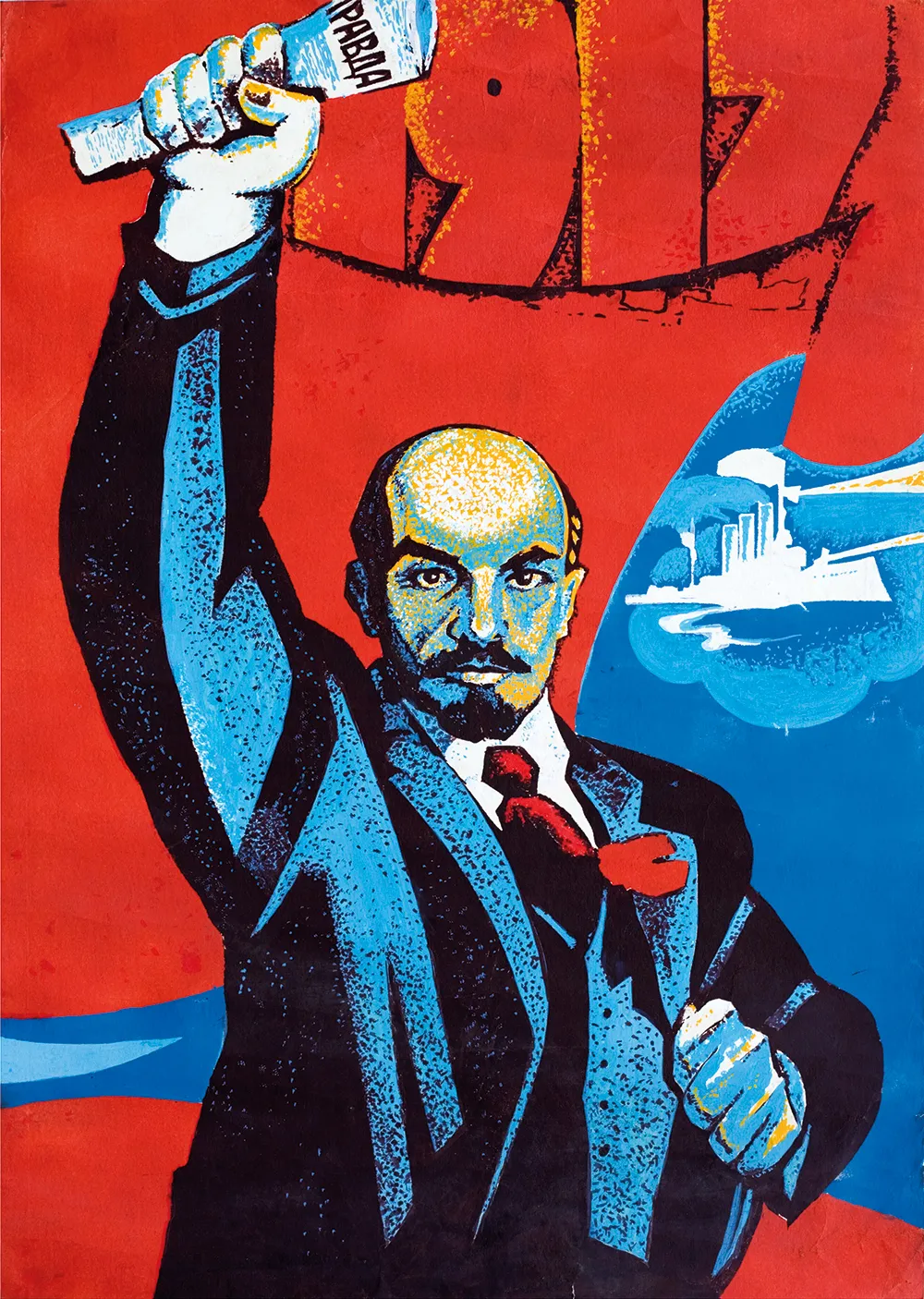
f the word “revolution” implies, etymologically, a world turned around, then what unfolded in Russia in 1917 was just that. Everything changed. Old-school deference was dead; the proletariat was in power.
The communist American journalist John Reed witnessed a contretemps that captured the suddenness of the change. In simpler times, sailors would have yielded to senior ministers, but on the day of the storming of the Winter Palace in St Petersburg, they weren’t having it. When, in a last-ditch effort to save the Provisional Government, two liberal grandees demanded that they be let in, one of the sailors replied, “We will spank you! And if necessary we will shoot you too. Go home now, and leave us in peace!”
Here was an anecdote confirming Trotsky’s lofty pronouncement that the revolution marked the “forcible entrance of the masses into the realm of rulership”. Where Trotsky was coolly detached in his bird’s-eye The History of the Russian Revolution, Reed was breathless in his wide-eyed, worm’s-eye memoir, Ten Days that Shook the World.