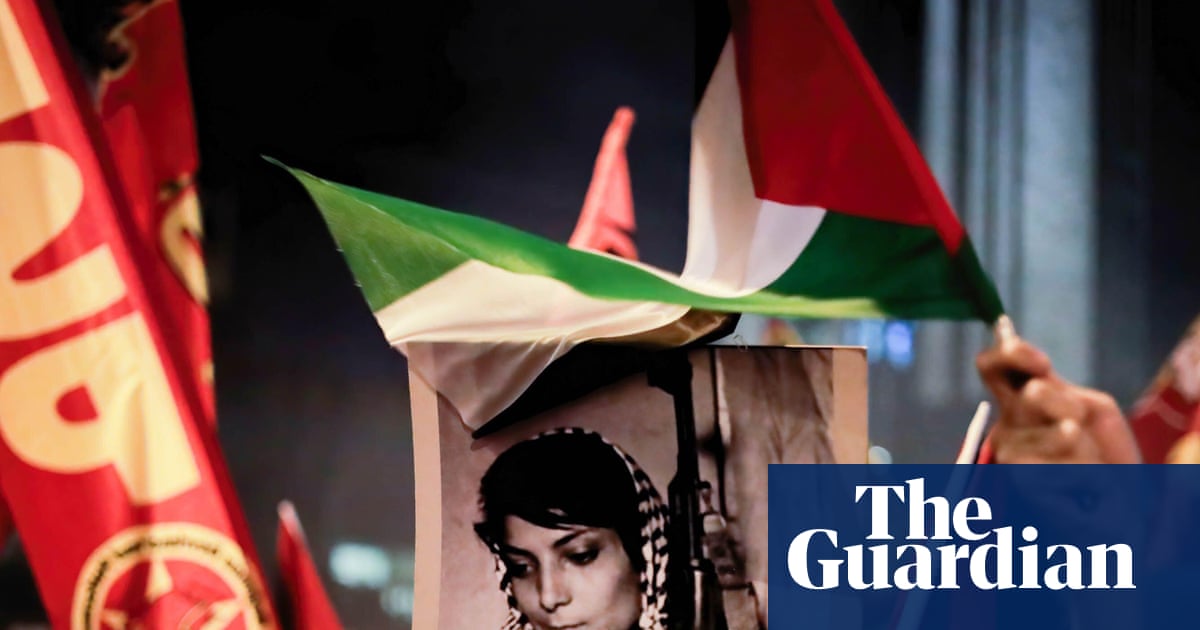
A colourful study of the evolution of extremism in the tumultuous 1970s
N
o one knew what to call them. For some they were “skyjackers”, for others “air bandits”. Neither name stuck, but by 1970, these figures were fixtures of the western political landscape. It helped that hijacking planes was easy. Bag checks, metal detectors and frisking at airports were proposed, only to be dismissed as overkill.
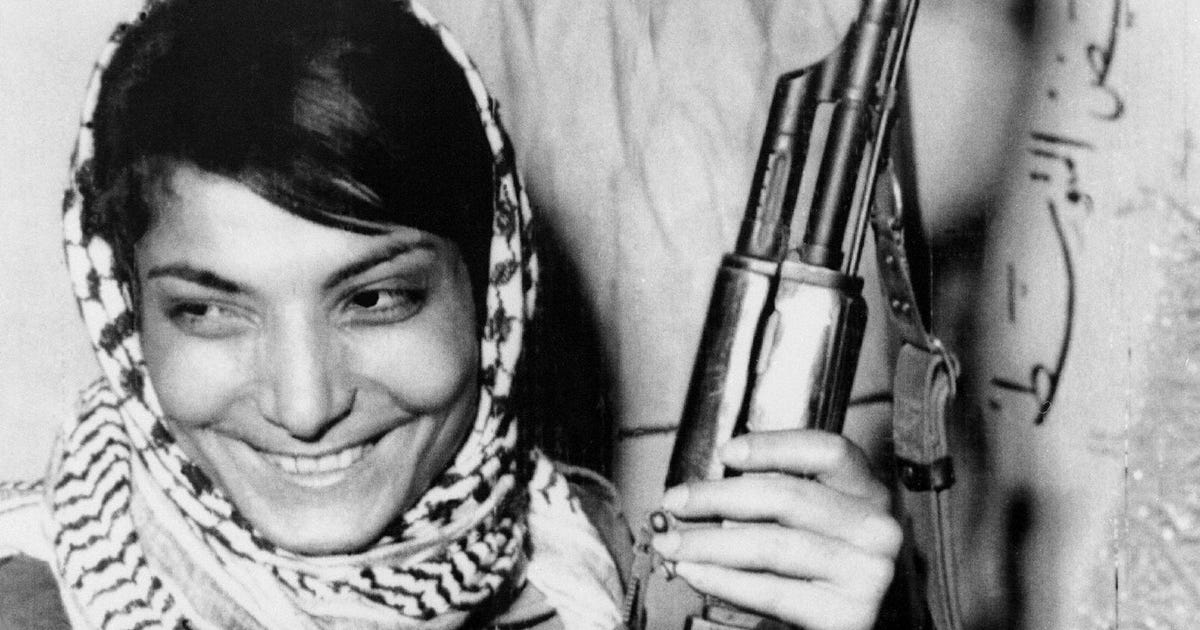
The result was a lethal carnival of transnational terrorism that peaked in the 70s, when commandeering a plane was as much a rite of passage as backpacking to Kathmandu for some countercultural types. Spanning four continents and drawing on sources in a dozen languages, Jason Burke’s survey of this set combines a flair for period detail – sideburns and aviator shades, berets and Beretta pistols – with impressive digests of Arab and Iranian history.
Burke, the Guardian’s international security correspondent, writes with amused detachment, sketching militants less as ideologues than oddballs. Kōzō Okamoto of the Japanese Red Army, for instance, was an eccentric with two obsessions: cherry blossom and DDT. The German women of the Red Army Faction mixed dialectical materialism with topless sunbathing in Amman, to the chagrin of their Palestinian hosts.