Turn any article into a podcast. Upgrade now to start listening.
Members can share articles with friends & family to bypass the paywall.
You’re reading Dispatch Markets, a weekly newsletter on economics featuring Scott Lincicome, Kyla Scanlon, Karl Smith, Marian Tupy, and Adam Ozimek. To access more Dispatch reporting and analysis, become a member today.
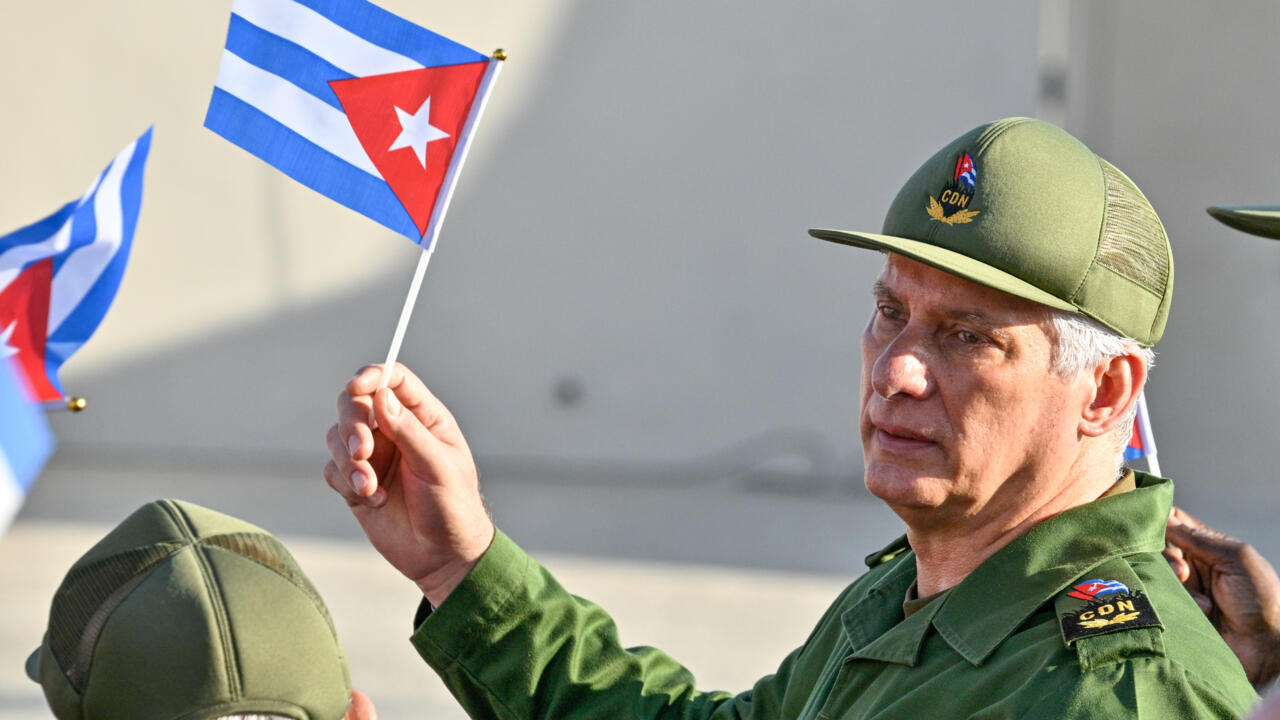
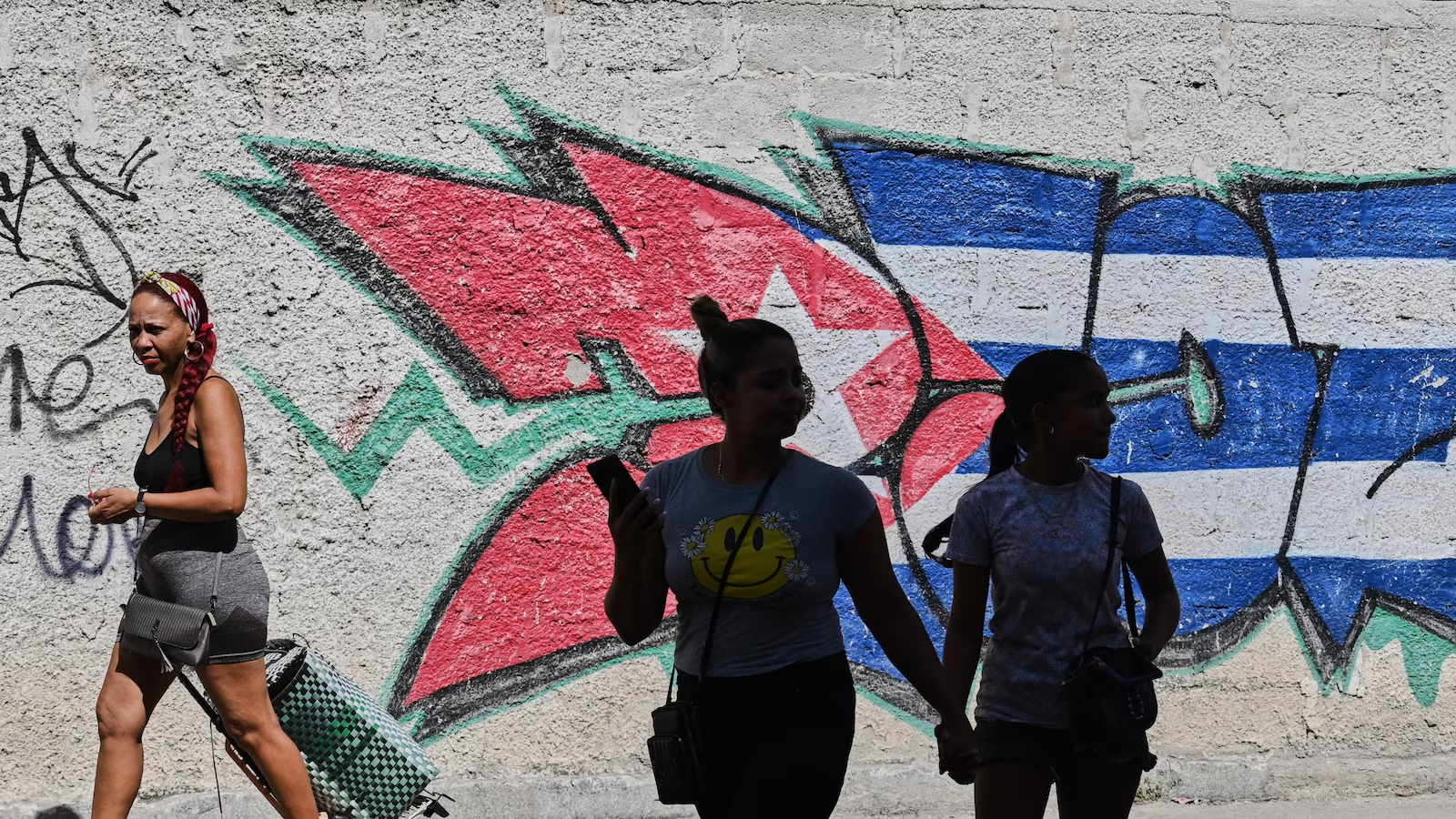
One way or another, Cuba’s 67-year experiment with communism is coming to an end. Whether it is caused by American invasion, U.S. political and economic pressure, internal revolt, or some combination of the three, Cuba’s Communist Party monopoly on the exercise of power will cease. What will replace it is uncertain, and as the Haitian anarchy shows, things can always get worse.
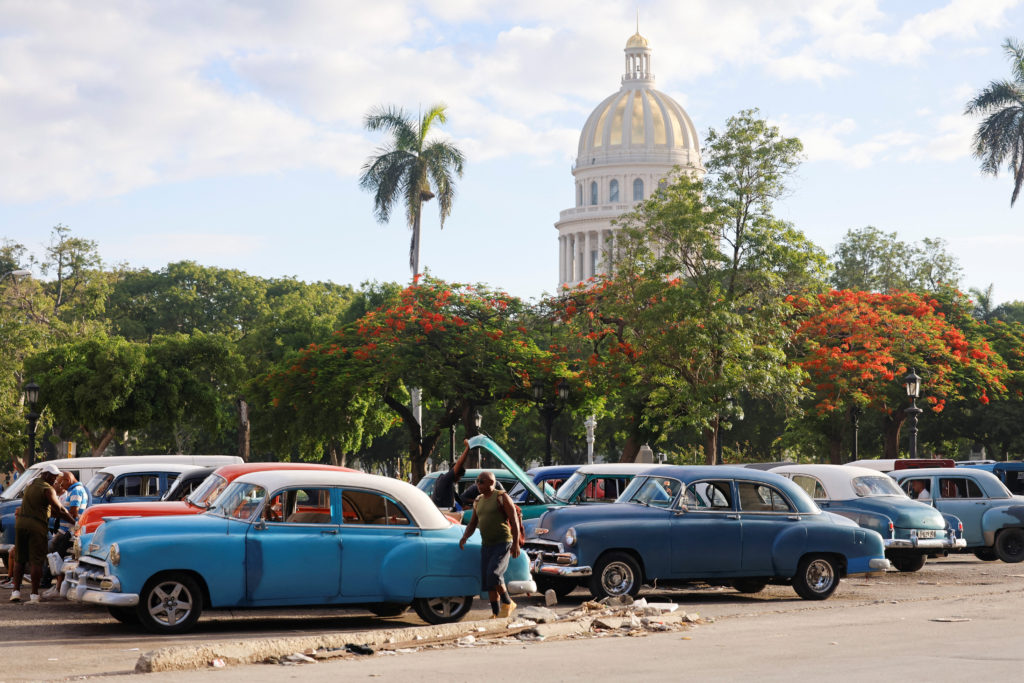
But they can also get much better. With proper reforms overseen by the highly educated and well-heeled Cuban diaspora, the island’s economic growth could mirror that of Chile, which implemented free-market economic reforms after the overthrow of the Marxist President Salvador Allende in 1973, or Poland, which started its transition from communism to capitalism with the Balcerowicz Plan in 1989. Both countries were once basket cases, but are now widely recognized as regional success stories. If that happens, other desirables, such as renovated town centers, functioning sewage systems, better roads, and cleaner hospitals, will follow.