Saturday, June 20th 2026 - 06:57 UTC
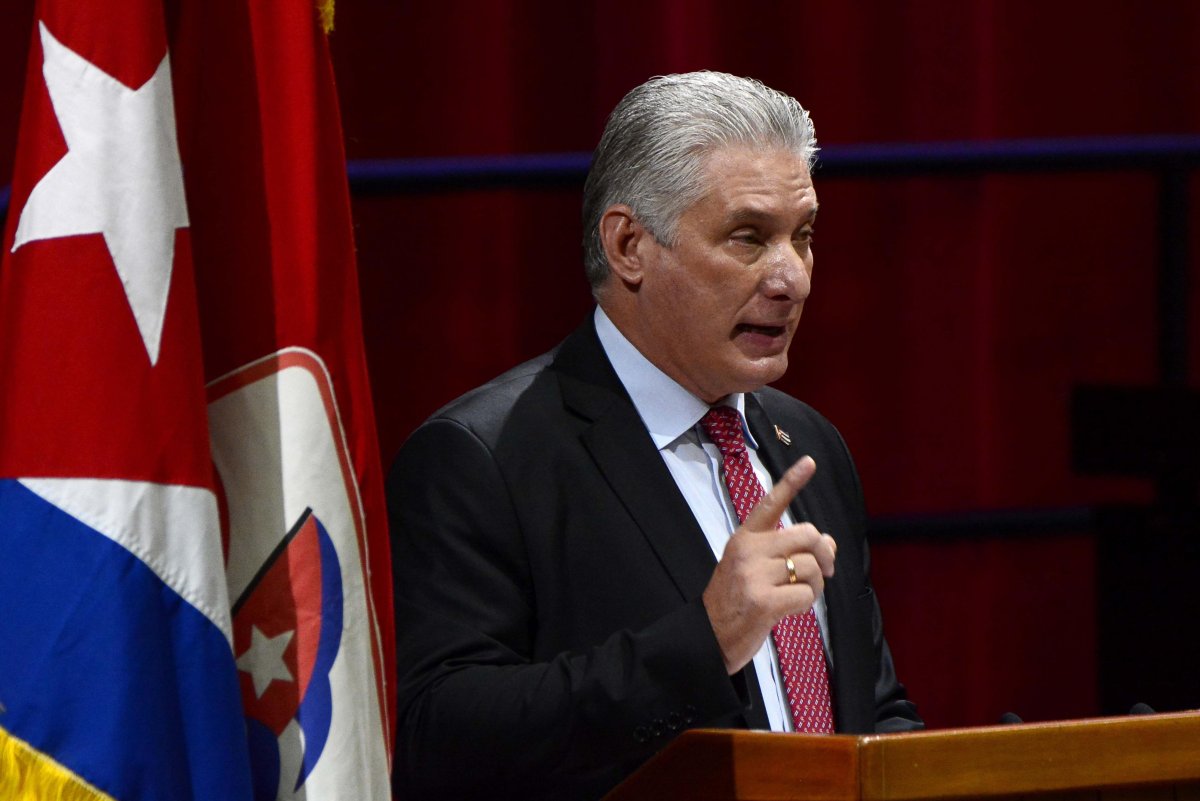
President Miguel Díaz-Canel justified the package before the Communist Party's Central Committee with the premise of “changing whatever needs to be changed”
Cuba's National Assembly approved on Friday a package of 176 measures that introduces market dynamics into the island's economy, in the deepest shift since the reforms promoted by Raúl Castro in 2011. The government presented the plan as a response to the worst economic crisis in decades, though much of the population receives it with skepticism.
The document, structured in 23 areas, legalizes measures that until recently were considered off-limits: it authorizes the creation of private banking under the supervision of the Central Bank, allows foreign direct investment in the private sector and in tourism, ends the state monopoly on foreign trade and enables the conversion of state companies into joint-stock corporations. It also removes the 100-employee cap for private businesses, creates bankruptcy procedures, provides for successive devaluations of the currency and replaces the universal subsidies of the ration card with aid targeted at sectors deemed vulnerable.
President Miguel Díaz-Canel justified the package before the Communist Party's Central Committee with the premise of “changing whatever needs to be changed,” and admitted that not having done so earlier was “a mistake.” He held that the transformations “do not mean a renunciation of socialism,” but rather the result of economists' proposals and the study of other socialist experiences. Prime Minister Manuel Marrero defined them as an “indispensable condition” for preserving the model. The process was unusually fast for Cuba: in a single week came the announcement, the Central Committee's endorsement and parliamentary approval.