Cuba just did something it hasn’t done in 67 years: bet on the free market.
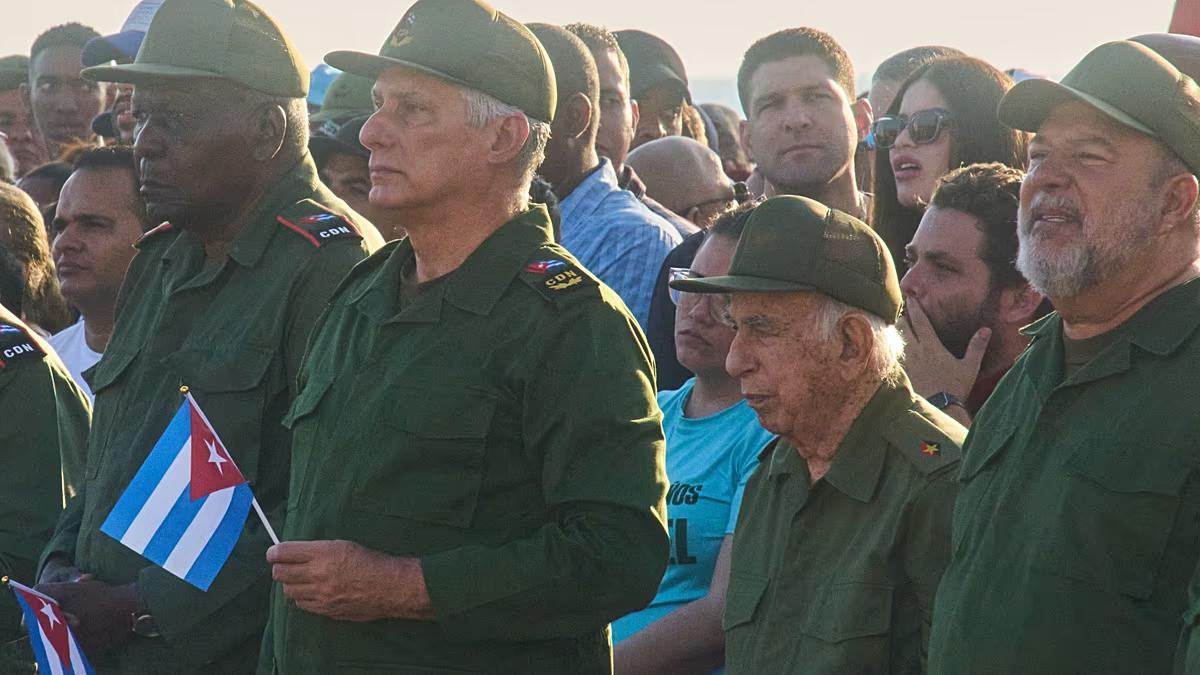
The country’s National Assembly unanimously approved a package of 176 economic reforms on June 18, 2026, marking the most significant structural shift in the Cuban economy since Fidel Castro’s revolution in 1959. Private banks, foreign investment in state enterprises, and dramatically expanded rights for private businesses are all on the table.
What the reforms actually do
The package, presented by Prime Minister Manuel Marrero, touches nearly every corner of Cuba’s centrally planned economy.
Private businesses can now hire more than 100 employees. Until recently, that was a hard ceiling. They can also own multiple enterprises.