HAVANA (AP) — Observers on Friday called Cuba's new free-market reforms the most sweeping economic overhaul of the island's communist economy since the Cuban revolution, as the grandson of former President Raúl Castro said in an interview that Cuba must seek to move its economy forward.
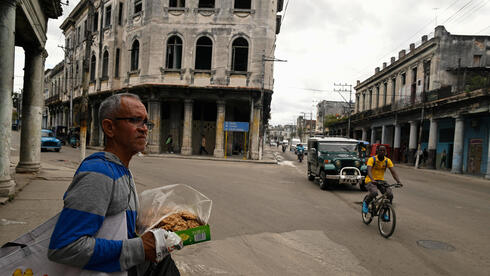
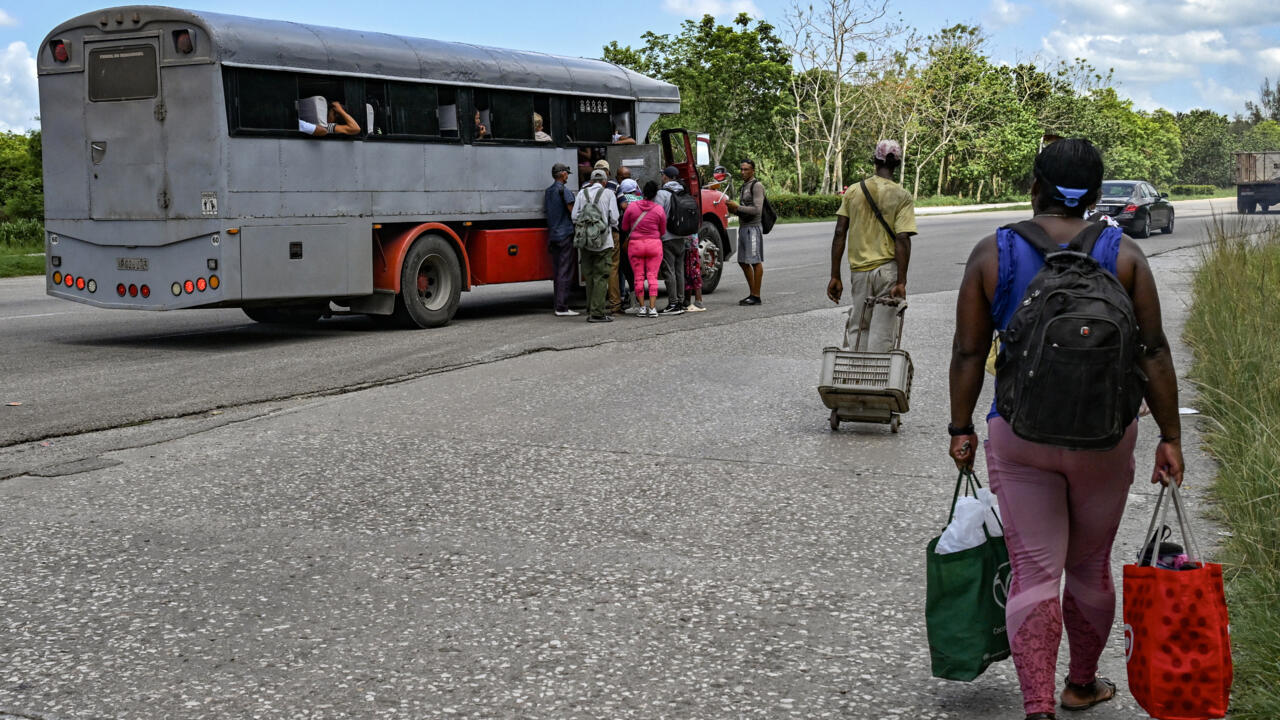
The 176 measures aim to further decentralize Cuba's state-run economy, which has been left gasping by a tightened embargo under President Donald Trump. Under the island's current economic model, the government largely determines what is produced, who produces it, the prices at which goods are sold and how the country's resources are allocated.
READ MORE: U.S. sanctions Cuban President Díaz-Canel in latest move pressuring island's leadership
The plan includes more space for private businesses, imports and exports without state intermediation, free hiring of personnel, authorization for private banks and investment by Cubans abroad. It even permits fast-food chains to establish themselves on the island.
"Elements that for decades were listed as pillars of the revolutionary economy, such as the state monopoly on foreign trade and the centralization of productive forces, have been dismantled," said Luis Carlos Battista, a Cuban-American political scientist and lawyer who is a doctoral candidate at the University of Salamanca.