A landmark new account of the 1979 revolution sets current events in context
A
s Wordsworth found in Paris after 1789, revolutions are deeply enthralling. There is nothing so bold, so self-sacrificing, so brave, so cruel as a revolutionary crowd. What’s more, revolutions have shaped the modern world. The European Union has been transformed by the overthrow of Marxism-Leninism in eastern Europe, while the near-revolution in Tiananmen Square in 1989 feeds the neuroses of the Chinese Communist party to this day.
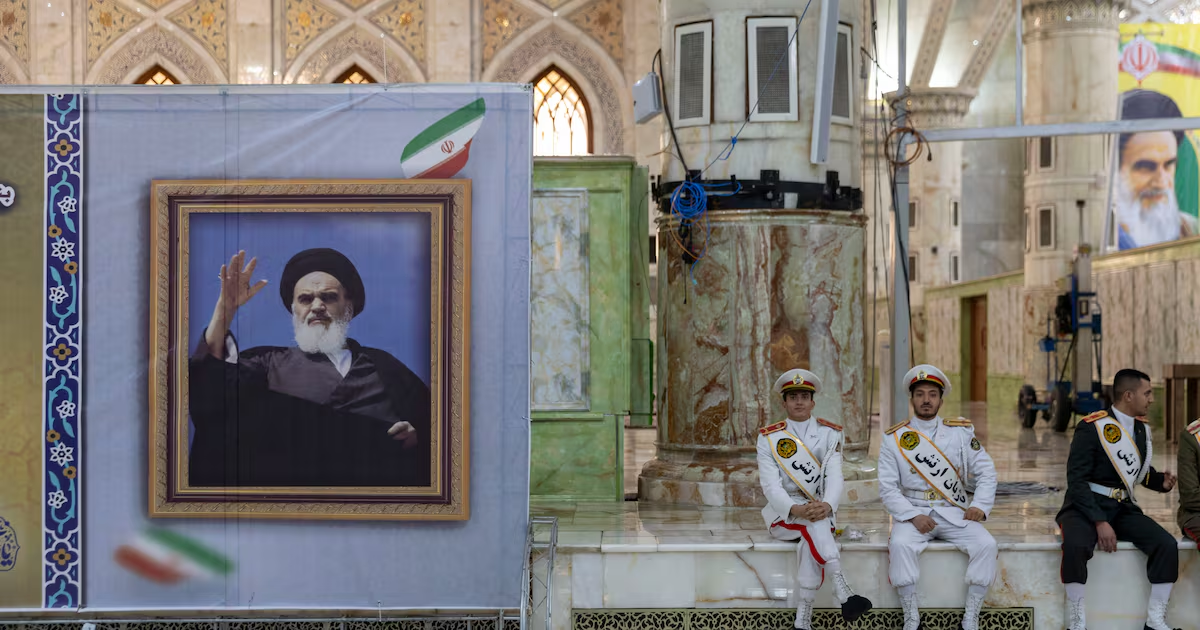
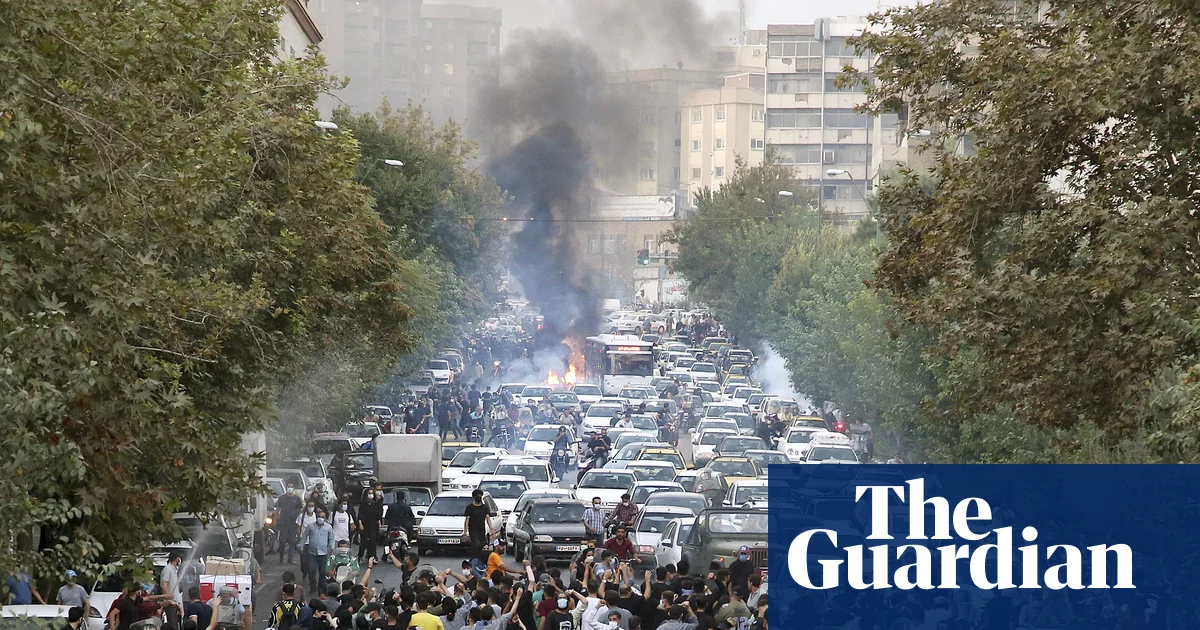
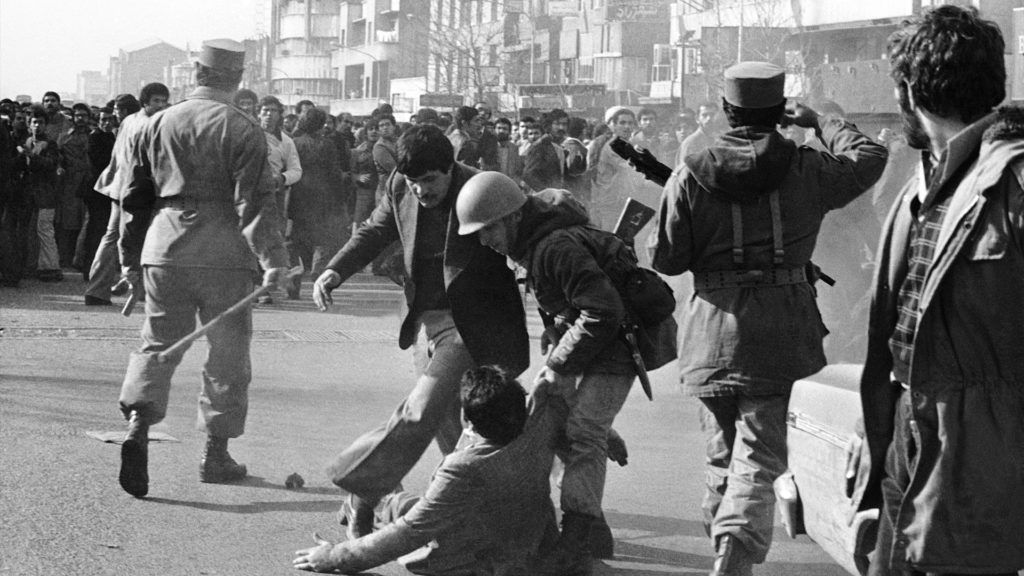
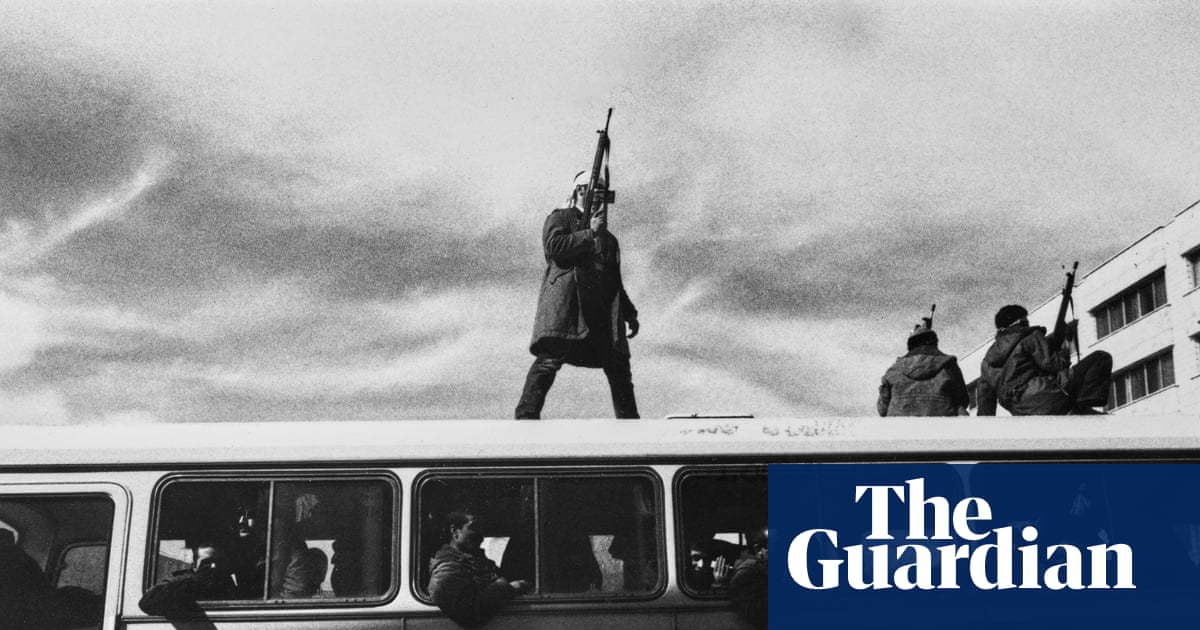
Yet in some ways it was a revolution 10 years earlier that has been even more formative for our times: the overthrow of the shah in Iran. That, indeed, was a genuine revolutionary archetype on the 1789 model: barricades in the streets, crowds armed with old hunting rifles and kitchen knives facing up to the tanks (British-made, naturally); palaces, barracks and secret police headquarters stormed and sacked, the uniforms of the shah’s supposed “Immortals” lying on the ground, abandoned in utter panic. I even came across the ultimate revolutionary image: the body of an unfortunate cop hanging from a lamp-post. Squeamishness back at the BBC in London meant the shot wasn’t used.
The overthrow of the shah’s dynasty had deep roots: heavy-handed British and American imperialism going back decades, the vast wave of corruption created by the oil price rise after 1973, the shah’s own neurotic indecision, the brutality of the Savak (which, much as in the French and Russian revolutions, proved to be a moon-cast shadow of the incoming regime’s repression).