HomeAI · summaries
Storia in 5 fonti
Caste, COVID vaccine, bank accounts, voter/aadhaar: The big changes in Census 2027
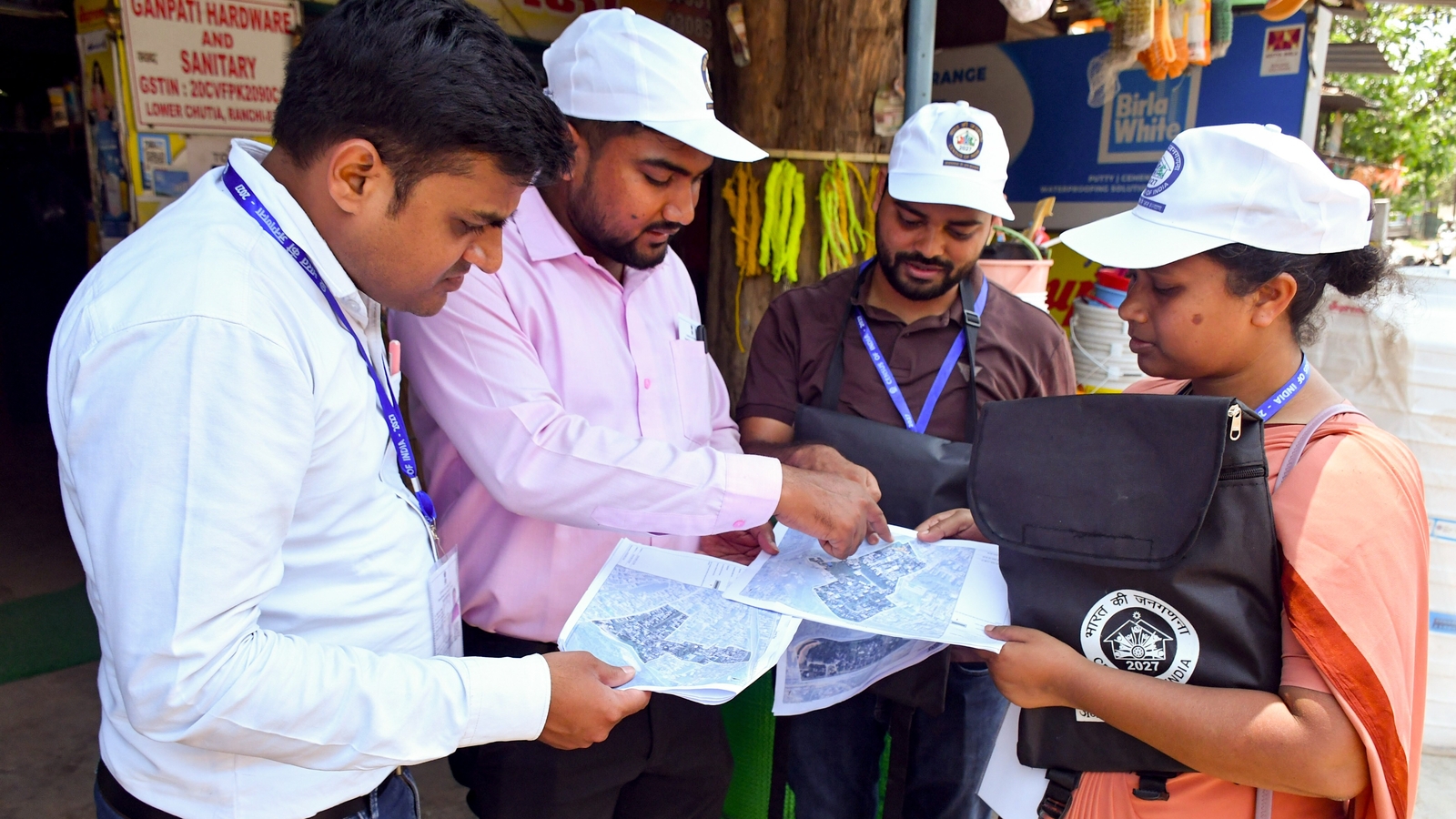
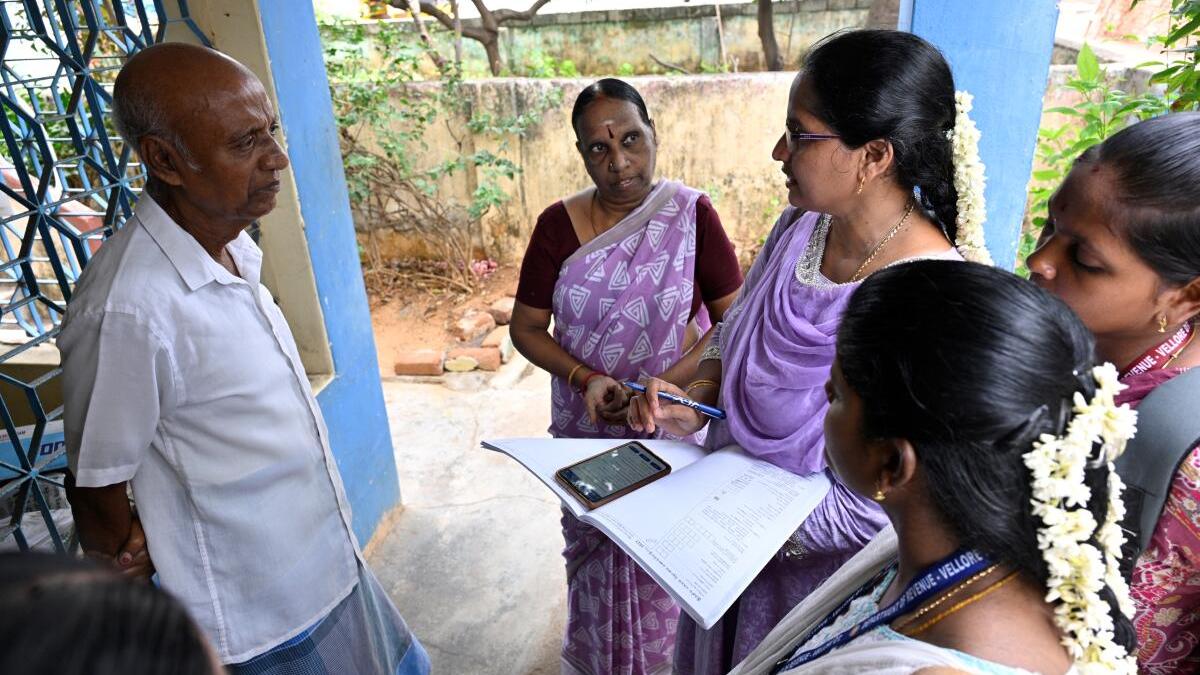
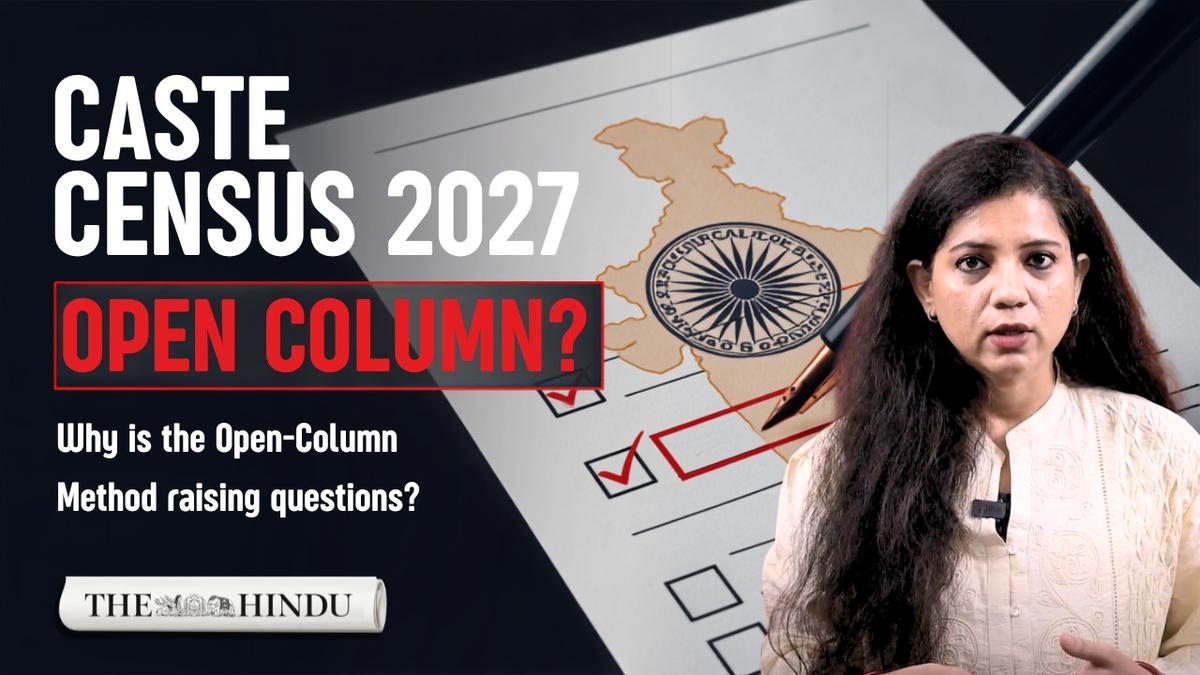
For the first time since Independence, India's Census will record the caste of all respondents, making Census 2027 one of the most significant demographic exercises in the country's history. The new questionnaire expands from 29 categories in Census 2011 to 40 questions and includes information on caste, digital literacy, Aadhaar, mobile numbers, bank accounts, voter IDs, passports and more. But why is the caste question creating political debate? How will the open-column system work? And what lessons has the government drawn from the 2011 Socio-Economic and Caste Census? In this explainer, we break down the biggest changes in Census 2027, why they matter, and what they could mean for policymaking, welfare schemes and representation in India.
Confronto fonti
5 prospettive sulla stessa storiaTimeline cronologica
- ·
economictimes.indiatimes.com
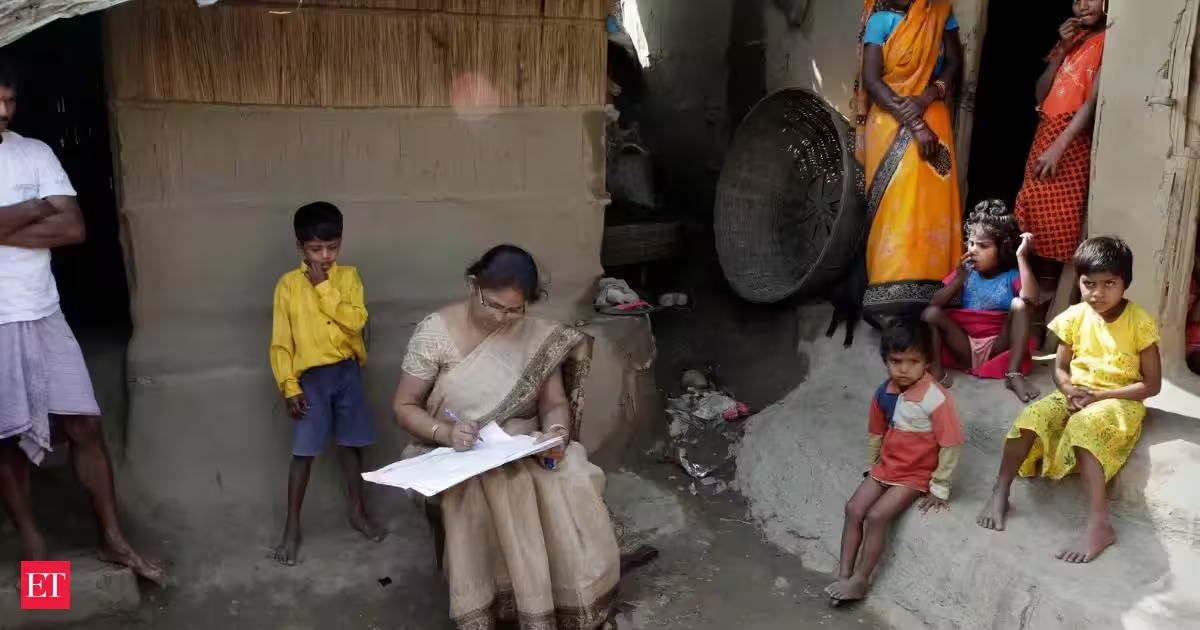
Census 2027: Centre notifies 40 questions for Census population enumeration phase, read full list of questions here
The Ministry of Home Affairs has notified forty questions for the Census of India 2027. These questions will be asked by Census officers for household information collection. …
- ·
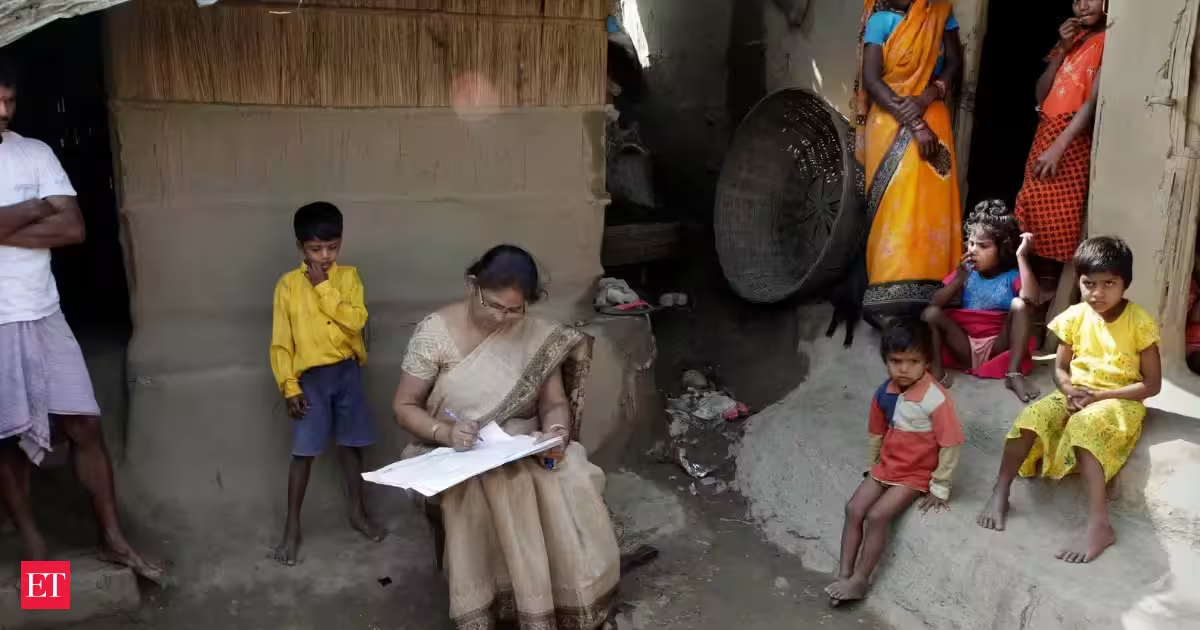
Census 2027: Centre notifies 40 questions for Census population enumeration phase