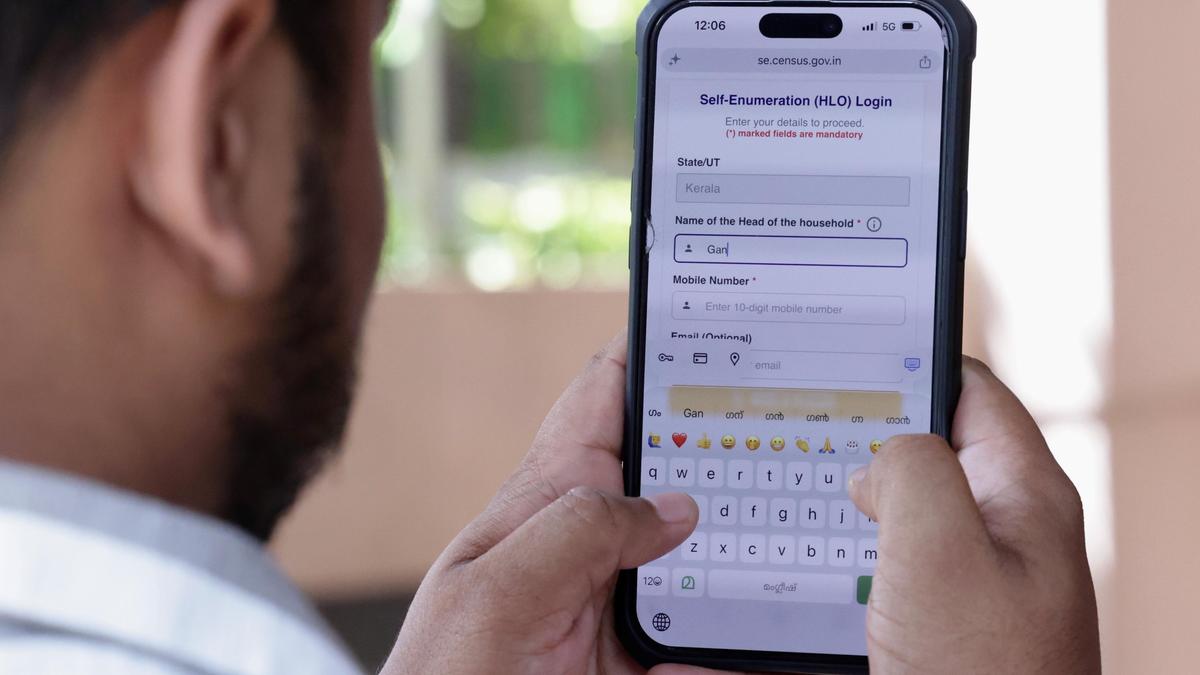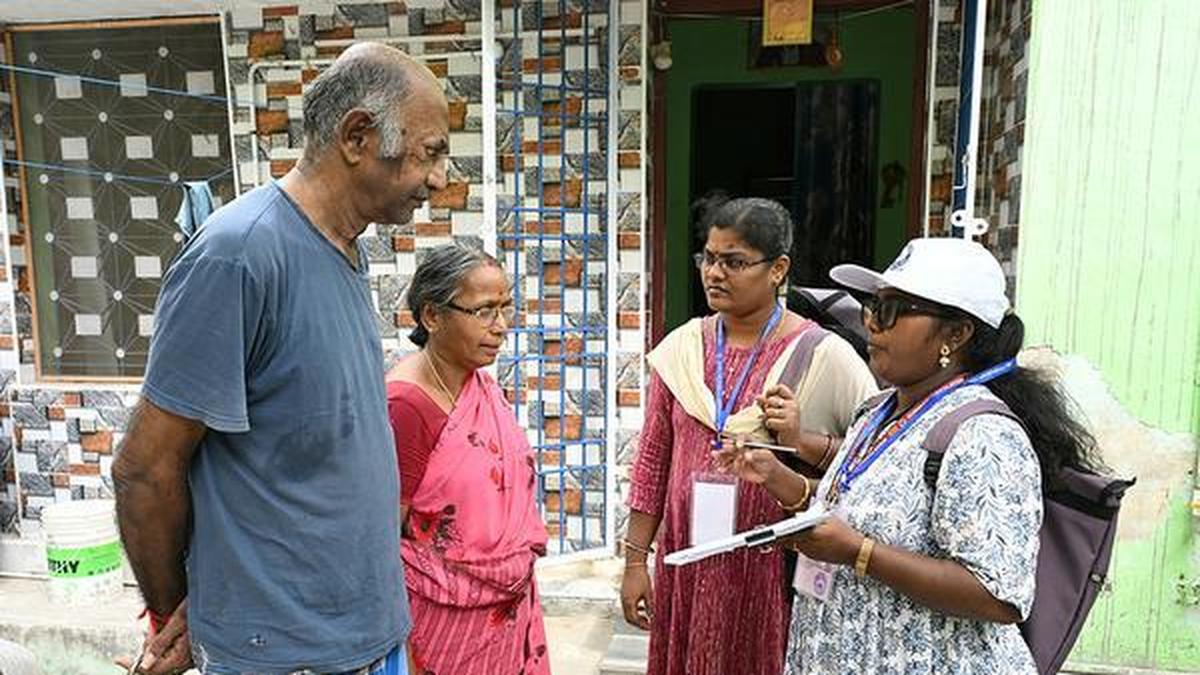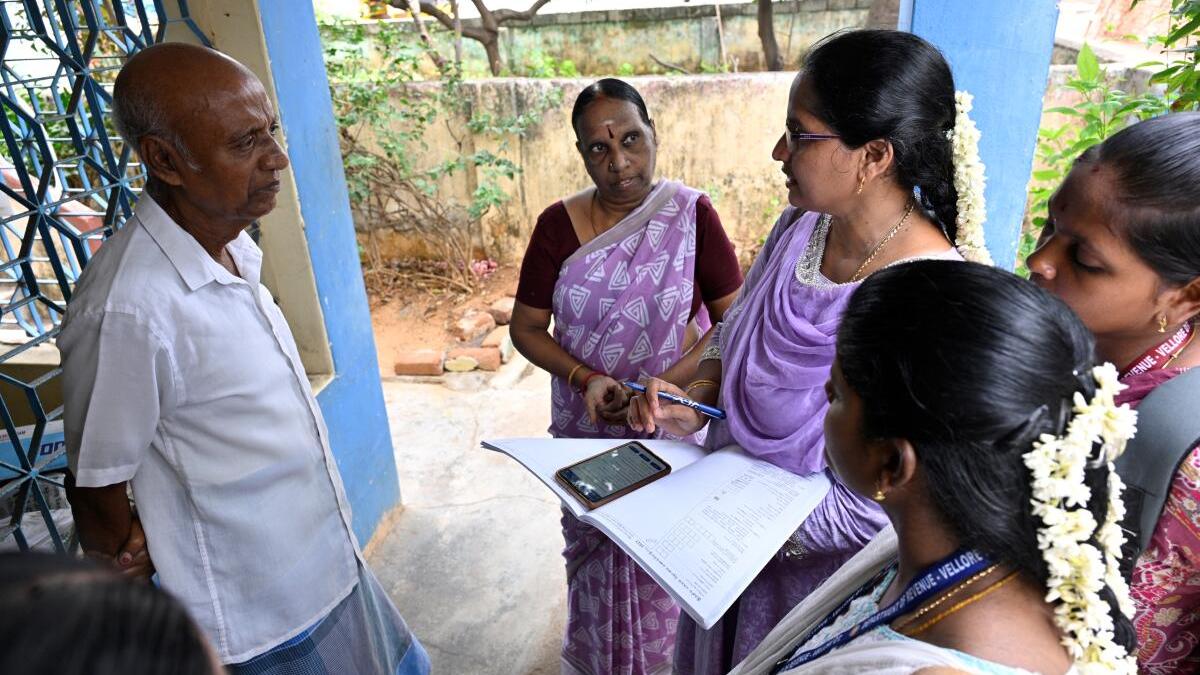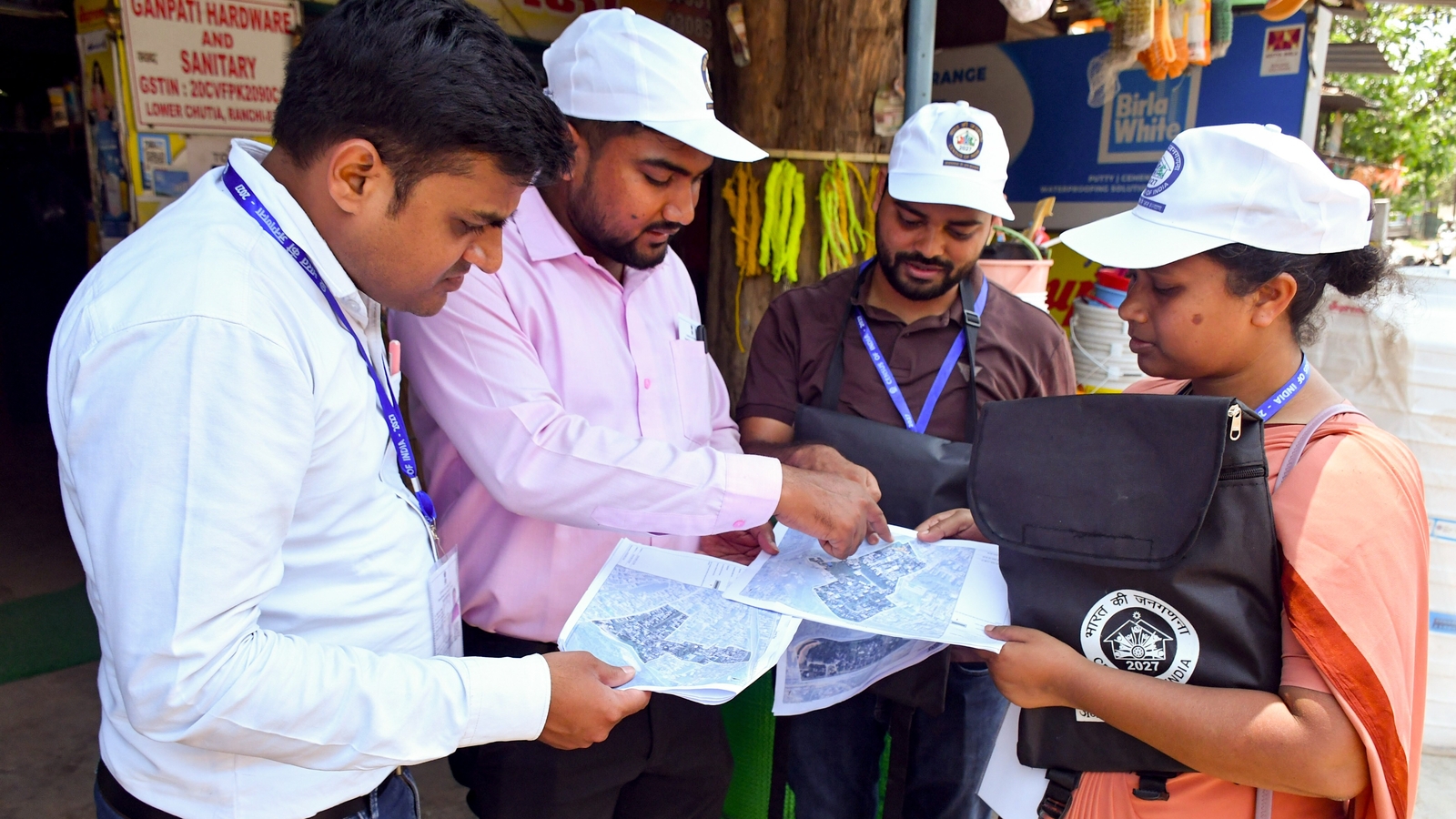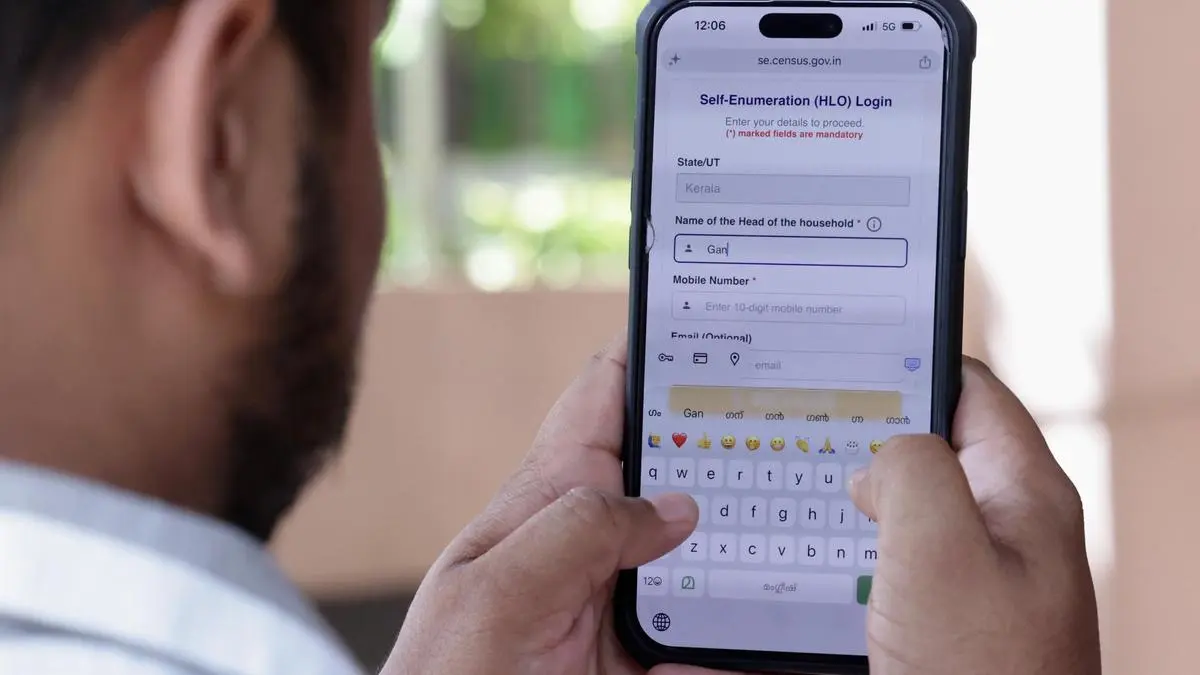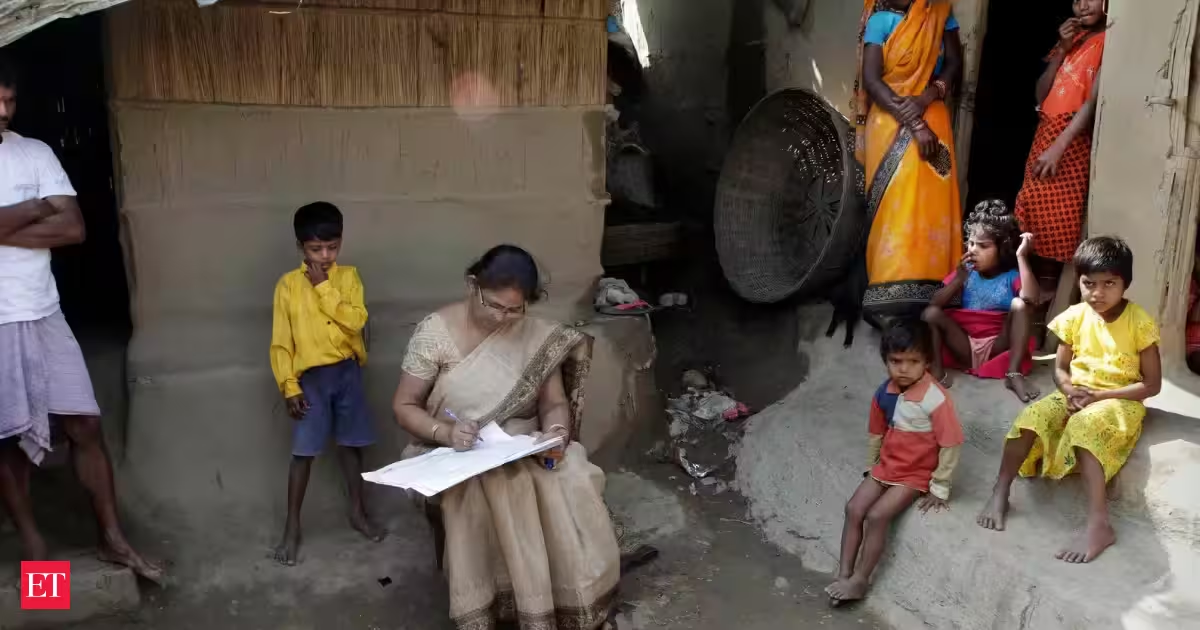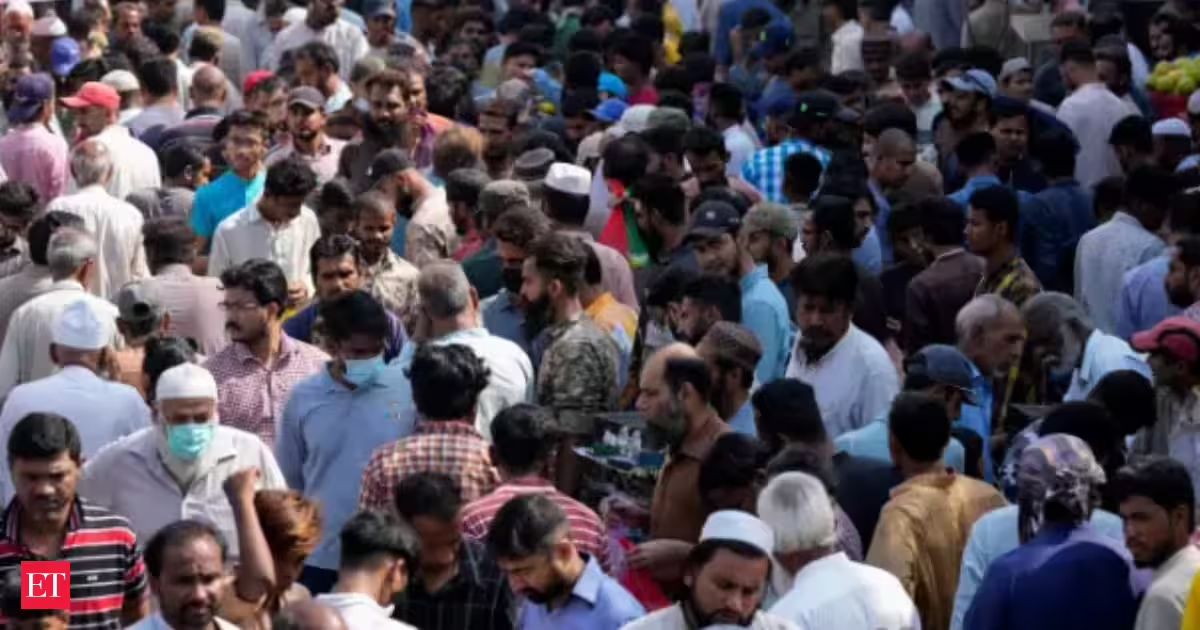
The second phase of Census 2027, which involves population enumeration, will for the first time record caste “as declared by the respondent” among its 40 questions. The questionnaire also introduces several new fields, including the number of bank accounts, place of Covid-19 vaccination and voter ID number.The caste enumeration will not seek to determine whether an individual belongs to the Other Backward Classes (OBC) category. However, Scheduled Castes (SCs) and Scheduled Tribes (STs) will continue to be enumerated as in previous censuses, with all notified SC/ST communities available through drop-down menus.For the first time, the questionnaire notified on Friday for the population enumeration phase will seek details such as the spouse’s name, particulars of the respondent’s parents and nationality. These are among the details earlier captured through the National Population Register (NPR), an exercise carried out alongside Census 2011 and proposed to be repeated with Census 2021 before it was postponed due to Covid-19. NPR updation, however, has been delinked from Census 2027.Read More: Census 2027: Centre notifies 40 questions for Census population enumeration phase, read full list of questions hereThe Phase 2 questionnaire contains 40 questions, compared with 29 in Census 2011. Besides caste, spouse’s name and parents’ particulars, the new fields include nationality as declared by the respondent, permanent address, place of Covid-19 vaccination, total number of bank accounts, mobile number, Aadhaar number, voter ID number, passport number and whether the respondent has a driving licence. Mobile number, Aadhaar and voter ID details may be provided if available, while the passport number will be sought only from Indian passport holders.Sources told TOI that the particulars of the respondent’s mother and father are likely to include their names, dates of birth and places of birth. While these details are important factors in determining citizenship or nationality, their collection will not affect individuals because individual Census data is required to remain confidential and cannot be used as “legal evidence, govt benefits or public disclosure,” according to the government. A senior government functionary said the aggregated data, however, could provide an overall picture of the population that meets citizenship criteria under the Citizenship Act.TOI had first reported on August 3 that the Phase 2 questionnaire would record caste “as declared by the respondent” and, for the first time, also seek the parents’ dates and places of birth.Sources said a drop-down system for caste enumeration was considered impractical because different states have different OBC classifications, with variations between communities recognised by the Centre and those included in state-level lists. They also pointed to the practice of states expanding their OBC lists by adding more castes and classes, which could have created logistical difficulties during the Census.Officials told TOI that unlike the Socio-Economic Caste Census conducted in 2011, which resulted in around 46 lakh caste entries and was ultimately found difficult to use, the digital format of Census 2027 and the availability of modern AI-based tools could help overcome challenges related to compilation and segregation. The Census Act also guarantees complete confidentiality of an individual’s caste declaration.There are other changes in the Census 2027 questionnaire as well. Fertility-related data will no longer distinguish between male and female children. Literacy status, meanwhile, will separately record digital literacy.Read More: Sukhbir Singh Badal’s first reaction after Nanded gurdwara attack: ‘I have never been scared’Although Aadhaar, voter ID and passport details collected during the Census cannot be disclosed to any entity, including government departments, sources said aggregated data could provide a broader picture of document coverage and help identify gaps. Similarly, information on the number of bank accounts could indicate the reach and distribution of banking services.Phase 2 is scheduled to begin in the Union Territory of Ladakh and the snow-bound, non-synchronous areas of Jammu and Kashmir, Uttarakhand and Himachal Pradesh from August 17. The self-enumeration window will remain open from August 17 to 31, followed by field enumeration from September 1 to 30.In the rest of the country, population enumeration will resume in February 2027, with March 1, 2027, serving as the reference date for the population headcount.(With inputs from TOI)
Census 2027: Caste, Aadhaar, voter ID among 40 questions in Phase 2
Census 2027 will record caste as declared by respondents for the first time. New questions include bank accounts and Covid-19 vaccination locations. Parents' details and nationality will also be collected during enumeration. This data collection aims to provide a broader population picture. Aggregated data will remain confidential and not used as legal evidence.
675 words~3 min read