HomeAI · summaries
Storia in 8 fonti
German environment minister wants constitution changed to boost heat protection
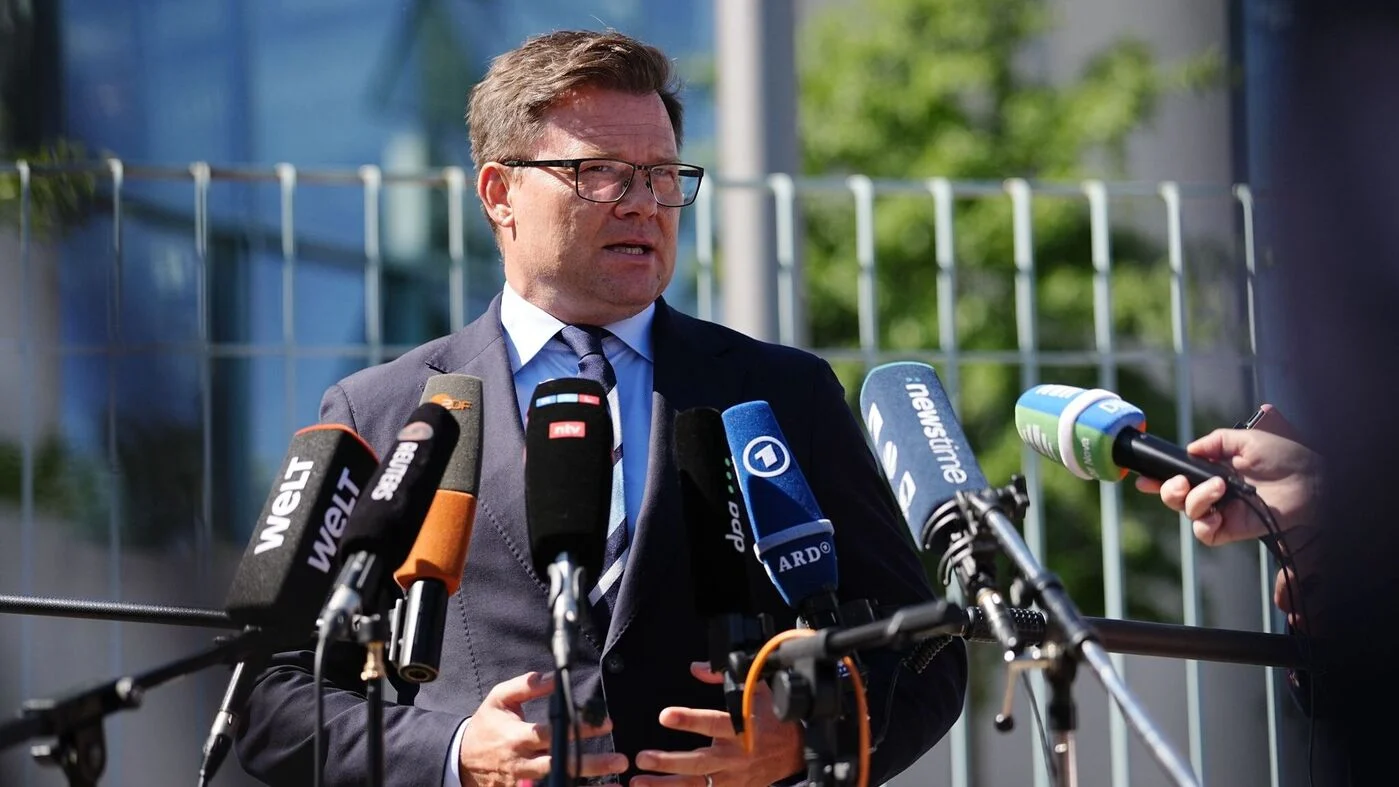
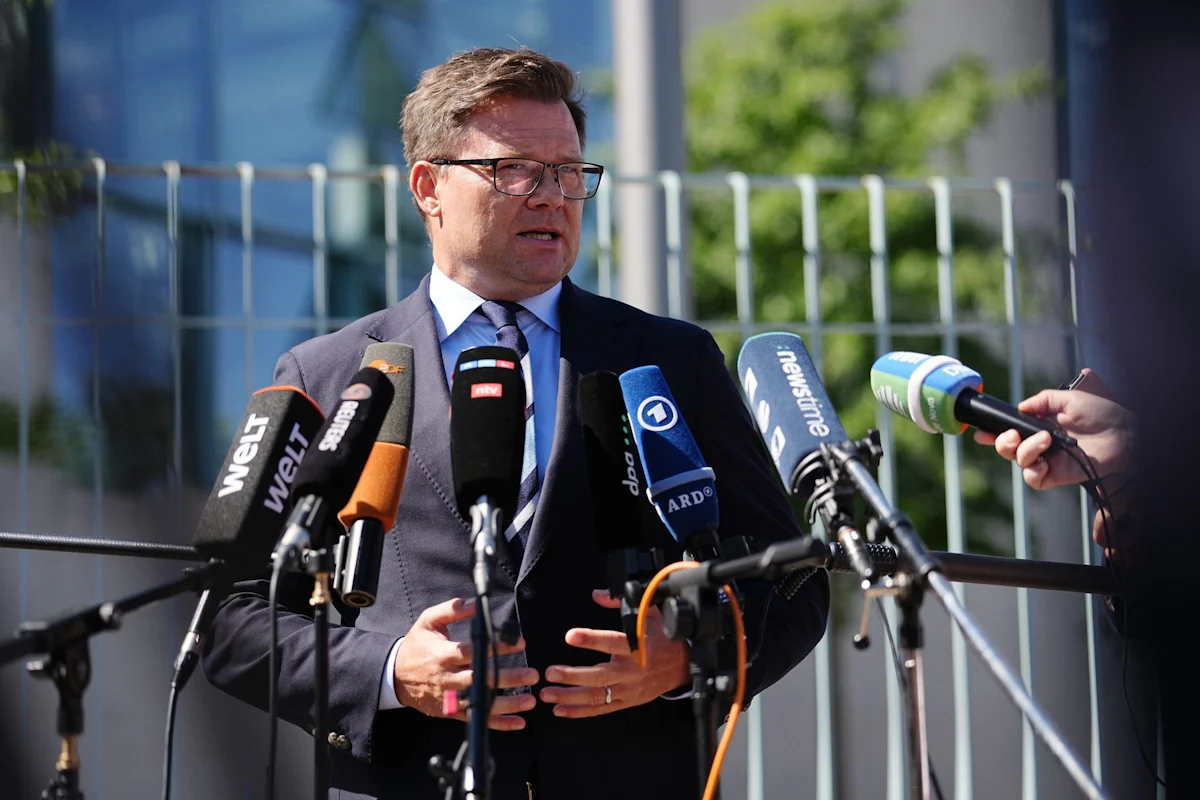
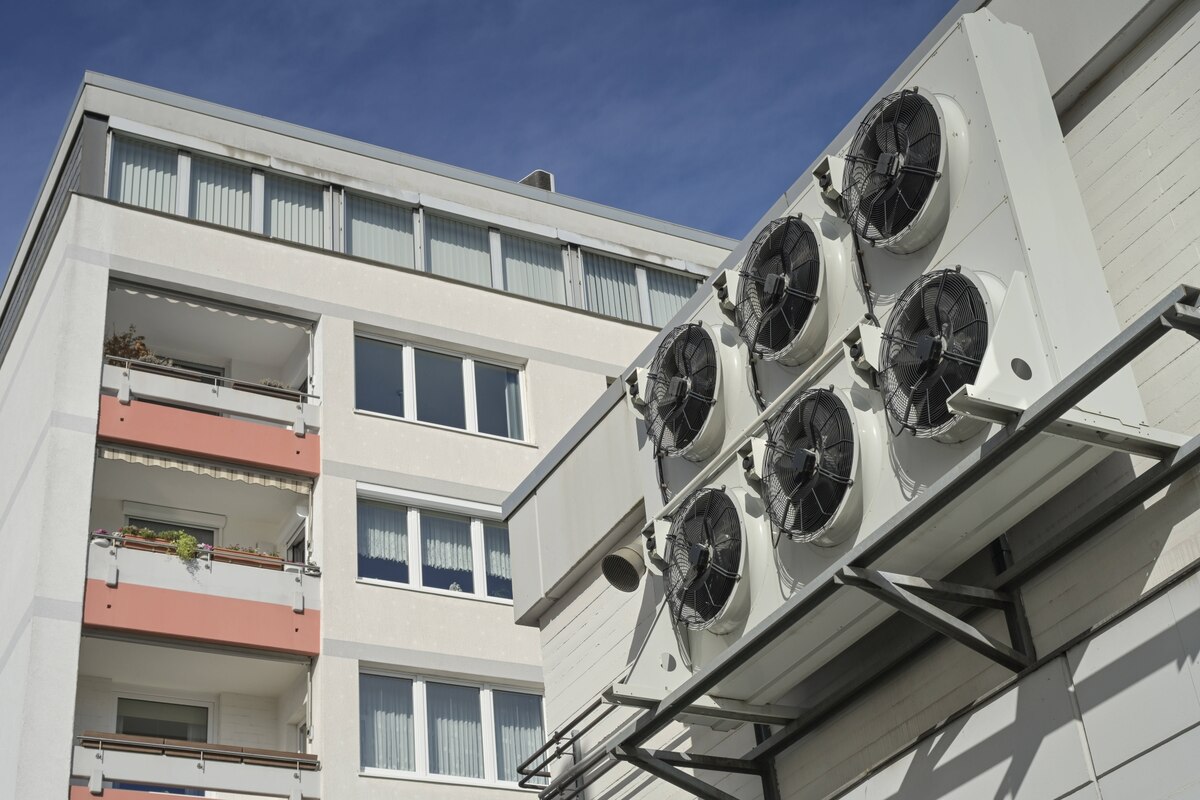
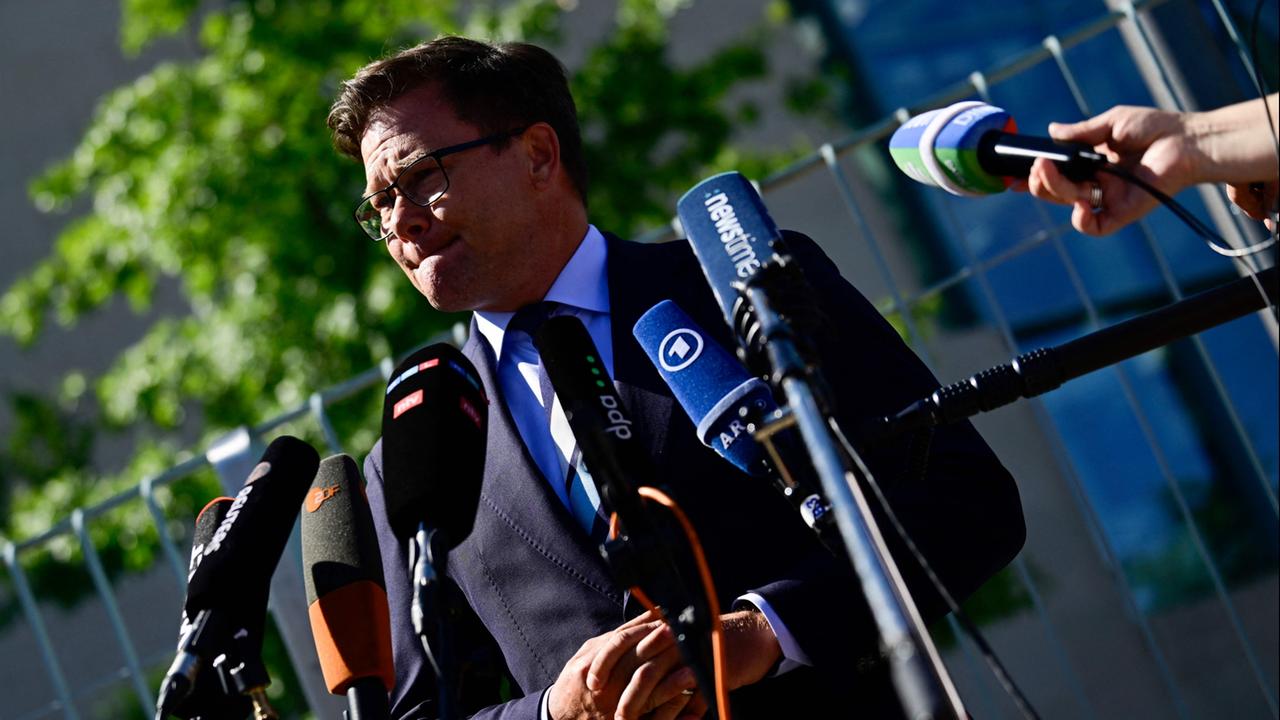
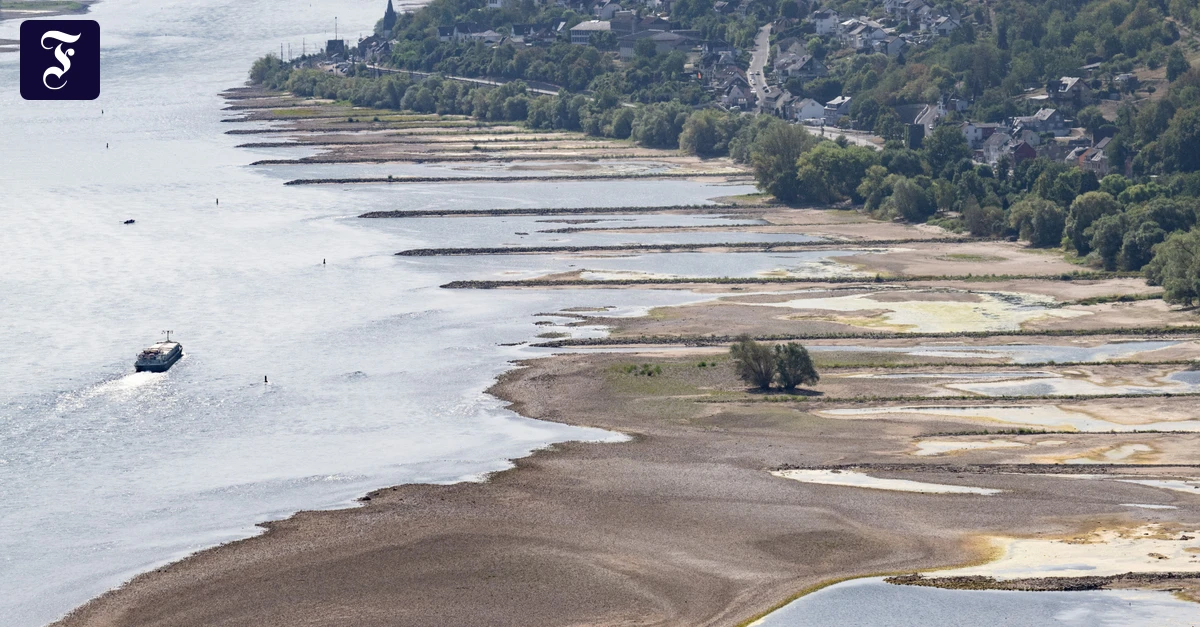
Germany's environment minister Carsten Schneider wants to amend the constitution to make adaptation to the consequences of climate change a shared responsibility of federal, state and local governments. "I consider this absolutely necessary," the Social Democrat (SPD) said, adding he would present a proposal in the second half of the year."I want us to create a possibility in the constitution for the federal government to have competence to act, to take measures, but also to spend money. We don't have that so far," Schneider said, doubling down on his comments from earlier this summer. His state secretary Jochen Flasbarth earlier this month called for a better national response to extreme heat. Schneider added that apart from model projects, the federal government currently struggles to fund adaptation measures such as air conditioning or shade-providing infrastructure. Responsibility for such measures lies largely with states and municipalities, many of which already have heat action plans, as well as climate adaptation strategies. Declaring climate adaptation a so-called “joint task” (Gemeinschaftsaufgabe) in the constitution would allow engagement by the federal government.Like the rest of Europe, Germany has experienced a series of record-breaking heatwaves this summer, which killed thousands of people and triggered a debate about the necessary policy responses. The economy also took a hit, with low river water levels crippling shipping and straining supply chains.Germany's constitution, the Grundgesetz, tightly divides competencies between federal and state level, and changing it requires a two-thirds majority in parliament. That threshold means Schneider would need support from the Left Party, with which the conservative CDU/CSU bloc of chancellor Friedrich Merz has so far refused to cooperate, making the plan politically difficult. Schneider himself predicted "a tough dispute," noting that "you don't amend the constitution every other day."The Greens signalled they would support a constitutional change, given that climate adaptation is currently legally classified as a so-called voluntary duty that risks being neglected, public broadcaster Tagesschau reported. A number of organisations such as the Association of German Cities and social advocacy group VdK have also called for a reform. Schneider framed heat protection as a social justice issue as well as a climate one. Low-income and vulnerable groups are more likely to live in poorly insulated or poorly cooled housing, often without access to a garden or sufficient living space, he said, making them disproportionately exposed to extreme heat.The minister also pushed back on arguments that climate action harms the economy. "Everyone who has previously claimed that climate protection damages the economy is now experiencing that a lack of climate protection damages the economy. Every day costs 500 million euros, almost half a billion in lost economic output," he said.
Confronto fonti
6 prospettive sulla stessa storiaTimeline cronologica
- ·
zeit.de
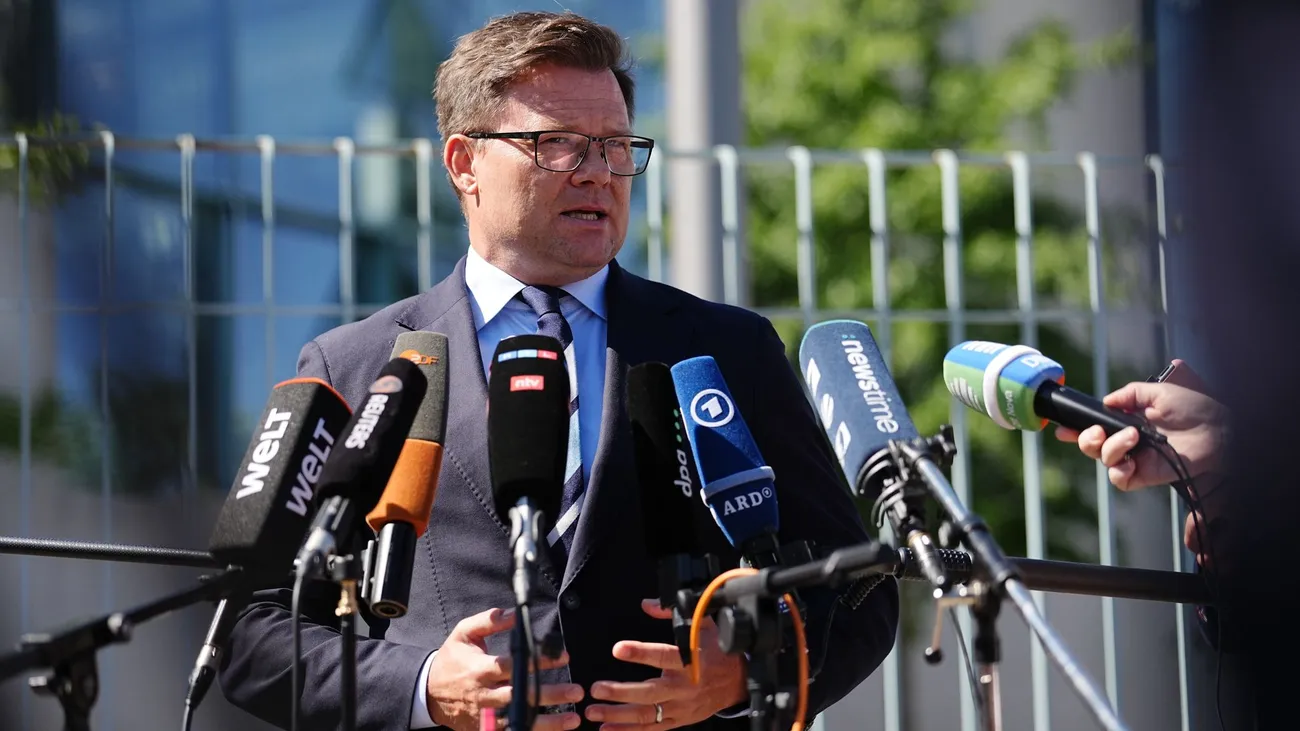
Umgang mit Erderwärmung: Schneider will Grundgesetz für Hitzeschutz ändern
Hier finden Sie Informationen zu dem Thema „Umgang mit Erderwärmung“. Lesen Sie jetzt „Schneider will Grundgesetz für Hitzeschutz ändern“.
- ·
welt.de
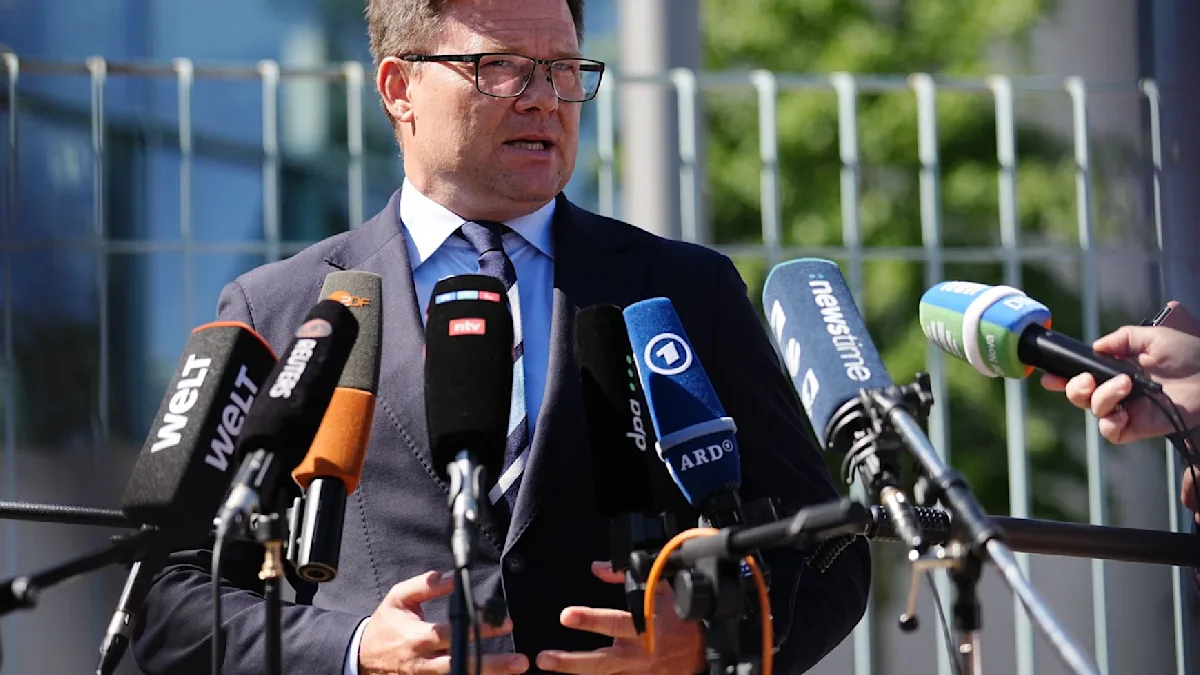
Schneider will Grundgesetz für Hitzeschutz ändern - WELT
Der Bundesumweltminister will dem Bund mehr Handlungsspielraum beim Umgang mit steigenden Temperaturen geben. Der Weg dahin wäre aber gar nicht so einfach.