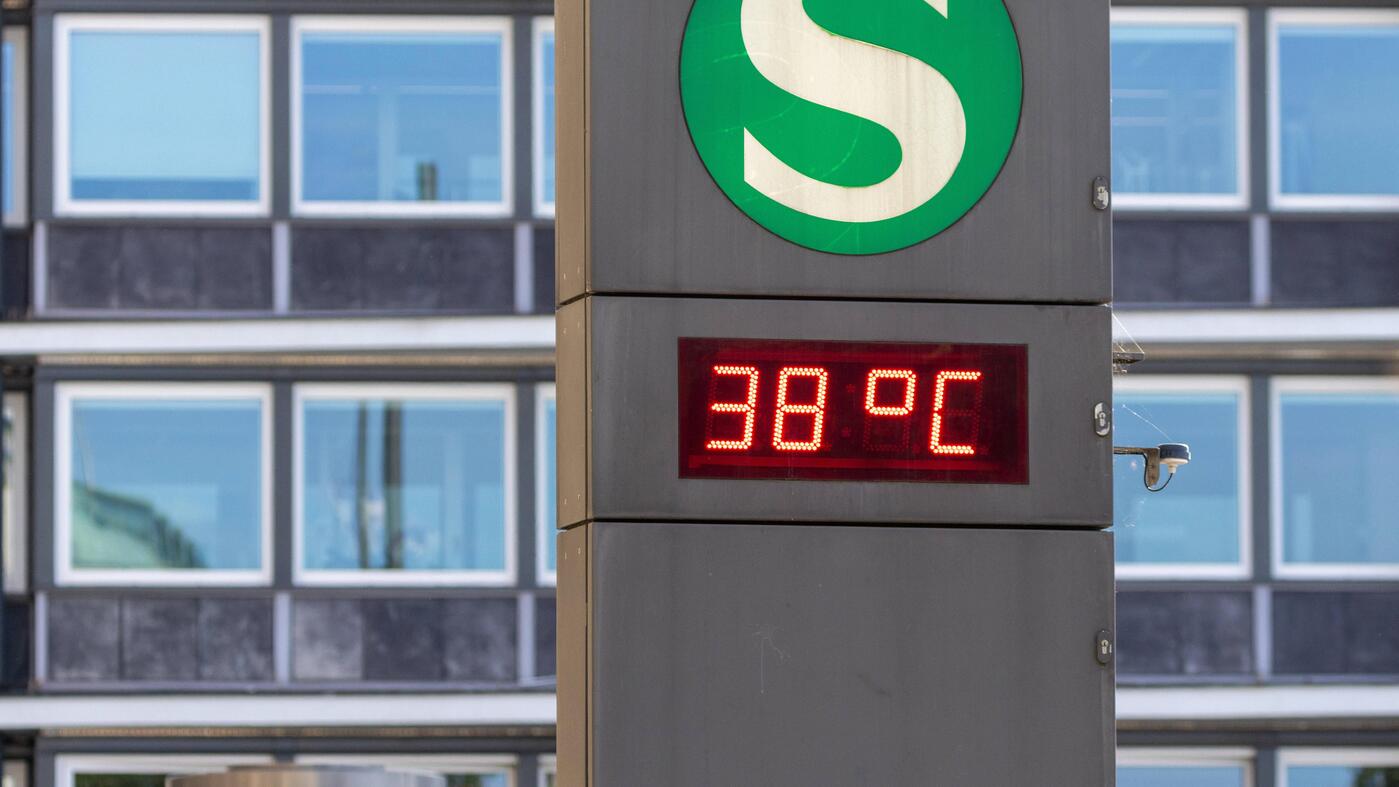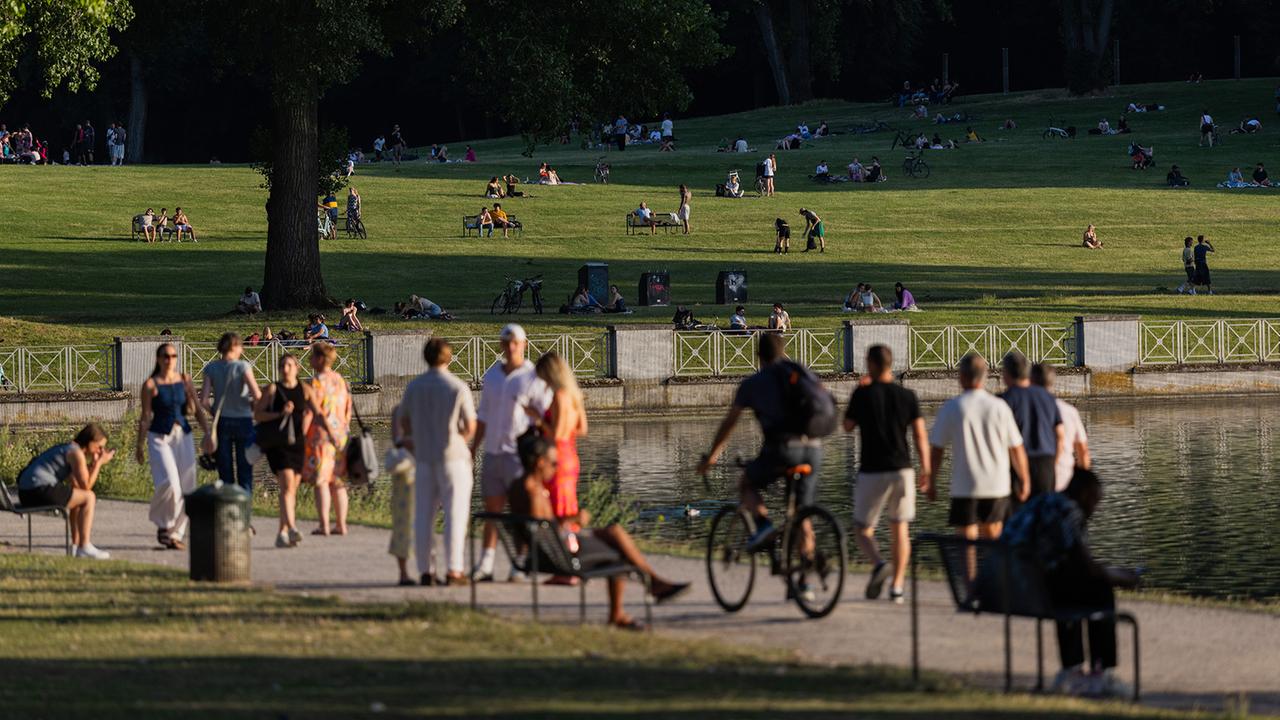
A large majority of people in Germany still see climate change as a serious threat and back government action to address it, but confidence in how the transition is being managed is eroding, according to a survey published by the Bertelsmann Stiftung and the Research Institute for Sustainability (RIFS). Eighty percent of respondents said they are concerned about the consequences of climate change, with only 11 percent questioning whether it is caused by human activity, the "Social Sustainability Barometer" found, based on a representative panel of more than 6,500 people. More than half (54%) support increased public spending on climate action. “However, overall concern about climate change has decreased, and support for various aspects of the sustainability transformation is becoming increasingly fragile,” RIFS said. “The energy transition exemplifies this trend, with support dropping from 69 percent five years ago and 65 percent three years ago to just 60 percent today.”The survey was conducted in March and April 2026, before Germany and large parts of Europe experienced the hottest June and July on record. Recurring heatwaves, new daily and monthly temperature records, large wildfires and a severe drought have led to major damages to public health, economic growth and the environment in many regions across Europe and fresh debates about climate adaptation and prevention. Germany has set a legally binding target of reaching climate neutrality by 2045, requiring sweeping changes to how the country generates power, heats buildings and moves people and goods, for example. The survey's authors stress that broad public backing is essential to sustaining that shift, given the scale of investment and behavioural change required.“The findings point to a nuanced assessment of the sustainability transition and its implementation, with the public weighing its costs, benefits, and risks against one another,” RIFS said. “As a result, concerns about personal financial burdens (53%), broader economic prosperity (39%), and growing social divisions (50%) are becoming increasingly important.” Four in five people believe that households cannot successfully transition to climate-friendly technologies without government support.The survey revealed an erosion of trust in the government and policy decisions. Around three in five people said the implementation of the sustainability transition is increasingly difficult to understand, and disconnected from citizens. Fifty-five percent of respondents state that they lack confidence that the government is acting in the public interest when shaping the sustainability transition.
Public support for Germany's climate action holds, but doubts grow over delivery - survey
A large majority of people in Germany still see climate change as a serious threat and back government action to address it, but confidence in how the transition is being managed is eroding, according to a survey published by the Bertelsmann Stiftung and the Research Institute for Sustainability (RIFS). Eighty percent of respondents said they are concerned about the consequences of climate change, with only 11 percent questioning whether it is caused by human activity, the "Social Sustainability Barometer" found, based on a representative panel of more than 6,500 people. More than half (54%) support increased public spending on climate action. “However, overall concern about climate change has decreased, and support for various aspects of the sustainability transformation is becoming increasingly fragile,” RIFS said. “The energy transition exemplifies this trend, with support dropping from 69 percent five years ago and 65 percent three years ago to just 60 percent today.”The survey was conducted in March and April 2026, before Germany and large parts of Europe experienced the hottest June and July on record. Recurring heatwaves, new daily and monthly temperature records, large wildfires and a severe drought have led to major damages to public health, economic growth and the environment in many regions across Europe and fresh debates about climate adaptation and prevention. Germany has set a legally binding target of reaching climate neutrality by 2045, requiring sweeping changes to how the country generates power, heats buildings and moves people and goods, for example. The survey's authors stress that broad public backing is essential to sustaining that shift, given the scale of investment and behavioural change required.“The findings point to a nuanced assessment of the sustainability transition and its implementation, with the public weighing its costs, benefits, and risks against one another,” RIFS said. “As a result, concerns about personal financial burdens (53%), broader economic prosperity (39%), and growing social divisions (50%) are becoming increasingly important.” Four in five people believe that households cannot successfully transition to climate-friendly technologies without government support.The survey revealed an erosion of trust in the government and policy decisions. Around three in five people said the implementation of the sustainability transition is increasingly difficult to understand, and disconnected from citizens. Fifty-five percent of respondents state that they lack confidence that the government is acting in the public interest when shaping the sustainability transition.