HomeAI · summaries
Storia in 13 fonti
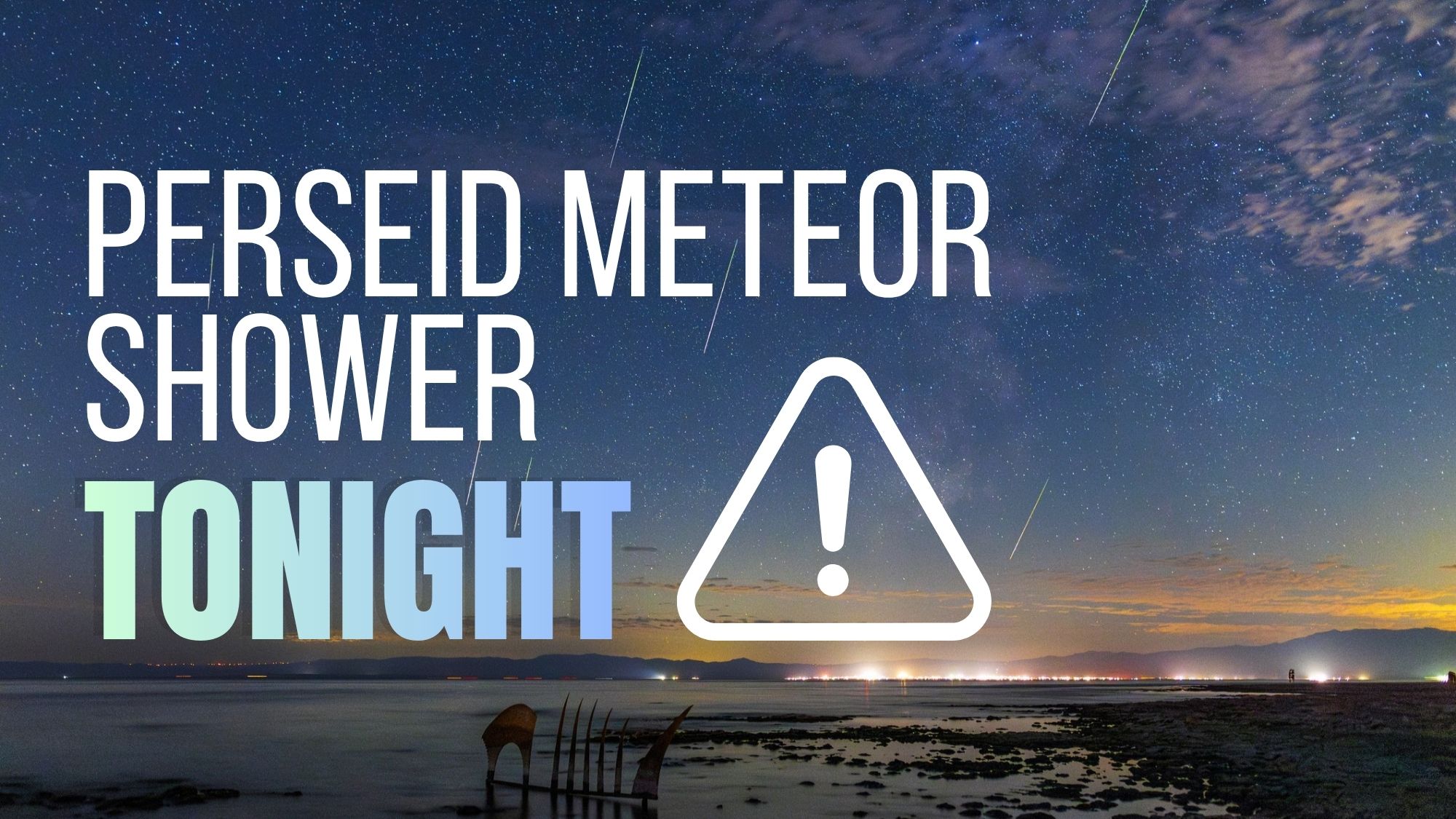
How and when to watch the Perseid meteor shower tonight
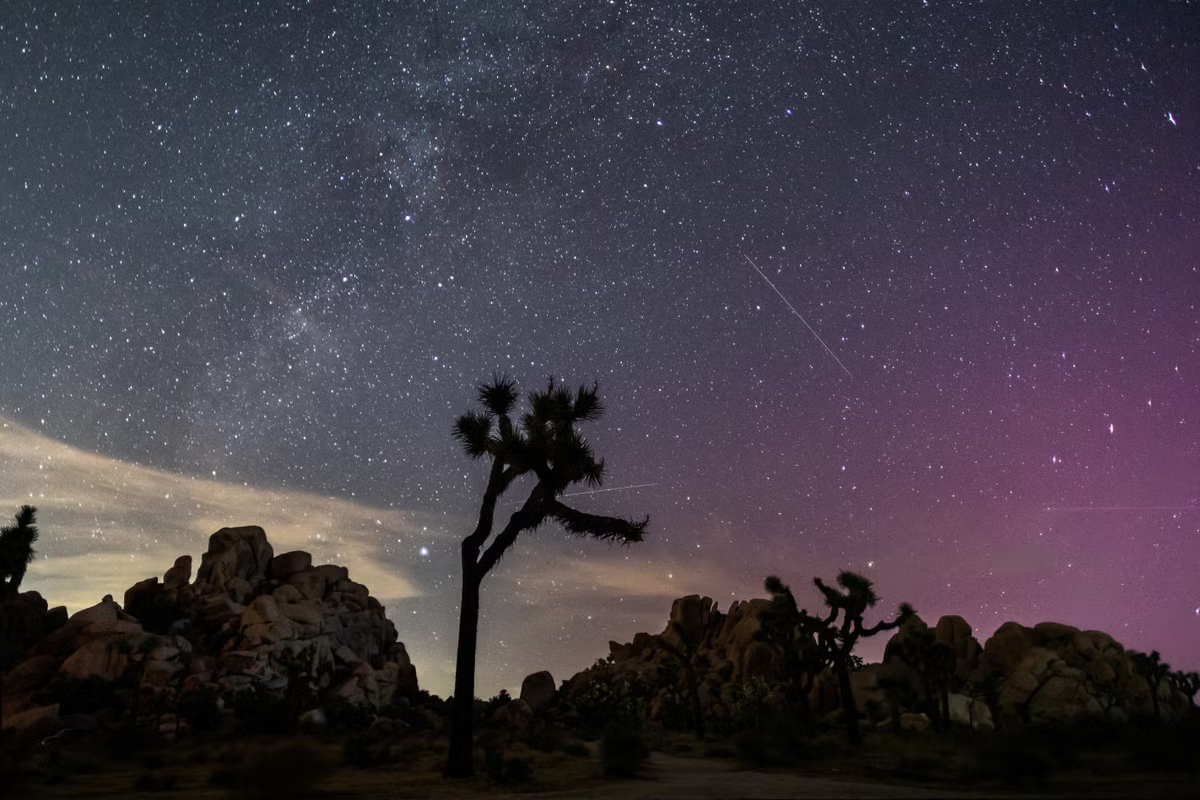
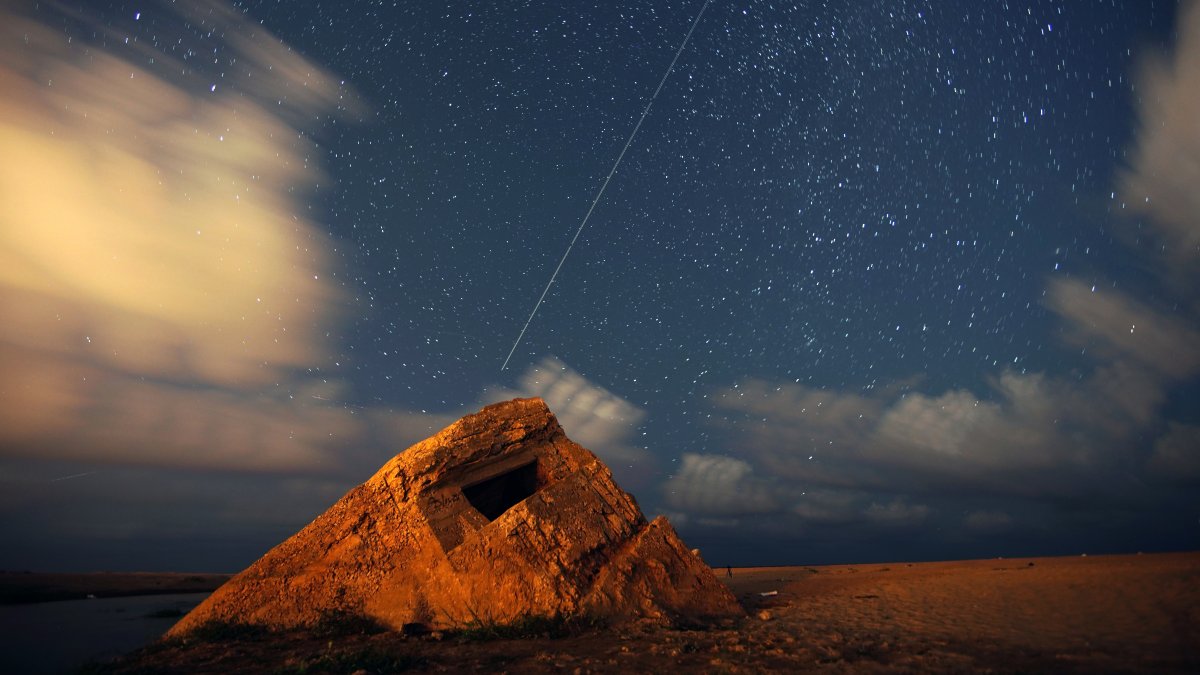
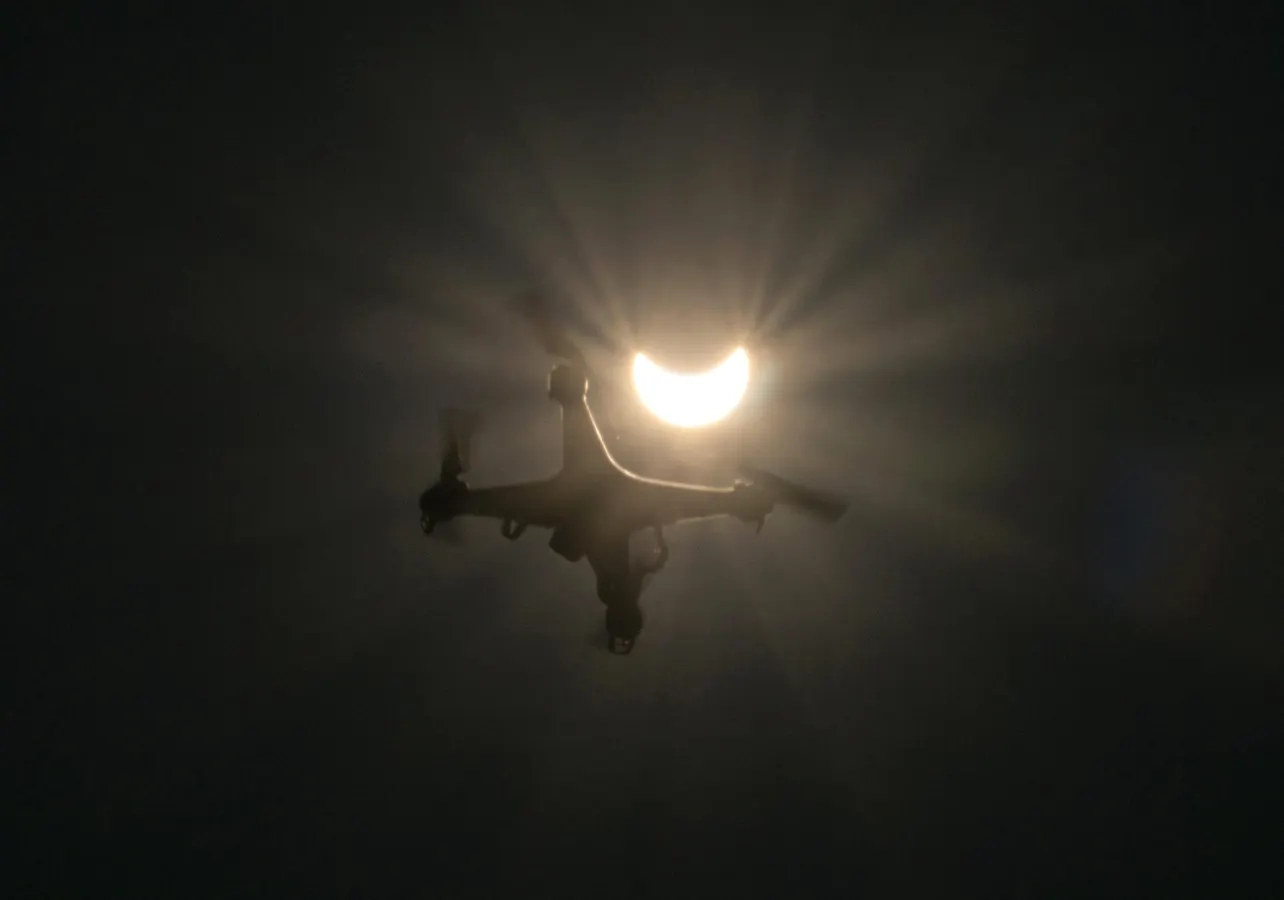
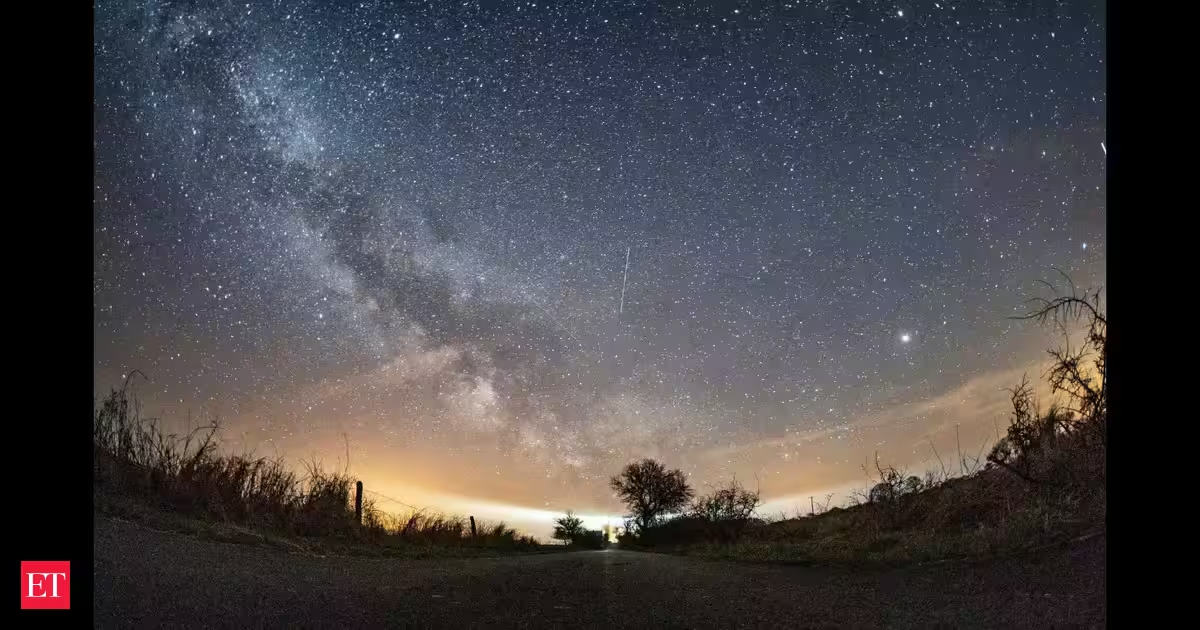
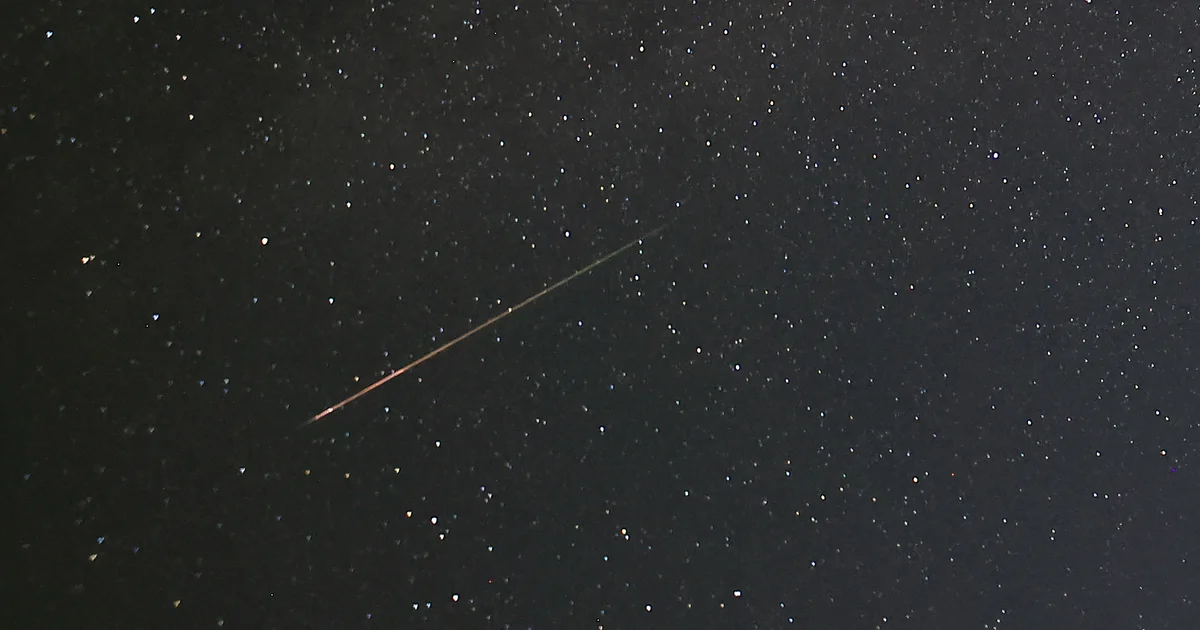
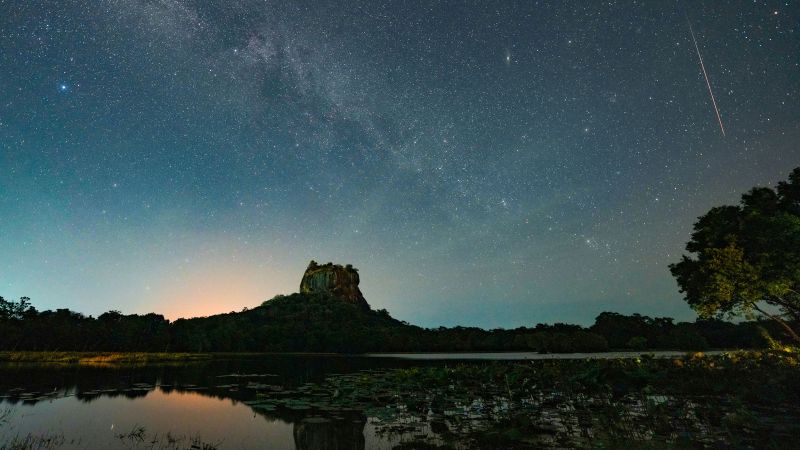
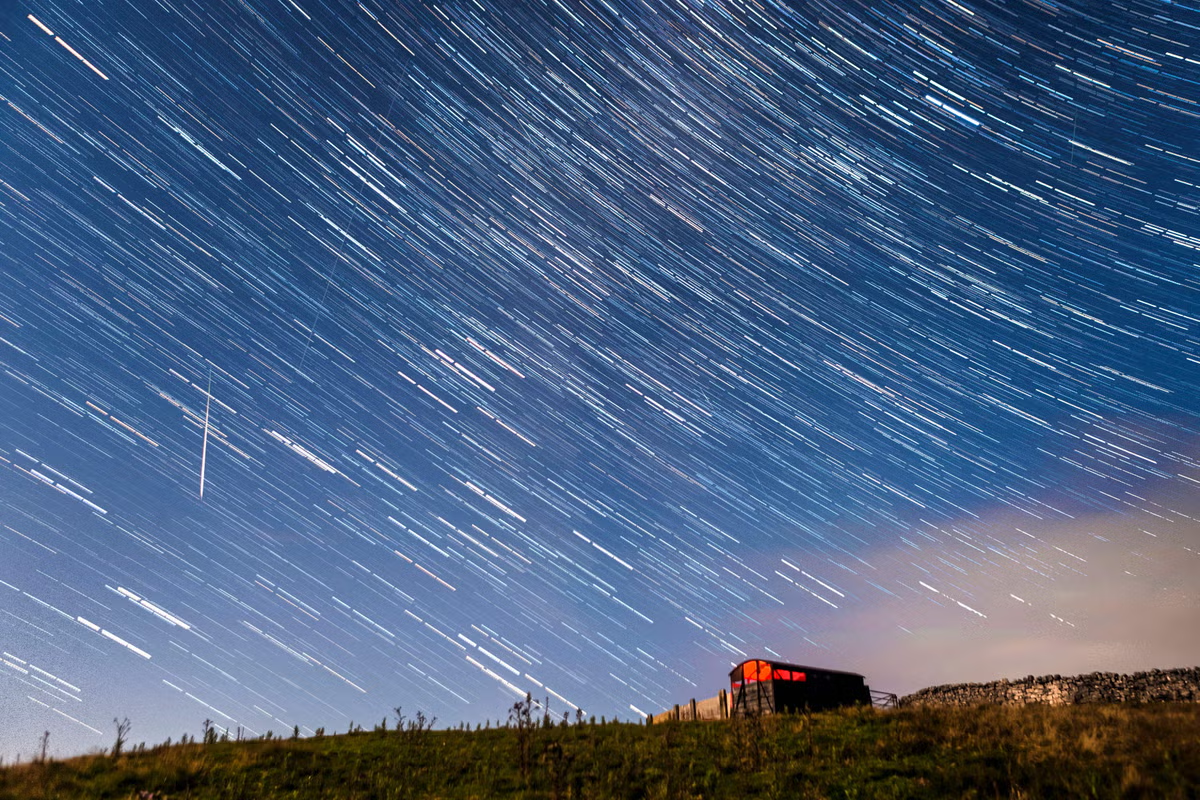
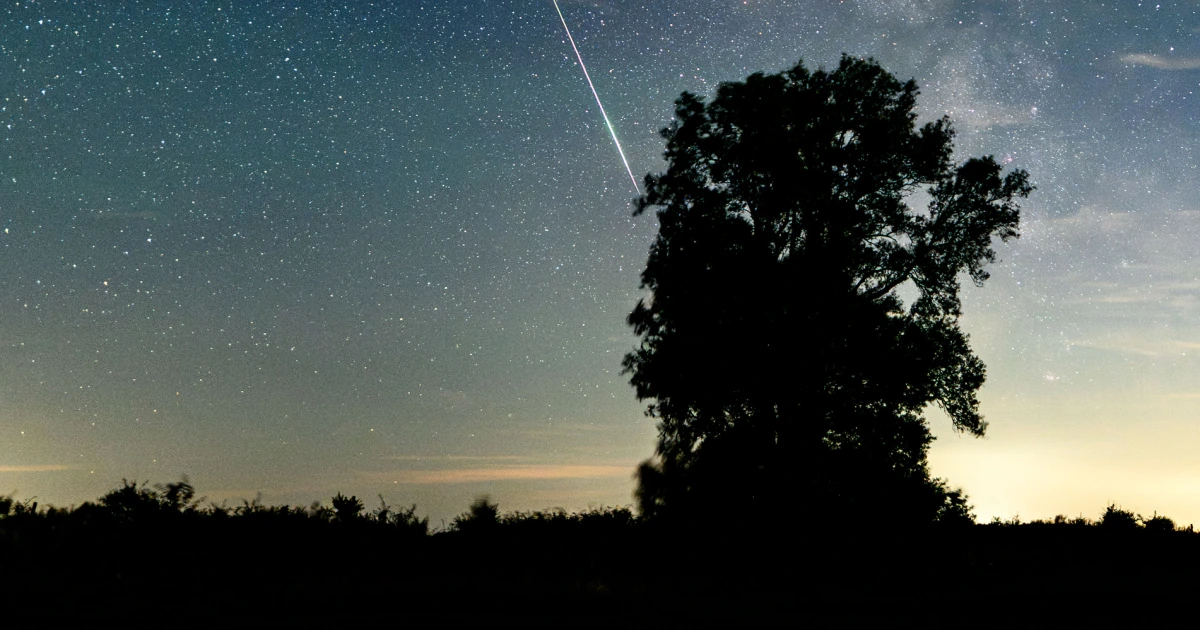
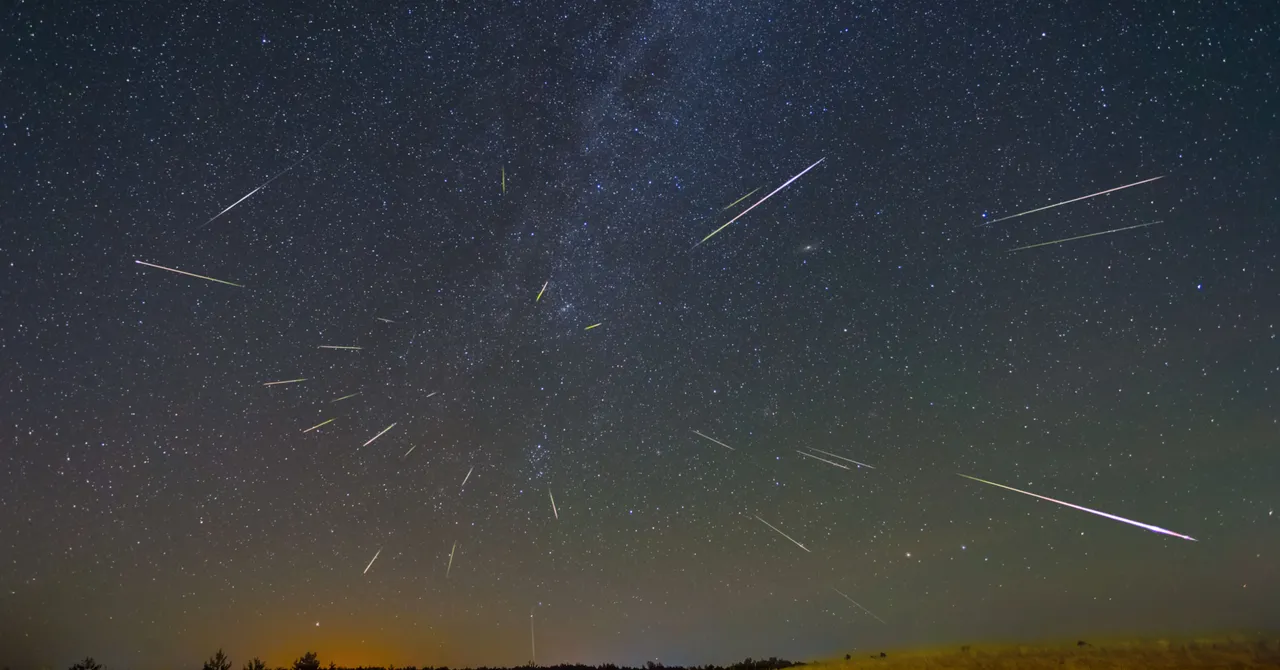
Jump to contentThank you for registeringPlease refresh the page or navigate to another page on the site to be automatically logged inPlease refresh your browser to be logged inAllNewsSportCultureLifestylePerseids Peak Coincides with Total Solar Eclipse TonightSkywatchers are set for a double celestial display on Wednesday night featuring a solar eclipse followed by the annual Perseid meteor shower. The Perseid meteor shower, caused by Earth passing through debris from the Swift-Tuttle comet, will peak overnight between Wednesday and Thursday. For those hoping to catch the meteor shower, the best viewing is expected between midnight and dawn, when the constellation Perseus is high in the northeastern sky. However, meteors may appear anywhere overhead, and some could be visible as early as 10 p.m. on WednesdayViewing conditions should be especially favorable because the shower coincides with a new moon, meaning there will be little to no moonlight to interfere with visibility.Astronomers recommend watching from a location away from city lights with a clear, unobstructed view of the sky. Skywatchers should give their eyes about 30 minutes to adjust to the darkness and avoid looking at phones or other bright screens while watching the shower.In fullIs there a meteor shower tonight? What to know as annual event follows solar eclipseMore bulletinsThank you for registeringPlease refresh the page or navigate to another page on the site to be automatically logged inPlease refresh your browser to be logged in
Confronto fonti
6 prospettive sulla stessa storiaTimeline cronologica
- ·
forbes.com
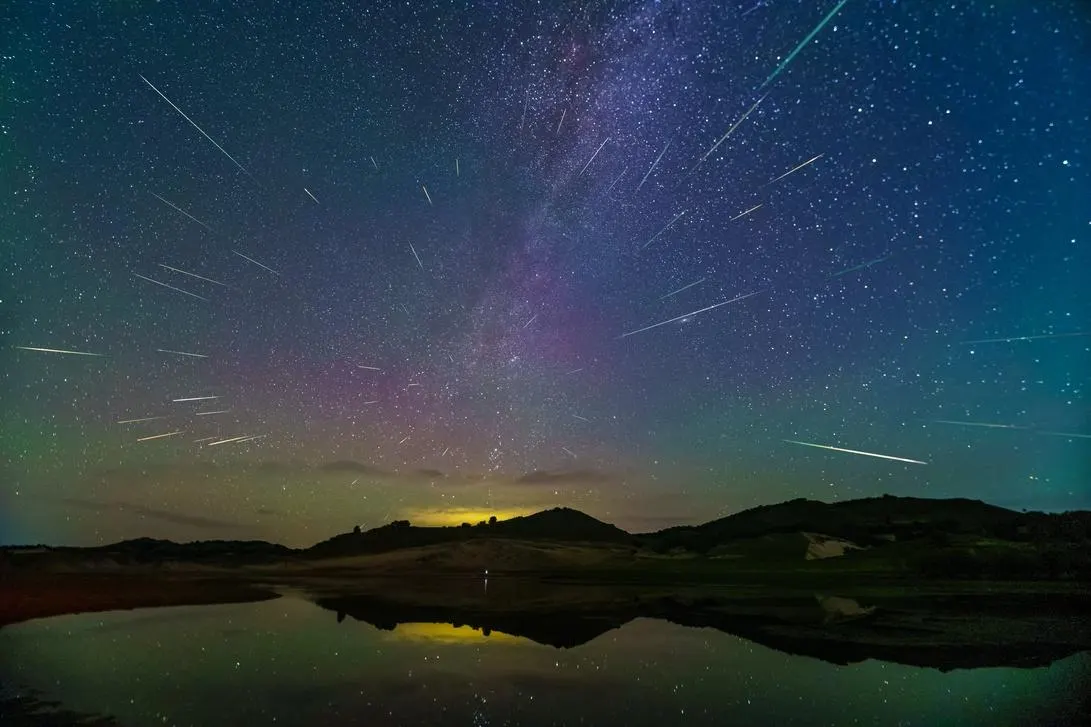
Your Ultimate Guide To The Perseid Meteor Shower Peak This Week
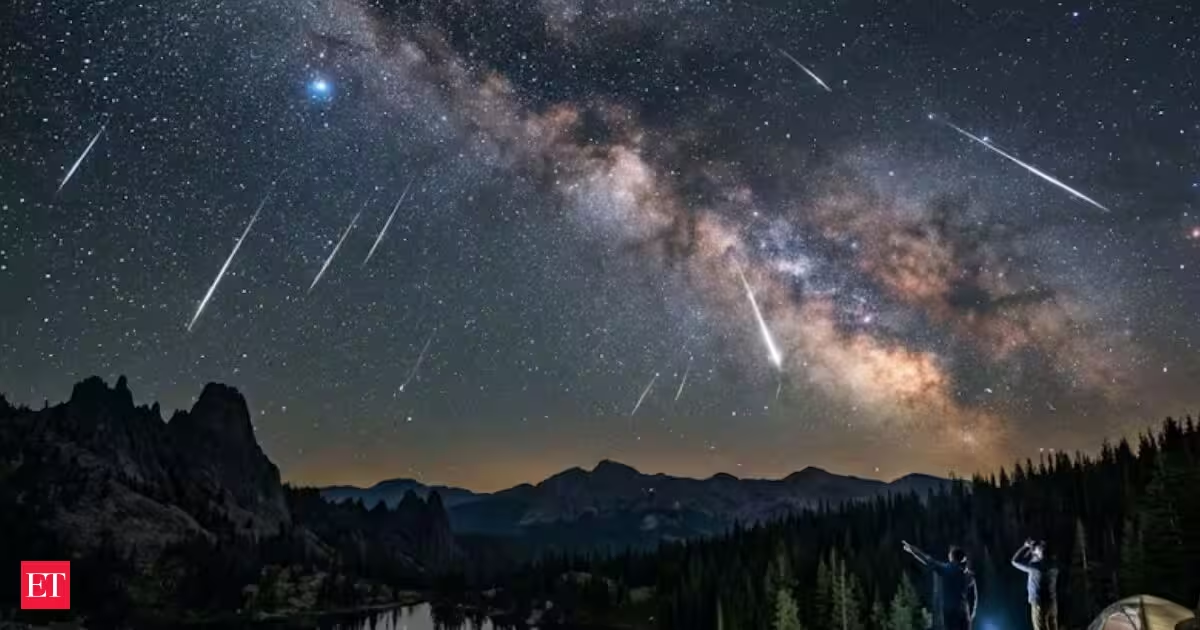
The annual Perseids, the year's most popular meteor shower, will peak on Aug. 12-13. Here's where to go, how to watch and when to see the most "shooting stars."
- ·
gulfnews.com
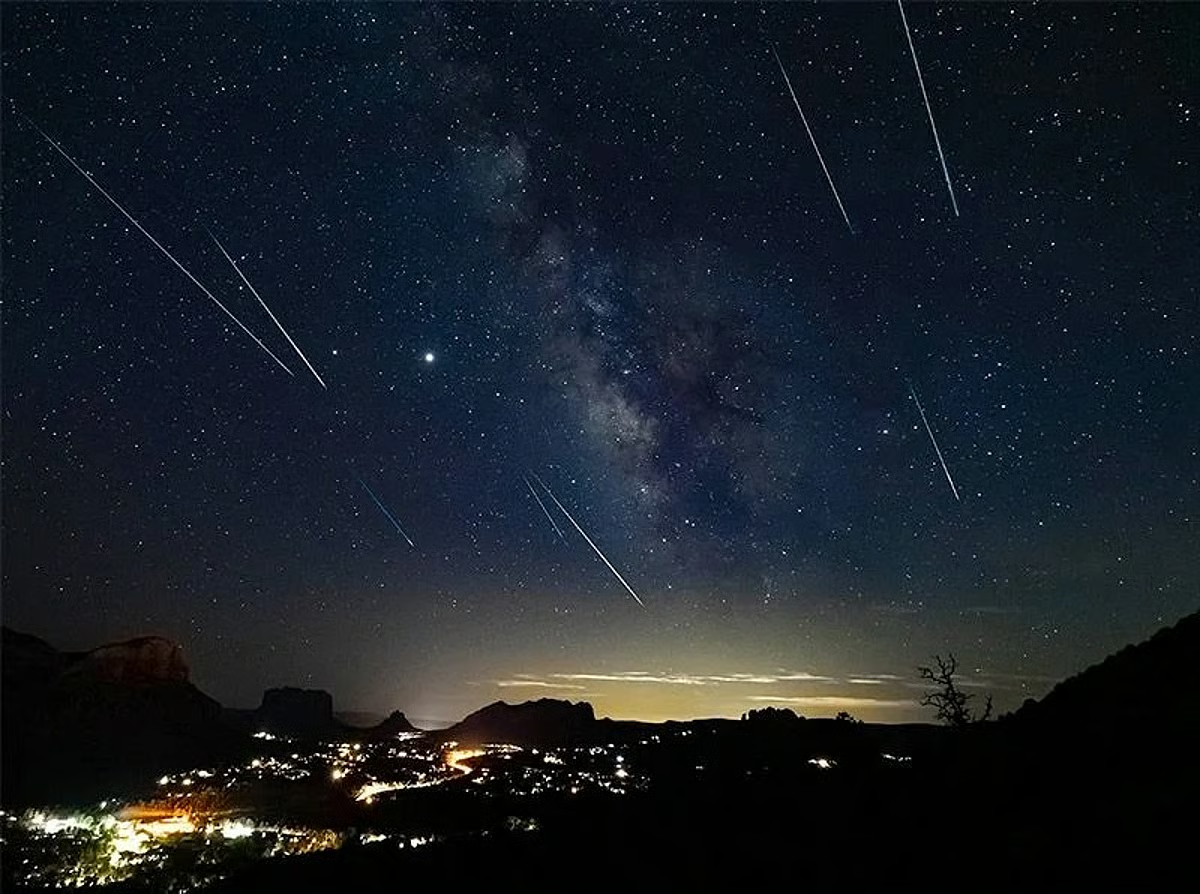
Perseid meteor shower set for peak this week under moonless skies
New moon sets stage for one of the clearest Perseid shows in years