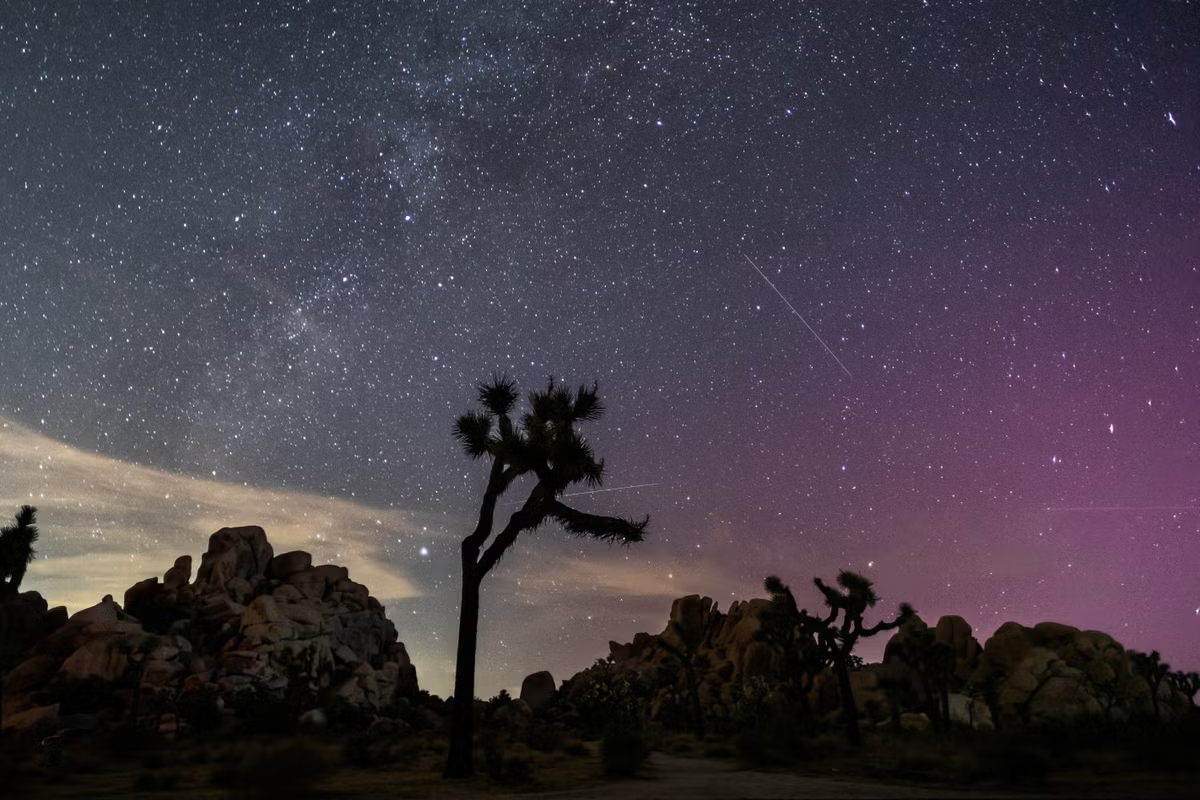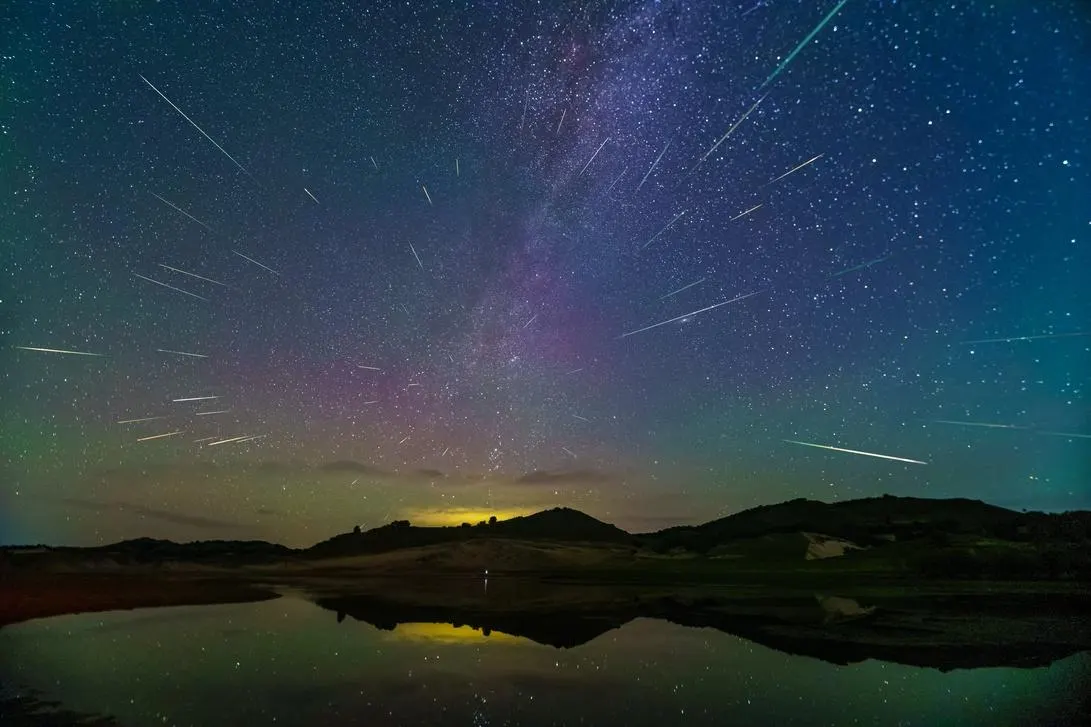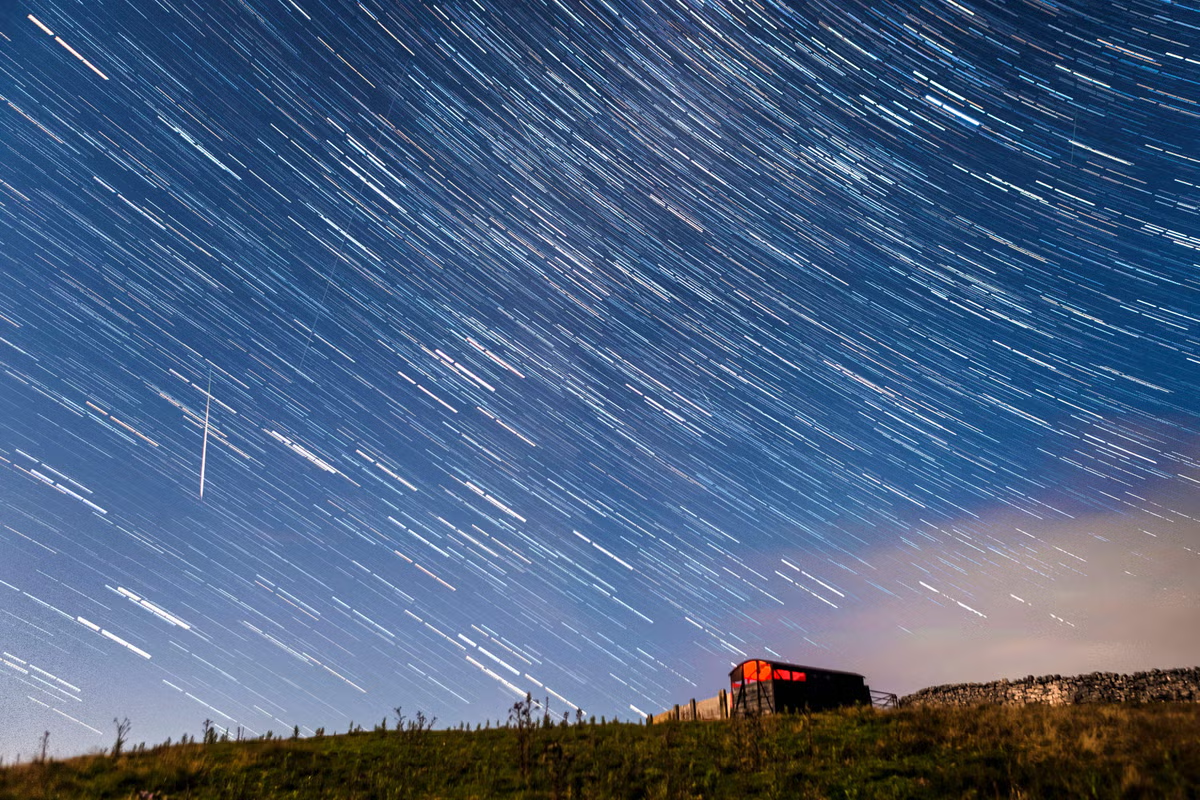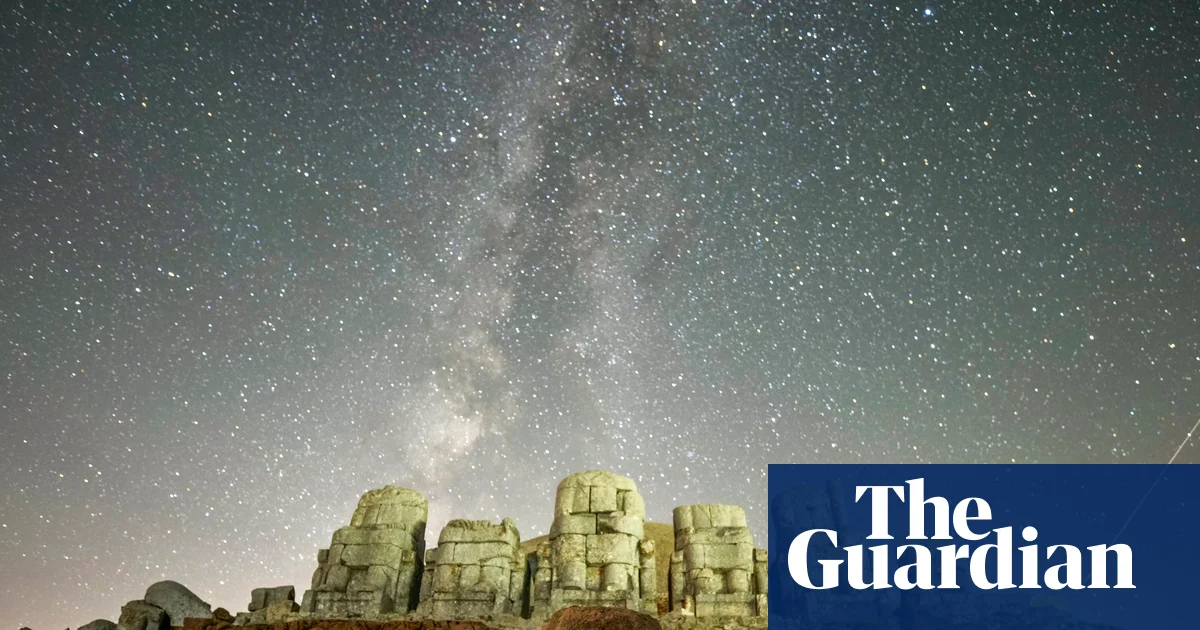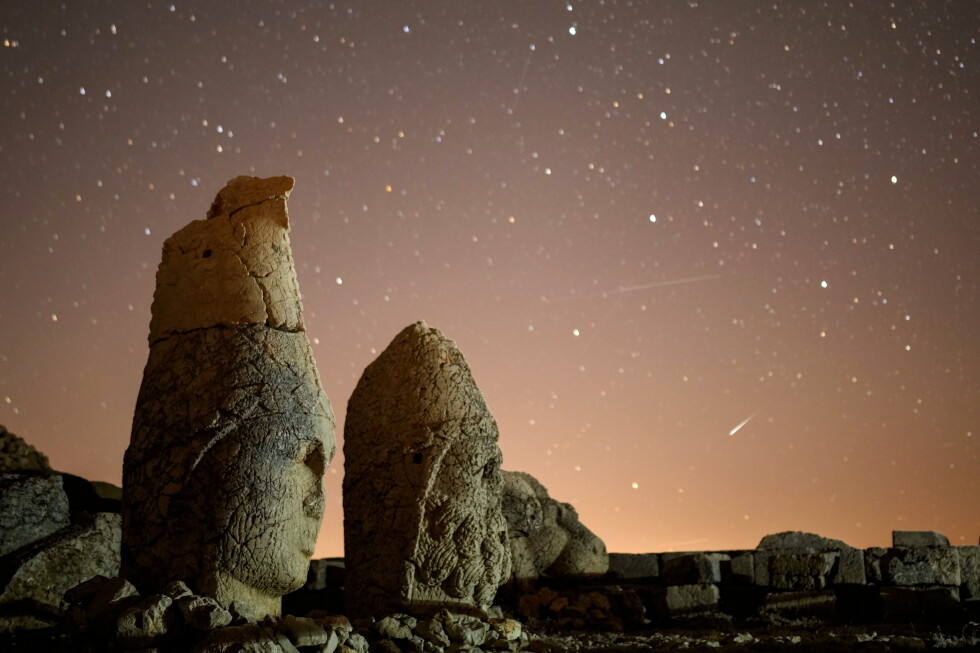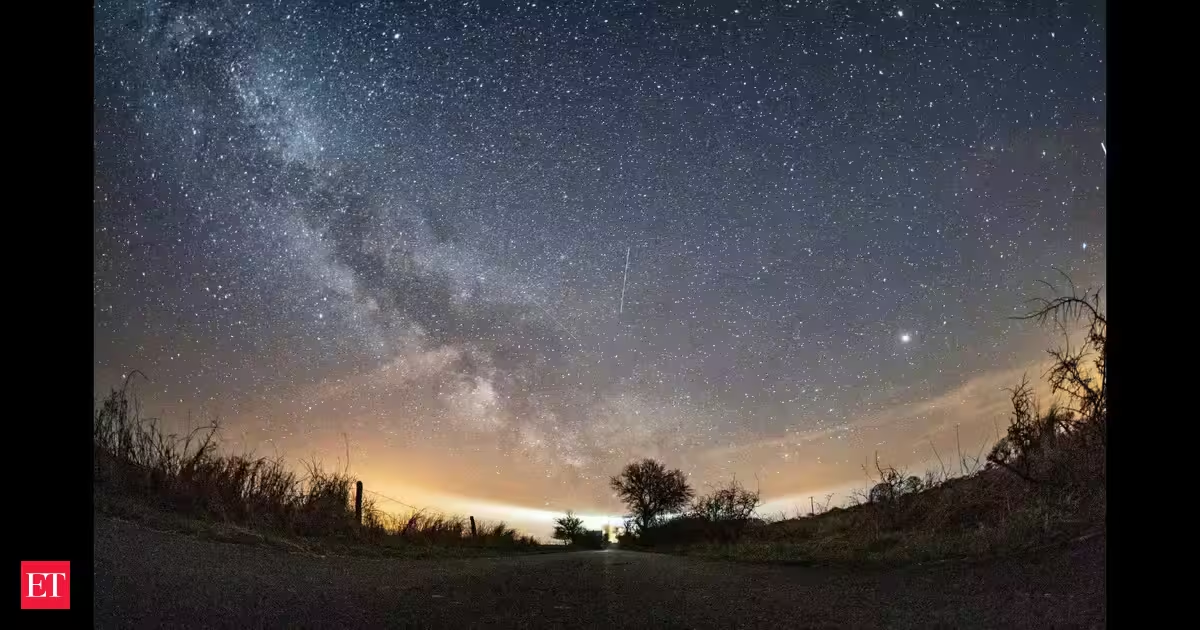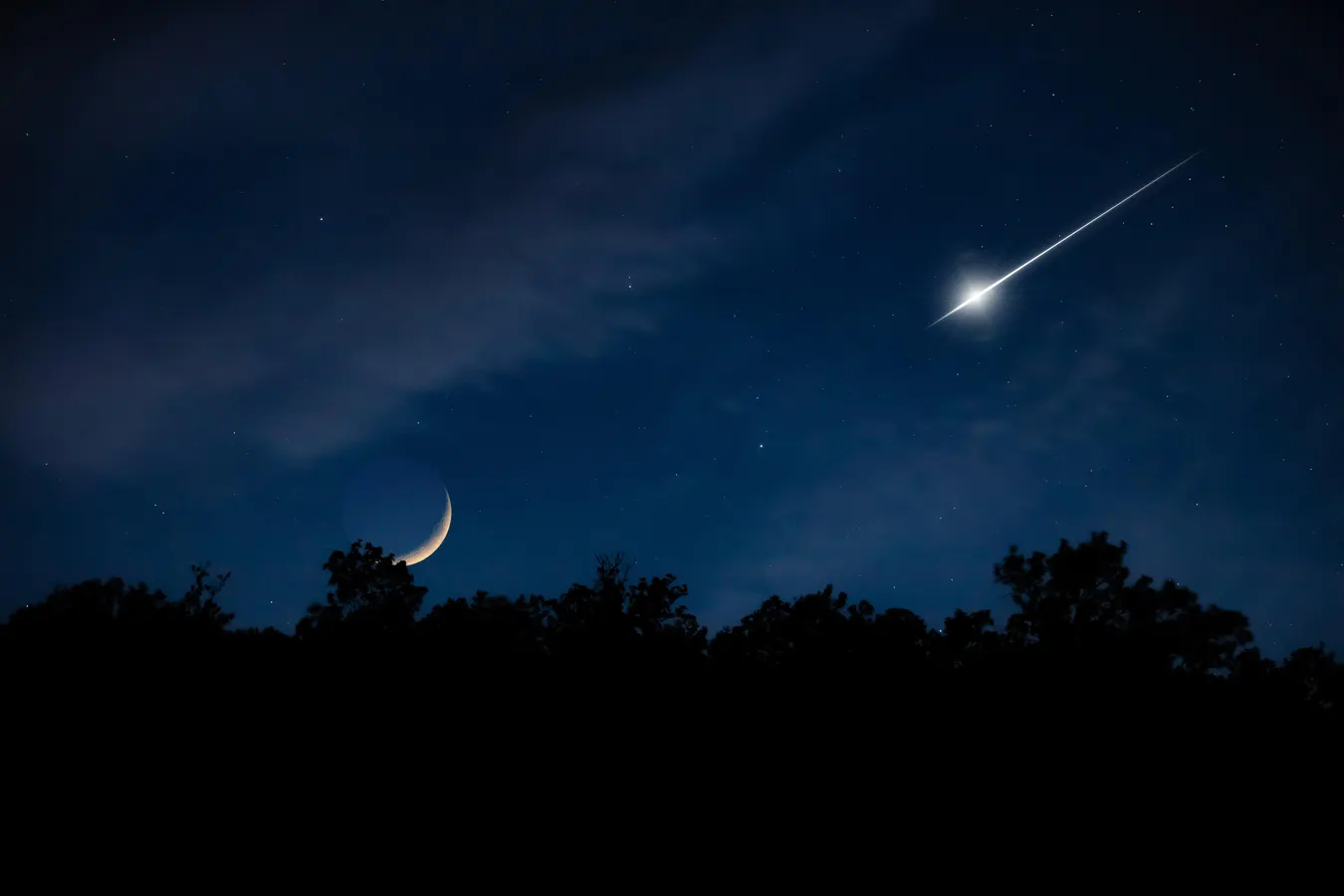
Some sky-gazers may see a dazzling meteor shower coincide with a total solar eclipse in a rare celestial alignment this week.
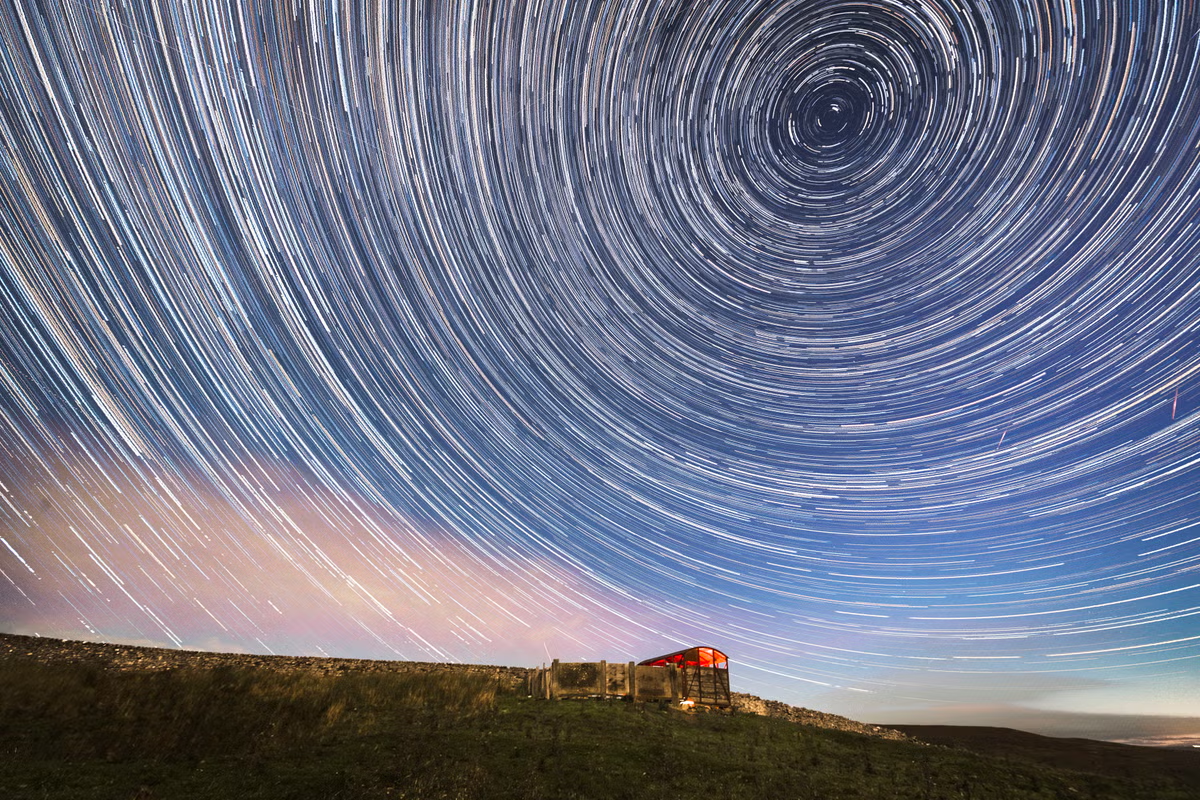
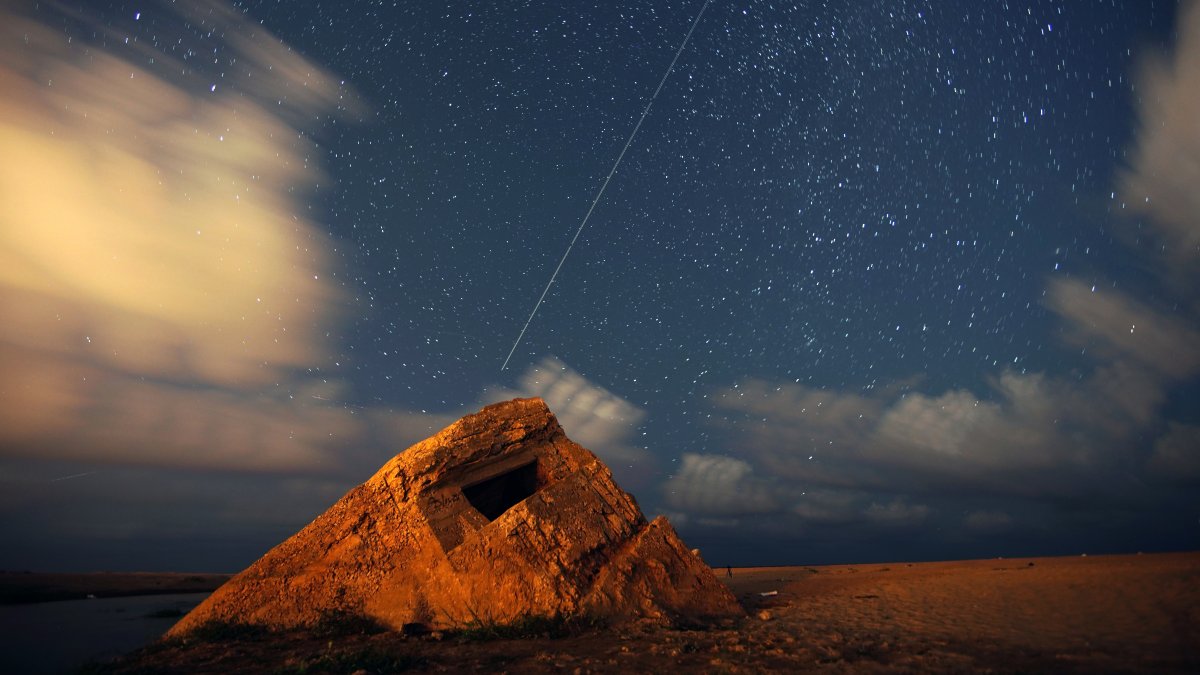
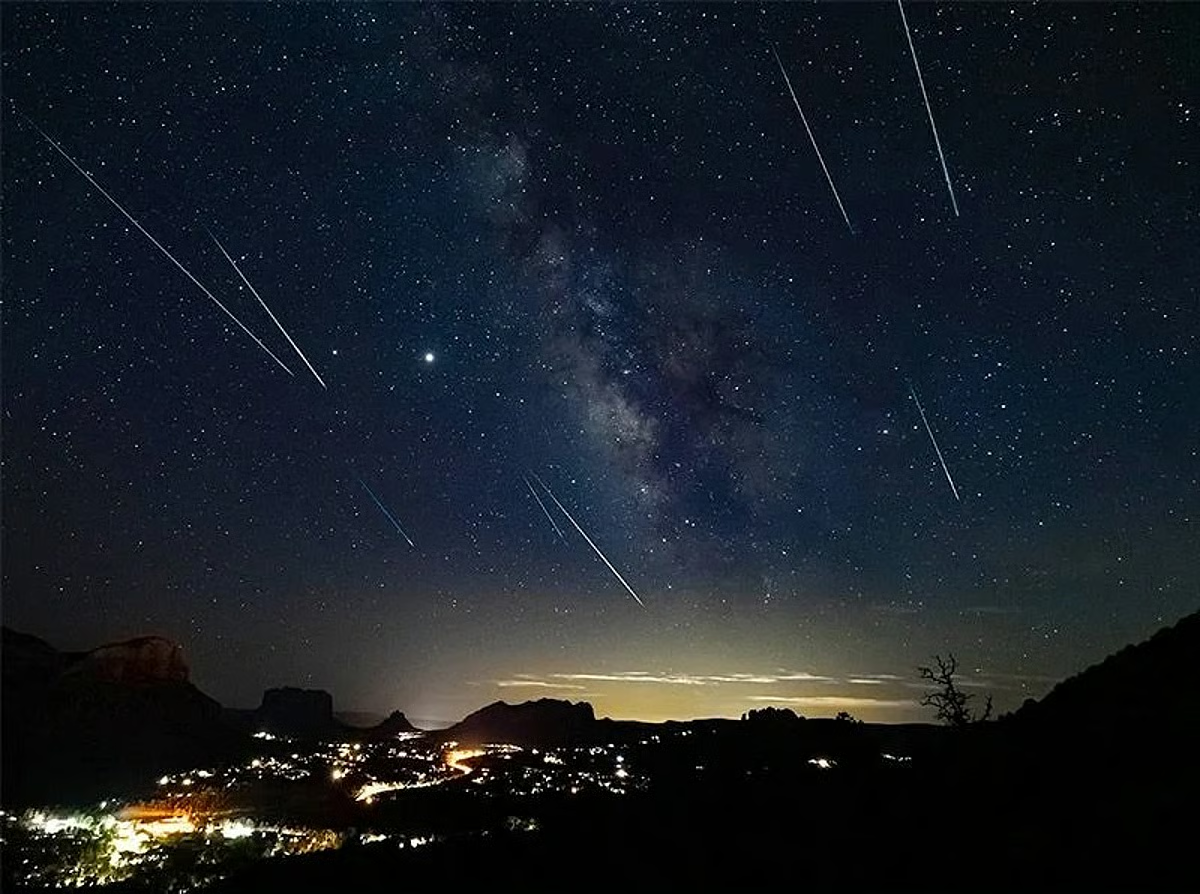
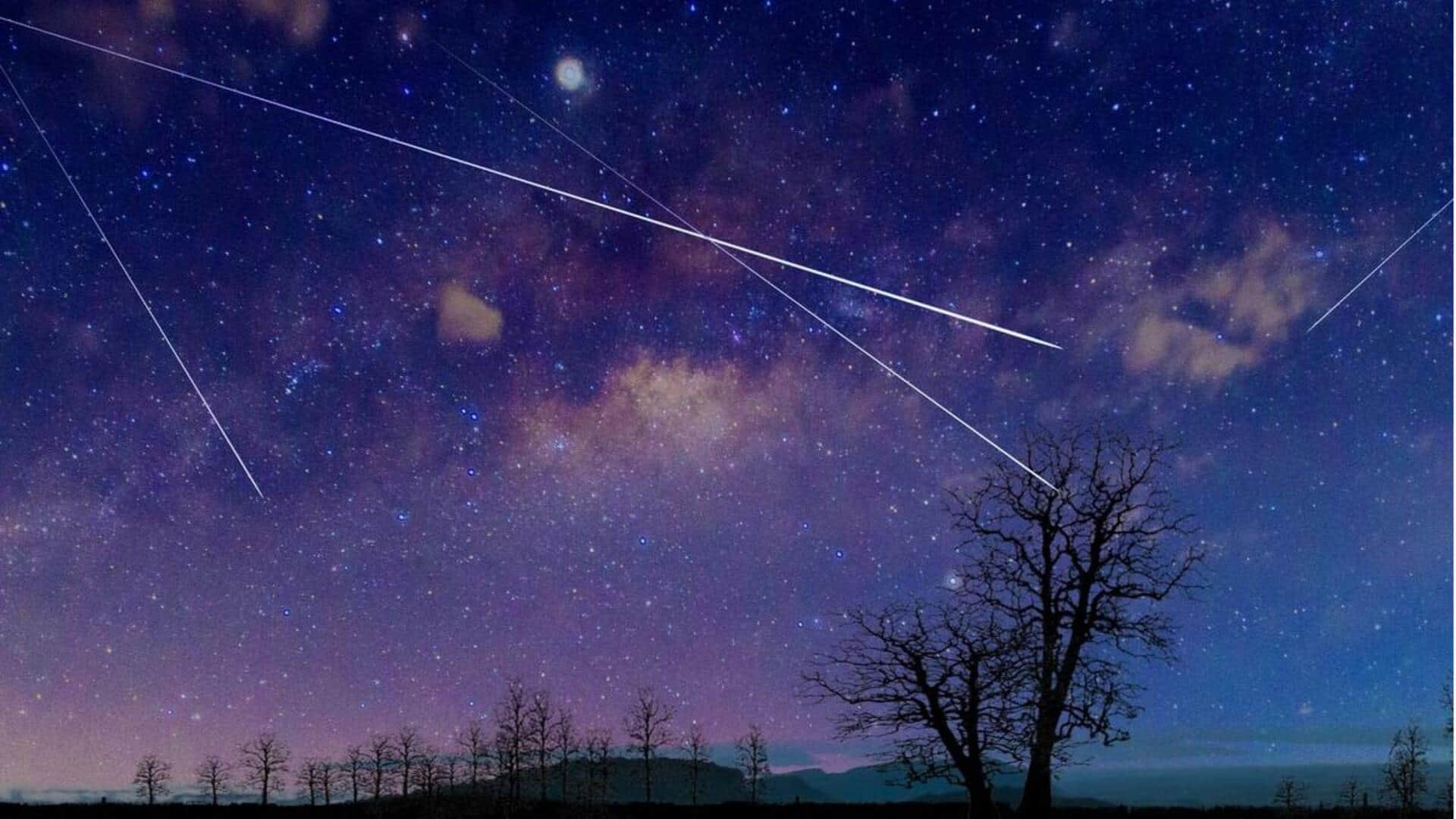
The Perseid meteor shower will be visible on Wednesday night and before dawn Thursday morning, reaching its expected peak — or point of maximum meteor activity — on Thursday at 10:53 a.m. ET, according to EarthSky. It is best viewed from the Northern Hemisphere, according to NASA. Meanwhile, a total solar eclipse also will pass over parts of the Northern Hemisphere on Wednesday.
A total solar eclipse occurs when the moon passes between Earth and the sun, completely blocking the sun’s light and briefly darkening the sky, a moment called totality. Millions of people will be able to experience totality along its path as it crosses major viewing locations such as parts of Iceland, northern Spain and northeastern Portugal. Other regions of the world — including the northern United States, Canada, northwest Africa and much of Europe — will be in for a partial eclipse in which only part of the sun’s light is blocked.
A stunning solar eclipse will soon unfold. Here’s how scientists map the path of totality
6 MIN READ