HomeAI · summaries
Storia in 8 fonti
Trump's tariffs just went from 12.5% to 10%: Why did India get a breather and what it means?
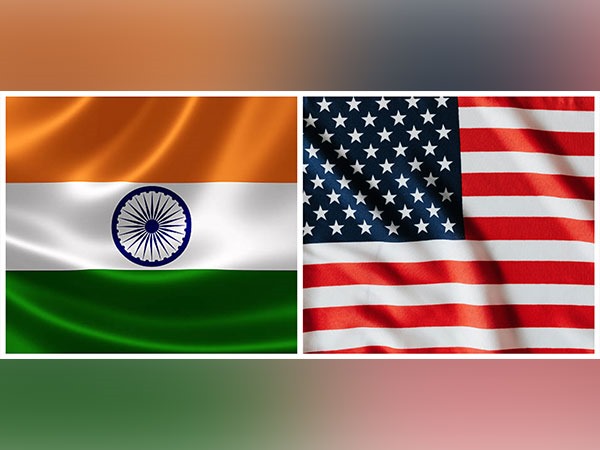
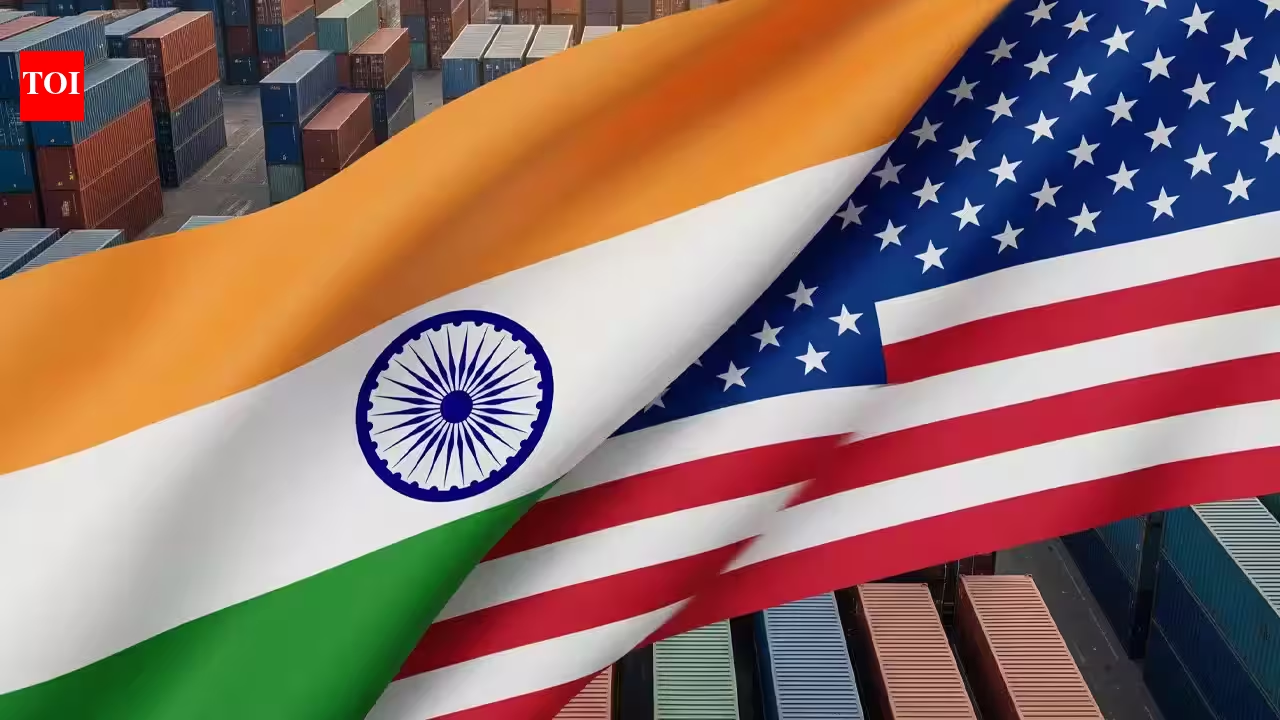
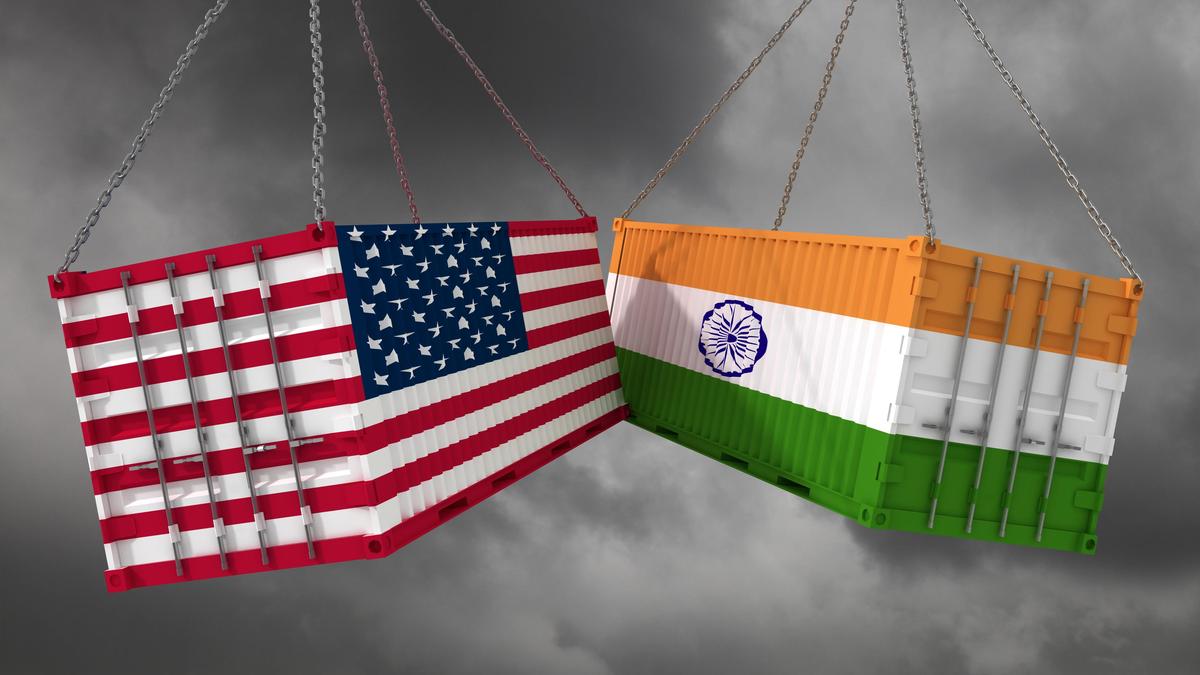
The United States has reduced tariffs on most Indian exports to ten percent. This change follows India's recent actions against forced labour imports. Indian exporters now face a more competitive position against other nations. However, some sectors will still encounter separate, higher tariffs. The trade landscape remains uncertain with potential future levies.
Confronto fonti
6 prospettive sulla stessa storiaTimeline cronologica
- ·
hindustantimes.com
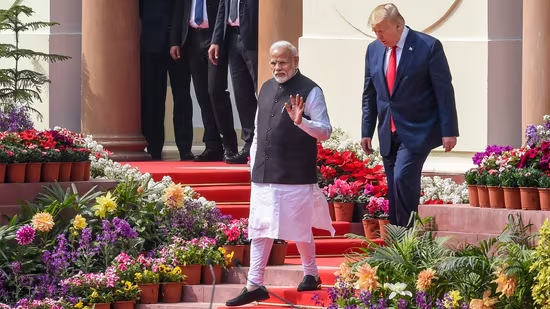
Donald Trump administration's 10% tariff on most Indian goods expires on July 24: What happens after that?
Possible outcomes: Tariffs could remain the same; rates could change depending on US investigations under Section 301; US could opt for a different instrument.
- ·
timesofindia.indiatimes.com
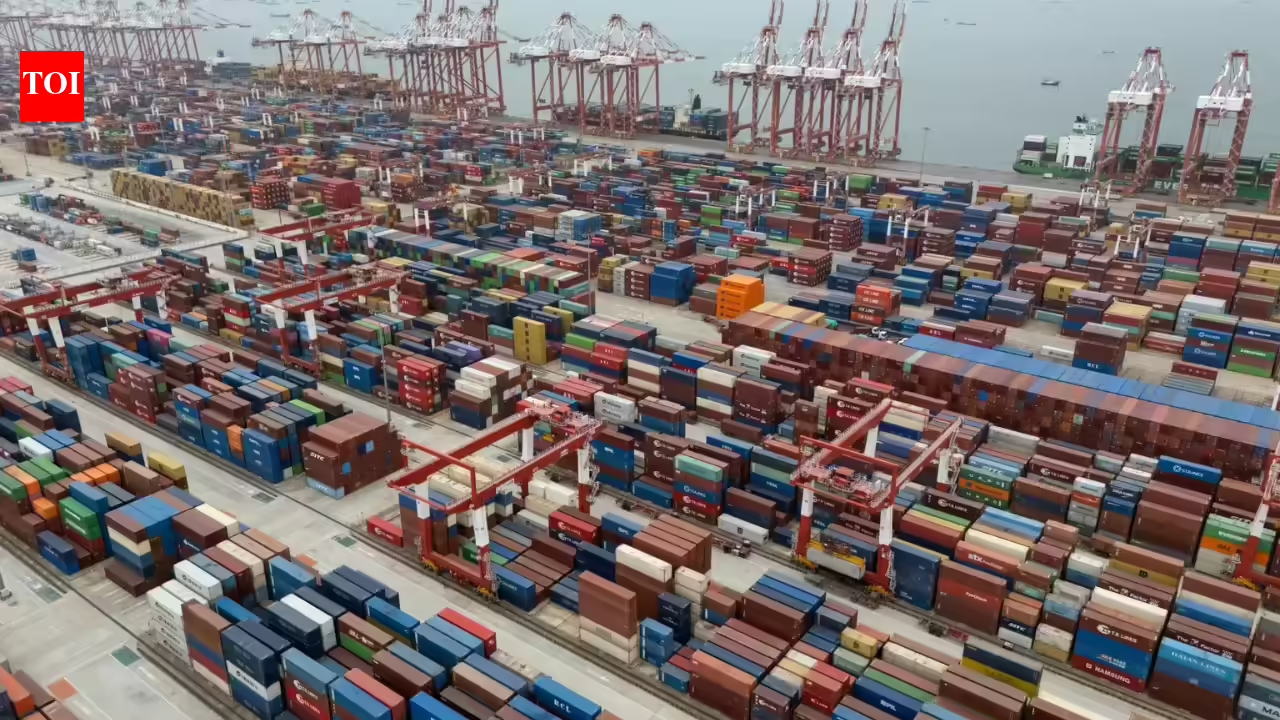
US unveils fresh tariffs of up to 12.5% on 60 economies amid 'forced labour' probe; rate for India lowered to 10%